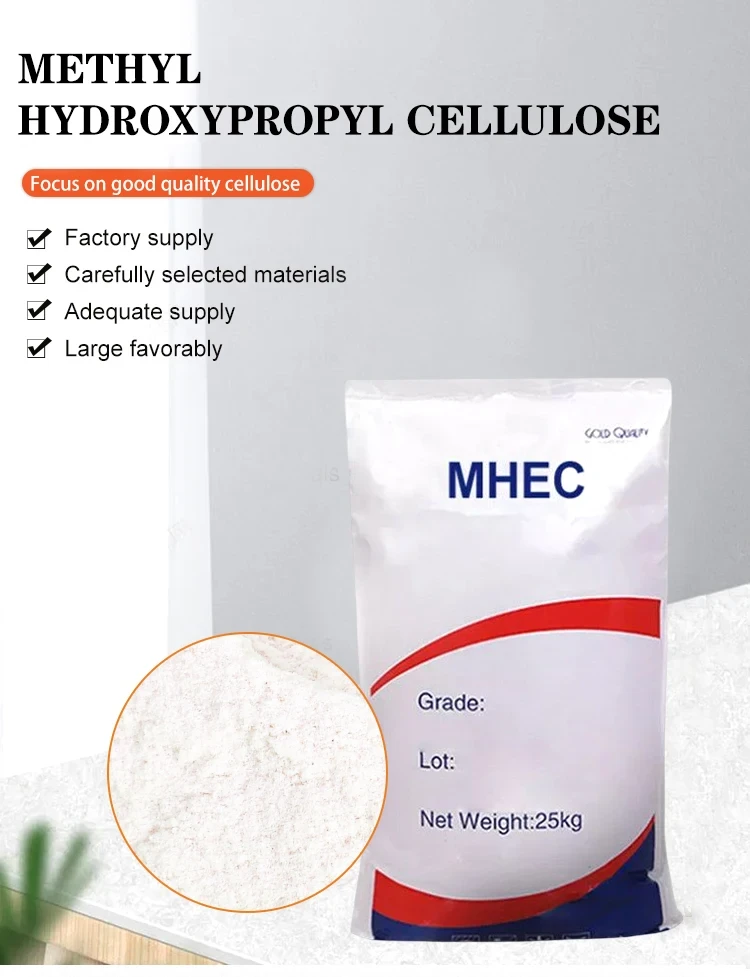
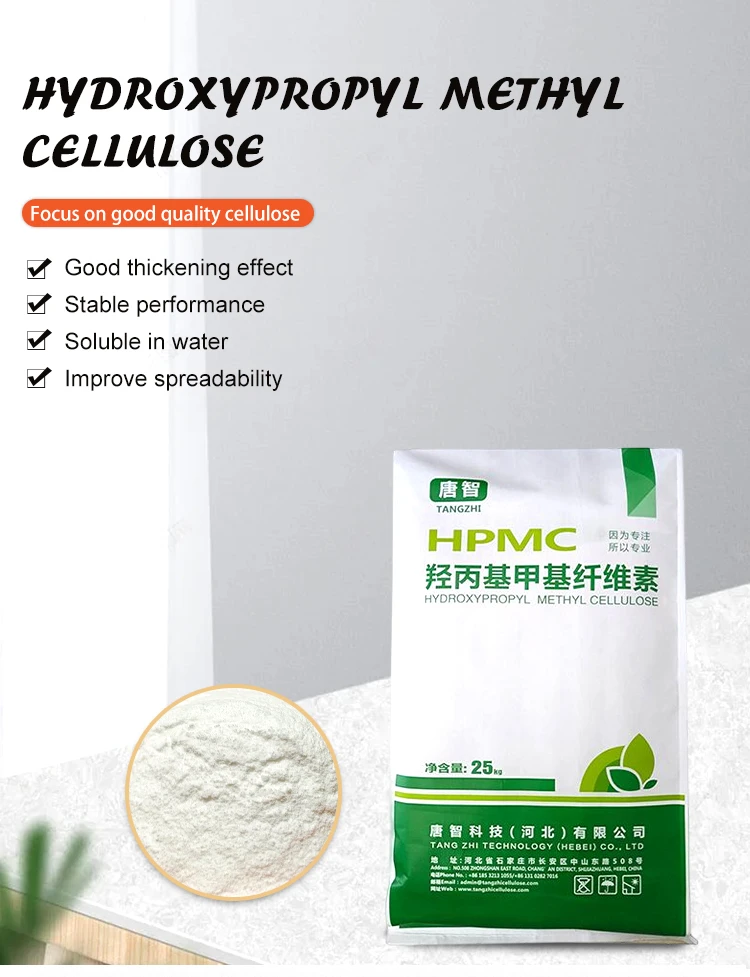
Hebei Tangzhi Technology Co., Ltd.
background.webp
HighPerformance Redispersible Latex Powder Solutions for New Zealand Construction
Apr . 13, 2026 10:38 Back to list

HighPerformance Redispersible Latex Powder Solutions for New Zealand Construction


High-Performance Redispersible Latex Powder Solutions for New Zealand Construction

Advanced chemical additives engineered to withstand the unique seismic and climatic demands of the Oceania region.

High-Performance Redispersible Latex Powder Solutions for New Zealand Construction

Providing New Zealand's building industry with cutting-edge cellulose ethers and polymer powders to enhance structural durability and workable efficiency.

{Product List Placeholder 1}

Building Chemistry Landscape in New Zealand

Analyzing the intersection of high seismic activity and diverse maritime climates.

The New Zealand construction market is characterized by rigorous building codes designed to mitigate seismic risks. This creates a critical demand for additives like polycarboxylate admixture to ensure high-strength, low-shrinkage concrete that can absorb energy during tectonic shifts.

Furthermore, the coastal humidity and temperature fluctuations across the North and South Islands necessitate the use of hydroxymethyl propyl cellulose to maintain optimal water retention in mortars and adhesives, preventing premature drying and cracking.

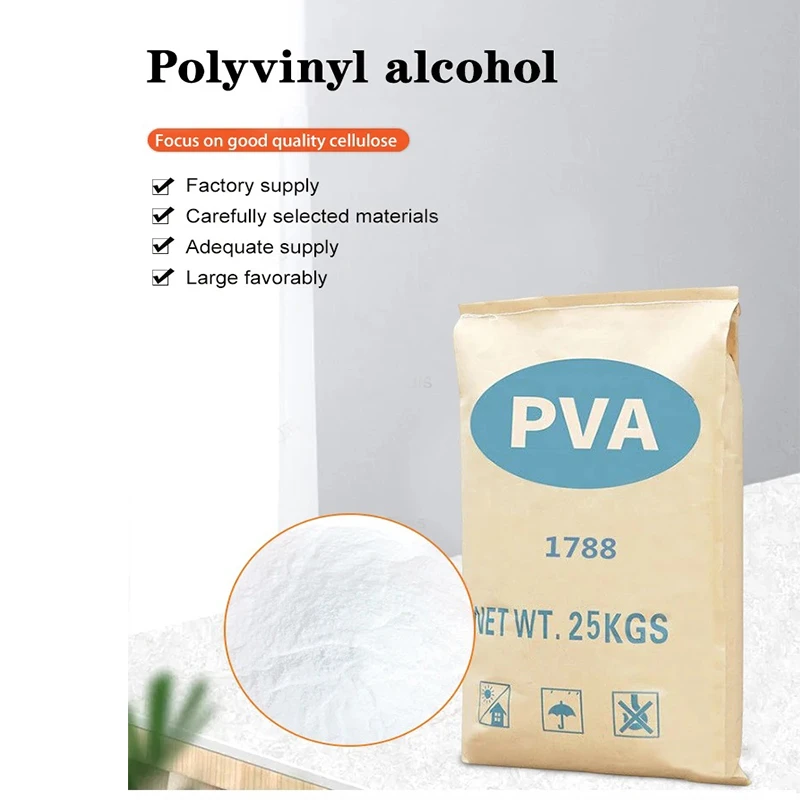
Local contractors are increasingly shifting toward sustainable, low-VOC materials. The integration of high-purity polyvinyl alcohol powder has become essential for creating eco-friendly binders that align with New Zealand's strict environmental protection regulations.
Evolution of Construction Chemicals in Oceania

From basic cementitious mixes to intelligent molecular engineering.

Market Development History

In the early 2000s, New Zealand relied heavily on standard Portland cement with basic plasticizers. The primary focus was simple load-bearing capacity, with limited attention to the long-term rheological properties of building materials.

Between 2010 and 2020, following major seismic events, the industry transitioned toward "Flexible Rigidity." This era saw the mass adoption of redispersible latex powder to improve bond strength and flexibility in external thermal insulation systems (ETICS).

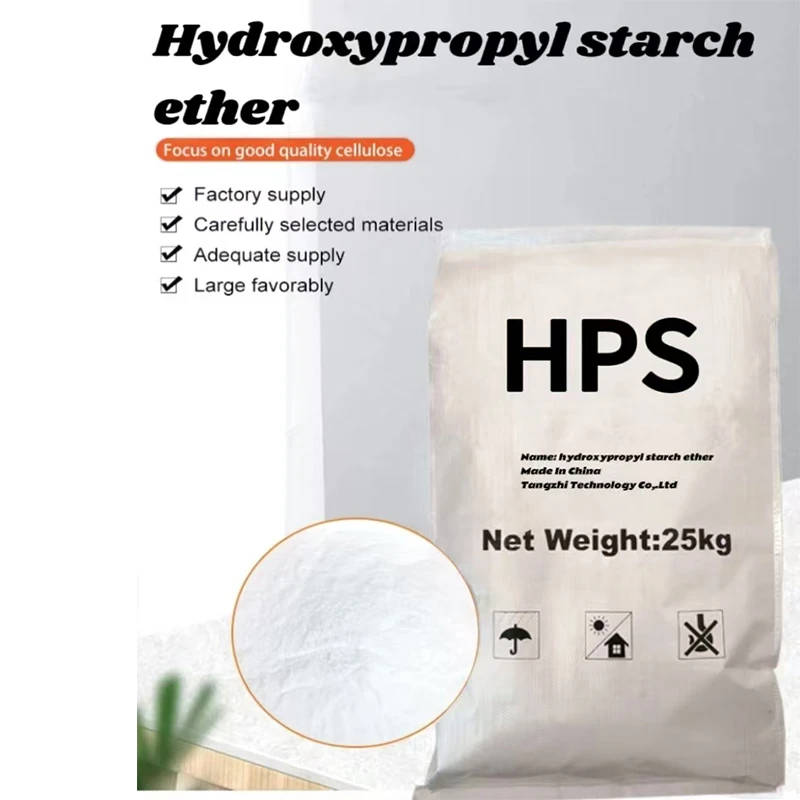
Currently, the market has entered the "Precision Chemical" phase. The use of hydroxypropyl starch ether has emerged as a way to optimize the workability of specialized grouts and repair mortars used in heritage building restoration.

Future Development Trends

Carbon-Neutral Additives

Driven by New Zealand's "Zero Carbon Act," the trend is shifting toward bio-based polymers that reduce the carbon footprint of high-performance concrete.

Smart-Responsive Polymers

Development of additives that can automatically adjust viscosity based on ambient humidity, reducing the need for on-site water adjustments.

Enhanced Seismic Ductility

Integration of hybrid polymer-cellulose matrices to create "self-healing" mortar layers that can withstand micro-cracks caused by tectonic vibrations.

Industry Trends and Future Outlook

Strategic foresight for the New Zealand building chemical sector.

Eco-Friendly Formulation
Transitioning toward biodegradable cellulose ethers to meet strict NZ environmental standards.
Seismic Resilience
Developing high-elasticity polymer powders to improve structural integrity in fault-line zones.
Modular Construction
Optimizing fast-setting admixtures for the booming prefabricated home market in New Zealand.
Digital Formulation
Using AI to predict the interaction between local sands and chemical admixtures.

Industry Outlook

Google search trends indicate a rising interest in "sustainable building materials NZ" and "seismic resistant mortar," suggesting a pivot toward high-value, specialized chemistry over bulk commodities.

The next 5 years will likely see a consolidation of supply chains, where providers who can offer integrated solutions—combining polymer powders and cellulose ethers—will dominate the Oceania market.

Localized Application Scenarios in New Zealand

Real-world implementations tailored to New Zealand's geography.

1. Auckland Urban High-Rise Foundations

Using polycarboxylate admixture to create high-flow, high-strength concrete for deep foundations in Auckland's volcanic soil areas.

2. South Island Coastal Facades

Applying redispersible latex powder in external renders to prevent saltwater penetration and improve elasticity against harsh winds.

3. Wellington Seismic Retrofitting

Utilizing hydroxymethyl propyl cellulose in specialized repair mortars to ensure superior adhesion and crack resistance during structural reinforcement.

4. Central Otago Eco-Housing

Integrating polyvinyl alcohol powder into lime-based plasters for breathable, eco-friendly interior finishes in sustainable rural builds.

5. Queenstown Luxury Lodge Tiling

Employing hydroxypropyl starch ether in high-end tile adhesives to provide exceptional slip resistance on large-format natural stone floors.

Brand Story

Global Development Journey of Tangzhi Technology (Hebei) Co., Ltd.

Foundational Innovation

Established with a mission to solve the instability of cellulose ethers in extreme climates, focusing on molecular purity.

Technological Breakthrough

Developed proprietary synthesis processes that significantly increased the water retention and open-time of construction mortars.

Global Market Expansion

Expanded operations into Oceania, tailoring product lines to meet the rigorous seismic and environmental standards of New Zealand.

Sustainability Integration

Launched a series of green-certified polymer powders to lead the industry toward a carbon-neutral building future.

Industry Leadership

Recognized as a global leader in providing customized chemical solutions for the most challenging architectural environments.

Comprehensive Chemical Portfolio for New Zealand

A full spectrum of additives designed for the unique demands of the Oceania construction sector.

{Product List Placeholder 2}

Common Questions for NZ Construction Chemicals

Expert answers to technical queries from local engineers and contractors.

How does hydroxymethyl propyl cellulose affect mortar in high-humidity areas like Auckland?

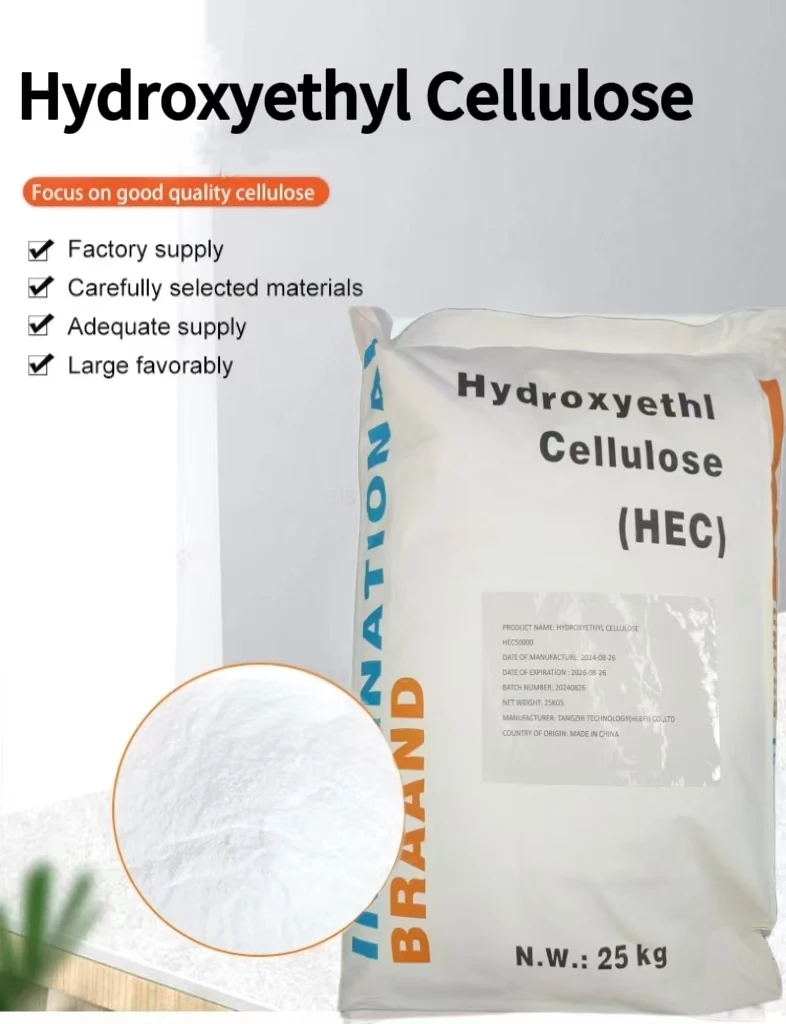
It optimizes water retention, preventing the mortar from drying too quickly in coastal winds while ensuring it doesn't become too fluid in high humidity.

Can redispersible latex powder improve seismic resistance in New Zealand homes?

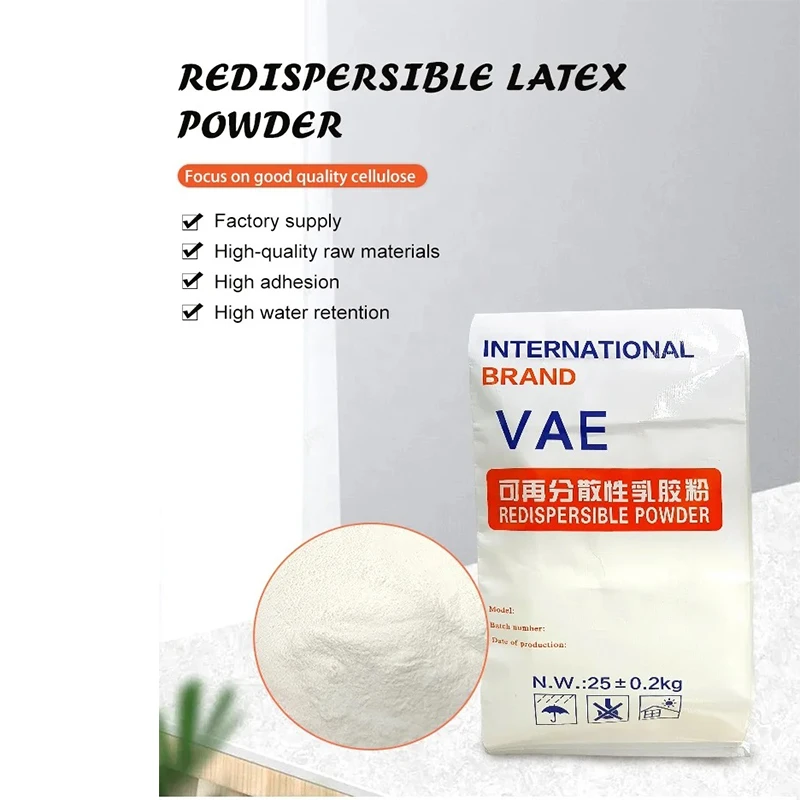
Yes, it enhances the flexibility and bond strength of cementitious layers, allowing the structure to better absorb vibrations without brittle failure.

What is the advantage of using polycarboxylate admixture over traditional plasticizers?

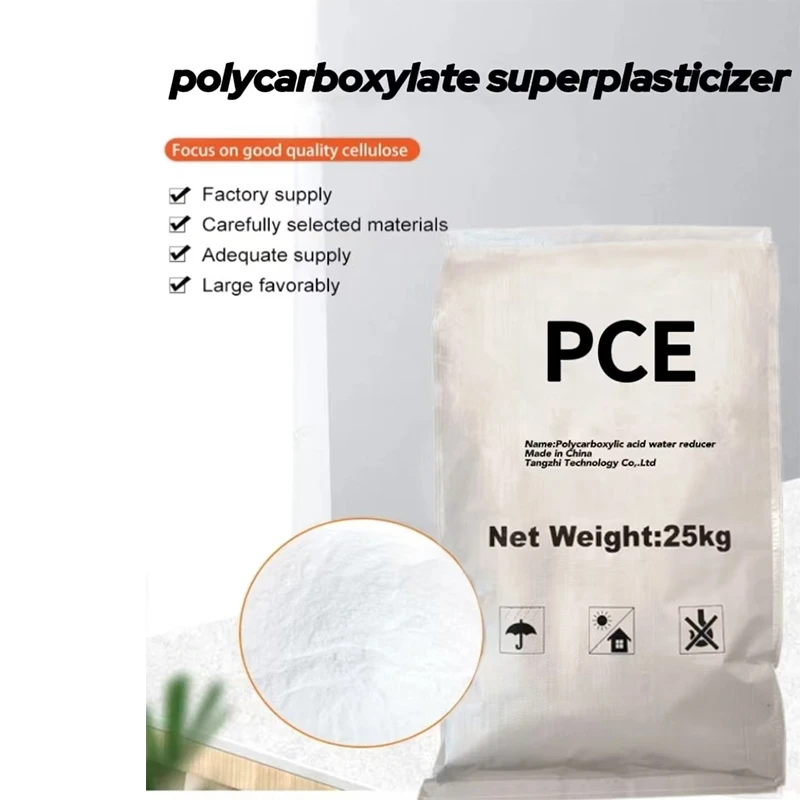
It provides superior slump retention and water reduction, allowing for higher strength concrete with less water, which is critical for seismic-grade foundations.

Is polyvinyl alcohol powder compatible with eco-friendly building materials?

Absolutely. It is a highly stable and low-toxicity binder that aligns with New Zealand's sustainability goals for interior wall finishes.

How does hydroxypropyl starch ether compare to other thickeners in tiling?

It offers superior sag resistance and better open-time, making it ideal for applying large tiles on vertical surfaces in luxury New Zealand developments.

Which additive is best for preventing shrinkage in the South Island's dry winters?

A combination of cellulose ethers for water retention and redispersible polymer powders for flexibility is recommended to prevent winter shrinkage cracks.

Get Expert Technical Support

Our engineers are ready to help you optimize your construction formulas for the specific environment of New Zealand.

Contact Us Now

Share

Prev:
Next:
Latest news

If you are interested in our products, you can choose to leave your information here, and we will be in touch with you shortly.