Industrial Guide to Cellosize Hydroxyethyl Cellulose Applications

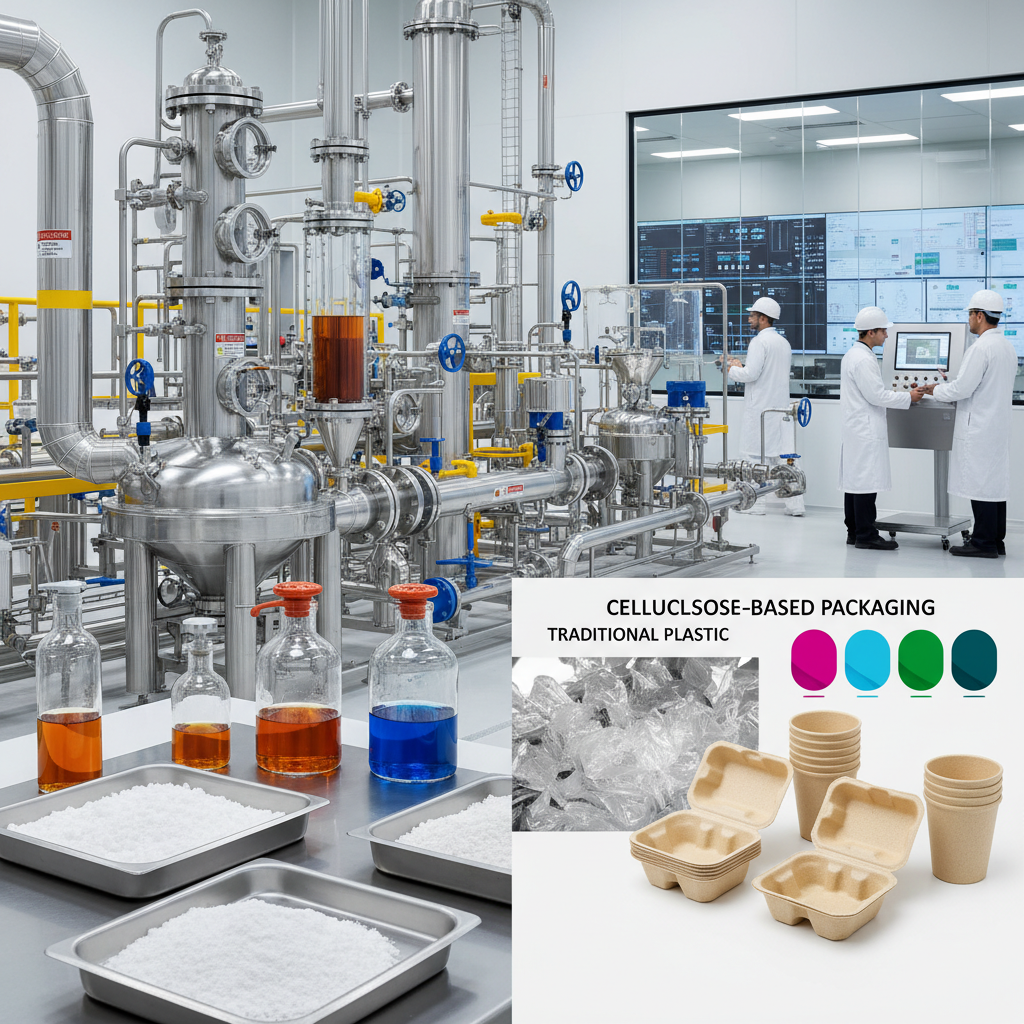
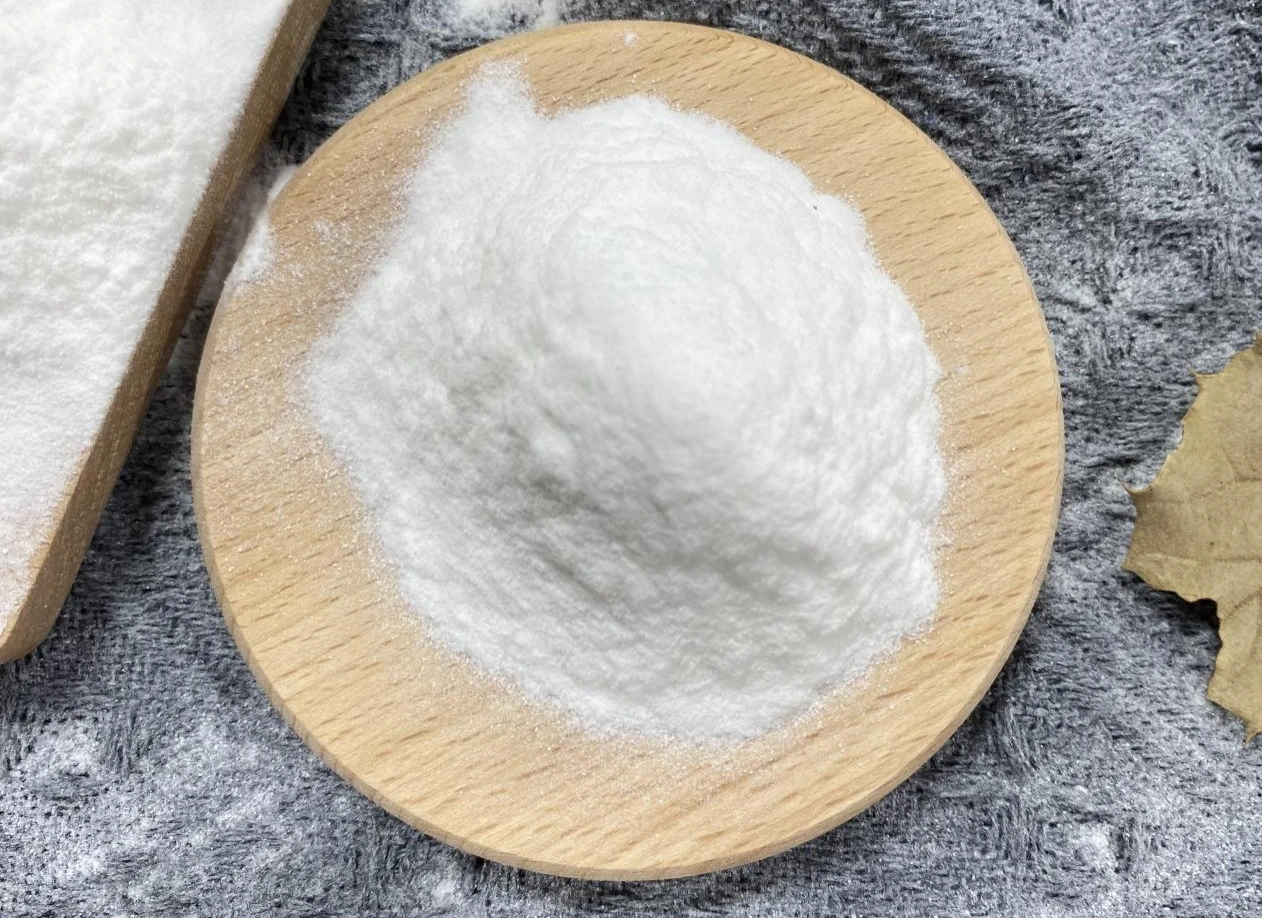
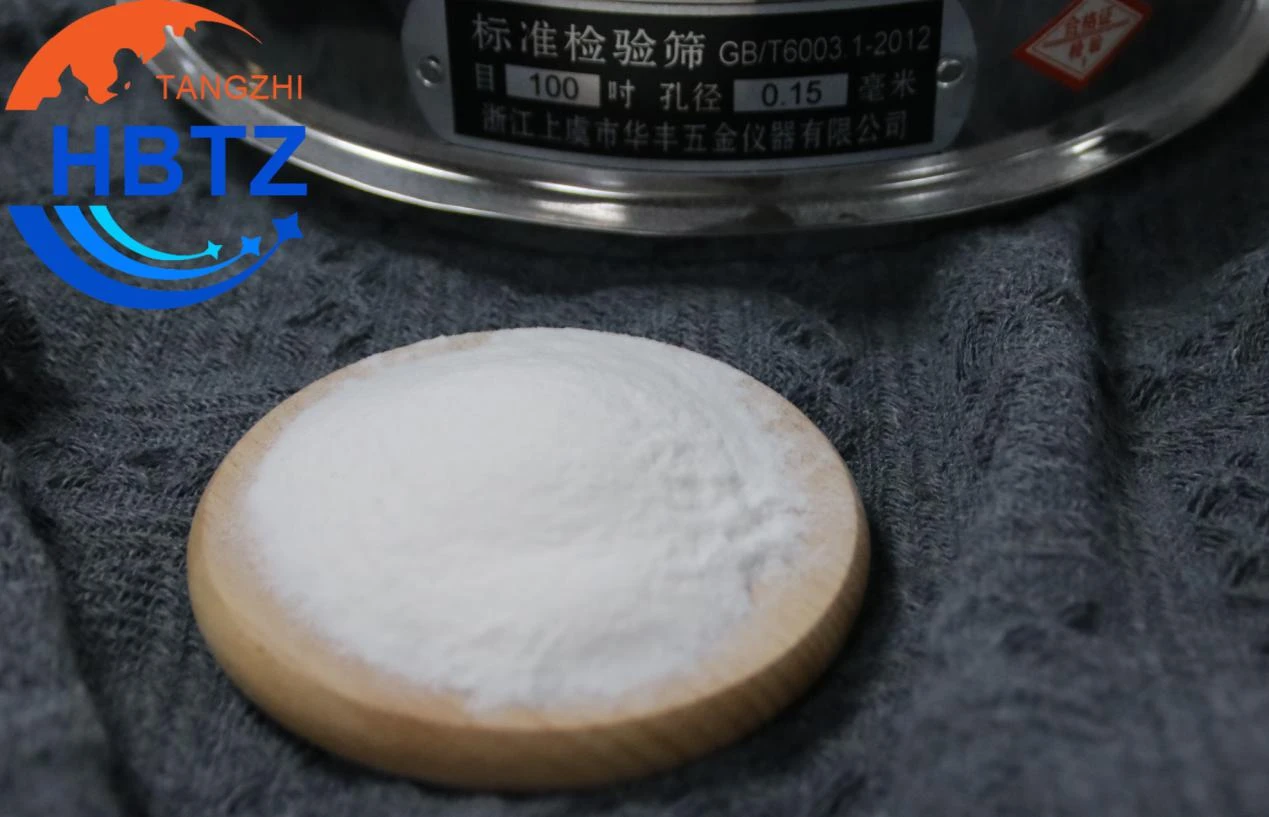
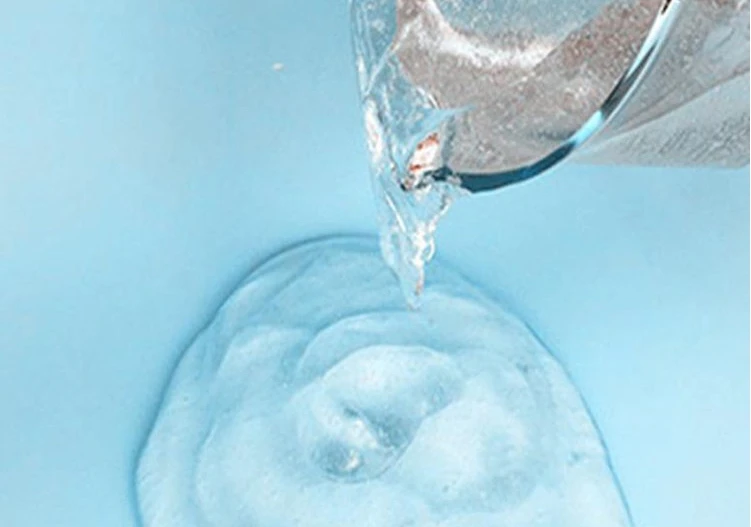
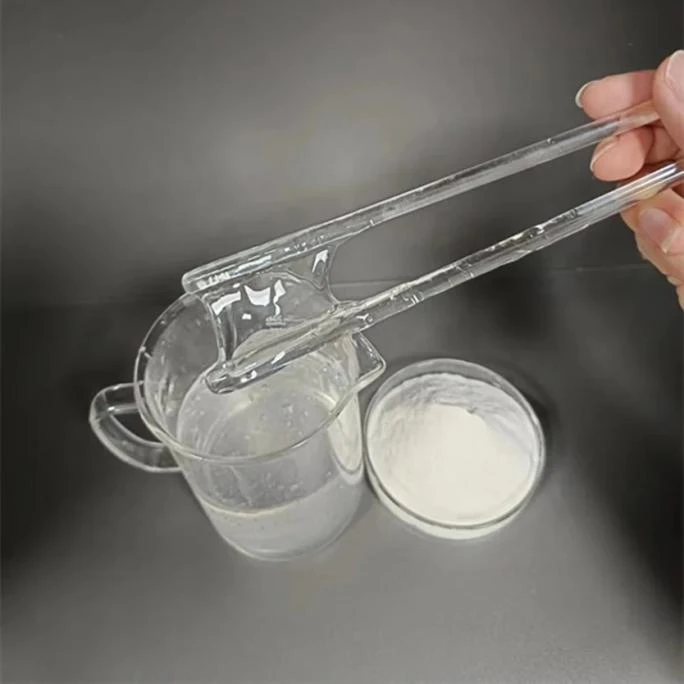
In the world of modern chemical engineering, achieving the perfect balance of viscosity and stability is a constant challenge. cellosize hydroxyethyl cellulose (HEC) has emerged as a premier solution, serving as a non-ionic, water-soluble polymer that provides exceptional thickening and stabilizing properties. Whether it is used in architectural coatings, personal care products, or pharmaceutical formulations, this versatile additive ensures a smooth consistency and enhanced performance. By understanding the chemical nature and application methods of HEC, manufacturers can significantly improve the quality and shelf-life of their end products. This guide explores the technical depths and practical benefits of incorporating this high-performance cellulose ether into your production line.

View More


Industrial Applications and Benefits of nanofibrillar cellulose

In the pursuit of sustainable and high-performance materials, nanofibrillar cellulose has emerged as a revolutionary bio-based polymer. Derived from plant fibers, this nanomaterial offers an extraordinary combination of mechanical strength, transparency, and biocompatibility. As industries shift away from synthetic plastics toward eco-friendly alternatives, understanding the properties and applications of these nano-sized fibrils becomes essential. This guide provides a deep dive into how this material is transforming everything from food packaging to advanced biomedical engineering, ensuring a greener future without compromising on quality.

View More
Comprehensive Guide to Hydroxypropyl Methylcellulose and Its Diverse Applications

Hydroxypropyl methylcellulose (HPMC) is a versatile polymer derived from cellulose, widely utilized across diverse industries – from construction and pharmaceuticals to food and cosmetics. Its unique properties, including thickening, binding, film-forming, and water retention, make it an invaluable ingredient in countless applications. Understanding its characteristics, grades, and benefits is crucial for optimizing product performance. This article provides an in-depth exploration of HPMC, its applications, and how to choose the right grade for your specific needs.

View More
Exploring Cellulose Based Packaging A Sustainable Choice for Businesses

In today's environmentally conscious market, businesses are increasingly seeking sustainable packaging solutions. Cellulose based packaging offers a compelling alternative to traditional plastics, providing both environmental benefits and excellent product protection. This article explores the advantages, applications, and future of this innovative packaging material. Embracing sustainable packaging isn't just good for the planet, it's good for business, enhancing brand image and appealing to eco-conscious consumers.

View More
Comprehensive Guide to MHEC Chemical Properties and Industrial Applications

MHEC (Methyl Hydroxyethyl Cellulose) chemical is a versatile cellulose ether widely used across numerous industries. This water-soluble polymer acts as a thickener, binder, film former, and stabilizer, enhancing product performance in applications ranging from construction to pharmaceuticals. At HPMC Powder, we specialize in high-quality MHEC production, ensuring consistent performance and reliability. Understanding the properties and applications of MHEC is crucial for optimizing its use in your specific needs.

View More
Exploring Cellulose Packaging for Food A Sustainable and Renewable Solution

In today's world, sustainability is no longer a buzzword but a necessity, particularly within the food industry. Consumers are increasingly demanding eco-friendly packaging, pushing manufacturers to explore alternatives to traditional plastics. Cellulose packaging for food emerges as a compelling solution, offering a renewable, biodegradable, and often compostable option. This article delves into the benefits, applications, and innovations surrounding cellulose-based food packaging, providing insights for businesses looking to reduce their environmental footprint.

View More
Comprehensive Guide to Carboxymethyl Cellulose Properties and Industrial Applications

Carboxymethyl cellulose (CMC), a versatile derivative of cellulose, plays a crucial role in diverse industries, from food and pharmaceuticals to detergents and oil drilling. Its unique properties, including thickening, binding, stabilization, and film-forming capabilities, make it an invaluable ingredient. This article will explore the properties, applications, grades, and sourcing of CMC, providing a comprehensive overview for professionals and those seeking to understand this essential compound. Choosing the right grade of CMC is essential for optimal performance in your specific application. CMC is an anionic polysaccharide derived from cellulose. It's produced by chemically modifying cellulose with carboxymethyl groups, introducing negatively charged functional groups. This modification results in a water-soluble polymer with remarkable thickening and stabilizing properties. The degree of substitution (DS), which refers to the average number of carboxymethyl groups per glucose unit in the cellulose chain, significantly influences its characteristics.

View More
Hydroxypropyl Methylcellulose (HPMC): Applications, Grades, and Industrial Insights

Hydroxypropyl methylcellulose, widely known as HPMC, is a versatile cellulose derivative used across industries such as construction, pharmaceuticals, cosmetics, and food.

View More
Hydroxymethyl Ethyl Cellulose (MHEC): Uses, Properties, and Market Insights 

Hydroxymethyl ethyl cellulose, commonly known as MHEC, is a versatile cellulose derivative widely used in construction, pharmaceuticals, and industrial applications.

View More
Hydroxyethyl Methyl Cellulose (HEMC/MHEC): Applications, Pricing, and Industrial Uses 

Hydroxyethyl methyl cellulose, also known as HEMC cellulose or MHEC, is a water-soluble cellulose derivative widely used in construction, pharmaceuticals, and industrial applications.

View More
Hydroxyethyl Cellulose: Versatile Applications in Paint, Cosmetics, and Personal Care 

Hydroxyethyl cellulose (HEC) is a widely used cellulose derivative valued for its thickening, stabilizing, and film-forming properties.

View More
HPMC in Medical and Industrial Applications: Properties, Uses, and Production 

Hydroxypropyl methylcellulose (HPMC) is a versatile cellulose derivative widely used in pharmaceuticals, medical devices, and industrial applications.

View More

If you are interested in our products, you can choose to leave your information here, and we will be in touch with you shortly.