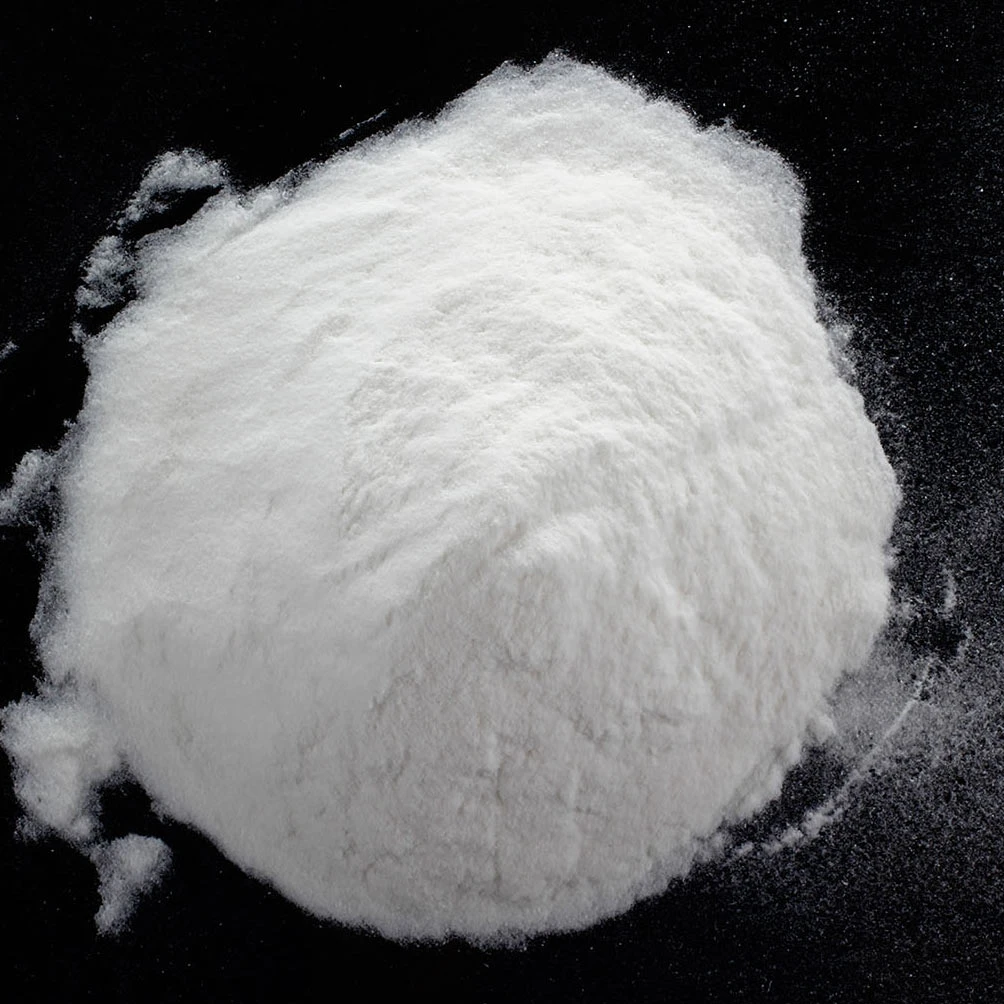
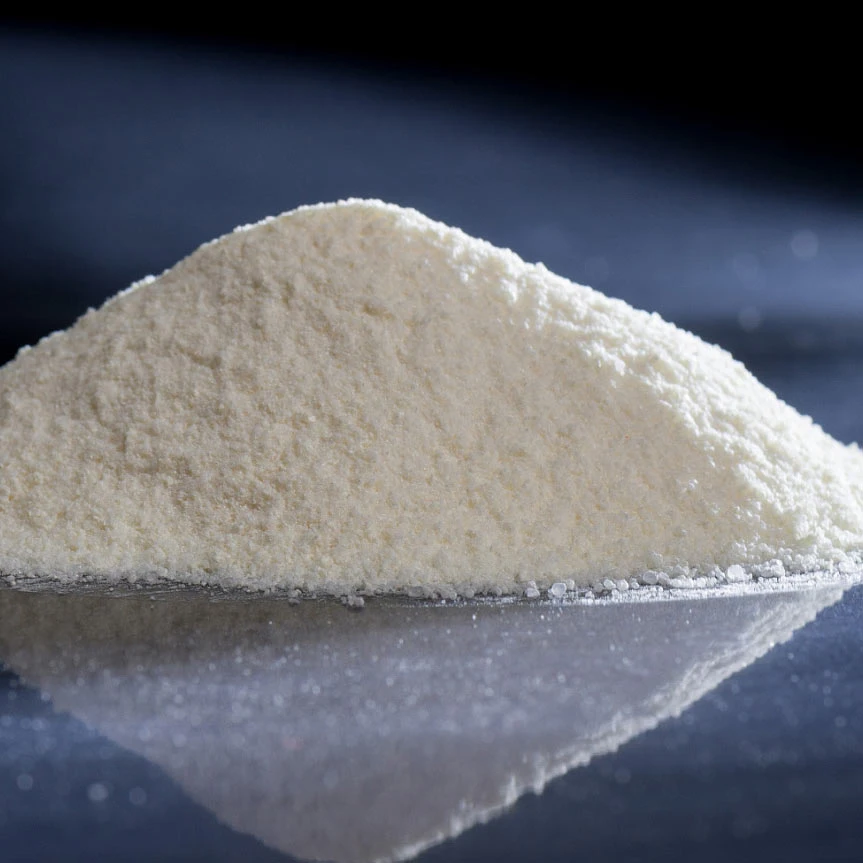
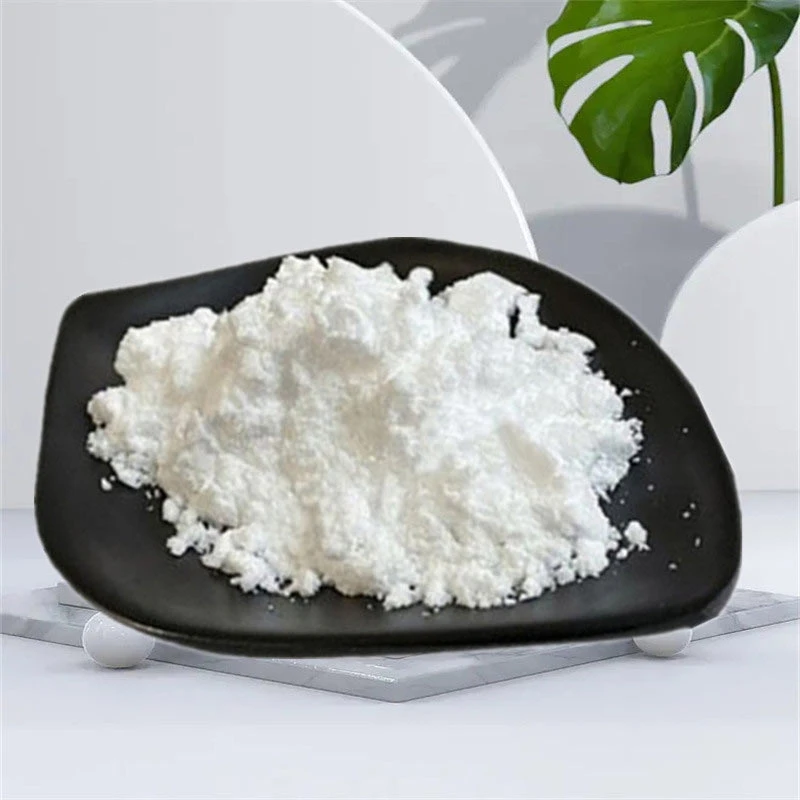
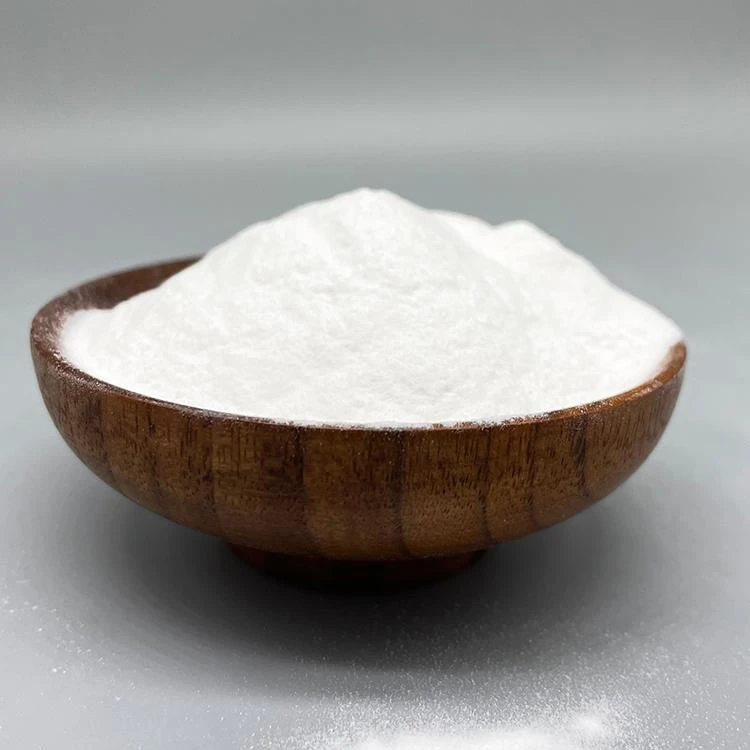
Comprehensive Guide to Carboxymethyl Cellulose Properties and Industrial Applications
Understanding Carboxymethyl Cellulose (CMC): A Comprehensive Guide
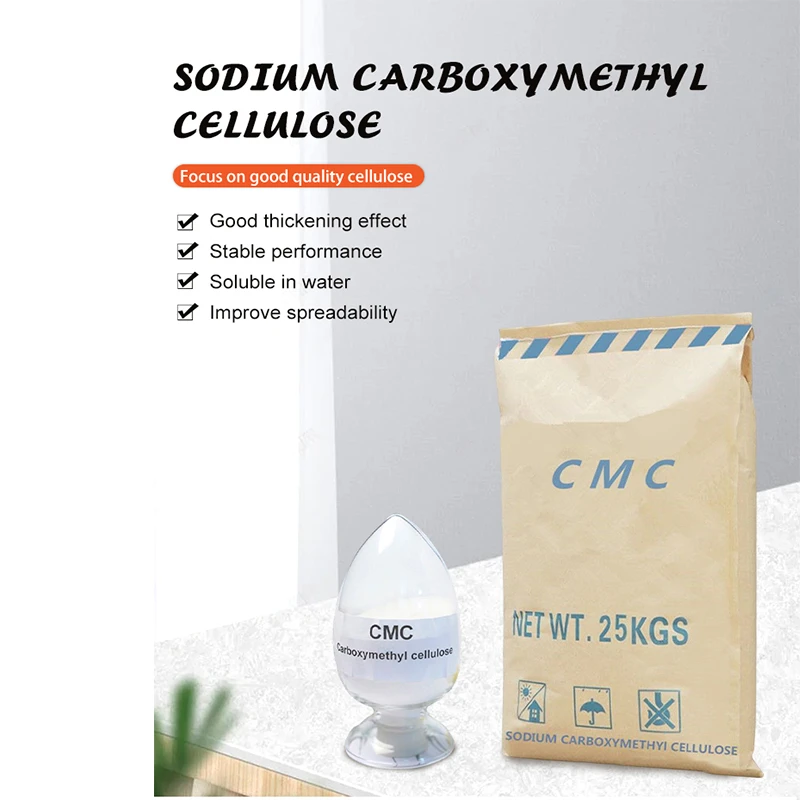
Carboxymethyl cellulose (CMC), a versatile derivative of cellulose, plays a crucial role in diverse industries, from food and pharmaceuticals to detergents and oil drilling. Its unique properties, including thickening, binding, stabilization, and film-forming capabilities, make it an invaluable ingredient. This article will explore the properties, applications, grades, and sourcing of CMC, providing a comprehensive overview for professionals and those seeking to understand this essential compound. Choosing the right grade of CMC is essential for optimal performance in your specific application.

What is Carboxymethyl Cellulose (CMC)?
CMC is an anionic polysaccharide derived from cellulose. It's produced by chemically modifying cellulose with carboxymethyl groups, introducing negatively charged functional groups. This modification results in a water-soluble polymer with remarkable thickening and stabilizing properties. The degree of substitution (DS), which refers to the average number of carboxymethyl groups per glucose unit in the cellulose chain, significantly influences its characteristics. Higher DS generally leads to greater water solubility.
Key Properties: Excellent thickening agent, stabilizer, binder, film-former, and suspending agent. It’s also biocompatible and non-toxic, making it suitable for food and pharmaceutical applications.
Applications of Carboxymethyl Cellulose
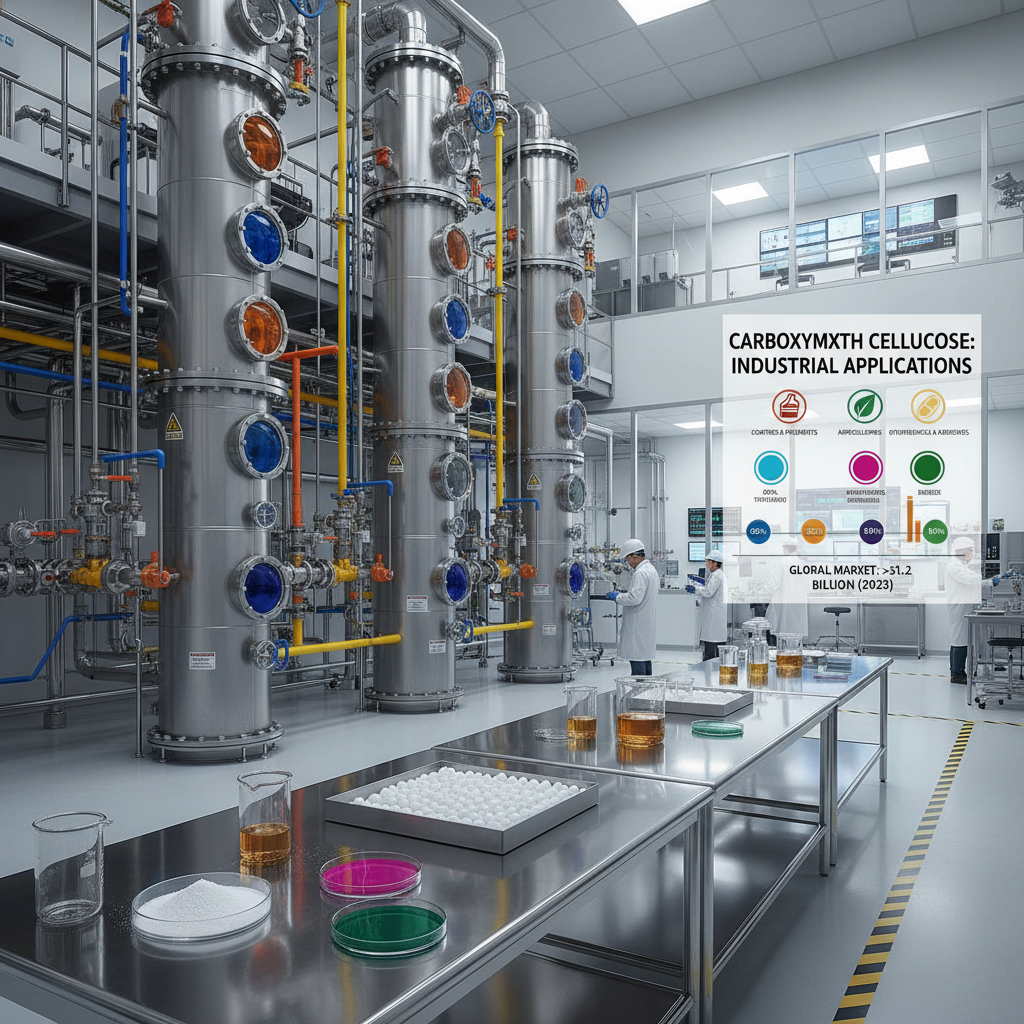
The versatility of CMC leads to its widespread use across numerous industries. In the food industry, it acts as a thickener in sauces, ice cream, and baked goods. Pharmaceuticals utilize CMC as a binder in tablets, a suspending agent in liquid medications, and a viscosity enhancer. The detergent industry employs CMC to prevent soil redeposition during washing. Oil drilling benefits from CMC’s ability to control viscosity in drilling fluids. Other applications include paper production, textiles, adhesives, and even cosmetics. HPMCPowder.com provides a wide range of CMC grades tailored to diverse industrial needs.
Industries Utilizing CMC:
• Food & Beverage
• Pharmaceutical
• Detergents
• Oil & Gas
• Paper Production
CMC Grades and Their Properties
CMC is available in various grades, categorized primarily by their viscosity and degree of substitution. Viscosity, measured in centipoise (cP), indicates the fluid's resistance to flow. Higher viscosity grades provide greater thickening power. The degree of substitution dictates the ionic character and solubility of the CMC. Low-substituted CMC exhibits unique gel-forming properties, while high-substituted CMC is typically more water-soluble and functions as a thickener and stabilizer. Understanding these properties is crucial for selecting the appropriate grade for a specific application. The following table provides a general overview.
Sourcing High-Quality Carboxymethyl Cellulose
When sourcing CMC, it’s crucial to partner with a reputable supplier that consistently delivers high-quality products. Consider factors like purity, viscosity consistency, particle size, and adherence to relevant industry standards (e.g., FCC, USP). HPMC Powder offers a comprehensive range of CMC grades, backed by stringent quality control measures and competitive pricing. We provide detailed specifications and technical support to ensure you select the optimal grade for your application.
The Future of CMC Applications
Ongoing research continues to uncover new applications for CMC. Areas of exploration include its use in biomedical engineering (e.g., drug delivery systems, wound dressings), sustainable packaging materials, and enhanced oil recovery techniques. As demand for environmentally friendly and versatile polymers grows, CMC is poised to play an increasingly significant role across various industries.
Conclusion: A Versatile Polymer for a Wide Range of Needs
Carboxymethyl cellulose stands as a testament to the power of polymer chemistry, offering a diverse array of solutions for numerous industrial challenges. Its unique properties, coupled with its affordability and availability, make it an indispensable ingredient for manufacturers worldwide. HPMC Powder is your trusted partner for sourcing high-quality CMC tailored to your specific requirements. Explore our range today and discover how CMC can enhance your products and processes.
Frequently Asked Questions (FAQs)
What factors affect the solubility of CMC?
The solubility of CMC is primarily influenced by the degree of substitution (DS), molecular weight, and the presence of multivalent ions. Higher DS generally leads to better solubility in cold water. Lower molecular weight CMC tends to dissolve more easily. Multivalent ions (e.g., calcium, magnesium) can reduce solubility by crosslinking the CMC chains. Water temperature and pH also play a role; CMC typically dissolves best in cold or warm water with a neutral pH. Proper mixing and dispersion are crucial for achieving complete dissolution.
Is CMC safe for use in food products?
Yes, CMC is generally recognized as safe (GRAS) by regulatory bodies like the FDA for use in food products. It's non-toxic and doesn't significantly contribute to caloric intake. It is widely used as a thickener, stabilizer, and emulsifier in various food applications, including sauces, dressings, baked goods, and dairy products. However, it's important to adhere to recommended usage levels outlined by food safety regulations.
How should I store Carboxymethyl Cellulose?
CMC should be stored in a cool, dry, and well-ventilated area, away from direct sunlight and moisture. It's best to keep it in its original, tightly sealed container to prevent contamination and maintain its quality. Exposure to high humidity can lead to clumping and reduced solubility. Proper storage is crucial for ensuring the long-term stability and performance of the product.
What are the environmental considerations related to CMC production?
CMC is derived from cellulose, a renewable resource. However, the production process involves the use of chemicals, including sodium hydroxide and monochloroacetic acid. Responsible manufacturers are increasingly adopting sustainable practices to minimize environmental impact, such as optimizing chemical usage, recovering and reusing byproducts, and treating wastewater effectively. Choosing suppliers committed to sustainable manufacturing processes is important.
-
Industrial Guide to Cellosize Hydroxyethyl Cellulose ApplicationsNewsApr.16,2026
-
Industrial Applications and Benefits of nanofibrillar celluloseNewsApr.09,2026
-
Comprehensive Guide to Hydroxypropyl Methylcellulose and Its Diverse ApplicationsNewsApr.07,2026
-
Exploring Cellulose Based Packaging A Sustainable Choice for BusinessesNewsApr.04,2026
-
Comprehensive Guide to MHEC Chemical Properties and Industrial ApplicationsNewsMar.31,2026
-
Exploring Cellulose Packaging for Food A Sustainable and Renewable SolutionNewsMar.28,2026