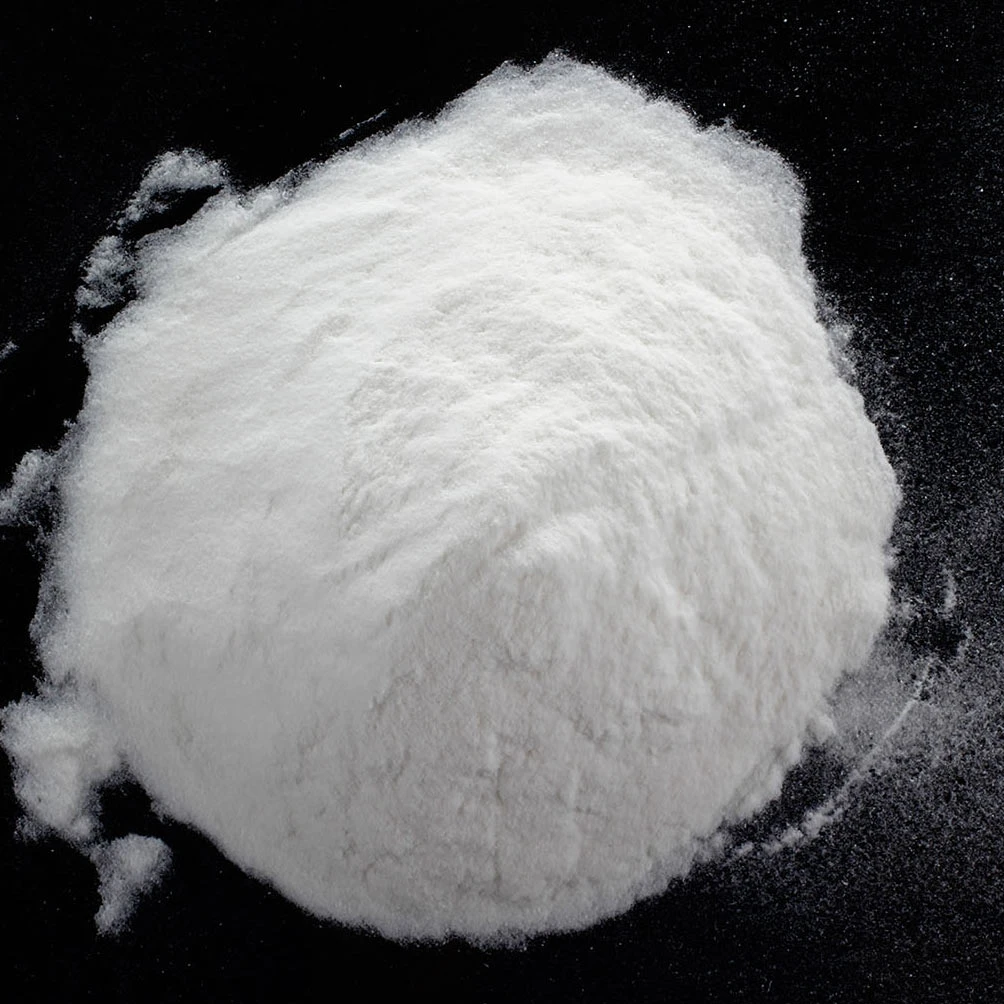
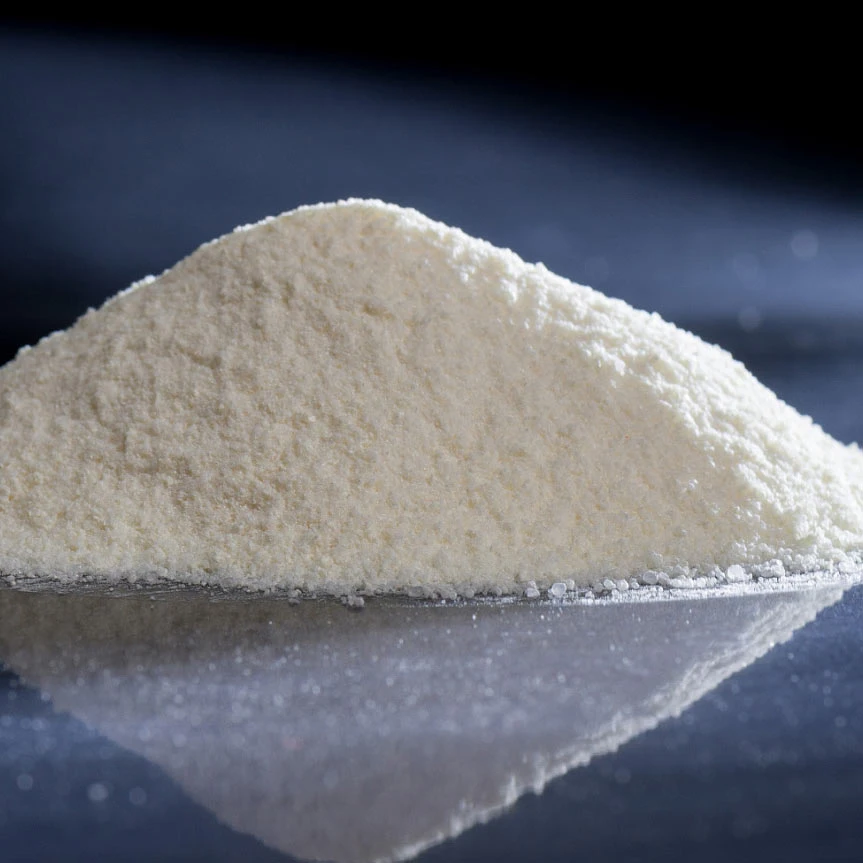
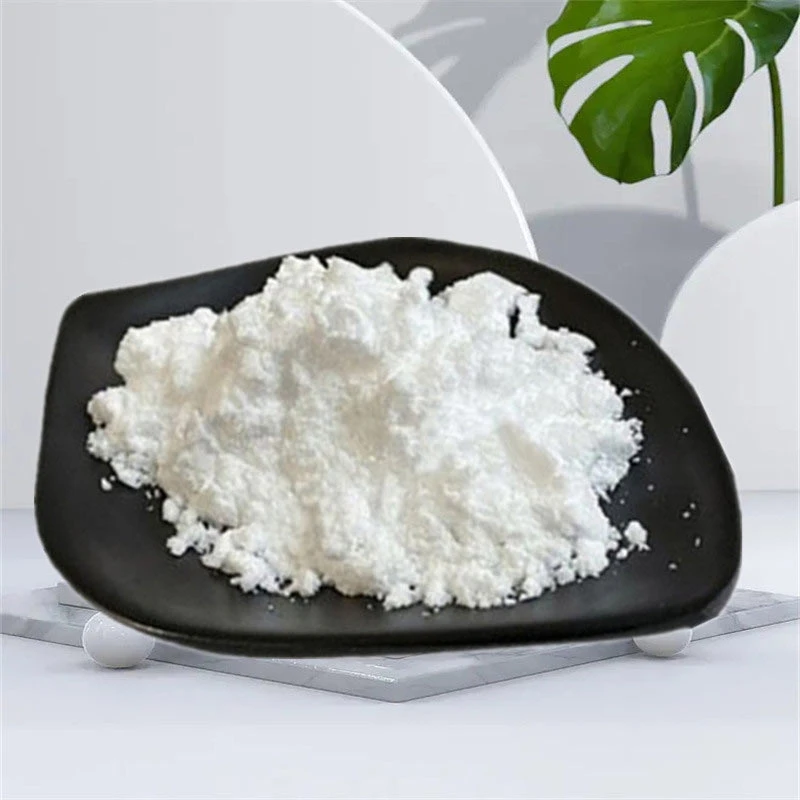
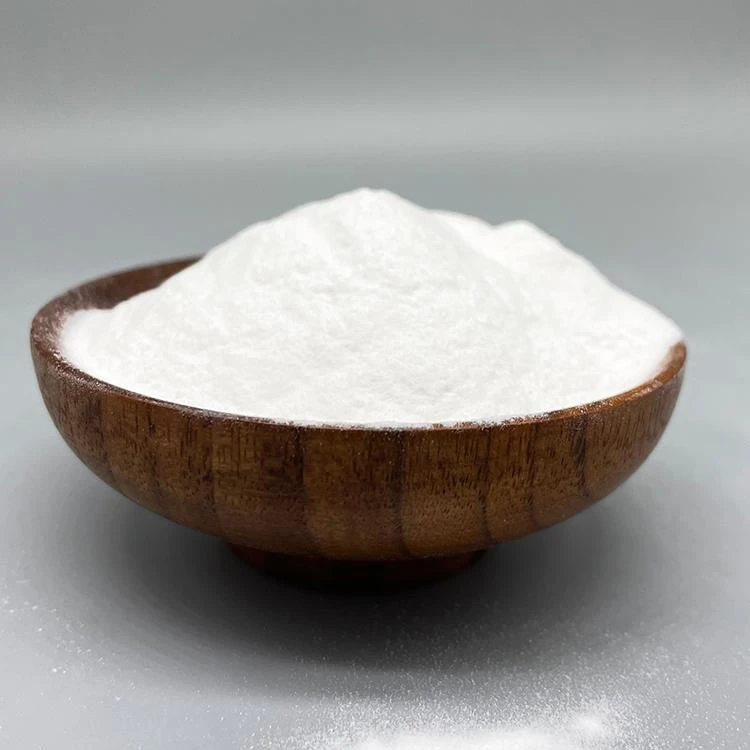
Industrial Guide to Cellosize Hydroxyethyl Cellulose Applications
The Ultimate Guide to Cellosize Hydroxyethyl Cellulose in Industrial Applications
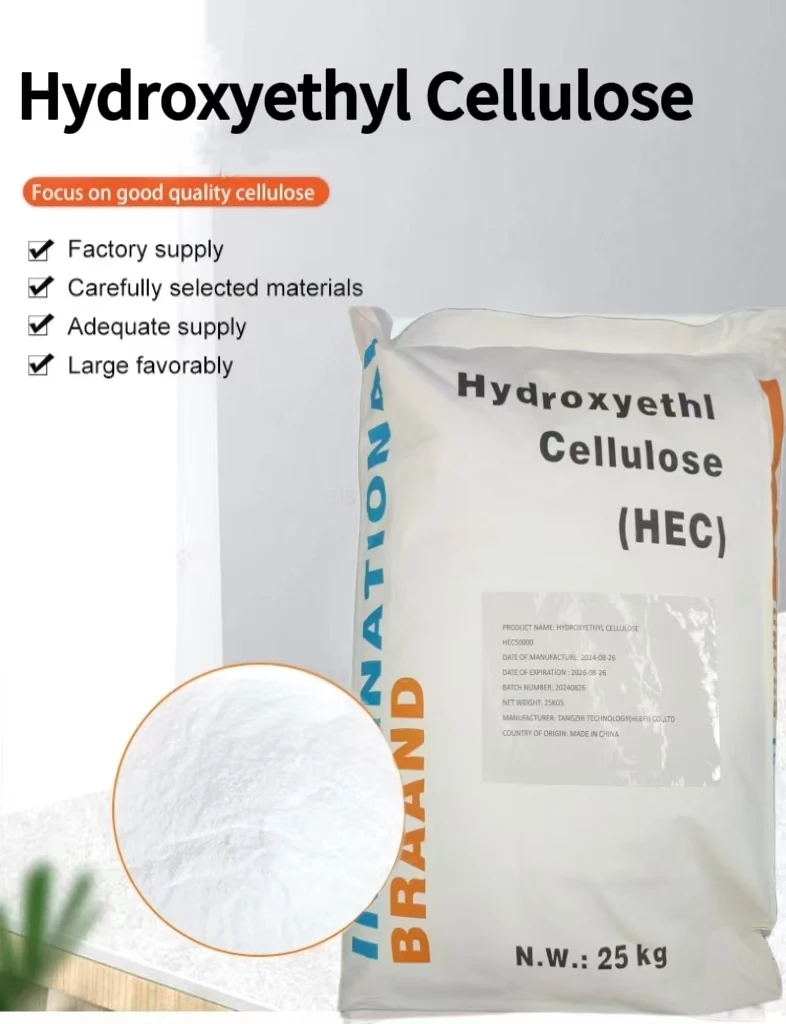
In the world of modern chemical engineering, achieving the perfect balance of viscosity and stability is a constant challenge. cellosize hydroxyethyl cellulose (HEC) has emerged as a premier solution, serving as a non-ionic, water-soluble polymer that provides exceptional thickening and stabilizing properties. Whether it is used in architectural coatings, personal care products, or pharmaceutical formulations, this versatile additive ensures a smooth consistency and enhanced performance. By understanding the chemical nature and application methods of HEC, manufacturers can significantly improve the quality and shelf-life of their end products. This guide explores the technical depths and practical benefits of incorporating this high-performance cellulose ether into your production line.

Understanding the Chemical Properties of Cellosize Hydroxyethyl Cellulose
At its core, cellosize hydroxyethyl cellulose is derived from cellulose, the most abundant organic polymer on Earth. Through a process of etherification, hydroxyethyl groups are introduced to the cellulose backbone, rendering the polymer soluble in water. Unlike other cellulose ethers, HEC is non-ionic, meaning it remains stable across a wide range of pH levels and is compatible with both anionic and cationic surfactants. This chemical neutrality prevents unwanted reactions in complex formulations, making it an ideal thickener for sensitive emulsions. Its ability to form a clear, colorless solution also ensures that the aesthetic quality of the final product is not compromised.
Technical Highlight: Because it is non-ionic, HEC is particularly resistant to salt contamination and exhibits excellent stability in high-electrolyte environments compared to traditional thickeners.
Key Advantages of Using Cellosize Hydroxyethyl Cellulose in Coatings
In the paint and coatings industry, the performance of a product is often judged by its "flow" and "leveling." The addition of cellosize hydroxyethyl cellulose provides a pseudoplastic behavior, meaning the viscosity decreases under shear (like brushing or spraying) and increases once the application stops. This prevents sagging on vertical surfaces while ensuring a smooth, drip-free finish. Additionally, it acts as a water-retention agent, slowing down the drying process of the paint film. This allows for better penetration into the substrate and reduces the likelihood of cracking or peeling, significantly increasing the durability of the architectural coating.
Coating Performance Benefits:
• Enhanced Sag Resistance: Prevents paint from running down walls.
• Improved Leveling: Eliminates brush marks for a professional finish.
• Superior Water Retention: Ensures uniform drying and better adhesion.
• High Compatibility: Works seamlessly with various pigments and binders.
Comparing Cellosize Hydroxyethyl Cellulose with Other Thickeners
When selecting a thickening agent, formulators often choose between HEC, HPMC, and CMC. While all are cellulose-based, cellosize hydroxyethyl cellulose offers specific advantages in terms of clarity and pH stability. For instance, CMC is anionic and can be sensitive to certain ions, whereas HEC remains indifferent. Compared to HPMC, HEC often provides a more consistent viscosity profile in high-temperature environments. The following table illustrates the primary differences to help you make an informed decision based on your specific product requirements.
Application Methods for Cellosize Hydroxyethyl Cellulose
To achieve the maximum efficiency of cellosize hydroxyethyl cellulose, proper dispersion is critical. Because HEC can form "fish-eyes" (clumps of undissolved powder) if added too quickly to water, a controlled addition method is recommended. Many formulators use a high-shear mixer to ensure the powder is evenly distributed. Depending on the grade, HEC may be dispersed in water at a high pH (using a small amount of NaOH) to accelerate dissolution, after which the pH is adjusted back to the desired level. This process ensures a completely transparent and homogeneous gel, which is essential for high-end cosmetics and clear architectural glazes.
Technical Specifications of Cellosize Hydroxyethyl Cellulose
Selecting the right grade of cellosize hydroxyethyl cellulose depends on the required final viscosity. The industry offers various viscosity grades, typically measured in centipoise (cP) or mPa·s. High-viscosity grades are preferred for heavy-duty gels and thick paints, while low-viscosity grades are used in serums and light lotions. Below are the standard technical specifications typically found in high-quality HEC products to guide your procurement process.
Conclusion: Optimizing Production with Cellosize Hydroxyethyl Cellulose
The strategic use of cellosize hydroxyethyl cellulose allows manufacturers to achieve superior control over the rheology of their products. From enhancing the stability of emulsions to improving the application properties of industrial coatings, HEC stands out as a reliable, high-performance thickener. By selecting the appropriate viscosity grade and employing correct dispersion techniques, businesses can ensure a high-quality end result that meets consumer expectations and industry standards. For those seeking stability, clarity, and versatility, HEC is an indispensable tool in the chemical formulator's toolkit.
Frequently Asked Questions (FAQs)
How do I prevent clumps when mixing Cellosize HEC?
Preventing "fish-eyes" is the most common challenge when working with cellosize hydroxyethyl cellulose. To avoid clumps, we recommend slowly adding the powder into the water while using a high-shear mixer. Alternatively, you can pre-disperse the HEC in a small amount of solvent or glycol before adding it to the water phase. Another effective method is to adjust the water pH to a slightly alkaline level (pH 8-9) to encourage rapid dissolution, then neutralizing it once the solution is clear. Proper agitation and controlled addition are the keys to a smooth, lump-free gel.
Is HEC compatible with all types of surfactants?
Yes, one of the greatest strengths of cellosize hydroxyethyl cellulose is its non-ionic nature. Unlike anionic thickeners (like CMC), HEC does not carry an electrical charge. This means it does not react with either anionic or cationic surfactants, making it compatible with almost all surface-active agents used in soaps, shampoos, and industrial cleaners. This versatility allows formulators to choose the most effective surfactant for cleaning or foaming without worrying about destabilizing the viscosity provided by the HEC.
What is the difference between HEC and HPMC in terms of usage?
While both are non-ionic cellulose ethers, they serve slightly different primary roles. HPMC (Hydroxypropyl Methylcellulose) is often praised for its superior water retention and is widely used in tile adhesives and mortars. HEC (cellosize hydroxyethyl cellulose), however, is generally preferred for applications where high solution clarity and precise rheology control are required, such as in clear gels, paints, and personal care products. HEC typically provides a more stable viscosity across a wider temperature range in aqueous solutions compared to HPMC.
Can HEC be used in organic solvents?
Standard cellosize hydroxyethyl cellulose is specifically designed to be water-soluble. It is not soluble in pure organic solvents. However, it is highly effective in water-based systems that contain organic co-solvents (like alcohols or glycol ethers), which are common in paint and cosmetic formulations. If your application requires a thickener for a 100% solvent-based system, you would need a different class of polymer, such as a solvent-grade acrylic or a specialized cellulose derivative designed for non-aqueous environments.
-
Industrial Applications and Benefits of nanofibrillar celluloseNewsApr.09,2026
-
Comprehensive Guide to Hydroxypropyl Methylcellulose and Its Diverse ApplicationsNewsApr.07,2026
-
Exploring Cellulose Based Packaging A Sustainable Choice for BusinessesNewsApr.04,2026
-
Comprehensive Guide to MHEC Chemical Properties and Industrial ApplicationsNewsMar.31,2026
-
Exploring Cellulose Packaging for Food A Sustainable and Renewable SolutionNewsMar.28,2026