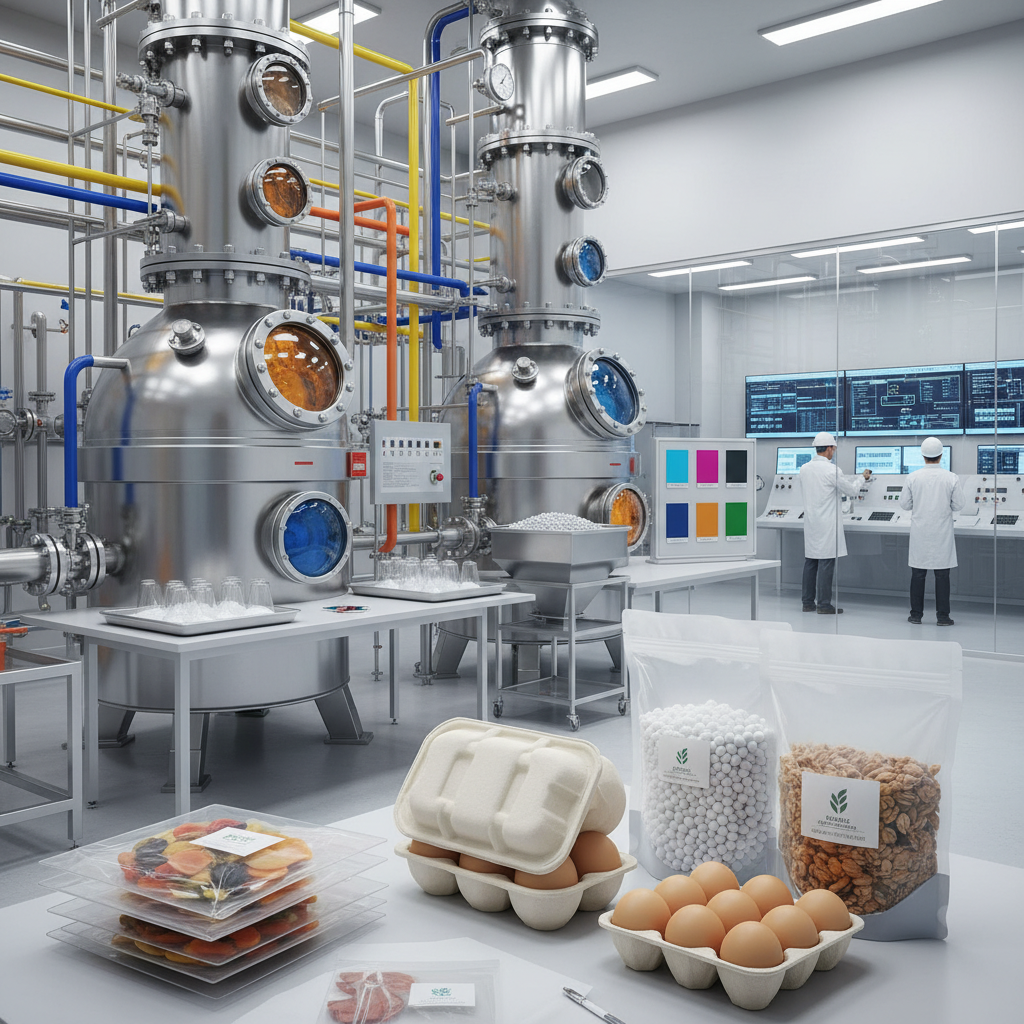
The global push toward sustainability has catalyzed a paradigm shift in the packaging industry, leading to the rapid adoption of cellulose food packaging as a viable alternative to conventional petroleum-based plastics. As consumers and regulators demand a reduction in single-use plastics, the utilization of plant-based polymers derived from cellulose offers a promising path toward a circular economy, combining functional durability with environmental responsibility.
From a technical perspective, the versatility of cellulose allows it to be engineered into various forms, including transparent films, rigid containers, and breathable wraps, making it suitable for a wide array of food products. The ability to modify these materials to control oxygen and moisture permeability ensures that food freshness is maintained without compromising the ecological footprint of the packaging process.
Understanding the intricacies of cellulose food packaging is no longer just an academic exercise for chemical engineers; it is a commercial necessity for food producers worldwide. By leveraging advanced cellulose derivatives, brands can enhance their corporate social responsibility (CSR) profiles while ensuring that their logistical chains remain efficient and their products remain safe.
The Global Context of Cellulose Food Packaging
The surge in cellulose food packaging is deeply rooted in a global environmental crisis. According to data from the UN Environment Programme, millions of tons of plastic waste enter the oceans annually, much of it originating from food wraps and containers. This systemic failure of waste management has forced the industry to look toward bio-polymers that can degrade naturally without leaving microplastic residues.
Consequently, regulatory bodies such as the EU with its "Single-Use Plastics Directive" are mandating a transition toward biodegradable materials. This shift creates a significant opportunity for the chemical manufacturing sector to innovate in the production of cellulose ethers and modified celluloses that can mimic the barrier properties of plastic while remaining completely compostable.
Defining Cellulose-Based Food Packaging Systems
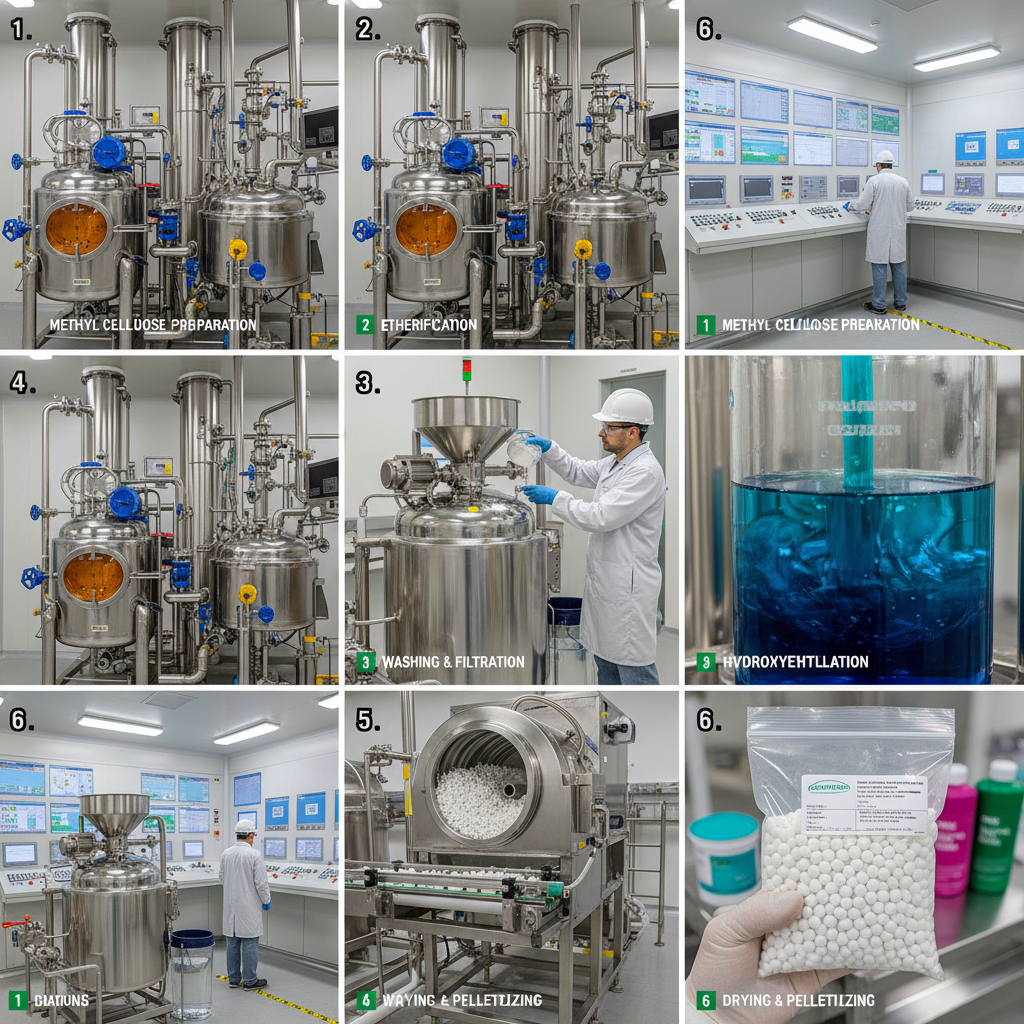
At its core, cellulose food packaging refers to materials derived from the structural component of plant cell walls. Through various chemical processes—such as regeneration or etherification—natural cellulose is transformed into films, fibers, or foams that are specifically engineered to interact with food products without leaching harmful chemicals.
Unlike simple paper packaging, modern cellulose systems involve sophisticated chemistry to enhance strength and moisture resistance. By integrating cellulose derivatives like HPMC or CMC, manufacturers can create packaging that is not only biodegradable but also provides a precise gas barrier, extending the shelf life of perishable goods in a way that traditional bio-plastics often fail to do.
This technological bridge between raw nature and industrial utility addresses a critical humanitarian need: reducing the toxic load on the global food chain. By replacing endocrine-disrupting chemicals found in some plastics with bio-inert cellulose, the industry ensures that food safety is prioritized alongside environmental health.
Core Components of High-Performance Cellulose Packaging
To achieve industrial viability, cellulose food packaging relies on specific structural modifications. One primary component is the control of crystallinity, which dictates the mechanical strength and transparency of the resulting film, ensuring that the consumer can see the product while the package remains tear-resistant.
Furthermore, the integration of hydrophobic coatings is essential for cellulose food packaging to prevent water vapor from compromising the structural integrity of the pack. This is often achieved through the use of specialized cellulose ethers that provide a water-repellent layer without hindering the compostability of the material.
Scalability and cost-efficiency are also core drivers. By utilizing agricultural waste—such as corn stover or wheat straw—as a source of cellulose, the production of these packaging materials becomes a value-added process for farmers, reducing the reliance on virgin forest pulp and lowering the overall carbon footprint of the supply chain.
Key Performance Indicators for Cellulose Food Packaging
Evaluating the success of cellulose food packaging requires a multi-dimensional analysis of its physical properties. Key metrics include the Oxygen Transmission Rate (OTR) and Water Vapor Transmission Rate (WVTR), which determine how well the packaging protects food from oxidation and dehydration.
Beyond chemical barriers, the tensile strength and flexibility of the material must be balanced to prevent breakage during transport while allowing for easy opening by the end consumer. The following chart illustrates how different cellulose-based methods compare across critical performance metrics.
Comparative Performance of Cellulose Food Packaging Methods
Global Applications and Industry Use Cases
In real-world scenarios, cellulose food packaging is being deployed across diverse sectors. In the European organic food market, cellulose films are widely used for wrapping fresh produce, providing the necessary breathability to prevent mold growth while maintaining a professional, transparent appearance.
Moreover, in remote industrial zones or post-disaster relief operations, molded cellulose containers are utilized for emergency food rations. These containers are highly durable, provide thermal insulation for warmed meals, and can be safely discarded in the environment without creating long-term pollution in sensitive ecosystems.
Long-Term Value and Sustainability Advantages
The long-term value of adopting cellulose food packaging extends beyond mere compliance with environmental laws. It fosters a deep sense of trust between the brand and the consumer, as the transition to bio-materials is seen as a tangible commitment to the planet's health rather than a superficial marketing gesture.
Economically, the shift reduces the risk of "plastic taxes" and potential litigation related to plastic pollution. By investing in cellulose technology now, companies secure their supply chains against the volatility of petroleum prices, moving toward a more stable, plant-based raw material source.
Socially, the use of cellulose promotes the development of sustainable forestry and agricultural practices. This creates a virtuous cycle where the demand for packaging drives the restoration of biodiversity and the implementation of regenerative farming techniques across the globe.
Future Innovations in Cellulose Packaging Technology
Looking ahead, the integration of "Active Packaging" into cellulose food packaging is a primary area of innovation. Researchers are developing cellulose matrices embedded with natural antimicrobial agents, such as essential oils or silver nanoparticles, which actively inhibit bacterial growth and further extend food shelf life.
Digital transformation is also playing a role, with the incorporation of biodegradable sensors into cellulose films. These sensors can change color when food begins to spoil, providing a real-time safety indicator to consumers and significantly reducing food waste at the retail and household levels.
Automation in the manufacturing process is further reducing the cost of these materials. Advanced 3D printing of cellulose-based hydrogels is allowing for the creation of custom-shaped, high-barrier containers that optimize space in logistics and reduce the amount of material required for each unit.
Analysis of Cellulose Packaging Innovation Trends
| Technology Type |
Primary Benefit |
Market Readiness |
Environmental Impact |
| Nanocellulose Films |
Superior Gas Barrier |
Medium |
Low Carbon |
| Antimicrobial Cellulose |
Extended Shelf Life |
Early Stage |
Biodegradable |
| Molded Pulp Fiber |
Structural Rigidity |
High |
Fully Compostable |
| Cellulose-Ether Coating |
Water Resistance |
High |
Eco-friendly |
| Intelligent Sensors |
Freshness Monitoring |
Prototype |
Waste Reducing |
| Bio-composite Foams |
Thermal Insulation |
Medium |
Renewable |
FAQS
It depends on the specific modification. Pure cellulose and certain cellulose ethers are home-compostable. However, some high-barrier cellulose films require industrial composting facilities (higher temperatures) to break down fully. Always check the certification (e.g., TUV OK Compost) to ensure the product matches your disposal method.
Cellulose typically offers better oxygen barrier properties and a more natural "feel" than Polylactic Acid (PLA). While PLA is often more transparent and rigid, cellulose is generally more breathable and degrades more readily in a wider variety of environmental conditions, making it a superior choice for certain fresh food applications.
Modified cellulose, particularly molded pulp and certain treated cellulose films, can handle significant heat. However, for microwave use, the packaging must be specifically engineered to avoid deformation and ensure no additives migrate into the food. Many cellulose-based trays are now designed specifically for heat-and-eat applications.
Not necessarily. The industry is moving toward "second-generation" cellulose, which uses agricultural residues (wheat, corn, rice husks) or FSC-certified sustainable forests. By utilizing waste streams, cellulose food packaging can actually reduce the pressure on primary forests compared to traditional paper production.
The transition involves "barrier layering." By combining cellulose with other bio-polymers or utilizing nanocellulose coatings, manufacturers can achieve a moisture and oxygen barrier equivalent to plastic. Expert consultation on material science is recommended to match the specific permeability needs of the food product with the right cellulose derivative.
Currently, cellulose can be slightly more expensive due to smaller production scales. However, as adoption grows and "plastic taxes" increase, the total cost of ownership—including waste management and regulatory compliance—makes cellulose an economically attractive and lower-risk long-term investment for global brands.
Conclusion
The transition toward cellulose food packaging represents a critical intersection of chemical innovation and environmental stewardship. By transforming plant-based polymers into high-performance barriers, the industry is effectively decoupling food preservation from plastic pollution. From the use of nanocellulose for oxygen barriers to the implementation of compostable molded pulps, the versatility of cellulose ensures that safety, durability, and sustainability can coexist.
Looking forward, the continued evolution of active and intelligent cellulose materials will further revolutionize how we store and consume food. For manufacturers and brands, the adoption of these bio-materials is not merely a trend but a strategic imperative to remain competitive in a green economy. We encourage industry leaders to explore these advanced materials to build a cleaner, safer food supply chain. Visit our website: www.hpmcpowder.com