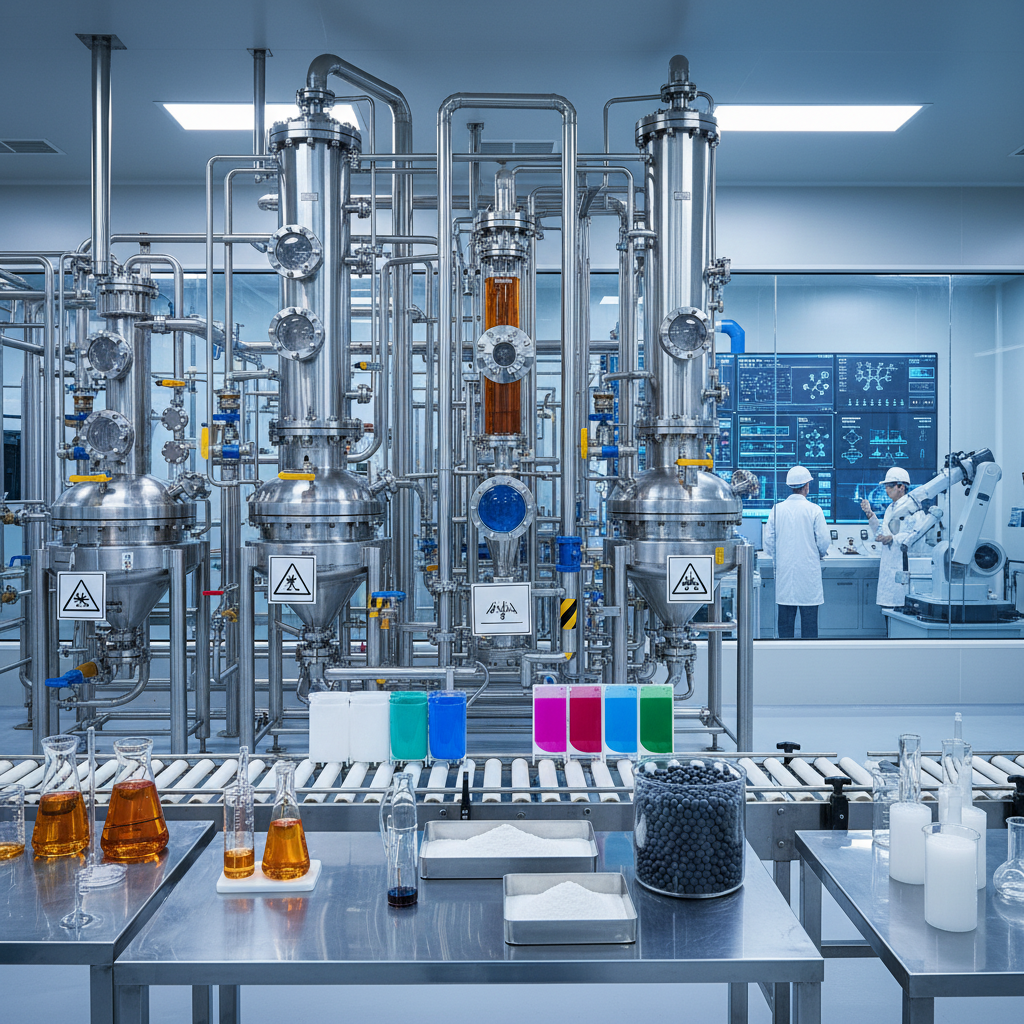
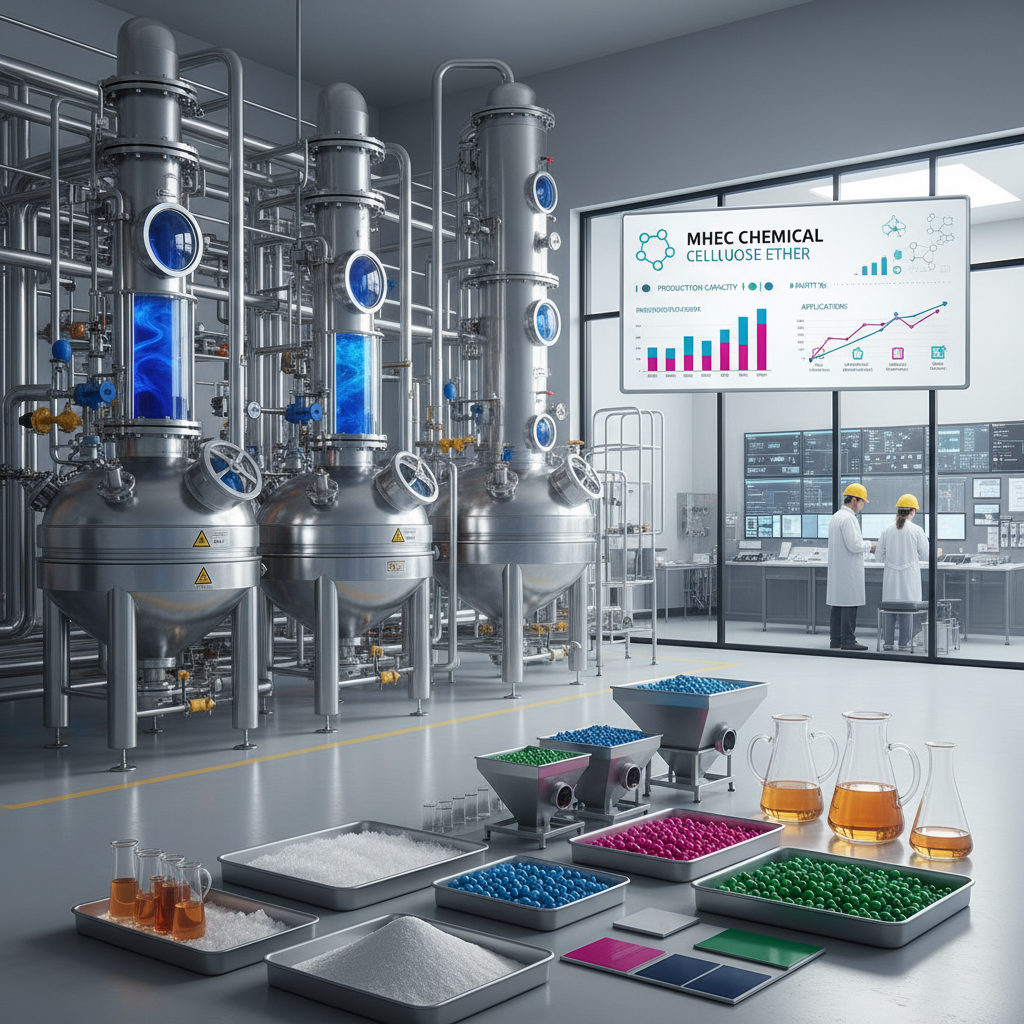
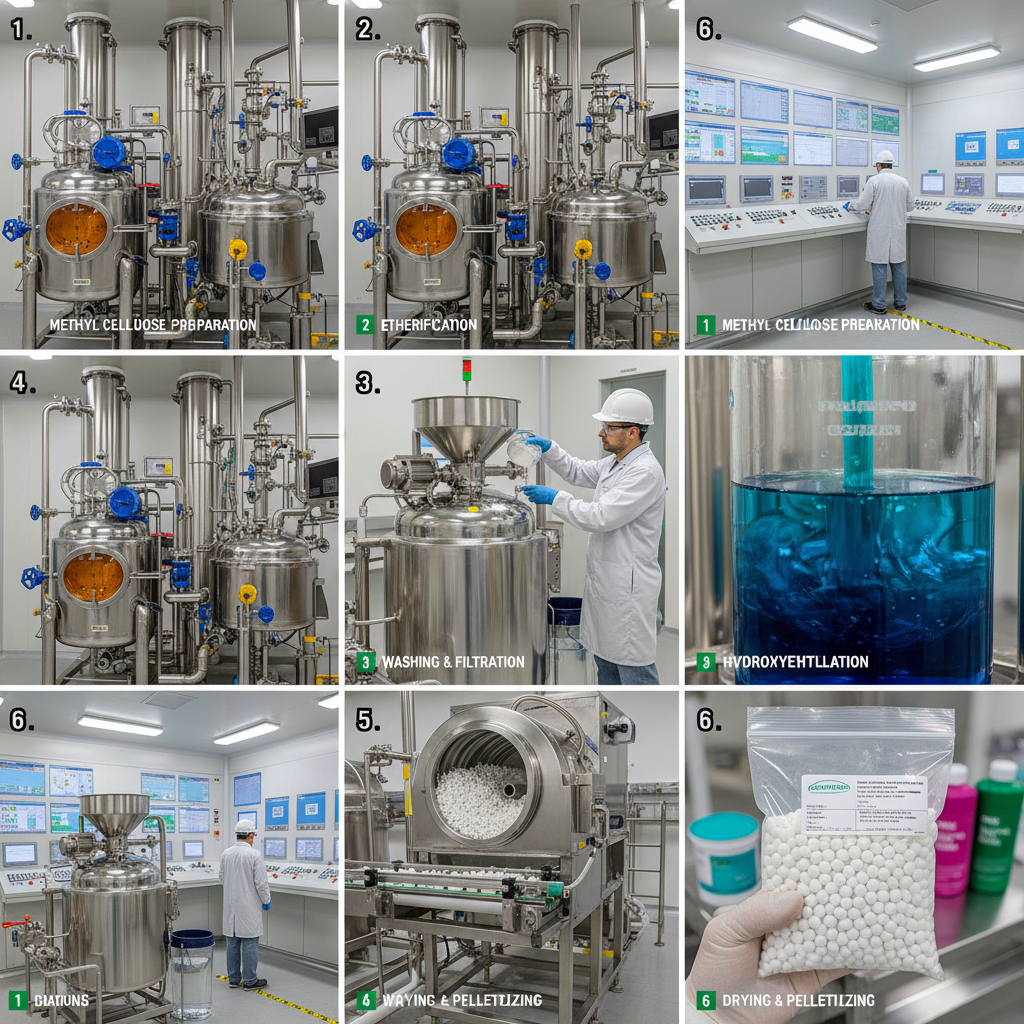
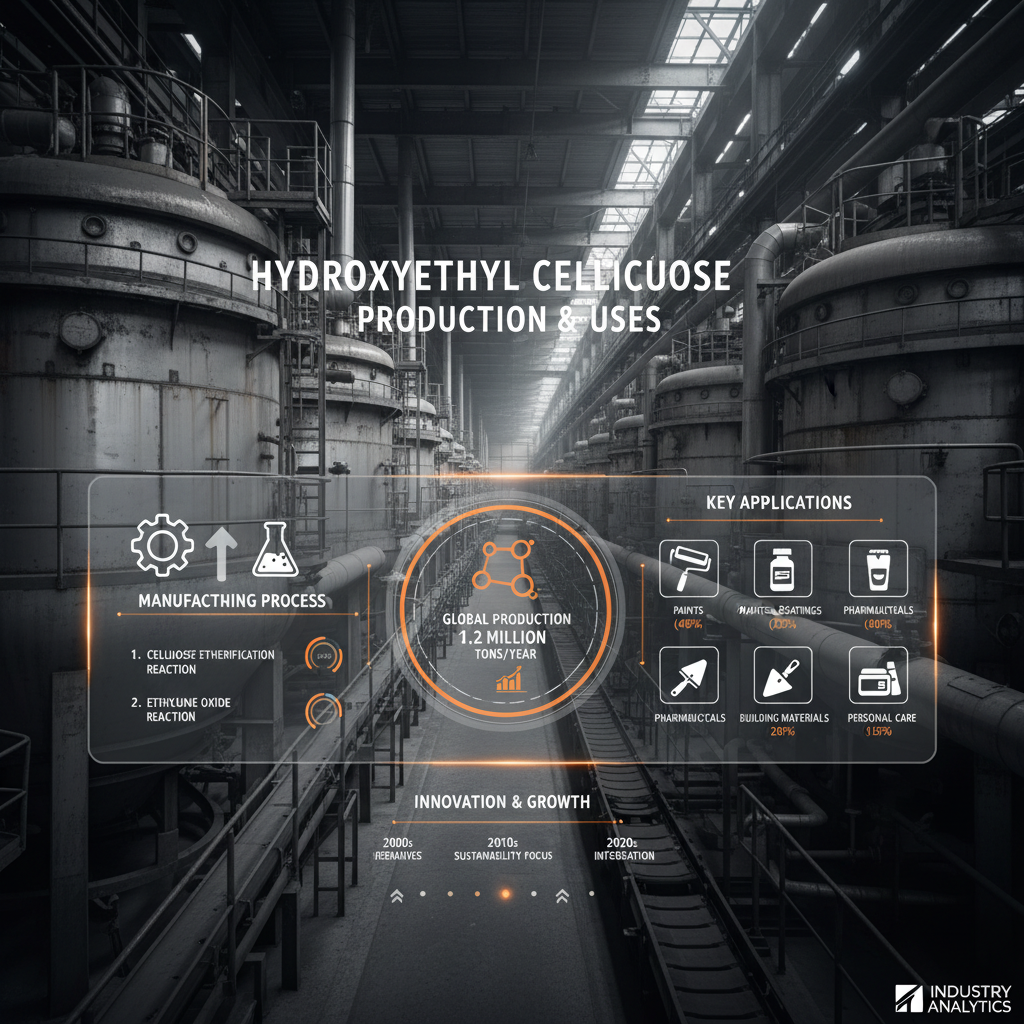
mhec chemical, or methyl hydroxyethyl cellulose, is a versatile polymer increasingly crucial in a diverse range of applications, from construction materials to pharmaceutical formulations. Its unique properties, derived from cellulose, a naturally abundant resource, make it a sustainable and effective ingredient in numerous industrial processes. Understanding mhec chemical is paramount for innovation and optimization in industries striving for improved performance and environmental responsibility.
Globally, the demand for mhec chemical is experiencing substantial growth, fueled by burgeoning construction sectors in emerging economies and the increasing sophistication of specialty chemical applications. The market is driven by a need for effective water retention agents, thickeners, and binders. This growth is supported by continuous research and development efforts focused on enhancing the performance and broadening the application scope of mhec chemical.
The rising emphasis on sustainable building practices and environmentally friendly formulations further propels the adoption of mhec chemical. Its biodegradability and non-toxicity offer a compelling alternative to petroleum-based polymers, aligning with global trends towards greener solutions. This positions mhec chemical as a key component in future-proofing industries against increasingly stringent environmental regulations and consumer demands.
Introduction to mhec chemical
mhec chemical serves as a critical ingredient across a wide spectrum of industrial applications, improving performance and sustainability. Its ability to modify rheology, enhance water retention, and act as a stabilizer makes it invaluable in formulations across construction, paints, coatings, and beyond. mhec chemical plays a pivotal role in modern product development.
The chemical’s versatility arises from its cellulose base and the specific degree of substitution of methyl and hydroxyethyl groups. This allows for tailored properties to meet the precise needs of diverse applications. As industries increasingly focus on environmentally conscious solutions, the demand for mhec chemical as a bio-based, biodegradable alternative will continue to grow.
Defining mhec chemical: Composition and Properties
mhec chemical is a non-ionic cellulose ether derived from natural cellulose. It is produced through chemical modification of cellulose, introducing methyl and hydroxyethyl groups along the cellulose chain. The degree of substitution (DS) of these groups dictates the polymer's solubility, viscosity, and other crucial properties. These parameters are carefully controlled during manufacturing to produce mhec chemical grades tailored for specific applications.
Its primary functions stem from its thickening, water retention, and film-forming abilities. mhec chemical exhibits excellent compatibility with a wide range of water-based systems, including paints, adhesives, and cementitious materials. It’s considered an environmentally sound additive due to its cellulose origin and biodegradability.
The molecular weight of mhec chemical also influences its performance characteristics. Higher molecular weights generally result in increased viscosity and improved film-forming capabilities, while lower molecular weights can offer better flowability and ease of application. Selecting the appropriate grade of mhec chemical is, therefore, crucial for optimizing formulation performance.
Core Characteristics of mhec chemical
Water Retention: mhec chemical excels at retaining water within formulations, preventing premature drying and ensuring optimal workability. This is particularly vital in cement-based systems, where adequate hydration is critical for strength development. This feature also reduces cracking and shrinkage in construction applications.
Rheology Modification: The addition of mhec chemical dramatically alters the rheological properties of liquids, increasing viscosity and providing pseudoplastic behavior. This means the material becomes thinner when shear stress is applied (e.g., during mixing or application) and returns to its original viscosity when the stress is removed, facilitating smooth application and sag resistance.
Film Formation: mhec chemical forms clear, flexible, and durable films with excellent adhesion properties. This characteristic is leveraged in coatings, adhesives, and various surface treatment applications. The film’s permeability to water vapor allows for breathability, preventing blistering and maintaining substrate integrity.
Global Applications of mhec chemical
mhec chemical finds extensive use in the construction industry, primarily as a water retention agent and thickener in cement-based mortars, tile adhesives, and self-leveling compounds. It significantly improves workability, reduces water demand, and enhances adhesion, leading to stronger, more durable structures. This results in improved performance and reduced construction costs.
Beyond construction, mhec chemical is integral in the paint and coatings sector, serving as a thickener, stabilizer, and film former. It improves brushability, leveling, and overall coating performance. In the pharmaceutical industry, mhec chemical is utilized as a controlled-release matrix, a binder, and a film coating agent for tablets and capsules.
mhec chemical Application Distribution by Industry
Advantages and Long-Term Value of mhec chemical
The economic advantages of using mhec chemical are substantial. By improving workability and reducing water demand in cementitious materials, it lowers material costs and labor requirements. Its stabilizing properties extend product shelf life, minimizing waste and maximizing return on investment. Furthermore, the enhanced performance characteristics contribute to longer-lasting structures and reduced maintenance costs.
From a sustainability perspective, mhec chemical offers a compelling alternative to traditional, petroleum-based polymers. Its biodegradable nature and reliance on renewable cellulose sources reduce environmental impact and align with growing demands for eco-friendly products. This translates to a positive brand image and increased market acceptance, particularly among environmentally conscious consumers.
Future Trends in mhec chemical Development
Ongoing research is focused on enhancing the performance characteristics of mhec chemical through modifications to its molecular structure and substitution patterns. This includes developing grades with improved thermal stability, enhanced water retention capabilities, and tailored rheological properties for specific applications. The development of more efficient and sustainable production processes is also a key area of focus.
The integration of mhec chemical with nanotechnology is another promising avenue for innovation. Incorporating nanoparticles into the mhec chemical matrix can further enhance its mechanical properties, barrier performance, and functionality. This is expected to open up new application possibilities in areas such as high-performance coatings and advanced composites.
The trend toward bio-based and biodegradable materials will continue to drive demand for mhec chemical as a sustainable alternative to conventional polymers. Companies are actively exploring new cellulose sources and refining production techniques to minimize environmental impact and maximize resource efficiency, ensuring the long-term viability of mhec chemical in a circular economy.
Challenges and Solutions in mhec chemical Utilization
One challenge in utilizing mhec chemical lies in achieving consistent performance across different batches and manufacturing processes. Variations in cellulose source and production parameters can affect the polymer's properties, leading to inconsistencies in final product performance. Implementing stringent quality control measures and standardized testing protocols is crucial to mitigate this issue.
Another hurdle is the potential for incompatibility with certain chemical additives or formulations. Careful formulation development and compatibility testing are essential to ensure that mhec chemical integrates seamlessly with other ingredients. Selecting the appropriate grade of mhec chemical and optimizing its dosage can also address compatibility concerns.
To address these challenges, advanced analytical techniques and modeling tools are being employed to better understand the structure-property relationships of mhec chemical. This allows for more precise control over the manufacturing process and the development of tailored formulations that deliver consistent and reliable performance.
Overview of Key Considerations for Optimizing mhec chemical Performance
| Raw Material Source |
Grade Selection |
Dosage Optimization |
Compatibility Testing |
| Purity and fiber length of cellulose source impact final product properties |
Matching viscosity and substitution degree to application requirements |
Determining optimal concentration for desired rheological effects |
Ensuring compatibility with other additives to prevent phase separation |
| Sustainable sourcing and responsible forestry practices |
Considering thermal stability and water solubility |
Evaluating impact on workability, adhesion, and strength |
Assessing potential interactions with pigments, resins, and fillers |
| Minimizing impurities and contaminants |
Evaluating film-forming properties and clarity |
Balancing performance and cost-effectiveness |
Conducting accelerated aging tests to assess long-term stability |
| Implementing quality control measures at each stage of production |
Optimizing for specific applications (construction, paints, pharmaceuticals) |
Utilizing rheological measurements to fine-tune formulation |
Analyzing potential for synergistic or antagonistic effects |
| Traceability of cellulose origin and processing methods |
Understanding the impact of DS on performance |
Adjusting dosage based on formulation requirements and end-use application |
Analyzing microscopic images to detect any signs of incompatibility |
| Utilizing standardized testing procedures for raw material characterization |
Selecting grades with appropriate molecular weight distribution |
Employing design of experiments (DOE) to optimize formulation parameters |
Performing stability studies to assess long-term performance |
FAQS
When stored in a cool, dry environment, protected from direct sunlight and moisture, mhec chemical typically has a shelf life of at least two to three years. However, it's crucial to adhere to the manufacturer's storage recommendations to prevent degradation of its properties, such as viscosity loss or clumping. Regular quality checks are advisable for long-term storage.
While mhec chemical boasts broad compatibility, it’s not universally suitable for all paint and coating formulations. Compatibility testing is essential, particularly with high-solvent systems or those containing strong acids or bases. Incompatibility can lead to viscosity instability, phase separation, or reduced film performance. Always consult the manufacturer's data sheet for specific compatibility guidelines.
mhec chemical itself is low in volatile organic compounds (VOCs). In many cases, it can actually help reduce overall VOC content by allowing for a reduction in the amount of solvent required to achieve the desired viscosity. This makes it a valuable tool for formulating environmentally friendly paints, coatings, and adhesives that meet stringent VOC regulations.
mhec chemical is generally considered non-toxic and safe to handle, but as with any chemical substance, appropriate precautions should be taken. Avoid creating dust during handling, as inhalation of dust may cause respiratory irritation. Wear appropriate personal protective equipment (PPE) such as gloves and eye protection. Refer to the Safety Data Sheet (SDS) for detailed safety information.
Yes, mhec chemical can be used in exterior applications, but its performance can be affected by prolonged exposure to UV radiation and moisture. Choosing a grade with enhanced UV stability and incorporating appropriate UV absorbers into the formulation can mitigate these effects. Furthermore, ensuring adequate water resistance through proper formulation design is crucial for long-term durability.
mhec chemical can significantly improve the freeze-thaw stability of cementitious systems by reducing water segregation and improving air entrainment. This helps protect the material from cracking and damage caused by repeated freezing and thawing cycles. The effectiveness depends on the dosage of mhec chemical and the overall formulation design, including the use of air-entraining agents.
Conclusion
mhec chemical stands as a remarkably versatile and increasingly essential component across diverse industries. Its unique combination of properties – exceptional water retention, rheology modification, and film-forming capabilities – delivers significant performance enhancements and promotes sustainable practices. From construction to pharmaceuticals, mhec chemical is shaping the future of material science.
As industries prioritize sustainability and strive for innovative solutions, the demand for mhec chemical will continue to grow. Further research and development focused on optimizing its properties and expanding its applications promise to unlock even greater potential. We encourage you to explore the capabilities of mhec chemical and discover how it can benefit your formulations and processes.