Hydroxyethyl cellulose (HEC) is a versatile, water-soluble polymer widely used across numerous industries, from construction and pharmaceuticals to food and personal care. Its ability to modify rheology, provide thickening, binding, and film-forming properties makes it an invaluable ingredient in countless applications. Understanding HEC’s properties and applications is crucial in today’s increasingly innovative and demanding markets. hydroxyethyl cellulose plays a critical role in improving product performance and sustainability.
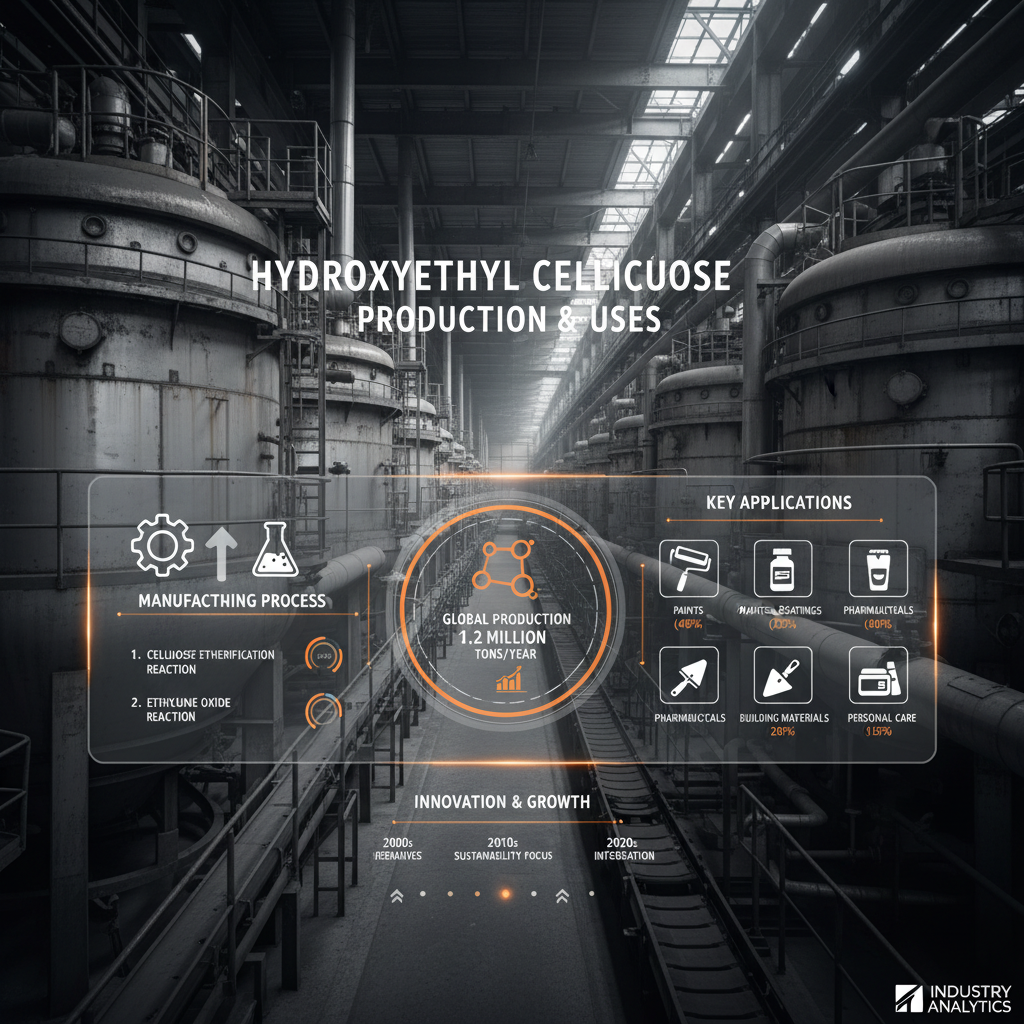
Globally, the demand for HEC is experiencing consistent growth, driven by expanding sectors like oil and gas (drilling fluids), paints and coatings, and personal care. The market size was valued at USD 2.65 billion in 2023 and is projected to reach USD 3.78 billion by 2032, growing at a CAGR of 4.2% from 2024 to 2032 (Source: Verified Market Research). This growth is particularly pronounced in emerging economies with rapidly developing infrastructure and consumer markets. hydroxyethyl cellulose is increasingly favored due to its non-ionic nature and compatibility with a wide range of other materials.
The increasing need for sustainable and eco-friendly solutions also fuels the demand for HEC. As industries seek to reduce their environmental footprint, HEC, derived from cellulose – a renewable resource – presents a viable alternative to petroleum-based polymers. Its biodegradability and low toxicity further contribute to its growing popularity, addressing a significant challenge across various sectors.
The Fundamentals of Hydroxyethyl Cellulose
Hydroxyethyl cellulose’s remarkable properties stem from its chemical structure – a cellulose backbone modified with hydroxyethyl groups. This modification imparts water solubility and allows for control over viscosity, gelation, and surface activity. Understanding this fundamental structure is key to appreciating its diverse applications. hydroxyethyl cellulose excels in environments demanding precise control over material behavior.
The degree of substitution (DS) – the average number of hydroxyethyl groups attached to each glucose unit in the cellulose chain – directly influences HEC's properties. Higher DS values generally result in increased water solubility and reduced gel strength. Tailoring the DS during manufacturing allows producers to create HEC grades with specific characteristics to meet the requirements of different industries.
Defining Hydroxyethyl Cellulose: A Chemical Perspective
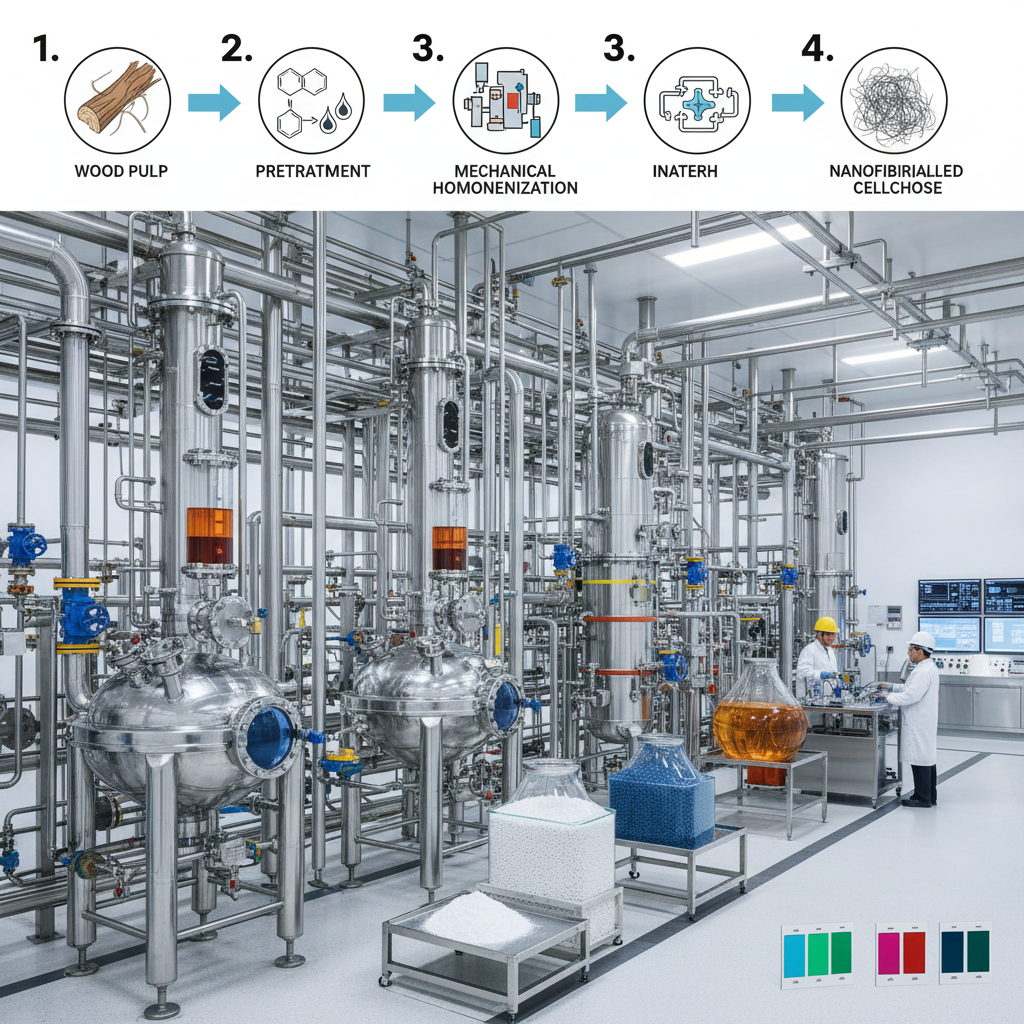
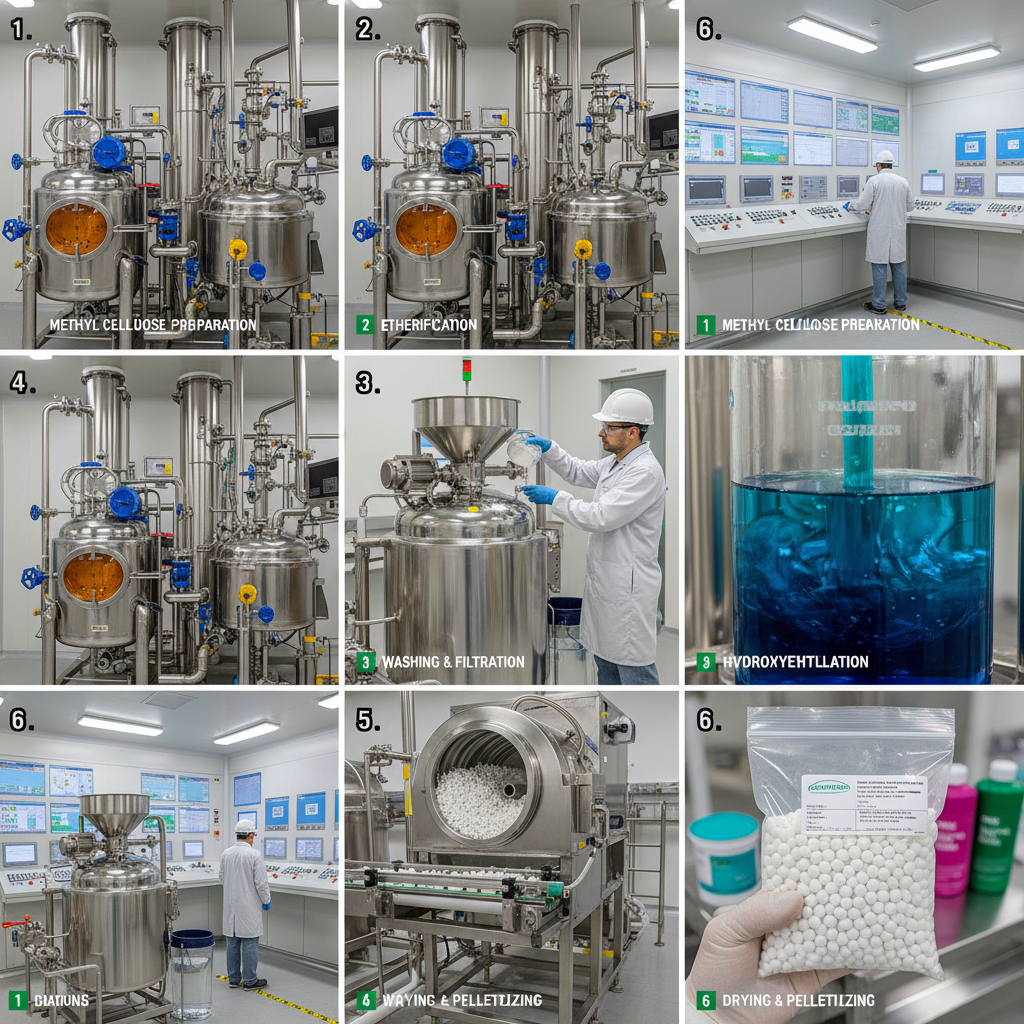
Hydroxyethyl cellulose is a non-ionic ether cellulose derived from natural cellulose. It's produced by reacting cellulose with ethylene oxide. The process introduces hydroxyethyl groups (-CH2CH2OH) along the cellulose polymer chain, significantly altering its solubility and rheological properties. This transformation makes cellulose, which is naturally insoluble in water, readily dispersible and soluble, opening a vast range of applications.
Essentially, HEC acts as a thickening agent, stabilizer, binder, and film former. Its non-ionic nature allows it to be compatible with a wide range of other ingredients, including salts, acids, and alkalis, which is crucial in formulating complex mixtures. Its ability to maintain viscosity over a broad temperature range and pH levels further enhances its versatility. hydroxyethyl cellulose bridges the gap between natural materials and modern industrial needs.
Compared to other cellulose ethers like carboxymethyl cellulose (CMC) or methyl cellulose (MC), HEC offers unique advantages in certain applications. Its superior solubility in both water and some organic solvents, coupled with its exceptional surface activity, makes it a preferred choice for applications requiring precise control over fluid dynamics and surface properties.
Core Characteristics of Hydroxyethyl Cellulose
One of the defining characteristics of hydroxyethyl cellulose is its exceptional thickening ability. Even at low concentrations, HEC can dramatically increase the viscosity of aqueous solutions, providing enhanced stability and control over flow behavior. This property is critical in applications like paints, coatings, and personal care products.
Another key attribute is its pseudo-plastic behavior. This means that HEC solutions exhibit reduced viscosity under shear stress – they become thinner when agitated or pumped. This property is beneficial in applications where ease of application or spreading is desired, such as in coatings or adhesives. When the shear stress is removed, the viscosity recovers, providing excellent sag resistance and maintaining the integrity of the applied material.
Furthermore, HEC demonstrates excellent thermal stability and compatibility with various chemicals. It is relatively unaffected by changes in temperature and pH, making it suitable for use in a wide range of challenging environments. It also boasts strong film-forming capabilities, creating flexible and transparent films with good adhesion properties.
Versatility in Application: Global Use Cases
The applications of hydroxyethyl cellulose are extraordinarily diverse. In the construction industry, it’s used in cement-based materials to improve workability, water retention, and adhesion, preventing cracking and enhancing the durability of structures. In the oil and gas sector, HEC is a vital component of drilling fluids, controlling viscosity and preventing fluid loss in challenging downhole conditions.
The personal care industry leverages HEC as a thickener, stabilizer, and film former in products like shampoos, lotions, and cosmetics. Its ability to provide a smooth, luxurious texture and enhance the stability of emulsions makes it a highly sought-after ingredient. Pharmaceutical applications include its use as a binder in tablets, a suspending agent in liquid formulations, and a coating material for controlled drug release.
Globally, these applications translate into significant regional demand. North America and Europe represent mature markets with established HEC consumption, while Asia-Pacific is the fastest-growing region, driven by expanding industrialization and population growth. Countries like China and India are witnessing a surge in HEC demand across various sectors, particularly in construction and personal care.
Hydroxyethyl Cellulose Application Ratings
Advantages and Long-Term Value of HEC
The benefits of utilizing hydroxyethyl cellulose extend beyond its functional properties. Cost-effectiveness is a key driver, as HEC often requires lower dosage levels compared to alternative polymers to achieve desired results. Its sustainable sourcing from cellulose – a renewable resource – contributes to environmentally responsible manufacturing practices.
From a social impact perspective, HEC’s role in enhancing the durability and performance of construction materials contributes to safer and more resilient infrastructure. In pharmaceuticals, it aids in the development of effective and stable drug formulations, improving patient outcomes. Furthermore, the improved application characteristics in paints and coatings reduce waste and improve user experience, fostering innovation and trust within these industries.
Future Trends and Innovations in HEC
Research and development efforts are focused on enhancing HEC’s properties and expanding its applications. One promising area is the development of HEC with tailored molecular weights and degrees of substitution to optimize performance in specific applications. The integration of nanotechnology to create HEC-based nanocomposites with enhanced mechanical strength and barrier properties is also gaining traction.
The growing demand for sustainable materials is driving innovation in the production of HEC itself, with a focus on utilizing more environmentally friendly manufacturing processes and exploring alternative cellulose sources. The convergence of digital transformation and automation in polymer manufacturing will enable more precise control over HEC production, leading to improved product quality and consistency.
Challenges and Potential Solutions with Hydroxyethyl Cellulose
While hydroxyethyl cellulose offers numerous advantages, challenges remain. One key issue is the potential for batch-to-batch variability in properties, which can impact formulation consistency. Implementing rigorous quality control measures and optimizing manufacturing processes can mitigate this risk.
Another challenge is the relatively slow dissolution rate of some HEC grades in cold water. This can be addressed through the use of specialized milling techniques or the incorporation of dissolution aids. Further research is also needed to explore the long-term environmental impact of HEC and develop more biodegradable grades to align with circular economy principles.
Finally, the cost of HEC can be a barrier to entry for some applications. Exploring alternative sourcing strategies and optimizing production efficiency can help to reduce costs and make HEC more accessible to a wider range of industries.
Hydroxyethyl Cellulose: Key Application Performance Metrics
| Application Sector |
Viscosity Control |
Film Formation Strength |
Water Retention Capacity |
| Construction (Cement) |
8/10 |
6/10 |
9/10 |
| Personal Care (Shampoos) |
7/10 |
7/10 |
5/10 |
| Pharmaceuticals (Tablets) |
6/10 |
8/10 |
4/10 |
| Paints & Coatings |
9/10 |
8/10 |
7/10 |
| Oil & Gas (Drilling Fluids) |
10/10 |
5/10 |
8/10 |
| Adhesives & Sealants |
7/10 |
9/10 |
6/10 |
FAQS
Hydroxyethyl cellulose provides several key benefits in cosmetics. It's an excellent thickening agent, enhancing the texture and consistency of products like creams and lotions. It also acts as a stabilizer, preventing separation of ingredients and ensuring a longer shelf life. Furthermore, it forms a smooth film on the skin, contributing to a pleasant sensory experience and delivering active ingredients effectively.
The molecular weight of hydroxyethyl cellulose significantly influences its properties. Higher molecular weight HEC generally results in higher viscosity and greater thickening power, making it suitable for applications requiring substantial thickening. Lower molecular weight grades exhibit reduced viscosity and improved solubility, ideal for applications needing less thickening or faster dissolution. Selecting the appropriate molecular weight is crucial for optimal performance.
Hydroxyethyl cellulose is considered biodegradable, although the rate of degradation can vary depending on environmental conditions. It's derived from cellulose, a renewable resource, making it a more sustainable alternative to petroleum-based polymers. However, it's important to note that the manufacturing process can have environmental impacts, so sourcing from responsible manufacturers is key.
The concentration of hydroxyethyl cellulose varies widely depending on the application. In personal care products, concentrations typically range from 0.5% to 5%. In paints and coatings, it can be used at levels of 0.1% to 1%. Construction applications may require higher concentrations, up to 2-3%. Optimizing the concentration is essential to achieve the desired performance characteristics.
While both hydroxyethyl cellulose (HEC) and carboxymethyl cellulose (CMC) are cellulose ethers, they possess distinct properties. HEC exhibits superior solubility in water and various organic solvents, along with excellent surface activity. CMC is generally less expensive but may have lower clarity and stability in certain formulations. The choice between HEC and CMC depends on the specific application requirements.
Absolutely! Hydroxyethyl cellulose is often used in combination with other polymers to create synergistic effects. For example, combining HEC with acrylic polymers in paints can enhance film formation and durability. In personal care, combining HEC with gums or other thickeners can create a more sophisticated rheological profile and improved stability. Careful formulation is essential to optimize compatibility.
Conclusion
In conclusion, hydroxyethyl cellulose stands as a remarkably versatile polymer with applications spanning diverse industries. Its unique combination of thickening, stabilizing, film-forming, and water-retention properties, coupled with its sustainable sourcing and compatibility with other materials, makes it an invaluable ingredient for numerous formulations. Understanding the nuances of HEC – its molecular weight, degree of substitution, and performance characteristics – is crucial for maximizing its benefits.
Looking ahead, continued innovation in HEC production and application will unlock even greater potential. By focusing on sustainable manufacturing processes, tailored molecular structures, and synergistic polymer combinations, we can further enhance the value and broaden the applicability of this remarkable material. For more information and to explore our range of hydroxyethyl cellulose products, please visit our website today.