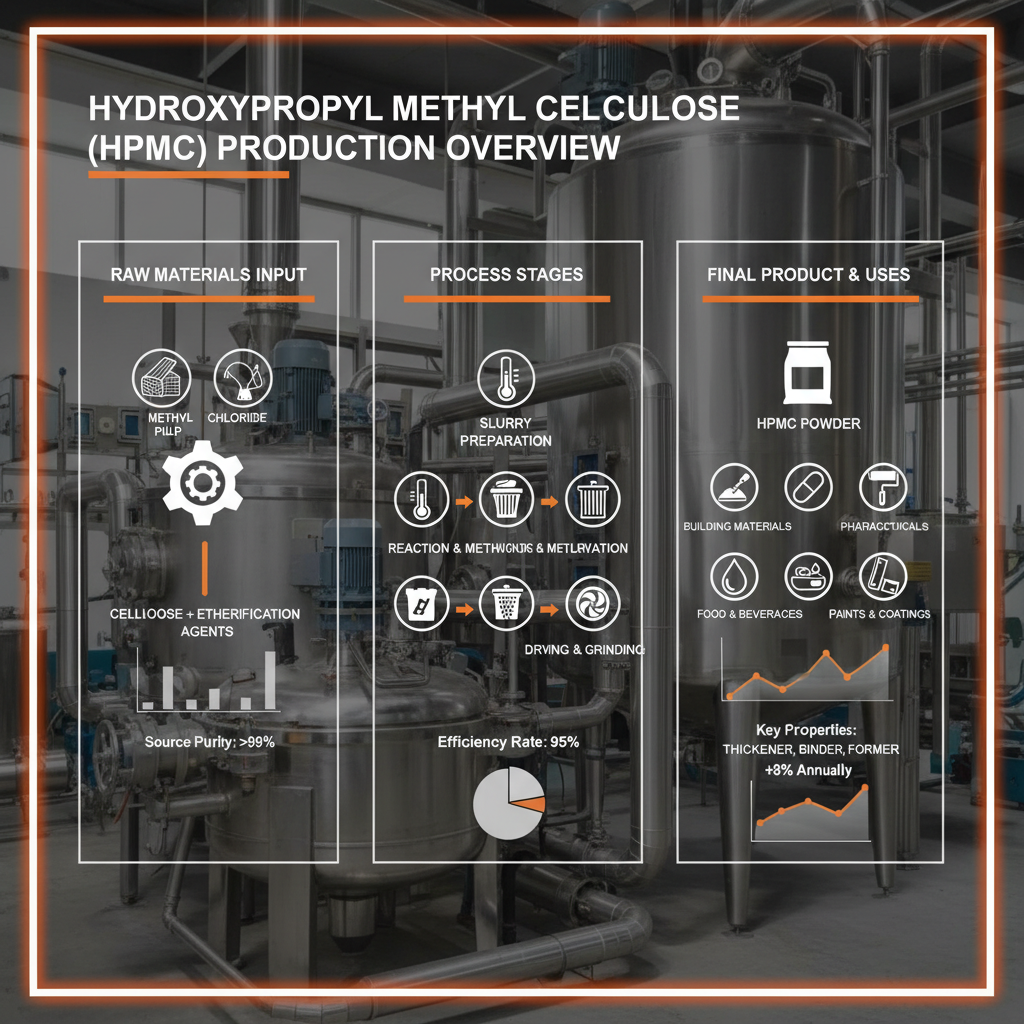
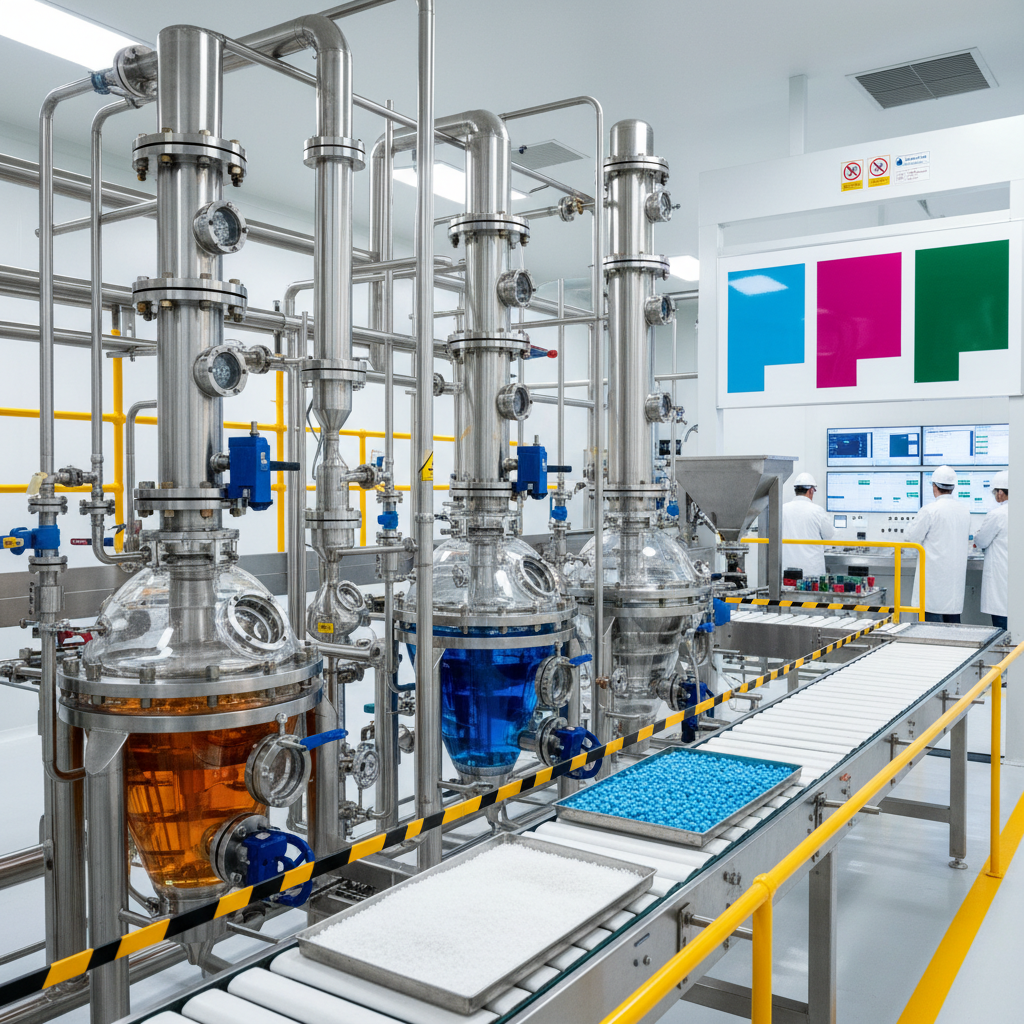
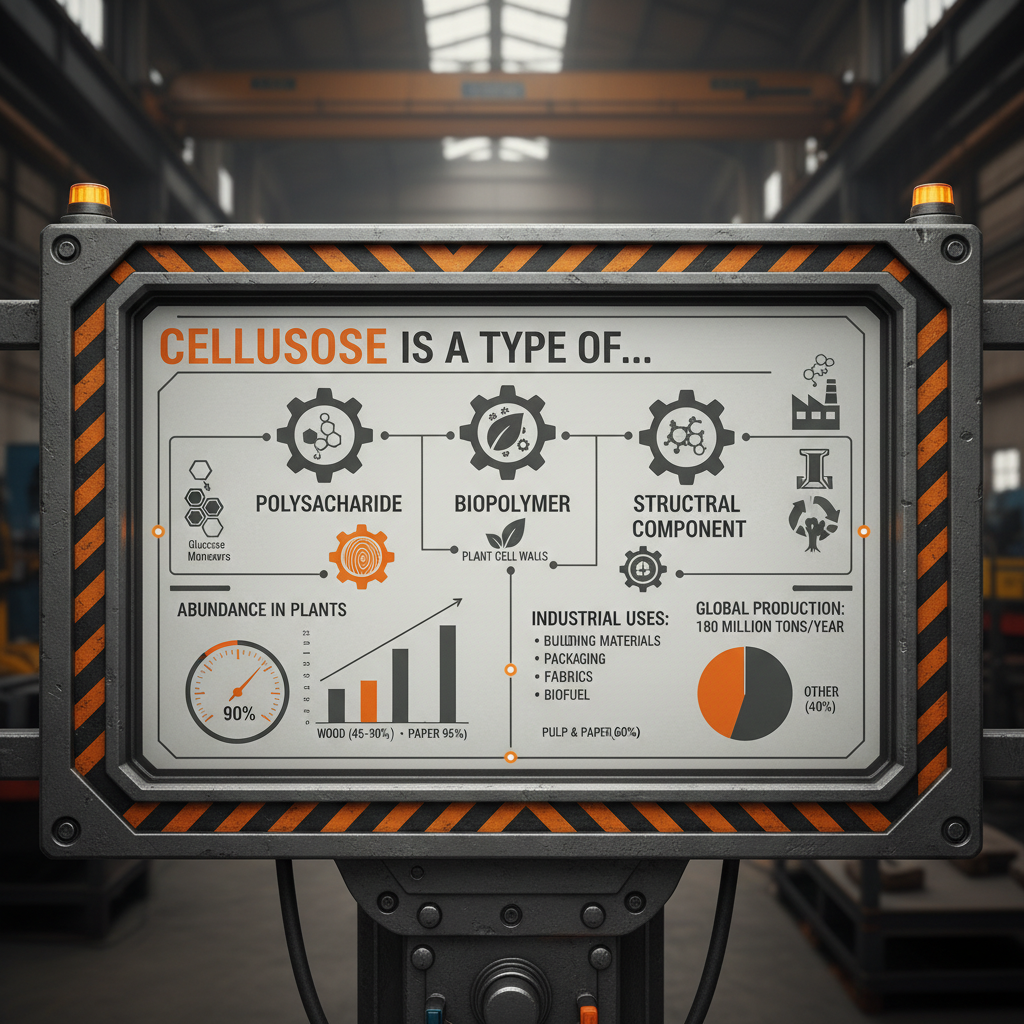
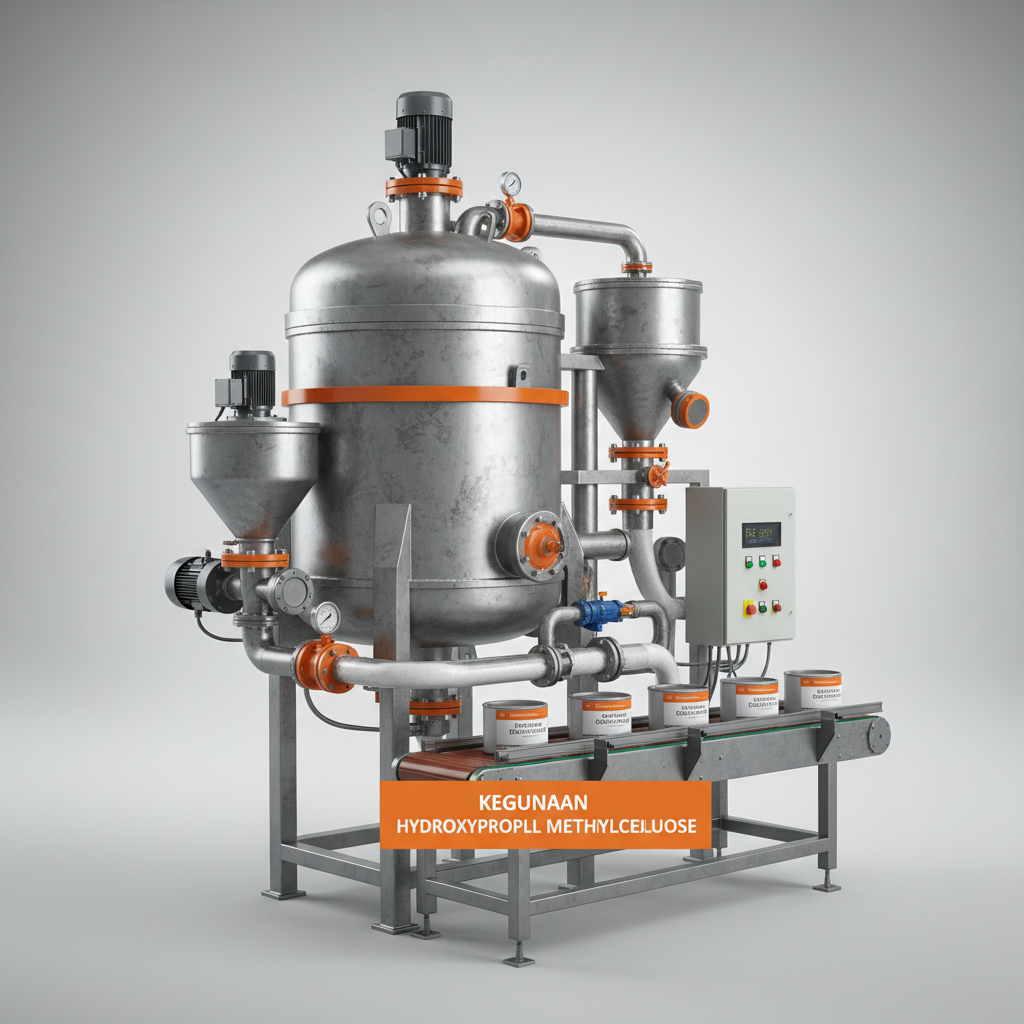
Methyl cellulose, a versatile cellulose ether, is gaining increasing prominence globally due to its diverse applications across industries ranging from pharmaceuticals and food to construction and paints. Its unique properties, like thermal gelation and water retention, make it invaluable in addressing critical challenges in numerous sectors. Understanding its capabilities is paramount for innovation and sustainable solutions worldwide.
The growing demand for methyl cellulose is intrinsically linked to global trends like population growth, increasing urbanization, and a heightened focus on sustainable materials. Reports from organizations like the UN highlight the need for innovative building materials for affordable housing, a demand methyl cellulose can help meet. The construction industry alone represents a significant market driver for this polymer.
Consequently, research and development efforts are constantly expanding the scope of methyl cellulose's applications, leading to a ripple effect of positive outcomes. From improving drug delivery systems to creating more efficient construction methods, this remarkable compound plays an increasingly vital role in modern life.
Introduction to Methyl Cellulose
Methyl cellulose is a remarkable polymer derived from cellulose, the most abundant organic polymer on Earth. Its production involves chemically modifying cellulose, resulting in a water-soluble compound with a unique set of properties. These modifications allow for control over viscosity, gelation temperature, and surface activity, making methyl cellulose highly adaptable to various applications.
The widespread adoption of methyl cellulose stems from its cost-effectiveness, biodegradability, and non-toxicity. Compared to synthetic polymers, it offers a more sustainable alternative, aligning with growing environmental concerns and the demand for 'green' materials. This is driving innovation in sectors seeking eco-friendly solutions.
Defining Methyl Cellulose
Simply put, methyl cellulose is a derivative of cellulose where some hydroxyl groups are replaced with methoxy groups. This modification is crucial; it transforms the insoluble cellulose into a water-soluble polymer. This transformation unlocks a world of possibilities, enabling its use in countless applications, from acting as a thickening agent in food to a binder in construction materials.
Its connection to modern industry is undeniable. It’s not just a laboratory curiosity; it’s a vital ingredient in products we use every day. In humanitarian efforts, methyl cellulose is employed in water well drilling to suspend drill cuttings, providing access to vital resources in challenging environments. This highlights its importance beyond commercial applications.
Furthermore, the ability to tailor the degree of substitution (the amount of methoxy groups added) allows for precise control over the polymer’s properties, enhancing its versatility. This customizability is a key factor in its widespread acceptance and continued development.
Key Properties of Methyl Cellulose
One of the most significant characteristics of methyl cellulose is its thermal gelation property. Unlike most polymers that thicken when cooled, methyl cellulose solutions become more viscous as the temperature increases. This makes it ideal for applications where temperature control is required, like in certain food products and pharmaceutical formulations.
Another key property is its exceptional water retention capacity. It can absorb and hold significant amounts of water, preventing drying and cracking in applications such as construction materials and personal care products. This ability also contributes to its effectiveness in soil conditioning, aiding plant growth in arid regions.
Beyond these, methyl cellulose demonstrates excellent film-forming capabilities, providing a protective coating in applications like tablet coatings in the pharmaceutical industry. Its non-ionic nature makes it compatible with a wide range of other ingredients, enhancing its formulation flexibility. Finally, its biodegradability adds to its environmental appeal, making it a sustainable choice for numerous industries.
Durability and Stability of Methyl Cellulose
Methyl cellulose exhibits remarkable stability over a wide pH range, making it suitable for applications in both acidic and alkaline environments. This robustness ensures that its properties remain consistent even under challenging conditions. Its inherent resistance to microbial degradation further enhances its longevity and reliability.
In construction, the addition of methyl cellulose to cement-based materials improves workability, reduces water demand, and enhances adhesion. This leads to more durable and crack-resistant structures, extending their lifespan and reducing maintenance costs.
Stability Ratings of Different Methyl Cellulose Grades
Global Applications of Methyl Cellulose
The applications of methyl cellulose are incredibly diverse and span across multiple continents. In North America and Europe, it's widely used in the construction industry as a cement additive, improving workability and reducing cracking. In Asia, particularly in countries like China and India, it finds extensive use in the pharmaceutical sector, primarily as a binder and coating agent for tablets.
In regions facing water scarcity, such as parts of Africa and the Middle East, methyl cellulose is employed in soil conditioning, improving water retention and aiding agricultural productivity. It also plays a vital role in disaster relief efforts, where it’s used in creating emergency shelters and water purification systems. The versatility of methyl cellulose makes it a critical resource in diverse settings.
Advantages of Utilizing Methyl Cellulose
The tangible benefits of using methyl cellulose are substantial. Its cost-effectiveness, compared to many synthetic alternatives, makes it an economically viable solution for a wide range of applications. Sustainability is another key advantage, as it’s derived from a renewable resource—cellulose—and is biodegradable. This aligns with the growing demand for environmentally friendly materials.
Beyond these, methyl cellulose enhances product performance, improving properties like adhesion, workability, and water retention. From a social impact perspective, it contributes to safer and more sustainable building practices, and in humanitarian contexts, it provides critical support for communities in need.
Future Trends and Innovations in Methyl Cellulose
Ongoing research focuses on enhancing the properties of methyl cellulose through novel modification techniques. Nanotechnology is being explored to create methyl cellulose-based nanocomposites with improved strength and durability. Furthermore, the development of bio-based methyl cellulose, derived from sustainable cellulose sources, is gaining momentum.
The integration of methyl cellulose with green energy technologies, such as in the development of bio-batteries and sustainable packaging materials, holds significant promise. The increasing emphasis on circular economy principles will further drive innovation in methyl cellulose applications, promoting resource efficiency and waste reduction. The future looks bright for this remarkable polymer.
Its role in 3D printing applications, specifically in creating biocompatible scaffolds for tissue engineering, represents a cutting-edge area of research. This demonstrates its potential beyond traditional industries and its contribution to advancements in biomedical engineering.
Summary of Methyl Cellulose Research & Development Areas
| Research Area |
Current Status |
Potential Impact |
Investment Level (1-10) |
| Nanocomposite Development |
Early stage research, focusing on improving mechanical properties. |
Enhanced durability and performance in construction and packaging. |
7 |
| Bio-Based Methyl Cellulose |
Pilot plant production, optimizing sustainable cellulose sources. |
Reduced environmental footprint and increased sustainability. |
8 |
| 3D Printing Applications |
Proof-of-concept studies in tissue engineering scaffolds. |
Revolutionary advancements in regenerative medicine. |
6 |
| Energy Storage Integration |
Preliminary research on using methyl cellulose in bio-batteries. |
Development of sustainable and renewable energy solutions. |
5 |
| Controlled Release Systems |
Optimization of release rates for pharmaceutical and agricultural applications. |
Improved drug delivery and targeted nutrient release. |
9 |
| Sustainable Packaging Materials |
Development of biodegradable films and coatings. |
Reduction of plastic waste and promotion of circular economy. |
7 |
FAQS
Methyl cellulose offers several key advantages over synthetic polymers in construction. It’s derived from a renewable resource, making it more sustainable. It also exhibits excellent water retention, reducing cracking, and improves workability, leading to more durable structures. Furthermore, it’s often more cost-effective and less toxic than many synthetic alternatives.
The thermal gelation property of methyl cellulose is particularly beneficial in pharmaceutical formulations where temperature-responsive drug delivery is desired. As the temperature increases towards body temperature, the solution thickens, allowing for a sustained release of the drug. This provides controlled and targeted drug delivery, improving efficacy and reducing side effects.
Yes, methyl cellulose is considered biodegradable, though the rate of biodegradation can vary depending on environmental conditions. Compared to many synthetic polymers, it has a significantly lower environmental impact. It’s derived from a renewable resource and breaks down more readily in natural environments, reducing plastic waste and promoting a circular economy.
The concentration of methyl cellulose used varies greatly depending on the specific application. In construction, concentrations typically range from 0.5% to 2% by weight of cement. In pharmaceuticals, concentrations can range from 0.1% to 5% as a binder or coating agent. Food applications typically use concentrations between 0.1% and 1% as a thickener or stabilizer.
The molecular weight of methyl cellulose significantly impacts its viscosity and solution behavior. Higher molecular weight grades generally result in higher viscosity solutions, providing greater thickening and water retention capabilities. Lower molecular weight grades are often used when lower viscosity and improved flowability are required. Selecting the appropriate molecular weight is critical for optimizing performance in specific applications.
Methyl cellulose is generally considered safe for use in food and pharmaceutical products when used according to established guidelines. Regulatory bodies like the FDA have approved its use in various applications. However, as with any ingredient, some individuals may experience mild digestive discomfort with high consumption. It’s essential to adhere to recommended dosage and usage levels.
Conclusion
In conclusion, methyl cellulose stands out as a remarkably versatile and sustainable polymer with a growing array of applications across diverse industries. Its unique properties, like thermal gelation, water retention, and biodegradability, make it an invaluable component in sectors ranging from construction and pharmaceuticals to food and environmental remediation. Understanding its capabilities is crucial for driving innovation and addressing global challenges.
Looking ahead, ongoing research and development promise to unlock even more potential for this remarkable compound. From advanced nanocomposites to bio-based alternatives, the future of methyl cellulose is bright. We encourage you to explore its possibilities further. Visit our website at www.hpmcpowder.com to learn more about our high-quality methyl cellulose products and how they can benefit your applications.