Cellulose, the most abundant organic polymer on Earth, forms the structural component of plant cell walls. Its global relevance stems from its renewability, biodegradability, and versatility. From everyday materials like paper and textiles to advanced applications in pharmaceuticals and biofuels, cellulose impacts nearly every facet of modern life. Understanding its properties and potential is crucial for addressing challenges in sustainability, resource management, and technological innovation.
The global market for cellulose and its derivatives is substantial and growing, driven by increasing demand in packaging, construction, food, and healthcare industries. According to UN reports, sustainable forest management – a key source of cellulose – is vital for achieving several Sustainable Development Goals, including climate action and responsible consumption and production. Innovations in cellulose processing are continuously expanding its applications, offering alternatives to petroleum-based products and reducing our reliance on finite resources.
Cellulose’s importance extends beyond its industrial uses. It plays a critical role in carbon sequestration, aiding in the mitigation of climate change, and is a fundamental element of the global food chain. Further research and development of cellulose-based materials are essential to creating a more sustainable and resilient future for generations to come.
Introduction to cellulose
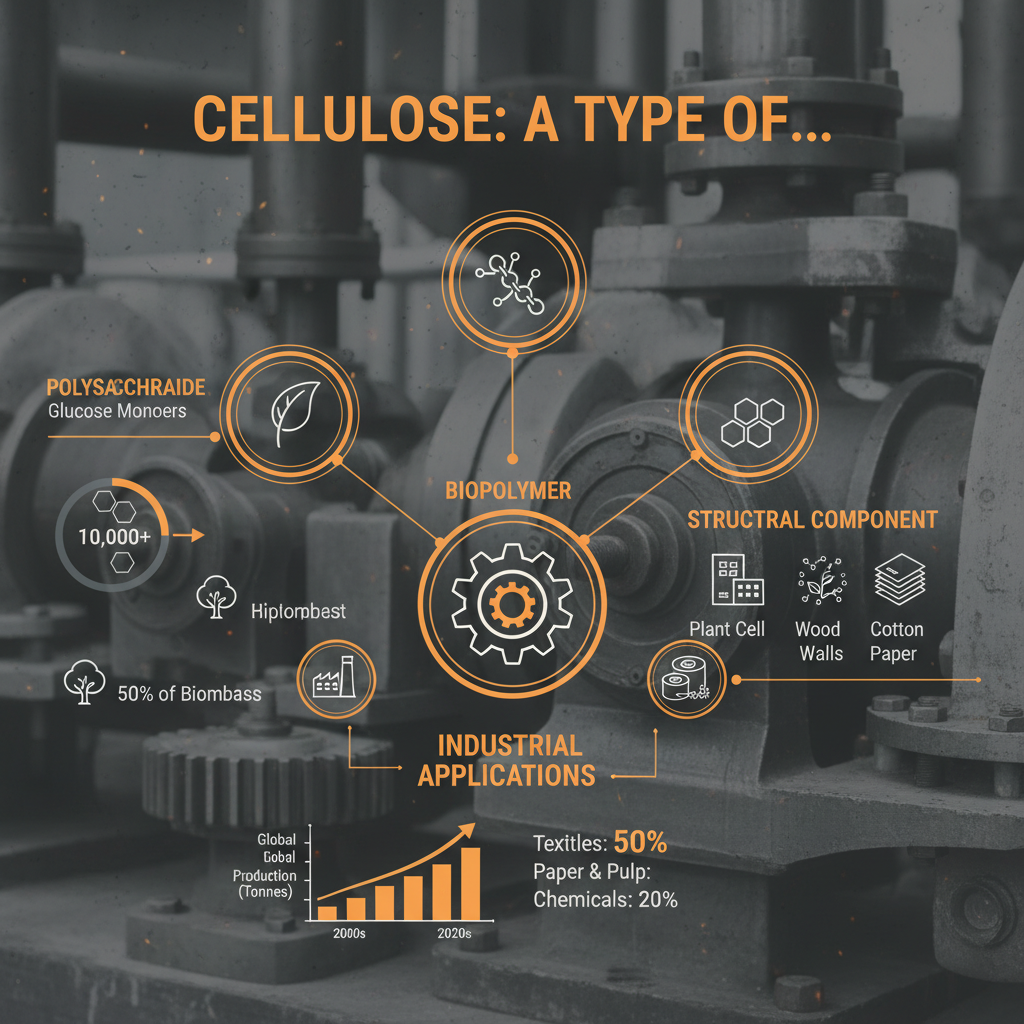
Cellulose serves as a foundational biopolymer, providing structure to plant life and subsequently offering a vast array of applications for human use. Its composition – long chains of glucose molecules – determines its robust and versatile properties, making it an essential component in industries ranging from textiles to construction.
The remarkable abundance of cellulose makes it a sustainable alternative to many conventional materials. Unlike many synthetic polymers derived from fossil fuels, cellulose is renewable, biodegradable, and often readily available as a byproduct of agricultural processes. This characteristic positions cellulose as a key material in the transition toward a circular economy and reduced environmental impact.
Defining cellulose and Its Importance
Cellulose is a complex carbohydrate, specifically a polysaccharide, that forms the primary structural component of the cell walls of plants. Chemically, it's a linear chain of hundreds to thousands of β(1→4)-linked D-glucose units. This specific linkage is what gives cellulose its strength and resistance to enzymatic degradation in many organisms.
Its importance lies in its ubiquity and renewability. Cellulose isn’t just a building block for plants; it's the foundation for numerous industries. From the paper we write on and the cotton fabrics we wear, to the production of rayon and cellophane, cellulose is integral to our daily lives. Its sustainable sourcing and biodegradability make it increasingly relevant in an era of growing environmental consciousness.
Furthermore, ongoing research is unlocking new applications for cellulose, leveraging its unique properties in areas like bioplastics, biofuels, and advanced medical materials. This continued innovation positions cellulose as a critical material in addressing global challenges related to sustainability, energy, and healthcare.
Key Characteristics of cellulose
Cellulose exhibits several key characteristics that define its utility. Firstly, it possesses exceptional tensile strength, exceeding that of steel on a weight-for-weight basis. This strength arises from the hydrogen bonding between the cellulose chains, creating a highly organized and crystalline structure. Secondly, it is largely insoluble in water and most common organic solvents, contributing to its durability in various applications.
Another important trait is cellulose's biodegradability. Microorganisms can break down cellulose into glucose, making it a sustainable alternative to non-biodegradable plastics. Its inherent biocompatibility also makes it valuable in medical applications, such as wound dressings and drug delivery systems. Finally, cellulose is a renewable resource, readily obtained from plant biomass.
These characteristics collectively make cellulose a uniquely versatile material. The ability to modify cellulose chemically (e.g., through acetylation to create cellulose acetate) further expands its range of applications, enabling the development of materials with tailored properties for specific purposes.
Applications of cellulose Across Industries
The applications of cellulose are remarkably diverse. In the paper industry, wood pulp – a primary source of cellulose – is used to produce a wide range of paper products, from writing paper to packaging materials. The textile industry relies on cellulose from cotton and other plant fibers for clothing and fabrics.
Beyond these traditional uses, cellulose is increasingly utilized in the construction sector. Cellulose insulation, made from recycled paper products, offers excellent thermal performance and soundproofing qualities. Modified cellulose forms can also be incorporated into composite materials for structural applications. The food industry uses cellulose derivatives as thickeners, stabilizers, and emulsifiers in various processed foods.
cellulose Derivative Performance Comparison
Advantages and Long-Term Value of cellulose
Cellulose offers a compelling combination of cost-effectiveness, sustainability, and performance. Compared to synthetic polymers derived from petroleum, cellulose is often significantly cheaper to produce, particularly when sourced from waste streams or sustainably managed forests. This economic advantage makes it an attractive alternative for a wide range of applications.
The long-term value of cellulose extends beyond its economic benefits. Its biodegradability reduces environmental pollution, contributing to a circular economy. Its renewability ensures a consistent supply, lessening dependence on finite resources. Furthermore, advancements in cellulose chemistry are continuously unlocking new possibilities, enhancing its versatility and applicability.
Future Trends in cellulose Research
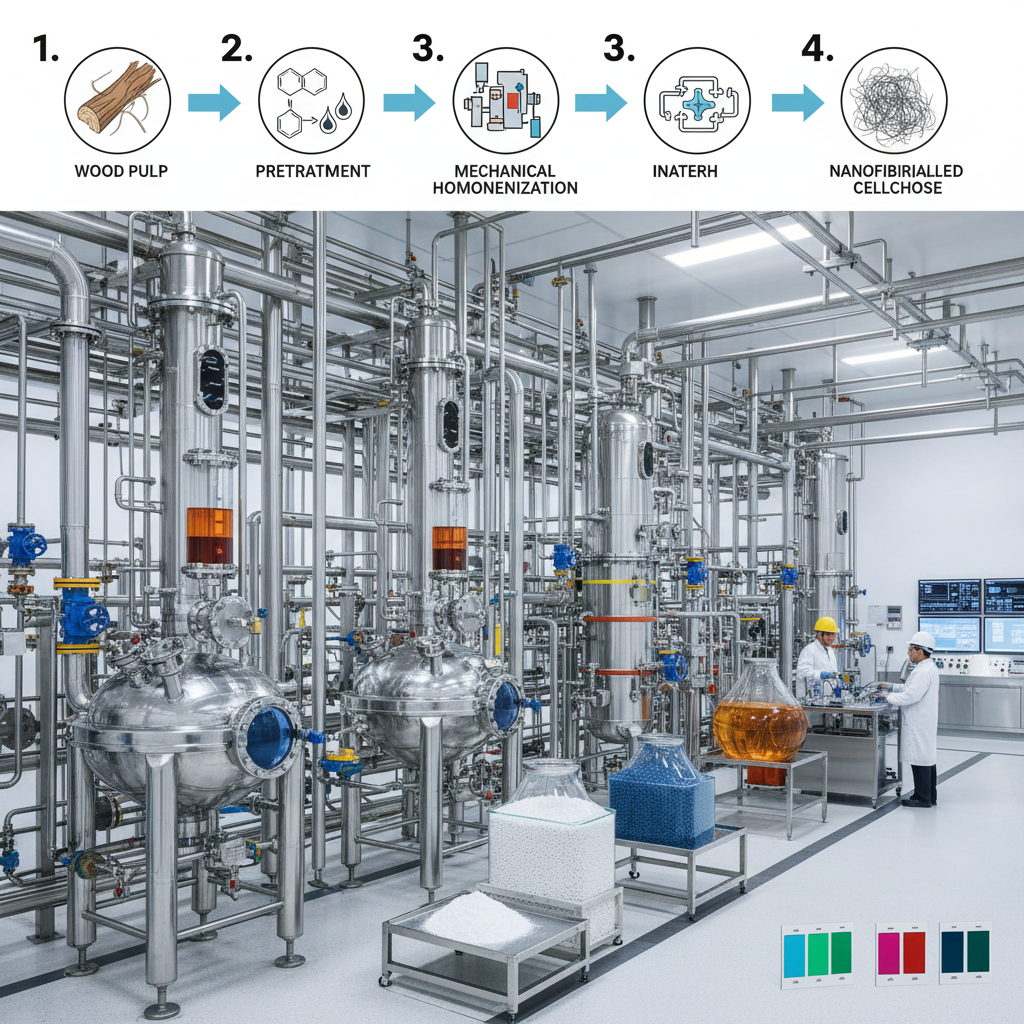
Current research is focused on enhancing the properties of cellulose and expanding its applications. Nanocellulose – cellulose broken down into nanoscale fibers – is gaining prominence due to its exceptional strength, high surface area, and unique rheological properties. This material has potential in advanced composites, biomedical engineering, and electronics.
Another exciting area is the development of cellulose-based biofuels. Converting cellulose into fermentable sugars allows for the production of ethanol and other renewable fuels, reducing reliance on fossil fuels. Furthermore, researchers are exploring the use of cellulose as a building block for sustainable packaging materials, aiming to replace petroleum-based plastics with biodegradable alternatives.
Challenges and Innovations in cellulose Utilization
Despite its many advantages, utilizing cellulose effectively faces some challenges. One key obstacle is its inherent insolubility in many common solvents, hindering its processing and modification. Researchers are developing innovative pretreatment methods, such as ionic liquid dissolution and enzymatic hydrolysis, to overcome this limitation.
Another challenge lies in controlling the structure and morphology of cellulose-based materials to achieve desired properties. Advanced techniques like electrospinning and 3D printing are being employed to fabricate cellulose-based materials with tailored architectures and functionalities. Continued innovation in these areas will unlock the full potential of cellulose.
Furthermore, optimizing the supply chain for cellulose, ensuring sustainable sourcing and efficient processing, is crucial for widespread adoption. Developing closed-loop systems that utilize cellulose waste streams will minimize environmental impact and maximize resource efficiency.
Summary of Cellulose Processing Methods & Efficiency
| Processing Method |
Cellulose Source |
Environmental Impact |
Cost Effectiveness (1-10) |
| Mechanical Pulping |
Wood |
Moderate - High Energy Consumption |
8 |
| Chemical Pulping (Kraft Process) |
Wood |
High - Chemical Usage & Effluent |
7 |
| Enzymatic Hydrolysis |
Agricultural Residues |
Low - Biocatalytic Process |
6 |
| Ionic Liquid Dissolution |
Various Biomass Sources |
Moderate - Solvent Recovery Required |
5 |
| Nanocellulose Extraction |
Wood Pulp, Agricultural Residues |
Moderate - Energy Intensive |
4 |
| Biochemical Conversion |
Dedicated Energy Crops |
Low - Renewable Feedstock |
5 |
FAQS
The most common sources of cellulose for industrial applications include wood pulp from various tree species, cotton fibers, agricultural residues like corn stover and wheat straw, and dedicated energy crops. The selection of a source depends on factors like cost, availability, sustainability, and the desired cellulose properties. Increasingly, research focuses on utilizing waste cellulose materials to promote a circular economy and reduce reliance on virgin resources.
Cellulose crystallinity refers to the degree of order within its molecular structure. Higher crystallinity leads to increased tensile strength, rigidity, and resistance to degradation. Materials with higher cellulose crystallinity are suitable for applications requiring structural integrity, such as packaging and textiles. Lower crystallinity, on the other hand, can enhance solubility and processability, making it useful in applications like thickeners and binders.
Cellulose offers significant environmental advantages over petroleum-based plastics. It is a renewable resource, derived from plant biomass, whereas plastics rely on finite fossil fuels. Cellulose is biodegradable, decomposing naturally into non-toxic components, while plastics persist in the environment for centuries. Cellulose production generally has a lower carbon footprint, contributing to climate change mitigation efforts. Utilizing cellulose also supports sustainable forestry and agricultural practices.
While cellulose is a promising alternative to plastics, it's not a direct replacement in all applications. Cellulose-based materials often have limitations in terms of moisture resistance, barrier properties, and thermal stability compared to some plastics. However, ongoing research and development are addressing these limitations through chemical modifications and composite formulations. Currently, cellulose is best suited for applications where biodegradability and sustainability are paramount, and where the specific performance requirements align with its properties.
Nanocellulose refers to cellulose fibers that have been reduced to the nanoscale (typically less than 100 nanometers in diameter). This nanoscale dimension imparts exceptional properties such as high strength, large surface area, and unique optical characteristics. Nanocellulose is attracting significant attention due to its potential applications in diverse fields, including advanced composites, biomedical engineering, electronics, and packaging. Its renewable and biodegradable nature further enhances its appeal.
Improving cellulose solubility is a key area of research. Several methods are being explored, including ionic liquid dissolution, which utilizes special salts to break down cellulose’s structure; enzymatic hydrolysis, using enzymes to cleave the cellulose chains; and chemical modifications like acetylation, which introduce functional groups that enhance solubility in common solvents. These methods aim to unlock cellulose’s potential for broader applications in areas like film formation and solution processing.
Conclusion
In summary, cellulose stands as a remarkably versatile and sustainable biopolymer with a critical role to play in addressing global challenges. Its abundance, renewability, biodegradability, and unique properties make it an increasingly attractive alternative to conventional materials derived from fossil fuels. From established applications in paper and textiles to emerging technologies in biofuels and nanotechnology, cellulose continues to demonstrate its immense potential.
Looking ahead, continued investment in research and development is essential to unlock the full spectrum of cellulose’s capabilities. Optimizing processing methods, enhancing material properties, and scaling up production will be crucial for widespread adoption. By embracing cellulose as a cornerstone of a circular economy, we can pave the way for a more sustainable and resilient future. Visit our website to learn more: www.hpmcpowder.com