Nanofibrillated cellulose (NFC) is rapidly emerging as a versatile biomaterial with transformative potential across a multitude of industries. Derived from renewable plant sources, this incredibly strong and lightweight material offers sustainable alternatives to traditional materials like plastics and synthetic polymers. Understanding its properties and applications is crucial for addressing global challenges related to sustainability, resource management, and technological innovation.
The growing global demand for eco-friendly materials, coupled with advancements in nanotechnology, fuels the increasing relevance of nanofibrillated cellulose. According to the UN Environment Programme, shifting towards sustainable materials is paramount for achieving the Sustainable Development Goals. NFC’s biodegradability and renewability position it as a key component in a circular economy, reducing reliance on fossil fuels and minimizing environmental impact.
From enhancing the performance of composites to revolutionizing packaging and biomedical applications, nanofibrillated cellulose presents a unique combination of functionality and sustainability. Its unique characteristics, stemming from its nanoscale dimensions and high surface area, enable novel solutions across a spectrum of industrial and consumer applications. This material isn’t merely a substitute, but an enabler of next-generation products and processes.
Introduction to nanofibrillated cellulose
Nanofibrillated cellulose, often abbreviated as NFC, represents a significant advancement in biomaterial science. Its unique structure, resembling a network of interconnected nanofibrils, results in exceptional mechanical properties, including high tensile strength and stiffness, comparable to or even exceeding those of certain conventional materials.
This inherent strength, combined with its lightweight nature and biocompatibility, makes nanofibrillated cellulose a compelling candidate for a wide range of applications, including reinforcing composites, creating sustainable packaging, and developing advanced biomedical materials. The future of materials science is increasingly intertwined with sustainable bio-based alternatives, and nanofibrillated cellulose is at the forefront of this revolution.
Defining Nanofibrillated Cellulose
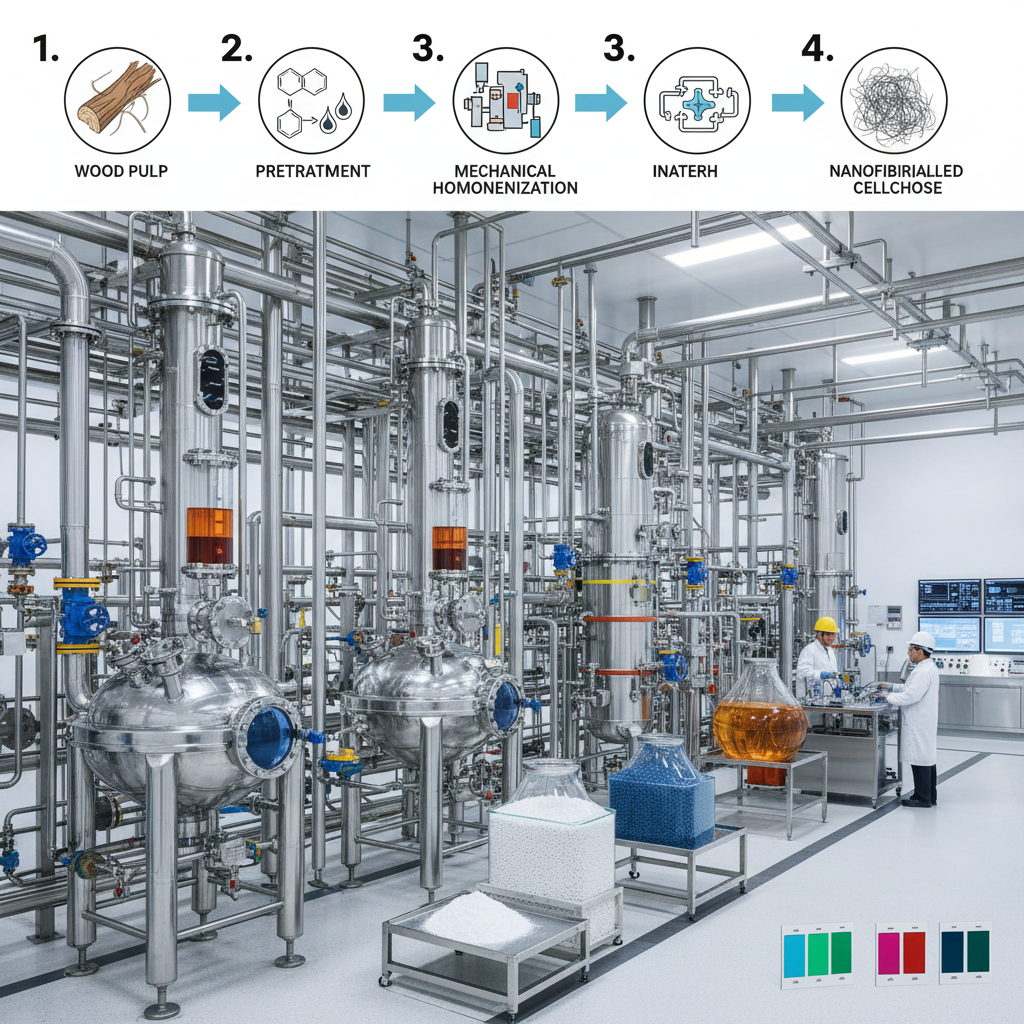
Nanofibrillated cellulose is a naturally derived material produced by mechanically disintegrating cellulose fibers from wood pulp, agricultural residues, or other plant sources. This process separates the cellulose into its constituent nanofibrils, which are typically 2-20 nanometers in diameter and several micrometers in length. The resulting material is a suspension of these individual nanofibrils in water.
Unlike traditional cellulose fibers, NFC exhibits a high surface area-to-volume ratio, leading to unique properties such as high water-holding capacity, gel-forming ability, and enhanced reactivity. It effectively bridges the gap between conventional cellulose materials and advanced nanomaterials, making it invaluable for countless industrial requirements.
Its relevance extends beyond material science, playing a role in addressing critical humanitarian needs. NFC's potential in water purification, wound healing, and sustainable packaging contributes to improved quality of life and environmental stewardship, making it crucial in both developed and developing nations.
Key Properties of nanofibrillated cellulose
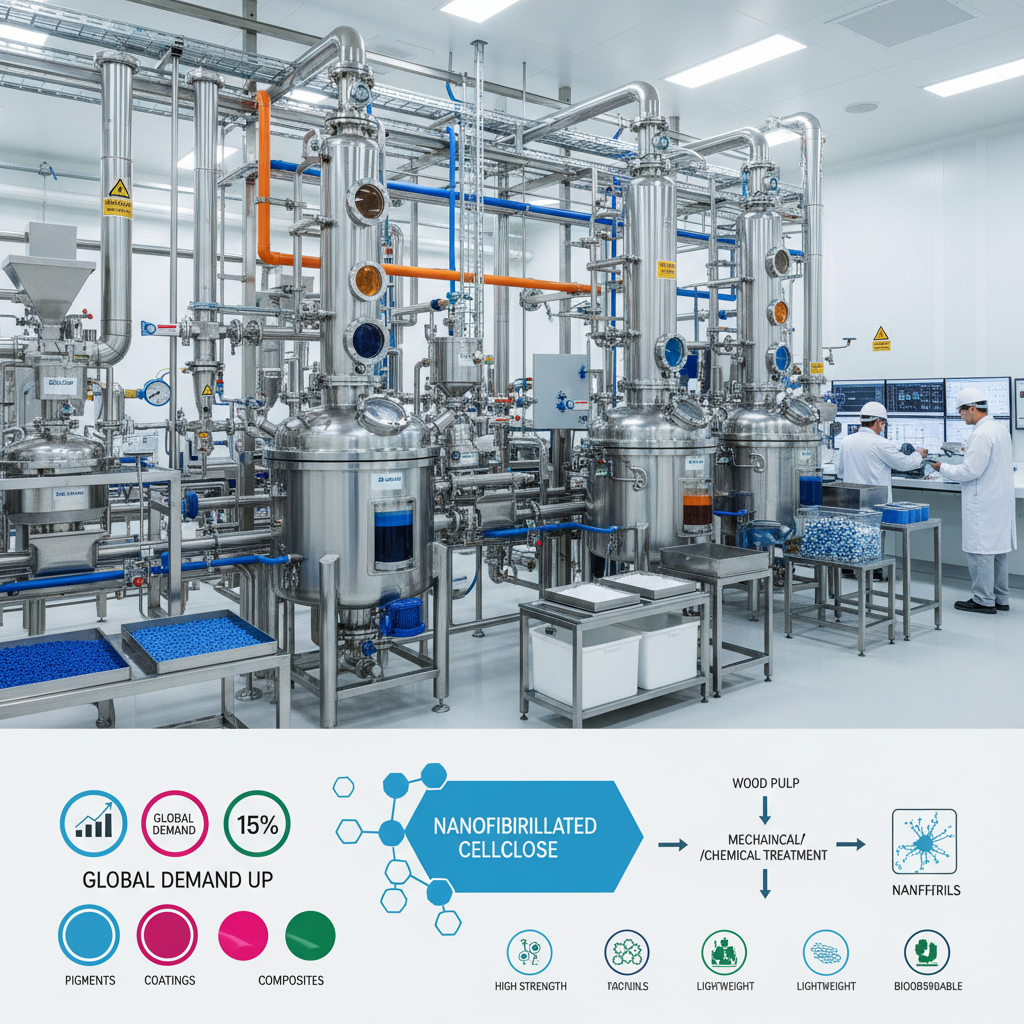
One of the defining characteristics of nanofibrillated cellulose is its remarkable mechanical strength. The individual nanofibrils possess high tensile strength and stiffness, which translate into exceptional performance when incorporated into composite materials. This strength-to-weight ratio surpasses many conventional materials, making NFC ideal for lightweight structural applications.
Furthermore, NFC is biocompatible and biodegradable, addressing growing concerns about plastic pollution and environmental sustainability. Its origin in renewable plant sources minimizes its carbon footprint and promotes a circular economy. The inherent properties of NFC promote a sustainable lifecycle, contributing to a greener future.
Nanofibrillated cellulose also exhibits excellent barrier properties, making it suitable for packaging applications where protection against oxygen, moisture, and other gases is critical. It can be used to create films and coatings that extend the shelf life of food products and reduce waste.
Applications of nanofibrillated cellulose
The versatility of nanofibrillated cellulose unlocks a vast range of applications across diverse sectors. In the packaging industry, NFC is employed to create sustainable and biodegradable films, coatings, and molded containers, offering an alternative to traditional plastic packaging.
nanofibrillated cellulose Application Ratings
Advantages of Using nanofibrillated cellulose
The primary advantage of employing nanofibrillated cellulose lies in its sustainability. Sourced from renewable plant material, it significantly reduces reliance on fossil fuels and minimizes environmental impact compared to conventional materials. This is increasingly important as consumers and industries alike prioritize eco-friendly options.
Beyond environmental benefits, NFC offers enhanced performance characteristics. Its high strength and stiffness enable the creation of lightweight yet durable products, while its excellent barrier properties improve preservation and reduce waste. These advantages translate into cost savings and increased efficiency across various applications.
Future Trends in nanofibrillated cellulose
Ongoing research and development efforts are focused on enhancing the production efficiency and scalability of nanofibrillated cellulose, making it more cost-competitive with traditional materials. Innovations in mechanical refining and chemical pre-treatment are driving down production costs and improving fiber quality.
The integration of NFC with other nanomaterials, such as graphene and carbon nanotubes, is opening up new possibilities for creating advanced composites with tailored properties. These hybrid materials have the potential to revolutionize industries ranging from aerospace to automotive.
Challenges and Solutions for nanofibrillated cellulose
Despite its promising potential, the widespread adoption of nanofibrillated cellulose faces several challenges. The cost of production remains a significant barrier, requiring further optimization of manufacturing processes and exploration of alternative, lower-cost feedstocks.
Furthermore, ensuring consistent fiber quality and developing standardized characterization methods are crucial for enabling reliable performance and facilitating industry acceptance. Collaboration between researchers, manufacturers, and end-users is essential for overcoming these challenges.
Addressing these limitations will unlock the full potential of NFC and pave the way for its widespread integration into a more sustainable and innovative future. Investment in research, development, and scaling up production is paramount.
Summary of Challenges and Potential Solutions for nanofibrillated cellulose
| Challenge |
Impact |
Potential Solution |
Implementation Timeline |
| High Production Cost |
Limits Market Competitiveness |
Optimize Mechanical Refining & Explore Alternative Feedstocks |
Short-Term (1-3 years) |
| Inconsistent Fiber Quality |
Variable Product Performance |
Implement Rigorous Quality Control Measures |
Medium-Term (3-5 years) |
| Lack of Standardization |
Hinders Interoperability & Scalability |
Develop Standardized Characterization Protocols |
Medium-Term (3-5 years) |
| Scale-Up Challenges |
Transitioning from Lab to Industrial Production |
Invest in Pilot Plants & Optimized Equipment |
Long-Term (5-10 years) |
| Limited Public Awareness |
Slow Market Adoption |
Promote Educational Initiatives & Showcase Applications |
Ongoing |
| Regulatory Hurdles |
Approval Processes for Novel Applications |
Engage with Regulatory Bodies & Demonstrate Safety |
Medium-Term (3-5 years) |
FAQS
Nanofibrillated cellulose offers several advantages over traditional plastics. It’s derived from renewable resources, making it a sustainable alternative. NFC is also biodegradable, reducing plastic waste accumulation. Furthermore, it often exhibits superior strength and barrier properties, minimizing environmental impact and improving product performance. It's a greener, more sustainable option for a wide range of applications.
While the production of NFC requires energy, it’s significantly lower than that associated with petroleum-based plastics. Sourcing from sustainably managed forests or agricultural waste further minimizes the environmental impact. Emerging green processing techniques, such as enzymatic treatment, are reducing energy consumption and minimizing chemical usage, making NFC an increasingly eco-friendly material.
The primary limitation is the relatively high production cost, which makes it less competitive than some conventional materials. Scaling up production while maintaining consistent quality remains a challenge. However, ongoing research and development are focused on optimizing production processes and exploring alternative feedstocks to overcome these hurdles and facilitate wider adoption.
Several industries are actively exploring NFC. The packaging industry uses it for sustainable films and coatings. The biomedical field utilizes it for wound healing and drug delivery systems. The automotive and aerospace industries are leveraging its strength-to-weight ratio for lightweight composites. The paper and textile industries also benefit from NFC’s properties in enhancing product performance and sustainability.
While both NFC and PLA (polylactic acid) are bio-based, NFC boasts superior mechanical properties and generally requires less intensive processing. PLA often requires specific composting conditions for biodegradation, whereas NFC can degrade more readily in natural environments. Both are excellent sustainable options, but NFC often has an edge in performance and end-of-life considerations.
Several companies specialize in the production and supply of nanofibrillated cellulose. Reputable suppliers offer varying grades and concentrations to meet diverse application needs. Ensure the supplier provides detailed product specifications and technical support for optimal results. Researching the supplier’s sustainability practices is also crucial.
Conclusion
Nanofibrillated cellulose represents a paradigm shift in material science, offering a sustainable, high-performance alternative to traditional materials. Its unique combination of strength, biodegradability, and versatility unlocks countless opportunities across a multitude of industries, from packaging and automotive to biomedical and textiles. Embracing NFC is not merely a trend, but a crucial step towards a more sustainable and circular economy.
The future of nanofibrillated cellulose is bright, with ongoing research and development paving the way for even more innovative applications. Further investment in production optimization, standardization, and public awareness will accelerate its adoption and maximize its impact on a global scale. Visit our website at www.hpmcpowder.com to explore how nanofibrillated cellulose can transform your business and contribute to a greener future.