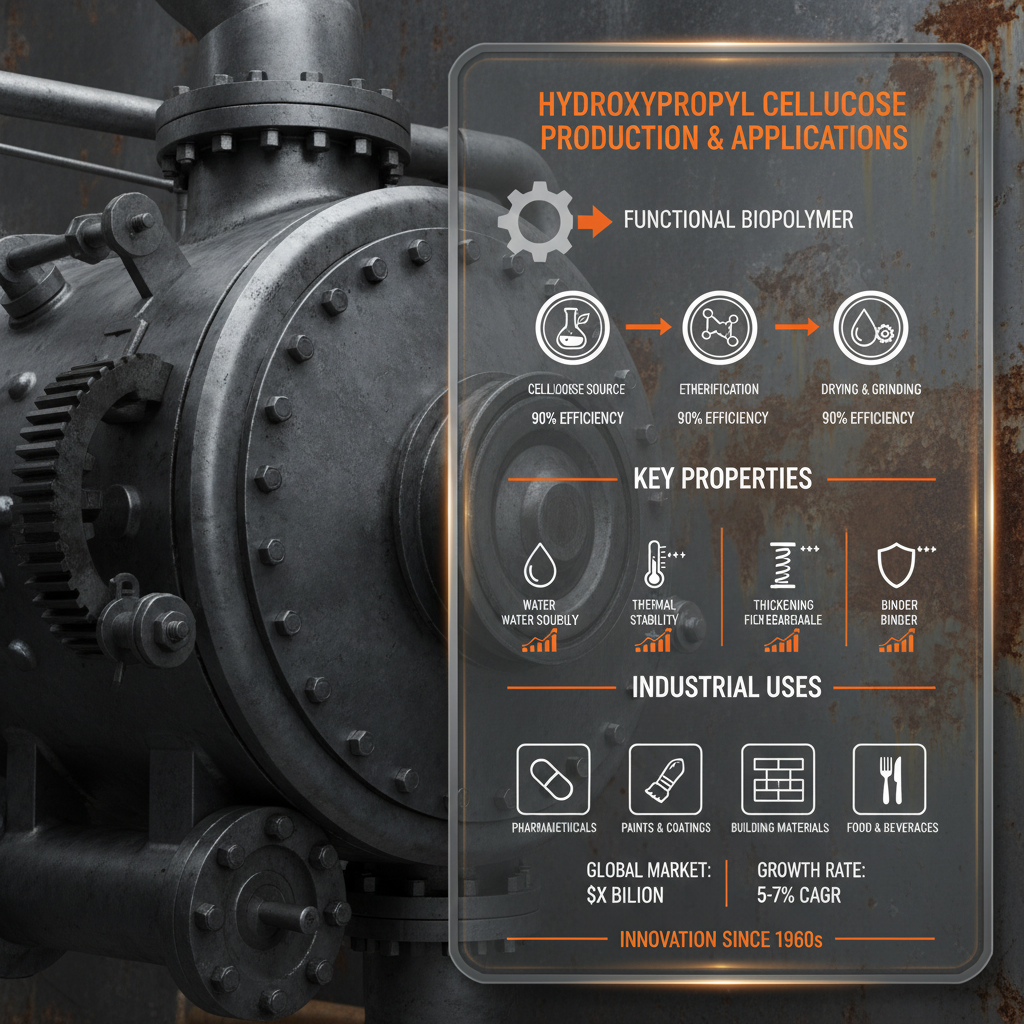
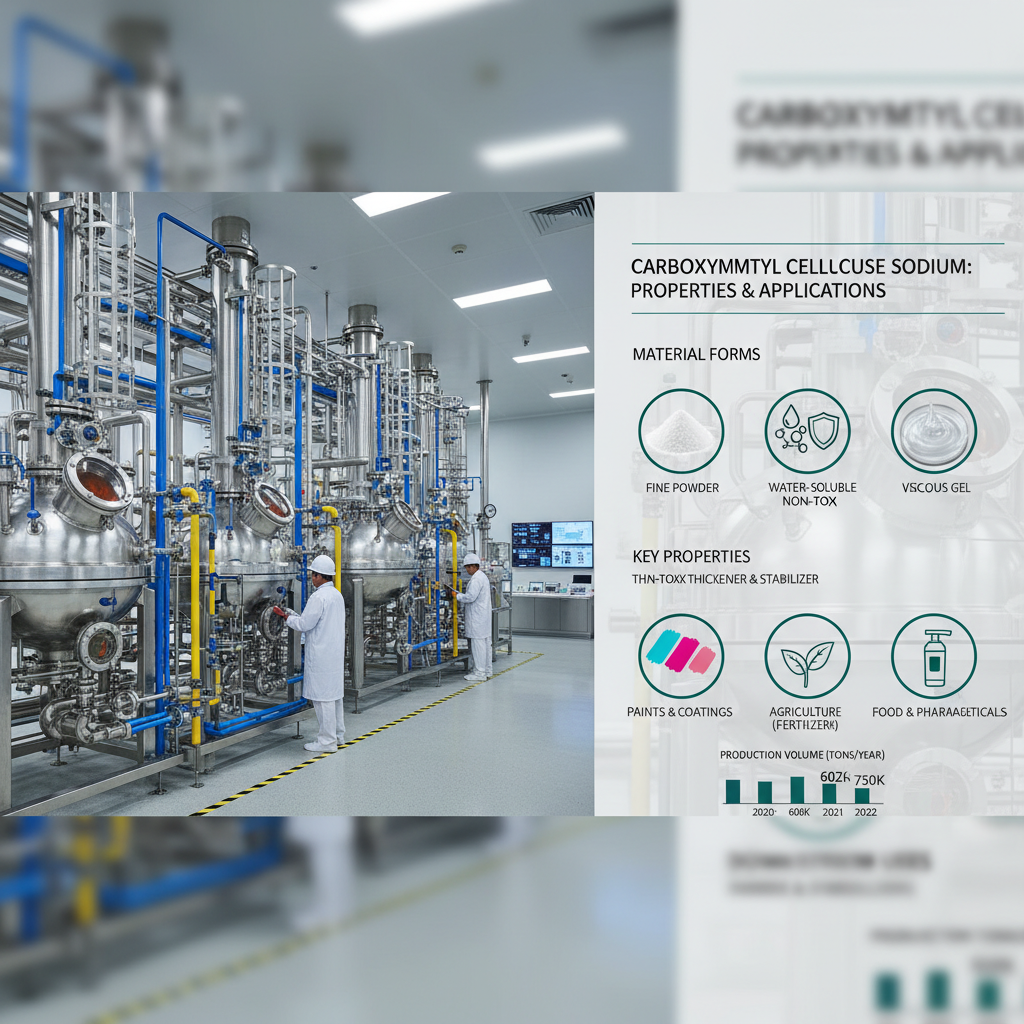
Hydroxypropyl cellulose (HPC) is a versatile, non-ionic cellulose ether gaining significant prominence across diverse industries globally. Its unique properties, including excellent water retention, thickening, film-forming capabilities, and thermal gelation, make it an indispensable ingredient in pharmaceuticals, food, construction, and personal care products. Understanding HPC is crucial for innovation and optimization in these sectors, directly impacting product quality, performance, and sustainability.
The global demand for cellulose ethers, including HPC, is steadily increasing, driven by expanding populations, urbanization, and a growing awareness of sustainable materials. According to recent market analyses, the cellulose ether market is projected to reach substantial growth within the next decade, with HPC playing a key role. This surge in demand presents both opportunities and challenges, requiring efficient production, responsible sourcing, and continuous research and development.
Hydroxypropyl cellulose addresses critical needs in various applications. From ensuring the stability and efficacy of pharmaceutical formulations to enhancing the texture and shelf life of food products, HPC contributes to improved quality of life and addresses complex formulation challenges. Its biocompatibility and non-toxicity further solidify its position as a preferred excipient and additive in numerous consumer products.
Introduction to Hydroxypropyl Cellulose
Hydroxypropyl cellulose stands as a prime example of how modified natural polymers can provide innovative solutions across a spectrum of industries. Its derivatization from cellulose, a renewable resource, aligns with growing demands for sustainable materials. This makes it a compelling alternative to synthetic polymers in many applications.
The increasing adoption of hydroxypropyl cellulose is not merely a trend; it’s a reflection of its functional versatility and the industry’s commitment to developing high-performance, environmentally responsible products. From pharmaceuticals to food processing and beyond, HPC continues to enable breakthroughs in formulation and processing technologies.
Defining Hydroxypropyl Cellulose
Hydroxypropyl cellulose is a non-ionic ether of cellulose, produced through the reaction of cellulose with propylene oxide. This modification introduces hydroxypropyl groups along the cellulose chain, altering its solubility, viscosity, and other key properties. Unlike ionic cellulose derivatives, HPC remains neutral in solution, making it compatible with a broader range of formulations.
Its versatility stems from the ability to control the degree of substitution (DS) and molecular weight during the manufacturing process. These parameters dictate the final characteristics of the HPC, allowing manufacturers to tailor the polymer to specific application requirements. This fine-tuning is essential for optimizing performance in diverse products.
The connection to modern industry and humanitarian needs lies in its ability to solve complex formulation challenges. Whether it’s providing sustained release in pharmaceuticals, ensuring stability in food products, or creating durable building materials, hydroxypropyl cellulose plays a vital role in delivering effective and reliable solutions.
Core Properties of Hydroxypropyl Cellulose
One of the most notable characteristics of HPC is its exceptional water retention capacity. This property is crucial in applications like construction, where it prevents premature drying of cement-based materials, ensuring proper hydration and strength development. In personal care products, it helps maintain moisture levels and enhances skin feel.
Thermal gelation is another unique feature of HPC. When heated in water, HPC solutions transition from a liquid to a gel, forming a clear, elastic network. This property is exploited in pharmaceutical formulations for creating controlled-release drug delivery systems and in food applications for thickening and stabilizing sauces and desserts.
HPC exhibits excellent film-forming capabilities, resulting in strong, flexible, and transparent films. This makes it a valuable component in coatings, adhesives, and packaging materials. Its neutral charge and low ionic content also minimize interactions with other formulation ingredients, ensuring compatibility and stability.
Applications Across Industries
The pharmaceutical industry utilizes hydroxypropyl cellulose extensively as a binder, film-former, and controlled-release agent in tablets, capsules, and topical formulations. Its biocompatibility and non-toxicity are paramount in these applications, ensuring patient safety and efficacy.
In the food industry, HPC functions as a thickener, stabilizer, and emulsifier in a wide range of products, including sauces, dressings, baked goods, and dairy products. It improves texture, extends shelf life, and enhances overall product quality. Its ability to maintain product consistency is particularly valuable in processed foods.
Comparative Performance of Hydroxypropyl Cellulose Grades
Advantages and Long-Term Value
The cost-effectiveness of HPC, particularly when considering its high performance and minimal usage rates, offers significant economic benefits. Its versatility allows for fewer ingredients in formulations, simplifying production processes and reducing overall costs. Furthermore, its long-term stability ensures extended product shelf life, minimizing waste.
Sustainability is a key advantage. Being derived from renewable cellulose, HPC offers a lower carbon footprint compared to many synthetic alternatives. Its biodegradability also contributes to reduced environmental impact, aligning with growing consumer demand for eco-friendly products.
Future Trends in Hydroxypropyl Cellulose
Research and development are focused on enhancing HPC properties through advanced modification techniques. This includes tailoring molecular weight, degree of substitution, and particle size to achieve even greater performance and customization. Nanotechnology is also being explored to create HPC-based nanocomposites with enhanced mechanical and barrier properties.
Growing demand for plant-based and sustainable materials is driving increased adoption of HPC in various industries. The integration of HPC with digital transformation technologies, such as AI-powered formulation optimization, is expected to accelerate innovation and reduce time-to-market for new products.
The development of more efficient and environmentally friendly production processes for HPC is also a key focus, aiming to reduce manufacturing costs and minimize waste. These advancements will further solidify HPC's position as a leading sustainable polymer.
Challenges and Solutions in HPC Utilization
One challenge in utilizing HPC is achieving consistent quality and performance across different batches. Variations in cellulose source and manufacturing processes can lead to inconsistencies. Implementing rigorous quality control measures and standardized production protocols are crucial for mitigating this risk.
Another limitation can be its relatively low solubility in cold water. Pre-treatment methods, such as milling or micronization, can improve dispersibility and dissolution rates. Formulation strategies, such as using co-solvents or incorporating surfactants, can also enhance solubility.
Optimizing HPC performance often requires a deep understanding of its interactions with other formulation ingredients. Employing advanced analytical techniques and formulation expertise is essential for overcoming these challenges and maximizing the benefits of this versatile polymer.
Summary of Hydroxypropyl Cellulose Challenges and Solutions
| Challenge |
Impact on Performance |
Proposed Solution |
Implementation Cost (1-10) |
| Batch-to-Batch Variability |
Inconsistent Viscosity, Gelation |
Rigorous Quality Control |
4 |
| Low Cold Water Solubility |
Slow Dissolution, Poor Dispersion |
Micronization, Co-solvents |
6 |
| Formulation Compatibility |
Instability, Phase Separation |
Ingredient Screening, Compatibility Studies |
5 |
| Thermal Degradation |
Loss of Viscosity, Reduced Performance |
Stabilizers, Optimized Processing Temperatures |
3 |
| Cost Considerations |
Higher Cost Than Some Alternatives |
Optimization of Usage Rates, Value Analysis |
2 |
| Regulatory Compliance |
Varying Standards Across Regions |
Thorough Documentation, Regional Expertise |
7 |
FAQS
While both are cellulose ethers, hydroxypropyl cellulose (HPC) offers advantages in solubility, particularly in organic solvents, and boasts a more pronounced thermal gelation property. Methylcellulose is more commonly used in aqueous systems and exhibits different rheological characteristics. HPC also tends to have lower haze in solution, making it preferable for applications requiring clarity.
Yes, hydroxypropyl cellulose is generally recognized as safe (GRAS) by regulatory bodies like the FDA for use in food applications. It’s non-toxic, non-allergenic, and doesn’t contribute significant calories. However, specific regulations regarding maximum usage levels may vary depending on the region and product category.
Molecular weight significantly influences HPC’s viscosity and solution behavior. Higher molecular weight HPC results in higher viscosity solutions, providing greater thickening and film-forming capabilities. Lower molecular weight HPC offers better solubility and easier processing, but may have reduced thickening power.
The degree of substitution (DS) refers to the average number of hydroxypropyl groups attached to each glucose unit in the cellulose chain. Higher DS generally leads to increased water solubility and decreased gel strength. Controlling DS allows manufacturers to tailor HPC properties for specific applications.
Absolutely. HPC is widely used in topical pharmaceutical formulations as a binder, film-former, and viscosity-enhancing agent. Its biocompatibility and non-irritating nature make it suitable for direct skin contact. It also aids in controlling drug release from topical dosage forms.
HPC should be stored in a cool, dry, and well-ventilated area, protected from direct sunlight and moisture. Exposure to high humidity can cause clumping and affect its performance. Properly stored HPC can maintain its quality for several years.
Conclusion
Hydroxypropyl cellulose represents a significant advancement in polymer technology, offering a unique combination of properties that make it invaluable across a diverse range of industries. Its versatility, sustainability, and biocompatibility position it as a key ingredient in addressing complex formulation challenges and driving innovation in pharmaceuticals, food, construction, and beyond.
Looking ahead, continued research and development focused on optimizing HPC properties and exploring new applications will further unlock its potential. Embracing sustainable practices in its production and promoting its responsible use are crucial for maximizing its long-term benefits and ensuring a positive impact on both industry and the environment. To learn more about the power of hydroxypropyl cellulose, visit our website today.