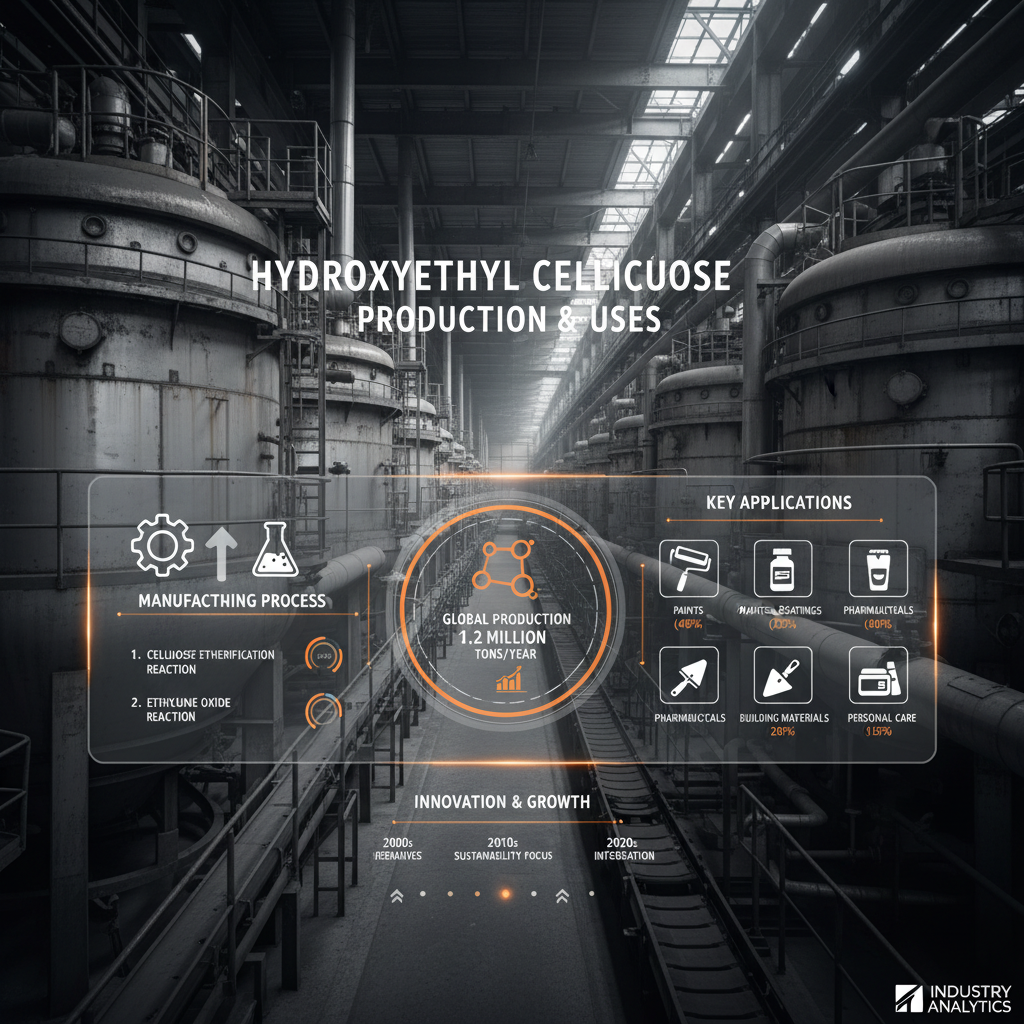
Cellulose, the most abundant organic polymer on Earth, forms the structural component of plant cell walls. Understanding the different types of cellulose – from the crystalline forms found in wood to the modified versions used in industries – is crucial for innovation across sectors. This knowledge unlocks possibilities in materials science, biomedicine, and sustainable manufacturing, contributing significantly to global resource management and technological advancement.
The global demand for cellulose and its derivatives is steadily increasing, driven by factors like population growth, expanding economies, and a growing emphasis on sustainable materials. According to the Food and Agriculture Organization of the United Nations (FAO), forests provide over half of the world’s industrial wood and fiber-based products, much of which originates from cellulose. This increasing demand presents both opportunities and challenges, demanding more efficient extraction methods and innovative applications to mitigate environmental impacts.
From everyday products like paper and textiles to cutting-edge applications in pharmaceuticals and biofuels, different types of cellulose underpin countless aspects of modern life. Exploring the nuances of these variations – microcrystalline cellulose, carboxymethyl cellulose, and others – empowers businesses and researchers to develop tailored solutions for a diverse range of needs.
Introduction to Different Types of Cellulose
The variations in different types of cellulose stem from their source material and the processing methods applied. From the native cellulose found in cotton and wood to chemically modified versions like methylcellulose and hydroxypropyl methylcellulose (HPMC), each form possesses unique properties. These differences dictate their suitability for specific applications, ranging from pharmaceutical excipients to food additives and industrial binders.
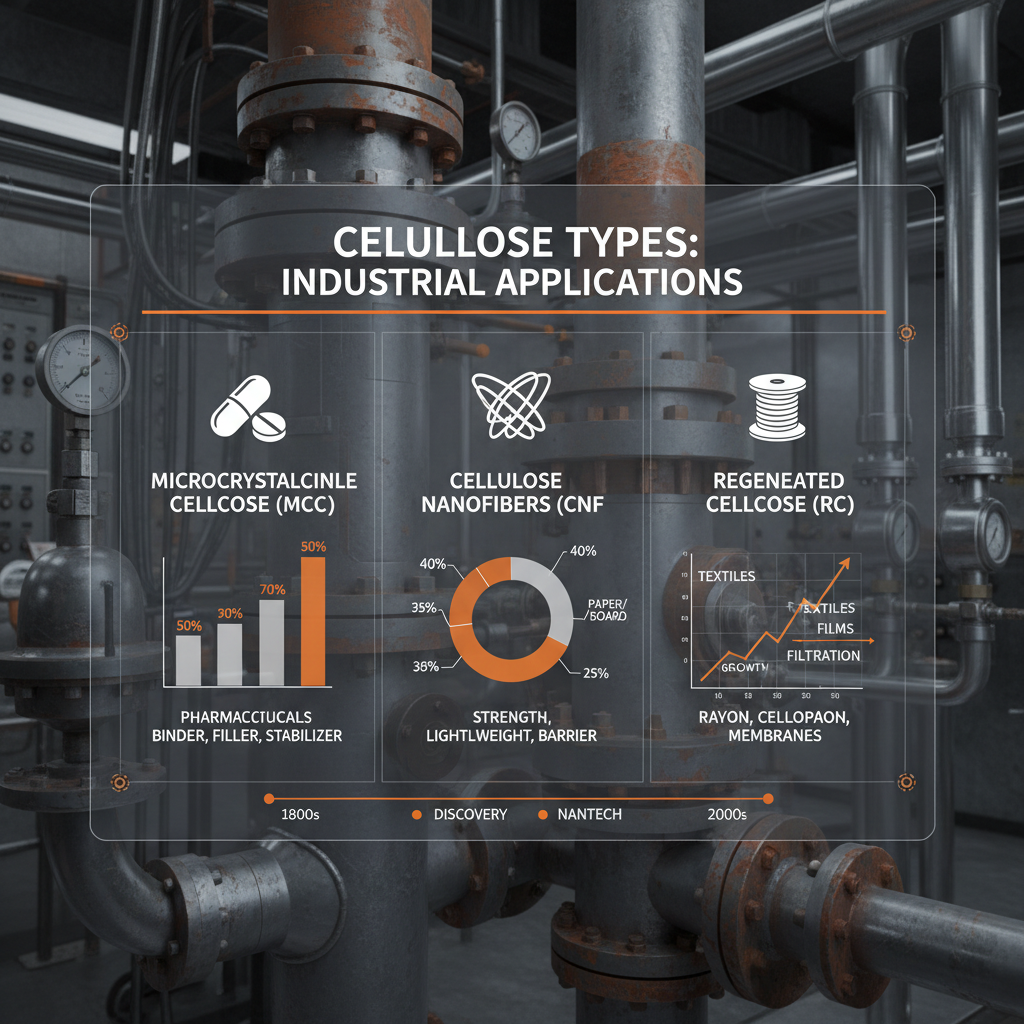
Exploring these nuanced differences allows for the creation of materials with tailored functionality. For example, microcrystalline cellulose (MCC) is renowned for its excellent compressibility, making it a vital ingredient in tablet manufacturing, while cellulose nanocrystals (CNC) exhibit exceptional strength and are being investigated for use in composites and advanced materials. Understanding these applications requires a deep dive into the spectrum of different types of cellulose available.
Defining Different Types of Cellulose
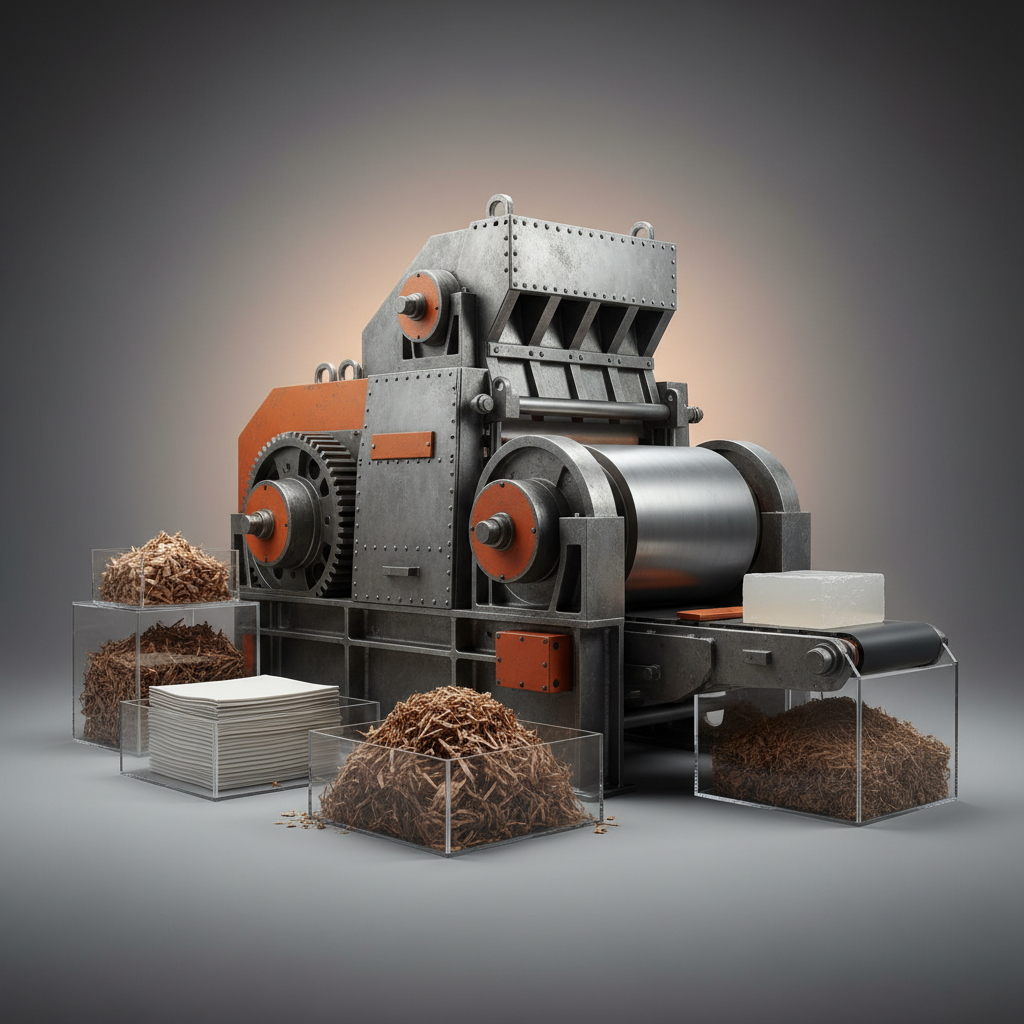
At its core, cellulose is a linear polysaccharide composed of repeating glucose units, linked by β-1,4-glycosidic bonds. This seemingly simple structure belies a remarkable versatility. The source of the cellulose – whether it’s wood pulp, cotton linters, or bacterial fermentation – influences its purity, fiber length, and crystalline structure. These fundamental characteristics then determine the specific properties of the resulting cellulose type.
Chemically modified cellulose derivatives, created through processes like esterification and etherification, introduce functional groups that alter the polymer’s solubility, viscosity, and reactivity. For instance, carboxymethyl cellulose (CMC) is water-soluble and widely used as a thickener and stabilizer in food and cosmetics, while cellulose acetate is used in the production of cigarette filters and photographic film.
Ultimately, defining different types of cellulose comes down to understanding how these structural and chemical variations influence their macroscopic behavior and potential applications in modern industry and addressing humanitarian needs, like water purification or wound healing.
Core Characteristics of Cellulose Variants
Several key characteristics differentiate the various forms of cellulose. These include degree of polymerization (DP), which indicates the chain length of the cellulose molecule; crystallinity, which reflects the ordered arrangement of cellulose chains; and molecular weight distribution, impacting viscosity and mechanical properties. These factors are all influenced by the source material and processing techniques used.
Durability is a primary benefit. Cellulose is inherently resistant to degradation, offering longevity in applications. Scalability is also noteworthy; cellulose is sourced from renewable resources, making large-scale production feasible. Cost-efficiency stems from the abundance of raw materials and relatively simple processing methods for many cellulose types. Finally, versatility allows tailoring to numerous uses via chemical modifications.
Furthermore, understanding the surface area and porosity of cellulose materials is critical, especially for applications in adsorption, catalysis, and drug delivery. The ability to manipulate these properties through controlled processing allows for the creation of highly specialized materials, each optimized for a specific purpose. This adaptability underscores the importance of considering these core characteristics when selecting the most appropriate type of cellulose for a given application.
Global Applications and Diverse Use Cases
The applications of different types of cellulose are incredibly diverse. In the paper industry, wood pulp cellulose is the primary raw material. In textiles, regenerated cellulose fibers like viscose and lyocell are used to create fabrics. In the pharmaceutical sector, microcrystalline cellulose (MCC) serves as a crucial excipient in tablet formulations, while cellulose ethers like HPMC control drug release rates.
Globally, these materials are integral to various industries. North America and Europe are major consumers of cellulose derivatives in pharmaceutical and food applications. Asia-Pacific, particularly China and India, drives demand in the textile and paper industries. In post-disaster relief operations, cellulose-based absorbent materials are used for spill control and hygiene products.
Innovative uses continue to emerge. In remote industrial zones, cellulose-based biofilms offer sustainable packaging solutions, minimizing plastic waste. Researchers are exploring cellulose nanocrystals (CNC) for use in high-performance composites for the automotive and aerospace industries, paving the way for lighter and stronger materials.
Comparative Performance of Different Cellulose Processing Methods
Advantages and Long-Term Value Proposition
One of the most compelling advantages of utilizing different types of cellulose is their inherent sustainability. Derived from renewable biomass, they offer a viable alternative to petroleum-based materials, reducing reliance on fossil fuels and minimizing carbon footprints. This aligns with growing global efforts to promote circular economies and reduce environmental impact.
Beyond sustainability, cellulose-based products often exhibit excellent biocompatibility and biodegradability, making them ideal for applications in healthcare and packaging. This reduces the accumulation of plastic waste and minimizes risks associated with environmental contamination. Moreover, the relative abundance and low cost of cellulose contribute to its economic viability, making it accessible for a wide range of applications.
Future Trends and Emerging Innovations
The future of cellulose technology lies in advancements in nanotechnology and materials science. Cellulose nanocrystals (CNC) and cellulose nanofibrils (CNF) are gaining traction as reinforcing agents in composites, offering lightweight, high-strength materials for diverse applications. Researchers are also exploring the use of cellulose-based hydrogels for tissue engineering and drug delivery.
Driven by green chemistry principles, innovative methods for cellulose extraction and modification are being developed to minimize environmental impact. This includes exploring enzymatic hydrolysis and solvent-free processing techniques. Furthermore, the integration of cellulose with other sustainable materials, such as bioplastics and natural polymers, promises to unlock new possibilities for creating eco-friendly products.
Challenges and Potential Solutions
Despite its numerous advantages, the widespread adoption of certain types of cellulose faces challenges. Controlling the degree of polymerization and crystallinity during processing can be difficult, leading to inconsistencies in material properties. Ensuring cost-competitiveness with traditional materials, particularly in large-scale applications, also remains a hurdle.
Addressing these challenges requires continued investment in research and development. Optimizing extraction and purification processes, exploring novel chemical modification techniques, and scaling up production capacity are essential steps. Furthermore, fostering collaboration between researchers, industry, and policymakers can accelerate the development and commercialization of innovative cellulose-based technologies.
Developing standardized testing methods and quality control procedures will also be crucial for building trust and ensuring the reliability of cellulose-based products. By overcoming these hurdles, we can unlock the full potential of different types of cellulose and pave the way for a more sustainable and innovative future.
Summary of Key Characteristics and Applications of Different Cellulose Types
| Cellulose Type |
Key Characteristics |
Primary Applications |
Sustainability Rating (1-10) |
| Microcrystalline Cellulose (MCC) |
High compressibility, inert, water-soluble |
Pharmaceutical excipient (tablets), food thickener |
9 |
| Carboxymethyl Cellulose (CMC) |
Water-soluble, thickening agent, film-forming |
Food stabilizer, cosmetics, detergents |
8 |
| Hydroxypropyl Methylcellulose (HPMC) |
Controlled-release polymer, thickening agent |
Pharmaceutical coatings, food glazing, construction materials |
8 |
| Cellulose Acetate |
Thermoplastic, film-forming, biodegradable |
Cigarette filters, photographic film, textiles |
7 |
| Cellulose Nanocrystals (CNC) |
High strength, high aspect ratio, biocompatible |
Composites, coatings, biomedical applications |
10 |
| Cellulose Nanofibrils (CNF) |
High surface area, strong network structure |
Packaging, barrier films, reinforced materials |
9 |
FAQS
Microcrystalline cellulose (MCC) is a partially depolymerized cellulose with a crystalline structure, offering excellent compressibility for tablet formation. Cellulose powder, on the other hand, typically refers to more broadly processed cellulose with a less defined crystalline structure, often used as a general filler or binder. MCC’s refined structure provides superior performance in pharmaceutical applications needing consistent compaction and dissolution.
The source of cellulose significantly influences its properties. Wood pulp cellulose often contains lignin and hemicellulose impurities, impacting purity and color. Cotton linters yield highly purified cellulose with longer fiber lengths, ideal for high-quality applications. Bacterial cellulose boasts exceptional purity and mechanical strength due to its unique biosynthesis process. Different origins create nuances in crystallinity, particle size, and overall performance.
While starting from a natural source, chemically modified cellulose undergoes alterations that change its original properties. The extent of modification dictates its classification. Derivatives like carboxymethyl cellulose (CMC) and hydroxypropyl methylcellulose (HPMC) are still often considered bio-based but are not entirely ‘natural’ in the same way as unprocessed cellulose. They represent a bridge between natural and synthetic materials.
Traditional cellulose production can involve energy-intensive processes and the use of harsh chemicals. Deforestation linked to wood pulp extraction also poses an environmental threat. However, sustainable forestry practices, the use of alternative cellulose sources (like agricultural waste), and the development of greener processing methods—such as enzymatic hydrolysis—are mitigating these concerns. Choosing responsibly sourced and processed cellulose is crucial.
Cellulose nanocrystals (CNCs) hold tremendous promise as a reinforcing agent in composites, enhancing strength and reducing weight. Their biocompatibility makes them ideal for biomedical applications like drug delivery and tissue engineering. Ongoing research explores CNCs in packaging, electronics, and high-performance coatings. Overcoming scalability and cost barriers is key to their widespread adoption.
Industries can prioritize sustainable sourcing by seeking certifications like the Forest Stewardship Council (FSC) for wood-based cellulose. Utilizing agricultural residues and waste streams as feedstock reduces reliance on virgin forests. Implementing closed-loop manufacturing systems, minimizing chemical use, and promoting transparency throughout the supply chain contribute to greater sustainability. Collaborating with suppliers committed to responsible practices is essential.
Conclusion
Different types of cellulose represent a cornerstone of modern materials science, offering a versatile and sustainable platform for innovation across diverse industries. From the fundamental building block of plant life to highly engineered derivatives, these materials provide solutions for critical challenges in healthcare, packaging, construction, and beyond. Understanding the nuances of their properties and applications is essential for driving sustainable growth and technological advancement.
Looking ahead, continued research and development focused on optimizing production processes, exploring novel modifications, and scaling up emerging technologies like cellulose nanocrystals will unlock even greater potential. Embracing cellulose-based solutions is not merely an environmental imperative; it’s a strategic opportunity to build a more resilient, sustainable, and innovative future. For more information on specific cellulose products and applications, visit our website: www.hpmcpowder.com.