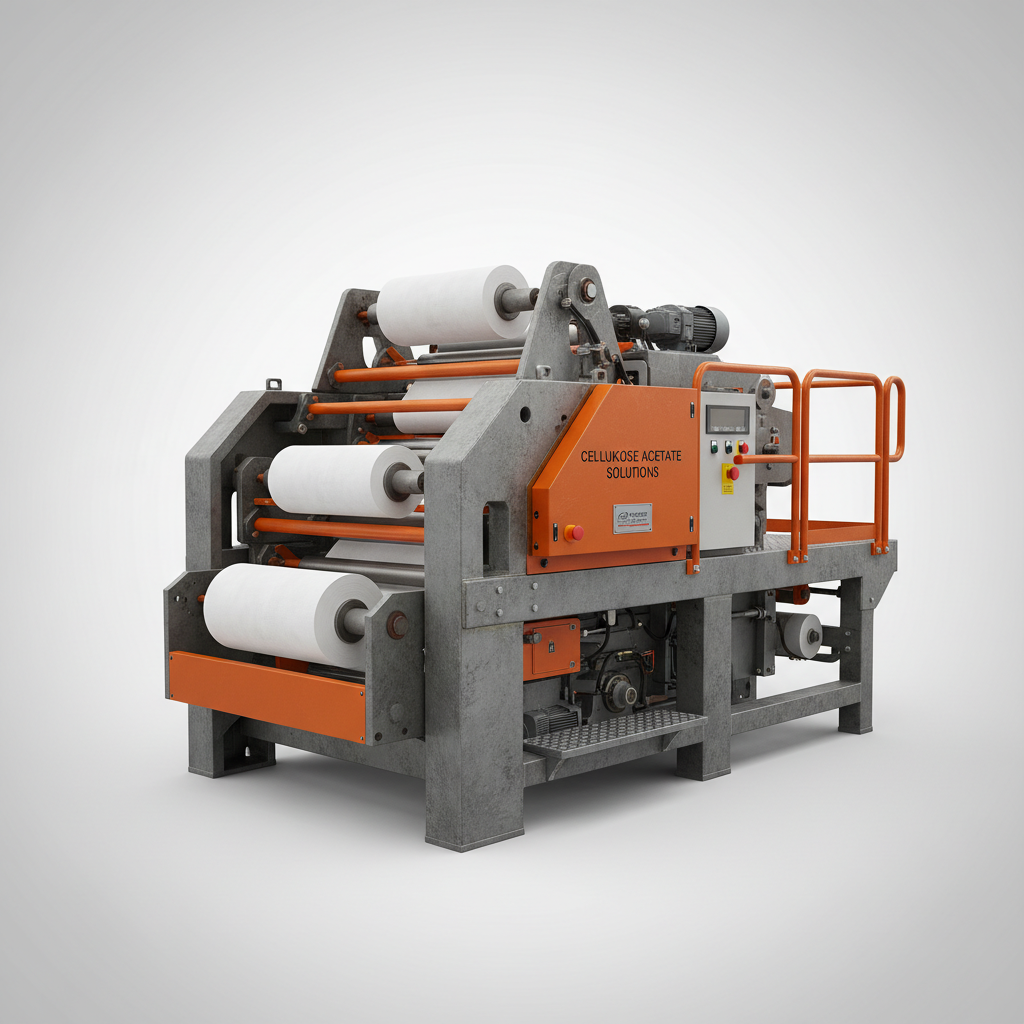
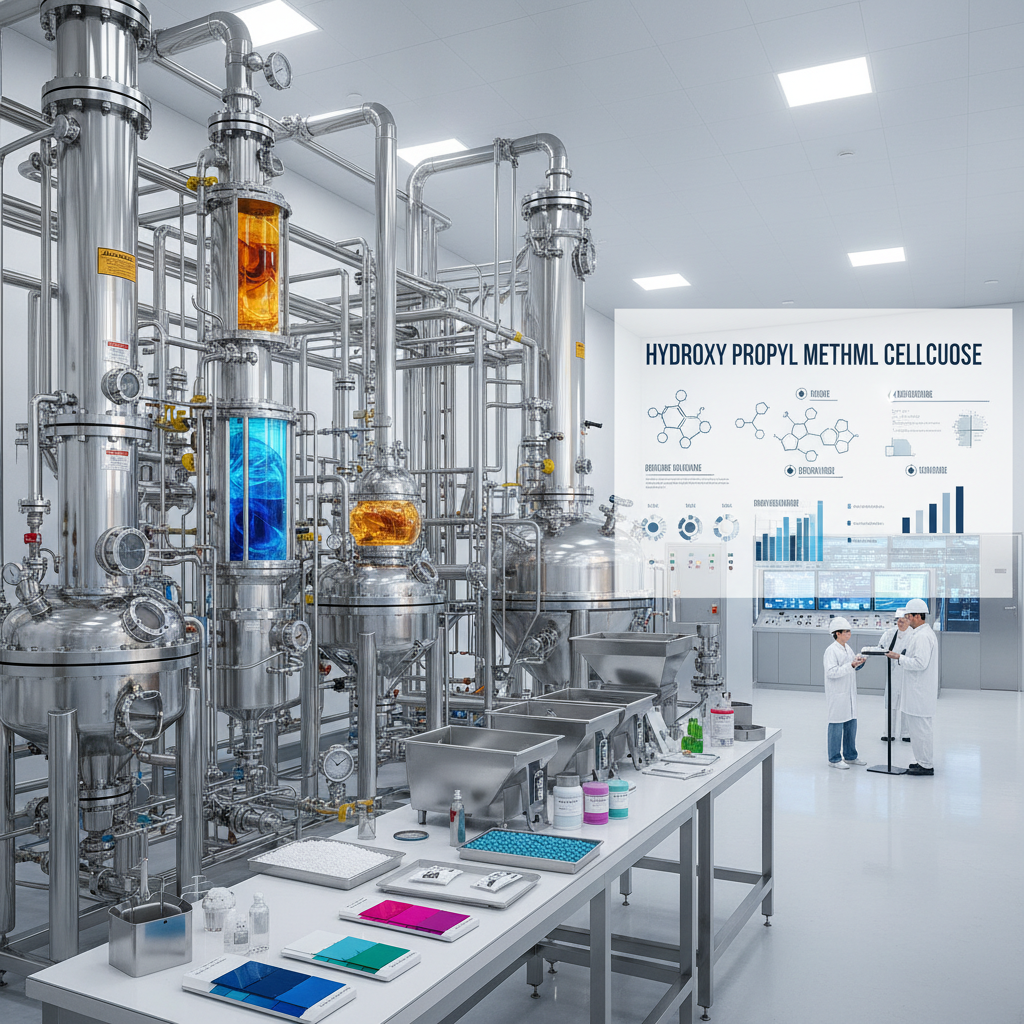
Cellulose type materials are fundamental to numerous industries, from textiles and paper production to pharmaceuticals and food processing. Their ubiquity stems from cellulose’s abundance – it’s the most abundant organic polymer on Earth – and its versatile properties. Understanding the different types of cellulose, their modifications, and applications is crucial for innovation and sustainable practices. This knowledge impacts global supply chains, manufacturing processes, and the development of eco-friendly alternatives to traditional materials.
The global demand for cellulose and its derivatives is constantly increasing, driven by population growth, rising living standards, and a growing emphasis on bio-based materials. According to the UN, sustainable resource management is critical for achieving the Sustainable Development Goals, and cellulose, sourced responsibly, plays a vital role in this. The development of advanced cellulose type materials is also directly linked to advancements in areas like biomedical engineering and renewable energy, creating opportunities for economic growth and societal benefit.
Ultimately, a comprehensive understanding of cellulose type, its characteristics and applications, equips professionals and researchers with the tools to address contemporary challenges and unlock new possibilities across various sectors. The ability to tailor cellulose properties for specific uses ensures its continued importance in a world striving for sustainability and innovation.
The Significance of Cellulose Type
The classification of cellulose type isn't simply academic; it directly impacts how we utilize this abundant resource. Different cellulose types, stemming from varying sources and processing methods, exhibit distinct properties. These variations dictate their suitability for specific applications, influencing everything from the strength of paper to the functionality of pharmaceutical excipients. Understanding these nuances is critical for optimizing performance and minimizing waste.
A thorough understanding of cellulose type also supports the development of sustainable practices. Knowing the source of cellulose – whether it’s wood pulp, cotton linters, or bacterial cellulose – allows for informed decisions about responsible sourcing and environmental impact. This is increasingly important as businesses and consumers alike demand transparency and eco-conscious products. cellulose type drives innovation.
Defining Cellulose Type
Cellulose type refers to the classification of cellulose based on its source, structure, and degree of crystallinity. At its core, cellulose is a linear polysaccharide composed of glucose units linked by β-1,4-glycosidic bonds. However, the origin of the cellulose – be it wood, cotton, or bacteria – influences the arrangement of these chains and the resulting physical and chemical properties.
Different forms exist, including α-cellulose, β-cellulose, and γ-cellulose, categorized by their purity and crystallinity. α-cellulose, being the purest form, is commonly used in high-quality paper and textiles. β and γ-cellulose contain hemicellulose and lignin, respectively, and are often found in lower-grade applications. Modifications to cellulose, such as carboxymethyl cellulose (CMC) and microcrystalline cellulose (MCC), further expand the range of available cellulose types.
Understanding these distinctions is essential because the specific cellulose type chosen will dramatically affect the final product’s characteristics, such as its strength, solubility, and reactivity. This connection to modern industrial applications and humanitarian needs makes accurate identification and classification crucial.
Key Properties of Cellulose Type
Several key properties define the usefulness of different cellulose types. Crystallinity plays a significant role; higher crystallinity generally leads to increased strength and rigidity, making it suitable for structural applications. The degree of polymerization (DP), referring to the number of glucose units in a cellulose chain, also affects its properties—longer chains generally contribute to higher tensile strength.
Water absorption is another critical factor. Some cellulose types, like cellulose acetate, exhibit lower water absorption, making them suitable for applications requiring dimensional stability in humid environments. Chemical reactivity also varies, with certain modifications, such as etherification or esterification, creating cellulose derivatives with tailored properties for specific uses.
Finally, biodegradability is an important consideration for environmentally conscious applications. Native cellulose is readily biodegradable, although the rate of degradation can be influenced by factors like crystallinity and the presence of modifications. The inherent sustainability of cellulose type is a major driver of its growing popularity.
Practical Applications of Cellulose Type
The diverse range of cellulose types fuels an equally diverse array of applications. In the paper industry, α-cellulose from wood pulp is the primary component, determining paper strength and brightness. In textiles, cellulose from cotton and rayon is used to create fabrics prized for their comfort and breathability.
The pharmaceutical industry utilizes microcrystalline cellulose (MCC) as a binder and diluent in tablet formulations. Food processing employs cellulose derivatives like carboxymethyl cellulose (CMC) as thickeners, stabilizers, and emulsifiers. These examples only scratch the surface; cellulose type finds applications in everything from cosmetics to construction materials.
Cellulose Type Application Suitability
Global Applications and Use Cases
The applications of different cellulose types span the globe. In Asia, the paper and textile industries heavily rely on cellulose derived from fast-growing trees like eucalyptus and bamboo. Europe leads in the development of innovative cellulose-based materials for packaging and construction. North America is a significant consumer of cellulose derivatives in the pharmaceutical and food industries.
In post-disaster relief operations, cellulose-based nonwoven fabrics are used for absorbent hygiene products and wound care. In remote industrial zones, cellulose nanofibrils are being explored as reinforcement agents in concrete, enhancing its strength and durability. cellulose type is key in these applications.
Organizations like the Food and Agriculture Organization (FAO) promote sustainable forest management practices to ensure a responsible supply of cellulose for various applications, contributing to both economic development and environmental protection.
Advantages and Long-Term Value
Cellulose type offers several tangible advantages. Cost-effectiveness is a major driver, as cellulose is an abundant and readily available resource. Its biodegradability aligns with growing sustainability concerns, reducing environmental impact. The natural abundance of cellulose contributes to supply chain resilience.
Beyond these practical benefits, cellulose provides a sense of safety and trust, particularly in applications like food and pharmaceuticals. Its versatility allows for innovation, creating opportunities for new products and processes. Long-term value stems from its renewability and the potential for developing closed-loop systems, minimizing waste and maximizing resource utilization.
Future Trends and Innovations in Cellulose Type
The future of cellulose type is bright, with ongoing research focusing on nanotechnology and genetic engineering. Cellulose nanocrystals (CNCs) and cellulose nanofibrils (CNFs) are gaining prominence as high-performance materials with applications in composites, coatings, and biomedical engineering. Advances in bacterial cellulose production offer sustainable alternatives to traditional cellulose sources.
The integration of cellulose into green energy technologies is also gaining traction. Cellulose can be converted into biofuels, offering a renewable alternative to fossil fuels. Furthermore, the development of biodegradable plastics based on cellulose derivatives aims to address the global plastic pollution crisis. The exploration of cellulose-based materials in digital transformation, such as flexible electronics, is also emerging.
Policy initiatives promoting bio-based materials and circular economy principles are expected to further accelerate the adoption of innovative cellulose type applications.
Challenges and Solutions
Despite its advantages, utilizing cellulose type isn't without challenges. One primary hurdle is the energy-intensive nature of some cellulose processing methods. Another is the difficulty in achieving consistent quality and properties across different cellulose sources. The development of effective methods for separating cellulose from lignin and hemicellulose remains an ongoing area of research.
Innovative solutions are emerging to address these challenges. Pretreatment technologies like ionic liquid dissolution and enzymatic hydrolysis offer more efficient and environmentally friendly ways to extract cellulose. Advanced purification techniques are improving cellulose purity and consistency. Furthermore, genetic engineering and selective breeding programs are aimed at developing cellulose-producing plants with optimized properties.
Summary of Solutions for Cellulose Type Challenges
| Challenge |
Solution Type |
Specific Solution |
Implementation Status |
| High Processing Energy |
Pretreatment Technology |
Ionic Liquid Dissolution |
Pilot Scale |
| Inconsistent Quality |
Purification Techniques |
Membrane Filtration |
Commercial |
| Lignin/Hemicellulose Separation |
Biochemical Method |
Enzymatic Hydrolysis |
Research & Development |
| Supply Chain Sustainability |
Sustainable Sourcing |
Certified Forest Management |
Widespread |
| Limited Functionality |
Chemical Modification |
Carboxymethylation |
Commercial |
| Cost of Nanomaterials |
Process Optimization |
High-Throughput Production |
Emerging |
FAQS
Wood pulp cellulose, while readily available and cost-effective, often contains lignin and hemicellulose impurities, requiring extensive purification. Bacterial cellulose, produced by bacteria, boasts exceptional purity, high crystallinity, and a unique nanofibrillar structure. This results in superior mechanical strength, water-holding capacity, and biocompatibility, making it ideal for medical and high-performance applications. However, bacterial cellulose production is typically more expensive and less scalable than wood pulp processing.
The degree of polymerization (DP) directly impacts cellulose’s mechanical properties. Higher DP values – indicating longer cellulose chains – correlate with increased tensile strength, stiffness, and crystallinity. This is because longer chains can entangle more effectively, creating a stronger and more robust material. However, very high DP can also lead to processing challenges due to increased viscosity. DP is a crucial parameter considered during selection for various applications.
The biodegradability of chemically modified cellulose depends on the nature of the modification. Some modifications, such as carboxymethylation, generally retain biodegradability, though the rate may be slower than native cellulose. Others, like cellulose acetate, exhibit slower degradation rates, depending on the degree of acetylation. It’s vital to assess the specific modification and environmental conditions to determine biodegradability.
CNCs offer a range of possibilities for the automotive industry. They can be incorporated into composite materials to enhance strength and reduce weight, leading to improved fuel efficiency. CNCs can also be used as a reinforcing agent in tires, increasing their durability and reducing rolling resistance. Furthermore, their barrier properties make them suitable for coatings and films protecting automotive components.
Ensuring sustainable cellulose sourcing involves prioritizing certified forest management practices (e.g., FSC certification), utilizing agricultural residues and waste streams as feedstock, and promoting closed-loop systems that minimize waste and maximize resource utilization. Transparency in the supply chain and traceability of cellulose origins are also critical for verifying sustainability claims.
Enzymatic hydrolysis utilizes enzymes to break down cellulose into simpler sugars, like glucose. This process is a more environmentally friendly alternative to traditional chemical methods, offering lower energy consumption and reduced pollution. It's widely used in biofuel production, food processing, and the creation of cellulose derivatives. Optimizing enzyme efficiency and reducing processing costs remain areas of active research.
Conclusion
In conclusion, cellulose type materials are foundational to a wide spectrum of industries, offering a unique combination of versatility, sustainability, and cost-effectiveness. From their basic properties to advanced applications in nanotechnology and green energy, understanding the nuances of cellulose type is crucial for driving innovation and addressing global challenges. The various classifications and modifications of cellulose enable tailored solutions for diverse needs, making it a remarkably adaptable resource.
Looking ahead, continued research and development focused on optimizing cellulose processing, enhancing its functionality, and promoting sustainable sourcing practices will unlock even greater potential. Embracing cellulose type as a cornerstone of a circular economy and a bio-based future is essential for building a more sustainable and resilient world. Visit our website to learn more: www.hpmcpowder.com