sigmacell cellulose type 20 represents a significant advancement in material science, offering unique properties that cater to a wide range of applications. Its distinct characteristics, stemming from its manufacturing process, position it as a key component in industries seeking sustainable and high-performance materials. Understanding the nuances of sigmacell cellulose type 20 is crucial for innovators and manufacturers alike, as it unlocks potential for developing more efficient, durable, and environmentally conscious products.
The global demand for sustainable materials is steadily increasing, driven by environmental concerns and regulatory pressures. sigmacell cellulose type 20 directly addresses this need, presenting a bio-based alternative to traditional materials that often rely on fossil fuels. This shift towards eco-friendly solutions presents significant opportunities for companies adopting sigmacell cellulose type 20 in their supply chains, enhancing their brand reputation and attracting environmentally conscious consumers.
Furthermore, the versatility of sigmacell cellulose type 20 extends its applicability beyond environmental considerations. Its exceptional performance characteristics, including its structural integrity and adaptability, allow for its implementation in diverse sectors like pharmaceuticals, food processing, and construction, driving innovation and efficiency across multiple industries.
The Core Principles of sigmacell Cellulose Type 20
sigmacell cellulose type 20's fundamental principle lies in its highly purified crystalline cellulose structure. This unique structure, derived from specialized wood pulping processes, provides exceptional strength and stability. It is this core characteristic that makes sigmacell cellulose type 20 valuable in various applications demanding structural integrity.
The manufacturing process of sigmacell cellulose type 20 prioritizes sustainability, using renewable resources and minimizing environmental impact. This aligns with the growing global emphasis on bio-based materials and circular economy principles. The high purity of the cellulose also contributes to its versatility and compatibility with other materials, facilitating its incorporation into diverse formulations.
Global Relevance and Industry Impact
The demand for cellulose-based materials is substantial and growing globally, estimated at multi-billion dollar market size. This growth is particularly pronounced in regions prioritizing sustainable development and renewable resources. The UN Sustainable Development Goals, specifically those related to responsible consumption and production, actively promote the use of materials like sigmacell cellulose type 20.
Industries such as pharmaceuticals, food processing, and construction are increasingly adopting sigmacell cellulose type 20 as a crucial component. Its non-toxic nature and biocompatibility make it ideal for pharmaceutical applications, while its functionality enhances food texture and stability. In construction, it contributes to the development of eco-friendly building materials, reducing the carbon footprint of the industry.
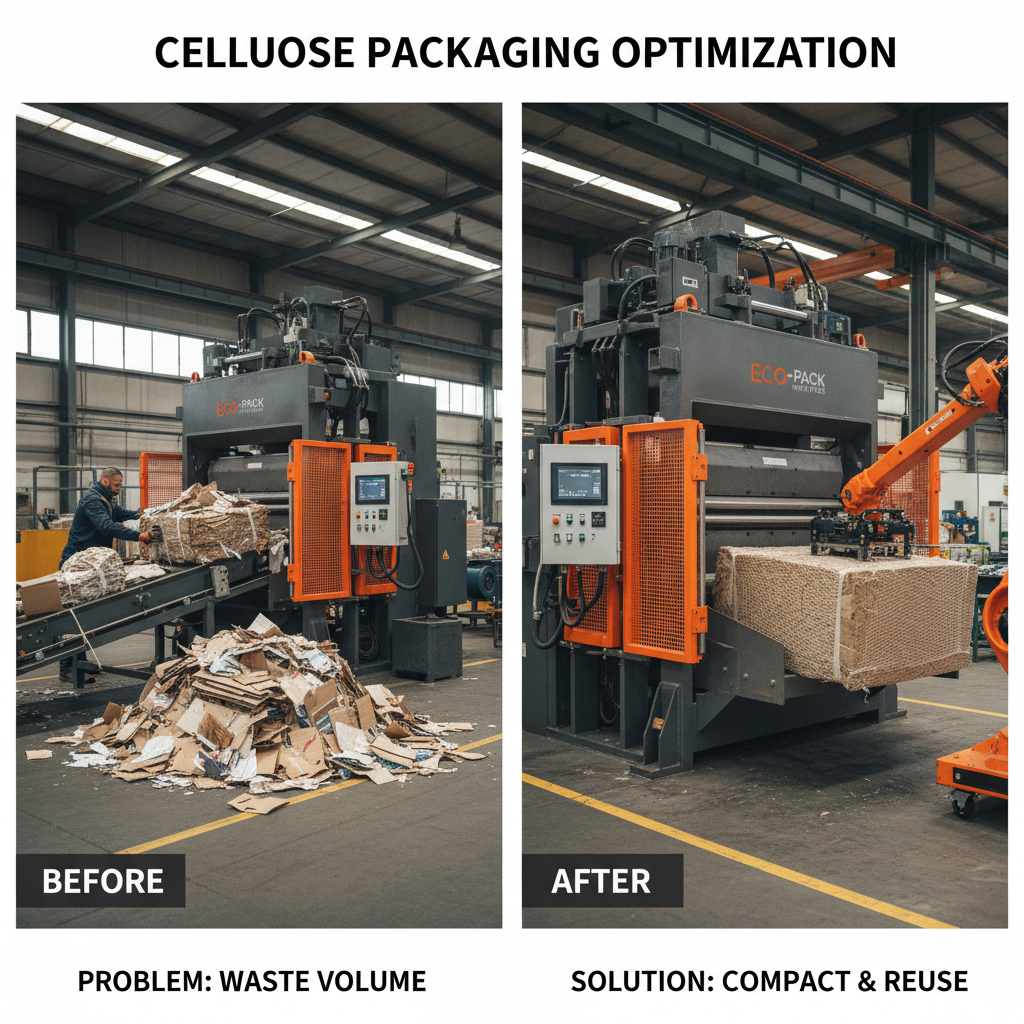
Furthermore, the increasing focus on reducing plastic waste drives the adoption of cellulose-based alternatives in packaging and other disposable products. sigmacell cellulose type 20 serves as a viable solution, offering biodegradable options that address environmental concerns and promote a circular economy.
Defining sigmacell Cellulose Type 20
sigmacell cellulose type 20 is a highly purified, crystalline cellulose powder derived from wood pulp using a specialized sulfuric acid hydrolysis process. This process yields a cellulose with a high degree of polymerization and minimal impurities, resulting in a material with exceptional strength, stability, and functionality. It’s specifically categorized as a “Type 20” cellulose, referencing the specific manufacturing parameters that influence its properties.
Its connection to modern industry and humanitarian needs stems from its versatility and renewability. Unlike petroleum-based polymers, sigmacell cellulose type 20 is derived from a sustainable resource – trees – and is biodegradable, reducing its environmental impact. This makes it critical for companies and organizations seeking sustainable alternatives.
Moreover, sigmacell cellulose type 20 plays a vital role in addressing humanitarian challenges. Its use in water purification systems, wound dressings, and disaster relief materials provides effective and sustainable solutions for communities in need, demonstrating its potential for positive global impact.
Key Characteristics of sigmacell Cellulose Type 20
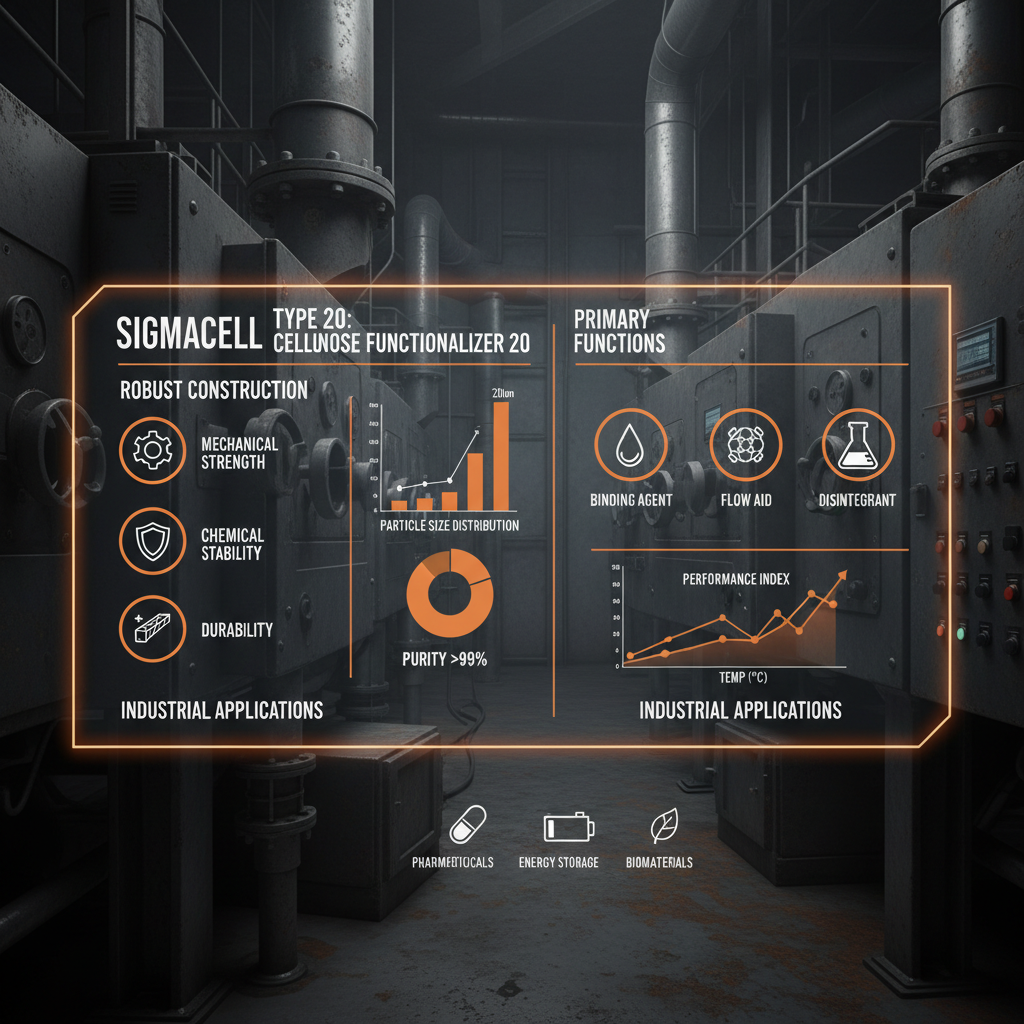
The exceptional durability of sigmacell cellulose type 20 stems from its highly ordered crystalline structure. This structure provides inherent resistance to degradation and mechanical stress, making it suitable for applications requiring long-lasting performance. Its robust nature ensures that products utilizing this material maintain their integrity over extended periods.
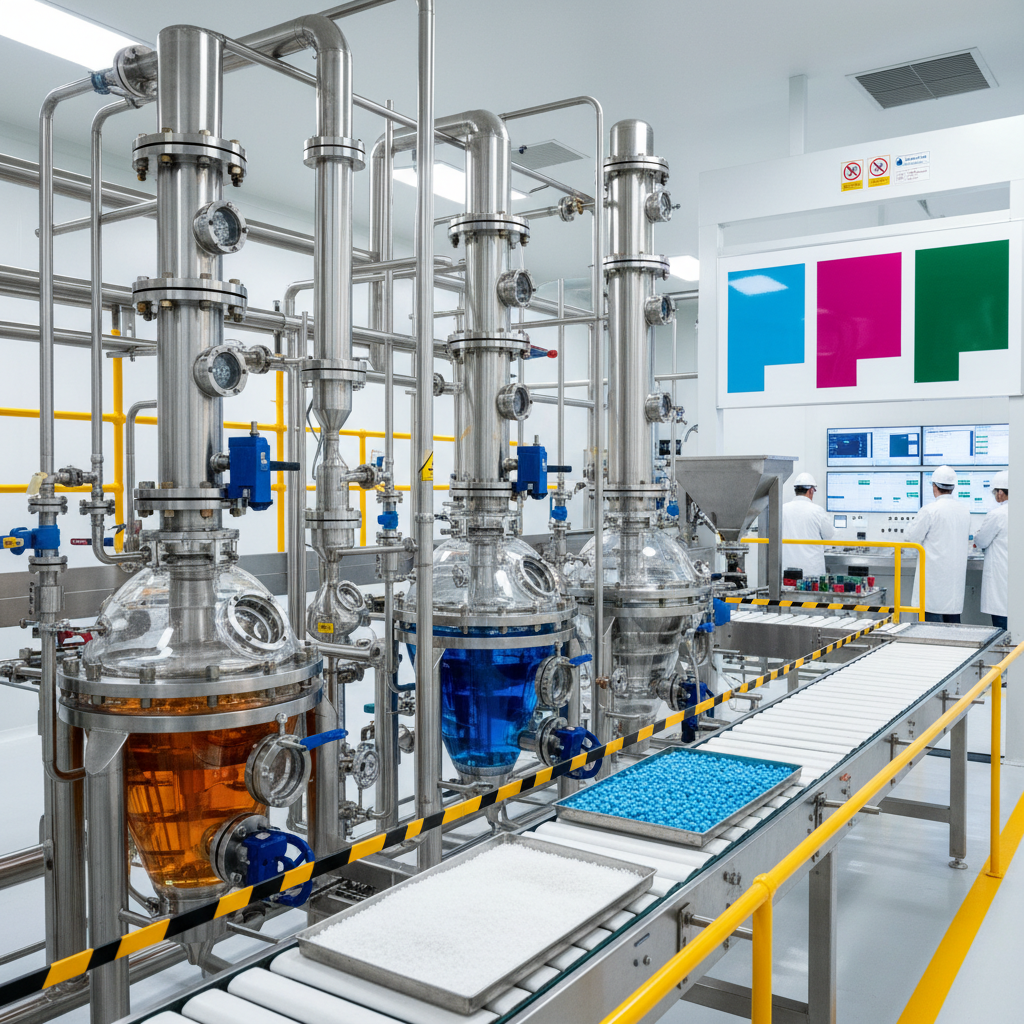
sigmacell cellulose type 20 demonstrates excellent scalability in production. The manufacturing process can be readily adapted to meet varying demand levels, making it a viable option for both small-scale specialized applications and large-scale industrial production. This scalability ensures consistent supply and responsiveness to market needs.
Cost Efficiency of sigmacell Cellulose Type 20 Applications
Applications Across Global Industries
In the pharmaceutical industry, sigmacell cellulose type 20 is utilized as a binder and disintegrant in tablet formulations, ensuring efficient drug delivery. Its biocompatibility and non-toxicity make it a safe and reliable excipient. Globally, pharmaceutical companies are increasingly seeking sustainable alternatives, driving demand for this cellulose-based solution.
The food processing sector employs sigmacell cellulose type 20 as a stabilizer, thickener, and texture enhancer. From bakery goods to sauces and dressings, it improves product quality and extends shelf life. In regions with growing food production, sigmacell cellulose type 20 contributes to enhancing food security and reducing waste.
Advantages and Long-Term Value Proposition
The tangible benefits of using sigmacell cellulose type 20 include reduced production costs due to its efficient processing and versatility. Its sustainability profile translates into lower environmental impact and compliance with increasingly stringent regulations, providing long-term cost savings.
Beyond economic advantages, the use of sigmacell cellulose type 20 fosters innovation and builds trust. Its consistent quality and reliability enhance product performance, increasing customer satisfaction. The adoption of sustainable materials also strengthens brand reputation and appeals to environmentally conscious consumers.
Future Trends and Technological Advancements
Ongoing research focuses on enhancing the functionality of sigmacell cellulose type 20 through nanotechnology and chemical modifications. These advancements aim to create materials with tailored properties, expanding its applications in areas like advanced composites and biomedical engineering.
The integration of digital transformation and automation in manufacturing processes will further optimize the production of sigmacell cellulose type 20, increasing efficiency and reducing waste. These advancements align with the broader trend towards smart manufacturing and Industry 4.0.
Furthermore, the development of closed-loop systems for cellulose production, utilizing waste streams from other industries, will further enhance the sustainability of sigmacell cellulose type 20 and promote a circular economy.
Key Challenges and Potential Solutions
One common challenge associated with sigmacell cellulose type 20 is achieving consistent quality across different batches and suppliers. Variations in raw material sources and manufacturing processes can impact the final product’s properties. Implementing standardized quality control measures and certifications is crucial.
Another limitation is the relatively lower moisture resistance compared to some synthetic materials. However, research into surface modifications and composite formulations is yielding promising results, enhancing its durability in humid environments. Exploring innovative coating technologies can significantly improve its water resistance.
Finally, increasing public awareness about the benefits of cellulose-based materials and overcoming the perception that they are inferior to traditional alternatives is essential for broader adoption. Educational initiatives and showcasing successful applications can help build trust and drive demand.
Summary of sigmacell Cellulose Type 20 Application Considerations
| Application Area |
Key Benefit |
Potential Challenge |
Mitigation Strategy |
| Pharmaceuticals |
Biocompatibility |
Stringent Purity Requirements |
Certified Manufacturing Processes |
| Food Processing |
Texture Enhancement |
Moisture Sensitivity |
Protective Coatings |
| Construction |
Sustainability |
Durability in Outdoor Environments |
Composite Formulations |
| Packaging |
Biodegradability |
Cost Competitiveness |
Economies of Scale |
| Textiles |
Renewable Source |
Fiber Strength |
Blending with Other Fibers |
| Water Purification |
Filtration Capacity |
Maintenance Requirements |
Automated Cleaning Systems |
FAQS
sigmacell cellulose type 20 offers significant environmental advantages over traditional plastics. Being derived from a renewable resource—wood pulp—it reduces reliance on fossil fuels. Moreover, its biodegradability minimizes long-term waste accumulation and contributes to a circular economy. The production process typically has a lower carbon footprint and reduces greenhouse gas emissions. Compared to plastic, sigmacell cellulose type 20 is a more sustainable and eco-friendly alternative.
The cost of sigmacell cellulose type 20 can vary depending on production scale and specific grade requirements. While it may have a higher initial cost than some traditional plastics, its long-term cost-effectiveness is often superior due to its durability, recyclability, and reduced environmental impact costs. Compared to other highly purified cellulose types, sigmacell cellulose type 20 often provides a balance between performance and price, making it a competitive choice.
Several key industries are actively adopting sigmacell cellulose type 20. The pharmaceutical sector utilizes it as a binder and disintegrant in tablets. The food industry employs it as a stabilizer and thickener. The construction industry is exploring its use in eco-friendly building materials. Furthermore, packaging companies are using it for biodegradable films and containers. These applications highlight its versatility and broad appeal.
Several certifications and standards help ensure the quality and sustainability of sigmacell cellulose type 20. These include certifications from the Forest Stewardship Council (FSC) for responsible forestry practices, ISO 9001 for quality management systems, and certifications relating to biodegradability and compostability. Adherence to these standards demonstrates commitment to ethical sourcing and environmental responsibility.
One limitation of sigmacell cellulose type 20 is its susceptibility to moisture. Researchers are addressing this through surface modifications, coating technologies, and composite formulations to enhance its water resistance. Another area of focus is improving its mechanical strength and processability for specific applications. Ongoing research aims to overcome these limitations and expand its application range.
Integrating sigmacell cellulose type 20 into existing supply chains involves careful assessment of material compatibility and process adjustments. Collaboration with suppliers experienced in handling cellulose-based materials is crucial. Implementing proper storage and handling procedures is essential to maintain its quality. Utilizing existing infrastructure for mixing and processing can minimize disruption and streamline the integration process.
Conclusion
sigmacell cellulose type 20 represents a significant leap forward in sustainable material science. Its unique combination of strength, versatility, and renewability positions it as a crucial component in addressing global environmental challenges and driving innovation across diverse industries. Its increasing adoption signals a paradigm shift towards more responsible and eco-conscious material choices.
Looking ahead, continued research and development will further unlock the potential of sigmacell cellulose type 20. Its integration with emerging technologies, such as nanotechnology and automation, promises to create even more advanced and sustainable materials. We invite you to explore the possibilities of sigmacell cellulose type 20 and join us in shaping a more sustainable future. Visit our website at www.hpmcpowder.com to learn more and discuss how we can help you integrate this remarkable material into your products and processes.