Microfibrillated cellulose (MFC) is rapidly emerging as a versatile nanomaterial with applications spanning diverse industries, from food and pharmaceuticals to construction and textiles. Its unique properties – high strength, high surface area, biocompatibility, and the ability to form gels – make it an attractive alternative to traditional, often less sustainable, materials. Understanding MFC’s potential is crucial for driving innovation and developing solutions to global challenges related to sustainability and resource efficiency.
Globally, the demand for sustainable materials is surging, driven by stricter environmental regulations and growing consumer awareness. MFC perfectly aligns with this trend, as it is produced from renewable sources – plant fibers – and offers a lower carbon footprint compared to many synthetic polymers. The development of efficient and scalable MFC production methods is key to unlocking its full potential and addressing the increasing demand for eco-friendly alternatives.
The increasing focus on bio-based materials and the circular economy is further fueling the adoption of microfibrillated cellulose. Researchers and industries worldwide are actively investigating new applications for MFC, ranging from reinforcing composites to creating advanced drug delivery systems, demonstrating its broad applicability and long-term promise.
Introduction to microfibrillated cellulose
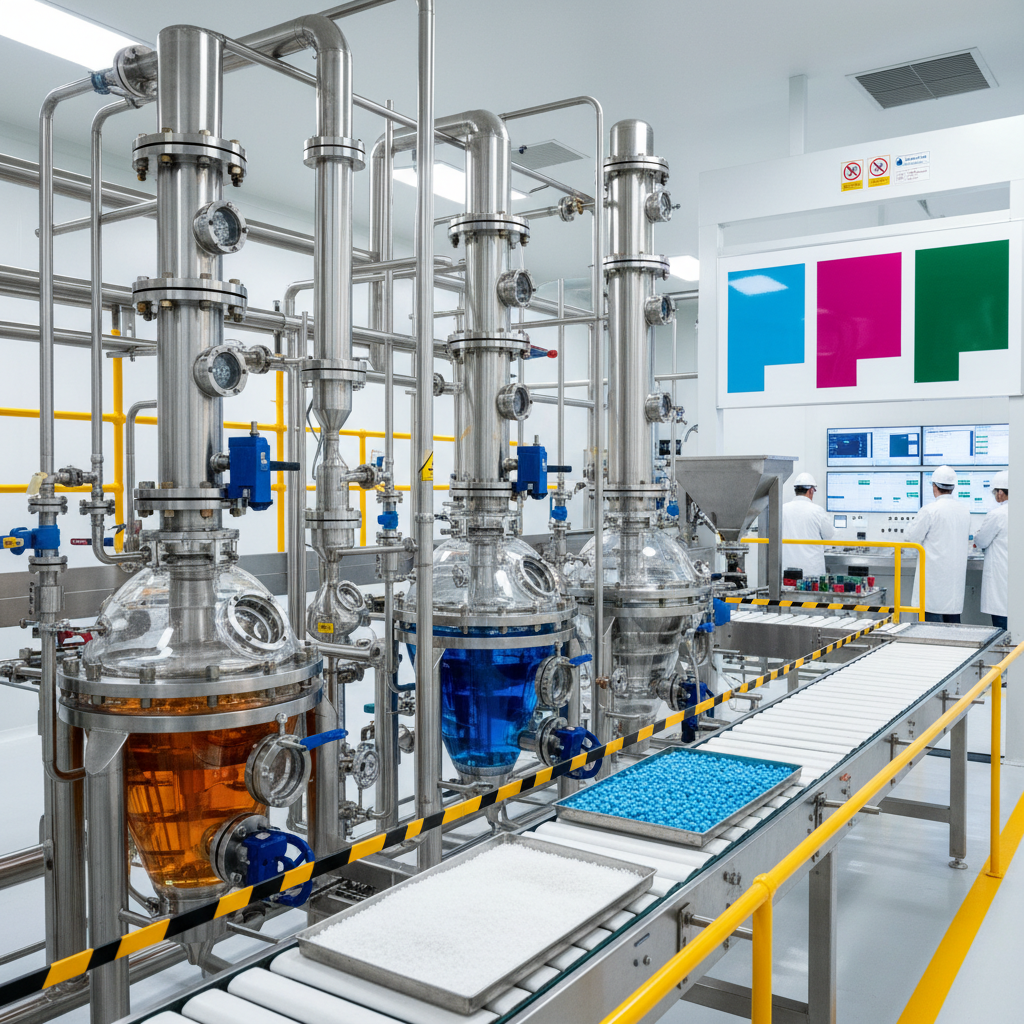
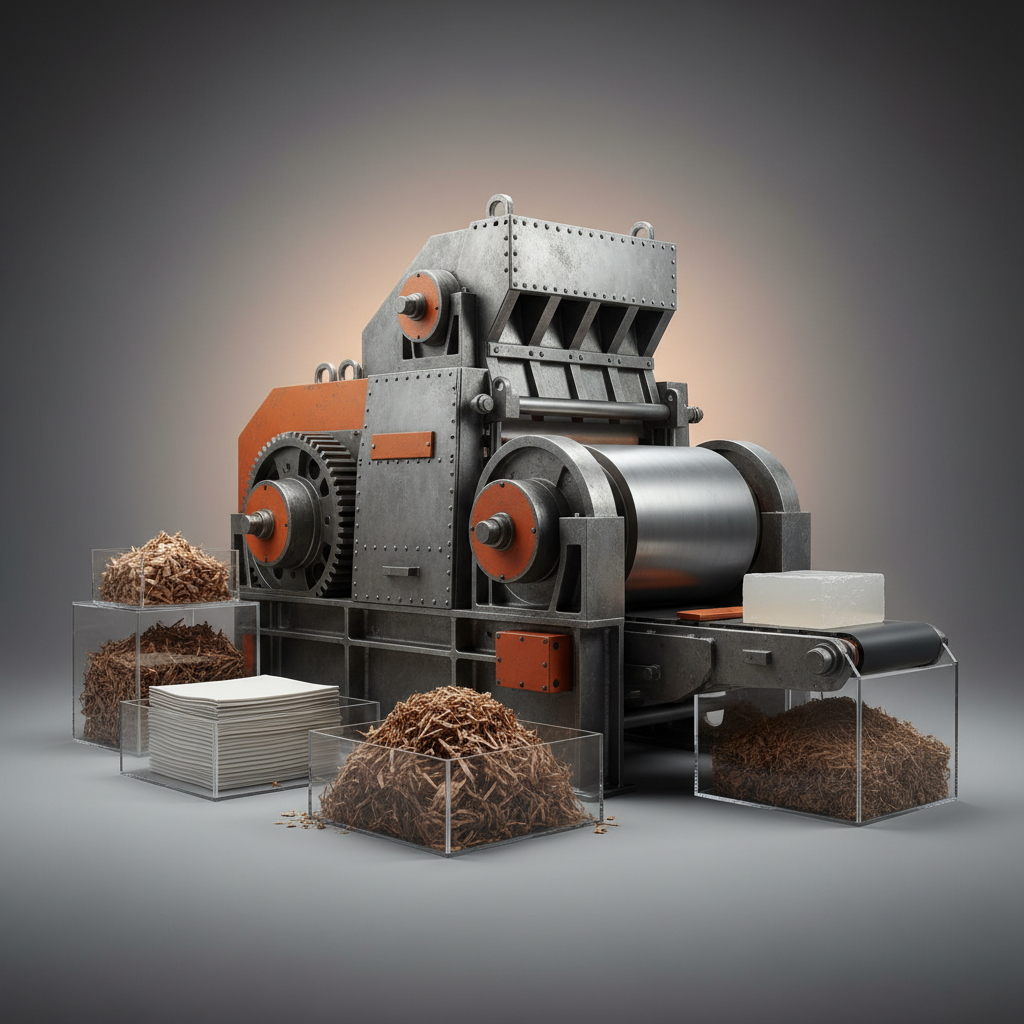
Microfibrillated cellulose is a naturally derived nanomaterial extracted from the cell walls of plants. It consists of long, thin cellulose fibrils that are separated through mechanical processing, typically involving high-pressure homogenization or cryocrushing. This process releases the fibrils, resulting in a suspension of highly entangled, nanoscale cellulose fibers.
The appeal of microfibrillated cellulose stems from its exceptional properties and the sustainable sourcing of its raw materials. It offers a bio-based, biodegradable alternative to synthetic polymers and other materials that have a significant environmental impact. Its inherent strength, combined with its ability to form strong networks, makes it ideal for a wide array of applications.
Defining Microfibrillated Cellulose
At its core, microfibrillated cellulose is purified, individual cellulose nanofibrils. Cellulose itself is the most abundant organic polymer on Earth, forming the structural component of plant cell walls. MFC differs from other cellulose derivatives like cellulose fibers or microcrystalline cellulose due to its high aspect ratio (length to width) and its high degree of fibrillation.
This nanoscale structure imparts unique properties, allowing MFC to act as a reinforcing agent, a thickener, a stabilizer, and even a film-forming material. Its versatility bridges the gap between traditional materials science and the emerging field of nanotechnology, presenting a sustainable alternative with exceptional performance characteristics.
The production of MFC is driven by the need for renewable materials and reducing reliance on petroleum-based products. It directly addresses modern industrial requirements for sustainable practices and consumer demand for eco-friendly products, impacting sectors from packaging to biomedicine.
Core Characteristics of microfibrillated cellulose
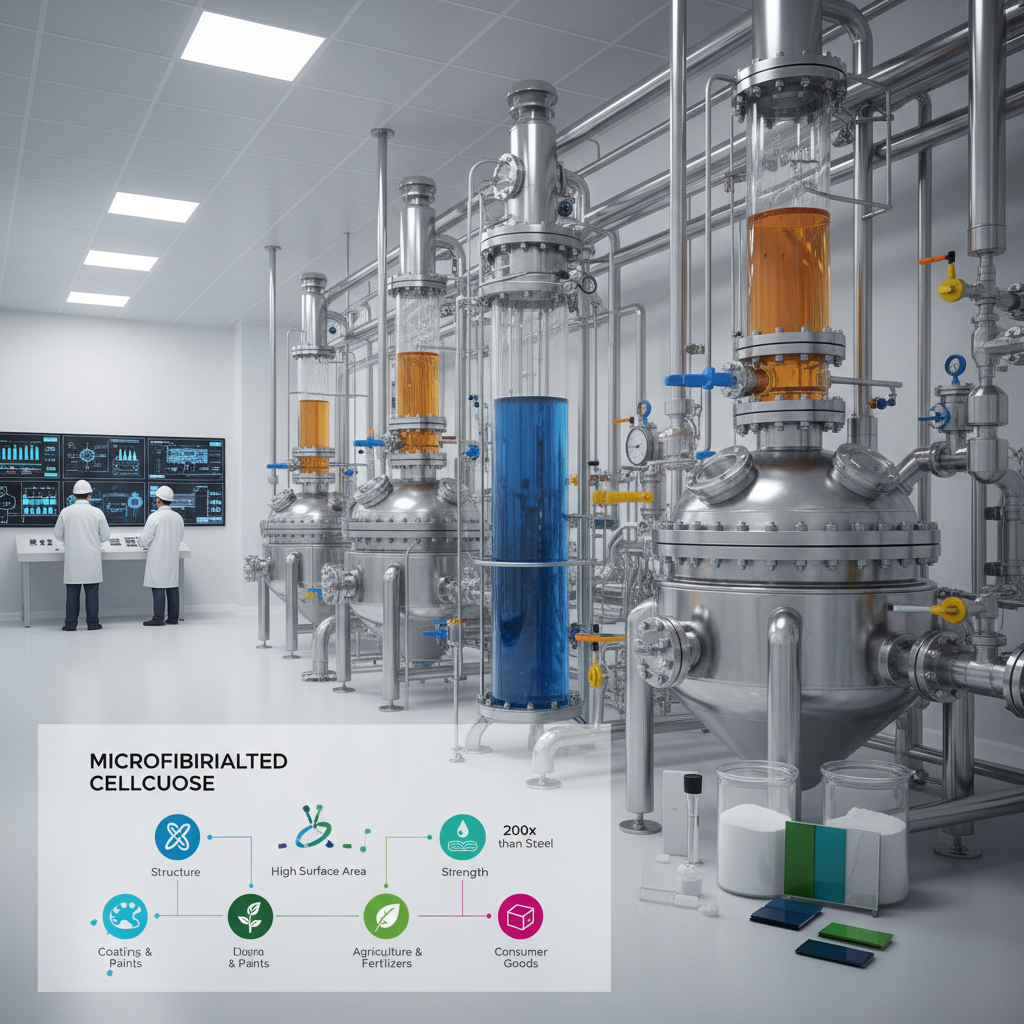
One of the defining characteristics of microfibrillated cellulose is its remarkable mechanical strength. The highly crystalline structure of cellulose, coupled with the entanglement of the fibrils, results in materials with high tensile strength and stiffness, comparable to some metals.
The high surface area of MFC is another critical property. Due to its nanoscale dimensions, MFC presents a vast surface area per unit mass, enabling excellent interactions with other materials. This property is particularly valuable in applications like composites and drug delivery, where interfacial adhesion and dispersion are crucial.
Furthermore, MFC is biocompatible and biodegradable, making it an environmentally friendly alternative to synthetic materials. It doesn't produce harmful byproducts during degradation and can be safely used in applications with direct human contact, such as food packaging and biomedical devices.
Key Properties & Applications
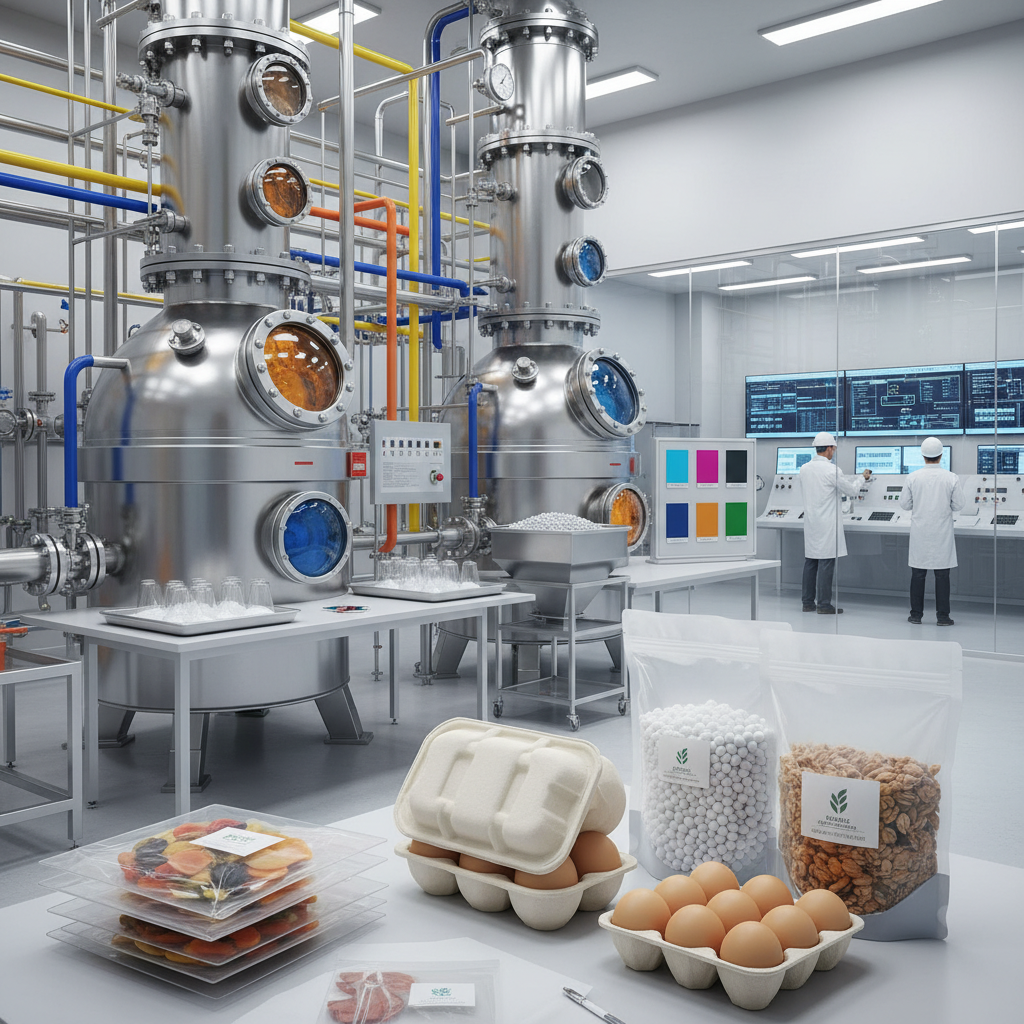
The unique properties of microfibrillated cellulose open doors to a myriad of applications. Its ability to form strong, transparent films makes it ideal for packaging, coatings, and barrier layers in various industries. The high water-holding capacity of MFC also makes it a valuable ingredient in food products, cosmetics, and personal care items.
Its reinforcing capabilities are exploited in the development of high-performance composites, improving the strength and durability of materials used in automotive, aerospace, and construction industries.
Comparative Performance of Different microfibrillated cellulose Processing Methods
Global Applications of microfibrillated cellulose
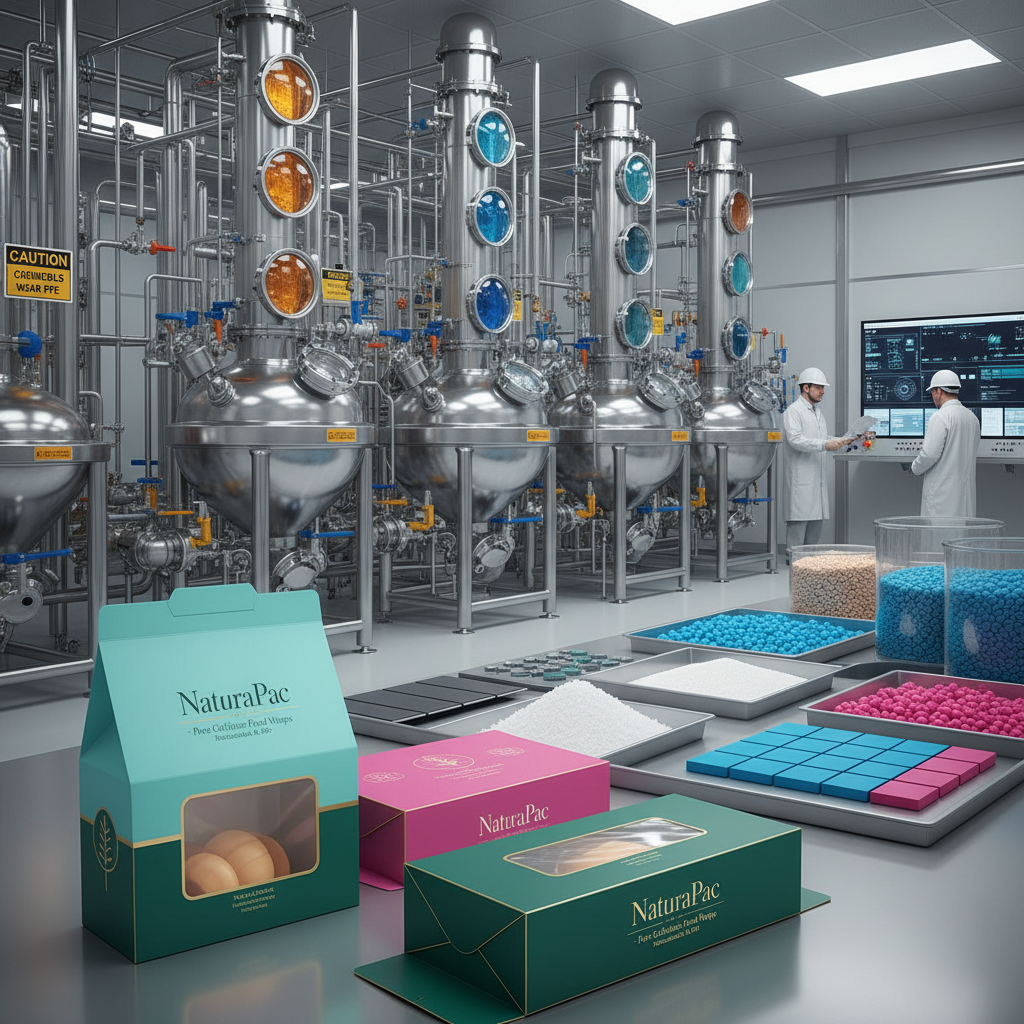
Microfibrillated cellulose is gaining traction across multiple continents. In North America and Europe, research focuses on developing MFC-reinforced composites for automotive and aerospace industries, seeking lighter, stronger, and more sustainable materials. The packaging sector is also witnessing significant growth with MFC-based films offering improved barrier properties and biodegradability.
Asia, particularly countries like Japan and China, is leading in the development of MFC-based applications in cosmetics and food packaging. The demand for natural and sustainable ingredients is driving innovation in these sectors. In post-disaster relief operations, MFC-based materials are explored for constructing temporary shelters and water purification systems due to their rapid deployability and environmentally benign nature.
In remote industrial zones of Australia and Canada, where logistics are challenging, MFC composites offer a lightweight and durable solution for infrastructure development, reducing transportation costs and environmental impact. The versatility of microfibrillated cellulose is enabling localized production and application, driving economic growth in these areas.
Benefits and Value Proposition of microfibrillated cellulose
The adoption of microfibrillated cellulose translates into tangible cost savings through reduced material usage, improved product performance, and decreased waste. Furthermore, its sustainability credentials enhance brand image and appeal to environmentally conscious consumers. Using microfibrillated cellulose helps companies meet increasingly stringent environmental regulations.
From a societal perspective, MFC promotes safer and healthier products, particularly in food and biomedical applications. The biodegradability of MFC minimizes long-term environmental pollution, contributing to a cleaner and more sustainable future. The inherent safety and reliability inspire trust among consumers and stakeholders alike.
Future Trends in microfibrillated cellulose
Future research is focused on optimizing MFC production processes to reduce costs and improve scalability. Integrating MFC with other nanomaterials, such as graphene or carbon nanotubes, is expected to yield synergistic effects, creating materials with enhanced properties. The development of advanced MFC-based coatings with self-healing or antimicrobial properties is also a key area of innovation.
Furthermore, the combination of MFC with digital manufacturing techniques like 3D printing opens up exciting possibilities for creating customized and complex structures with tailored properties. The integration of MFC into green energy technologies, such as biofuel cells and supercapacitors, is also gaining momentum, contributing to a more sustainable energy future.
Policy initiatives promoting the use of bio-based materials and supporting research and development in nanotechnology will further accelerate the adoption of microfibrillated cellulose across various industries. This convergence of technological advancements and policy support positions MFC as a pivotal material in the transition towards a more sustainable and circular economy.
FAQS
Microfibrillated cellulose offers several advantages over traditional plastics in packaging. It’s biodegradable and compostable, reducing plastic waste. MFC also provides excellent barrier properties against oxygen and grease, preserving food quality. Furthermore, MFC is sourced from renewable resources, lessening our reliance on fossil fuels. Its inherent strength means less material is needed for comparable performance, reducing overall weight and transportation costs.
Currently, microfibrillated cellulose can be more expensive than some traditional reinforcing materials like fiberglass. However, the cost is decreasing as production scales up and new, more efficient processing methods are developed. Considering the lifecycle cost, including disposal and environmental impact, MFC often becomes a competitive alternative. Its renewability and biodegradability can offer economic advantages through reduced waste management fees and potential carbon credits.
Yes, microfibrillated cellulose is highly suitable for biomedical applications. Its biocompatibility and non-toxicity make it safe for contact with human tissues. MFC can be engineered into scaffolds for tissue engineering, used as a carrier for drug delivery, or incorporated into wound dressings to promote healing. Its high surface area allows for efficient drug loading and controlled release.
The primary challenges in scaling up MFC production relate to energy consumption and cost. Traditional mechanical processing methods can be energy-intensive. Developing more efficient and cost-effective methods, such as enzymatic treatments or optimized homogenization techniques, is crucial. Maintaining consistent fibril dimensions and purity during large-scale production also presents a challenge.
Microfibrillated cellulose boasts excellent sustainability credentials. It's sourced from readily available and renewable plant fibers, reducing reliance on fossil fuels. Its biodegradability minimizes environmental impact, and production often requires less water and energy compared to other bio-based materials. While other bio-plastics offer sustainability benefits, MFC’s inherent properties and versatility often make it a more environmentally favorable option.
Microfibrillated cellulose shows immense potential in construction. It can be used as a cement additive to improve strength and reduce cracking, creating more durable concrete structures. MFC can also be incorporated into insulation materials, offering enhanced thermal performance and fire resistance. Furthermore, it can serve as a binder in wood composites, reducing reliance on formaldehyde-based adhesives.
Conclusion
Microfibrillated cellulose stands as a remarkable material poised to revolutionize diverse industries. Its unique blend of strength, sustainability, biocompatibility, and versatility makes it an ideal alternative to traditional materials, addressing pressing global challenges related to resource depletion and environmental pollution. From packaging and composites to biomedicine and construction, MFC's applications are rapidly expanding, driven by continuous innovation and growing demand for eco-friendly solutions.
Looking ahead, continued research and development focused on cost reduction and scalable production methods will be vital to unlock the full potential of microfibrillated cellulose. Embracing collaboration between researchers, industries, and policymakers will accelerate its adoption and pave the way for a more sustainable and circular economy. Explore the possibilities of microfibrillated cellulose today – visit our website: www.hpmcpowder.com