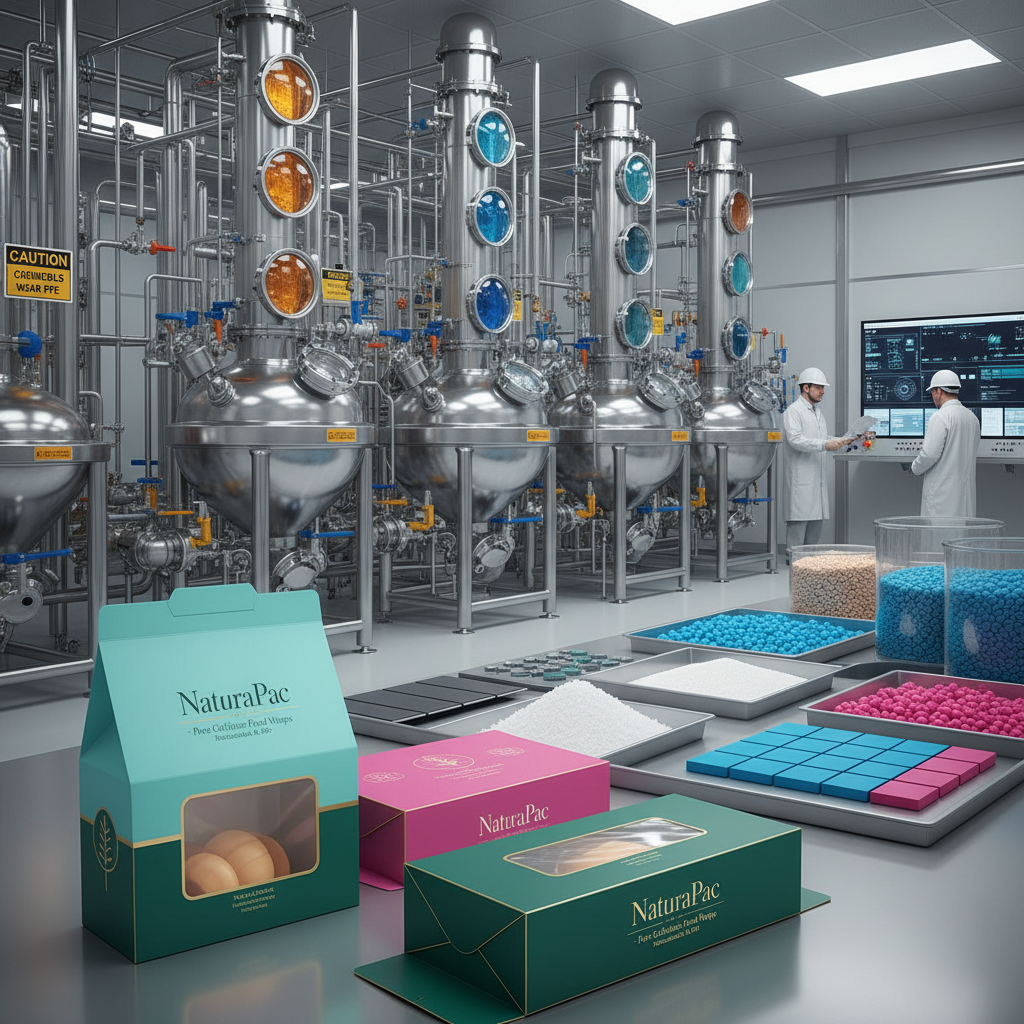
Cellulose packaging for food represents a significant advancement in sustainable packaging solutions, addressing growing concerns about plastic waste and environmental impact. The demand for eco-friendly alternatives is rapidly increasing globally, driven by consumer preferences and stringent regulations. This shift necessitates innovative materials like cellulose, offering a viable and renewable option for food manufacturers.
The adoption of cellulose packaging for food isn't merely a trend, but a necessary evolution within the food industry. Traditional packaging materials often contribute to landfill overflow and microplastic pollution. Cellulose-based packaging provides a biodegradable and compostable alternative, aligning with circular economy principles and reducing the carbon footprint of food products. This impacts all stages, from processing to consumer disposal.
Understanding the properties and applications of cellulose packaging is vital for businesses seeking to enhance their sustainability credentials and meet evolving consumer expectations. This technology offers opportunities to innovate, reduce environmental impact, and improve brand image within the competitive food market.
The Global Significance of Cellulose Packaging for Food
The global food packaging market is a multi-billion dollar industry, and the demand for sustainable options is dramatically increasing. According to a 2023 report by the UN Environment Programme, plastic packaging accounts for approximately 46% of plastic waste globally. This highlights the urgent need for biodegradable alternatives. Cellulose packaging for food addresses this critical issue by providing a renewable and compostable solution.
International standards organizations like ISO are increasingly prioritizing sustainable packaging materials. Food manufacturers face growing pressure from consumers and regulatory bodies to reduce their environmental footprint. Switching to cellulose packaging demonstrates a commitment to sustainability, enhancing brand reputation and potentially gaining access to new markets. This is particularly important in regions with strict environmental policies.
Defining Cellulose Packaging for Food
Cellulose packaging for food refers to packaging materials derived from cellulose, a naturally occurring polymer found in plant cell walls. Typically sourced from wood pulp, cotton, or agricultural waste, cellulose is processed into various forms, including films, coatings, and molded containers suitable for packaging a wide range of food products. This contrasts sharply with traditional petroleum-based plastics.
The connection to modern industry lies in the innovative techniques used to transform raw cellulose into high-performance packaging materials. Nanocellulose, for example, offers exceptional strength and barrier properties, making it ideal for preserving food freshness and extending shelf life. These advancements are driven by research and development aimed at creating sustainable and functional packaging solutions.
Ultimately, cellulose packaging for food responds to a humanitarian need – reducing environmental pollution and promoting a circular economy. By offering a biodegradable alternative to plastic, it minimizes landfill waste and supports sustainable resource management, contributing to a healthier planet for future generations. It’s a direct answer to the global plastic crisis.
Key Properties of Cellulose Packaging
One of the most significant properties of cellulose packaging for food is its biodegradability. Unlike traditional plastics that can persist in the environment for centuries, cellulose breaks down naturally into harmless components, reducing landfill waste and minimizing environmental pollution. This makes it a key component of sustainable waste management systems.
Cellulose also exhibits excellent barrier properties, protecting food from moisture, oxygen, and other contaminants. This is crucial for maintaining food freshness, extending shelf life, and preserving nutritional value. Nanocellulose, in particular, demonstrates superior barrier performance compared to conventional cellulose films.
Furthermore, cellulose is a renewable resource, derived from sustainably managed forests and agricultural waste. This contrasts with fossil fuels used to produce plastics, making cellulose packaging a more environmentally responsible choice. The sourcing of cellulose is becoming increasingly transparent and traceable, ensuring responsible forestry practices.
Applications and Use Cases
Cellulose packaging for food is finding diverse applications across various sectors of the food industry. It's used extensively in the packaging of fresh produce, baked goods, confectionery, and dry foods, offering a sustainable alternative to traditional plastic films and containers.
In Europe, several leading food companies are adopting cellulose-based packaging for their organic and eco-friendly product lines. In North America, the trend is gaining momentum with the rise of consumer demand for sustainable products. In post-disaster relief operations, biodegradable cellulose packaging ensures minimal environmental impact when waste disposal is challenging.
Comparison of Cellulose Packaging Methods
Advantages and Long-Term Value
The cost-effectiveness of cellulose packaging is continually improving with advancements in manufacturing techniques. While initial costs may be slightly higher than traditional plastics in some cases, the long-term benefits – including reduced waste disposal costs and enhanced brand image – often outweigh the initial investment. Economies of scale are also driving down production costs.
From a sustainability perspective, cellulose packaging offers a substantial reduction in environmental impact. Its biodegradability minimizes landfill waste, and its renewable sourcing reduces reliance on fossil fuels. This aligns with global efforts to combat climate change and promote a circular economy, fostering a positive impact on the planet.
Future Trends and Innovations
Ongoing research and development are focused on enhancing the performance of cellulose packaging. This includes exploring new cellulose sources, such as agricultural residues, and developing innovative coatings to improve barrier properties and functionality. The integration of nanotechnology promises to create even stronger and more versatile cellulose-based materials.
The rise of smart packaging, incorporating technologies like QR codes and RFID tags, will further enhance the value of cellulose packaging. These technologies can provide consumers with information about product origin, shelf life, and recycling instructions, promoting transparency and traceability throughout the supply chain.
Policy changes and regulatory incentives are also playing a crucial role in driving the adoption of cellulose packaging. Governments around the world are implementing policies to reduce plastic waste and promote sustainable packaging alternatives, creating a favorable market environment for cellulose-based solutions.
Challenges and Solutions
One of the main challenges facing the widespread adoption of cellulose packaging for food is scalability. Increasing production capacity to meet growing demand requires significant investment in infrastructure and manufacturing technology. Collaborations between research institutions, manufacturers, and governments are essential to address this challenge.
Another challenge is maintaining the structural integrity of cellulose packaging in humid environments. Developing innovative coatings and additives can enhance water resistance and prevent degradation, extending shelf life and ensuring product quality. Focus on advanced material science is critical.
Finally, the cost of cellulose packaging can be a barrier for some businesses. Investing in research and development to optimize production processes and reduce raw material costs will be crucial for making cellulose packaging more competitive with traditional plastic alternatives. Government subsidies and tax incentives can also play a role.
Summary of Challenges and Solutions for Cellulose Packaging for Food
| Challenge |
Impact on Cellulose Packaging for Food |
Potential Solution |
Implementation Difficulty (1-10) |
| Scalability of Production |
Limits ability to meet growing demand |
Investment in manufacturing infrastructure & technology |
8 |
| Moisture Sensitivity |
Compromises structural integrity & shelf life |
Development of water-resistant coatings |
6 |
| Cost Competitiveness |
Higher cost compared to traditional plastics |
Process optimization & raw material sourcing |
7 |
| Barrier Properties |
May not match plastic for some applications |
Nanocellulose integration & additive development |
5 |
| Consumer Awareness |
Limited understanding of benefits |
Educational campaigns & clear labeling |
4 |
| Sourcing Sustainability |
Ensuring responsible forestry practices |
Certified sustainable forestry & waste utilization |
6 |
FAQS
Cellulose packaging offers several key advantages. It's biodegradable and compostable, reducing landfill waste and environmental pollution. It’s also derived from renewable resources, unlike plastic which relies on fossil fuels. While performance is continually improving, cellulose packaging also offers comparable barrier properties and can be tailored to specific food product needs, leading to a more sustainable and environmentally friendly packaging solution.
Cellulose packaging is suitable for a wide range of food products, including fresh produce, baked goods, dry goods, and confectionery. However, certain applications may require additional coatings or modifications to enhance barrier properties or prevent moisture absorption. It’s crucial to assess the specific requirements of the food product and choose a cellulose packaging solution that provides adequate protection and preserves freshness.
Currently, the cost of cellulose packaging can be slightly higher than traditional plastic packaging, depending on the specific type and volume. However, ongoing advancements in manufacturing technologies and economies of scale are driving down production costs. Moreover, the long-term benefits of cellulose packaging – including reduced waste disposal costs and improved brand image – can often offset the initial price difference.
While cellulose is a renewable resource, its production does have an environmental footprint. However, compared to plastic, the impact is significantly lower. Sustainable forestry practices and the use of agricultural waste as a cellulose source can minimize environmental impact further. Responsible sourcing and efficient manufacturing processes are crucial for ensuring the sustainability of cellulose packaging.
Yes, cellulose packaging is generally fully compostable under appropriate conditions. However, the composting process may vary depending on the type of cellulose packaging and the composting facility. Industrial composting facilities are typically required for complete decomposition. Home composting may be possible for certain types of cellulose packaging, but it may take longer.
Future innovations in cellulose packaging include the development of even stronger and more versatile materials through nanotechnology, improved barrier coatings to enhance food preservation, and the integration of smart packaging technologies for traceability and consumer engagement. Furthermore, research into utilizing a wider range of sustainable cellulose sources, like agricultural waste, is expected to increase.
Conclusion
Cellulose packaging for food represents a critical shift towards a more sustainable and environmentally responsible food industry. Its biodegradability, renewability, and improving performance make it a viable alternative to traditional plastic packaging, addressing pressing global concerns about waste and pollution. Embracing this technology is not only beneficial for the planet but also enhances brand reputation and positions businesses for long-term success.
The future of food packaging is undoubtedly intertwined with sustainable materials like cellulose. Continued investment in research and development, coupled with supportive policies and consumer awareness, will accelerate its adoption. We encourage businesses to explore the opportunities offered by cellulose packaging and contribute to a healthier, more sustainable future. For more information and to discuss your packaging needs, visit our website: www.hpmcpowder.com