Hebei Tangzhi Technology Co., Ltd.
0%

Table of Contents

Polyanionic cellulose (PAC) is a water-soluble polymer derived from cellulose, a naturally abundant component of plant cell walls. Its unique anionic properties make it a versatile material with applications spanning numerous industries, from oil drilling to pharmaceuticals and even food production. Understanding PAC’s characteristics and potential is crucial for innovators seeking sustainable and effective solutions across diverse sectors.

Globally, the demand for environmentally friendly and bio-based polymers is surging, driven by increasing awareness of plastic pollution and a commitment to sustainable practices. Polyanionic cellulose fits squarely into this trend, offering a renewable and biodegradable alternative to synthetic polymers. The UN Sustainable Development Goals (SDGs), particularly those related to responsible consumption and production (SDG 12) and climate action (SDG 13), are increasingly influencing material choices, creating a significant market opportunity for PAC.

The expanding oil and gas industry’s need for efficient drilling fluids, coupled with a growing consumer demand for natural and safe ingredients in food and cosmetics, has further fueled the global relevance of polyanionic cellulose. The inherent properties of PAC – thickening, stabilizing, and fluid loss control – address key challenges in these fields, making it an essential component in modern industrial processes and everyday consumer products.
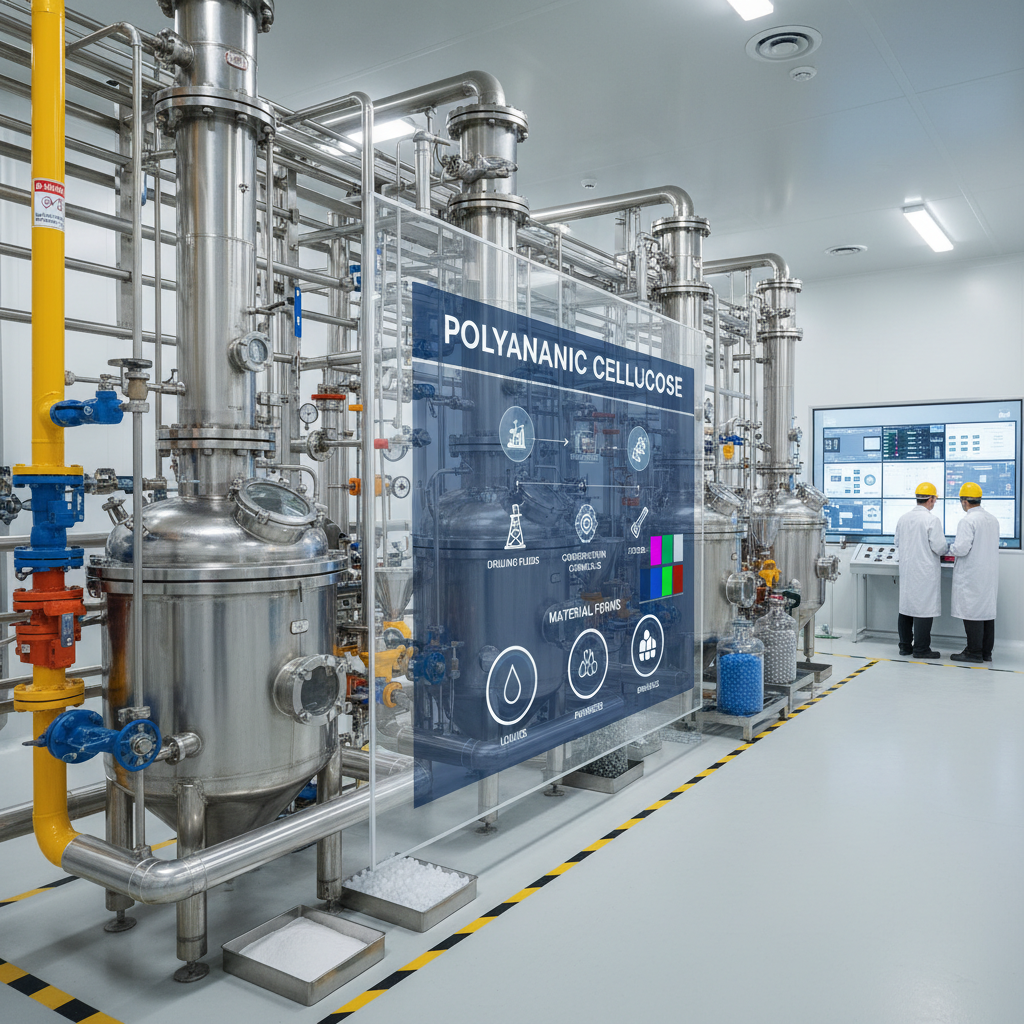
Polyanionic Cellulose A Sustainable Polymer for Diverse Industrial Applications

Introduction to Polyanionic Cellulose

Polyanionic Cellulose A Sustainable Polymer for Diverse Industrial Applications

Polyanionic cellulose’s remarkable versatility stems from its ability to modify its properties based on its degree of substitution and molecular weight. This adaptability allows for tailored solutions in a wide array of applications, contributing to both efficiency and sustainability. Understanding these fundamental properties is key to maximizing the potential of polyanionic cellulose.

Its unique anionic charge, imparted by the introduction of anionic functional groups onto the cellulose backbone, makes PAC an excellent dispersant, stabilizer, and thickener. These characteristics are critical in industries where maintaining stable suspensions and controlling viscosity are essential for optimal performance.

Defining Polyanionic Cellulose

Polyanionic cellulose is essentially a modified cellulose derivative. Cellulose, the most abundant organic polymer on Earth, forms the structural component of plant cell walls. Through a chemical process, anionic groups (typically carboxylate or sulfate) are introduced onto the cellulose chains, creating a negatively charged polymer that exhibits enhanced water solubility and unique functional properties.

Unlike many synthetic polymers derived from petroleum, PAC originates from a renewable resource—wood pulp or other plant-based materials. This inherent sustainability is a major driver for its adoption in industries seeking to reduce their environmental footprint and embrace bio-based alternatives.

The degree of anionic substitution and the molecular weight distribution dictate the final properties of the PAC, allowing manufacturers to tailor the material to specific application requirements. This precise control over its characteristics is what makes it so valuable across a broad spectrum of industries, addressing both modern industrial needs and humanitarian concerns.

Key Properties of Polyanionic Cellulose

One of the defining characteristics of polyanionic cellulose is its high water solubility. The anionic groups facilitate interaction with water molecules, resulting in readily dissolvable and stable aqueous solutions. This property is essential in applications requiring homogeneous mixtures or the delivery of active ingredients in a liquid medium.

Furthermore, PAC exhibits excellent thickening properties, increasing the viscosity of aqueous solutions even at low concentrations. This makes it ideal for formulating products requiring controlled flow behavior, such as paints, coatings, and personal care products. The effectiveness of the thickening depends on the molecular weight and the degree of substitution.

Another crucial property is its ability to act as a dispersant and stabilizer. The anionic charge repels particles, preventing them from aggregating and settling out of suspension. This is particularly important in applications like oil drilling, where maintaining a stable drilling mud is critical for efficient and safe operations.

Performance Characteristics of Polyanionic Cellulose

Polyanionic cellulose demonstrates excellent fluid loss control, a critical factor in many industrial applications. By forming a gel-like structure, it reduces the seepage of fluids from suspensions, ensuring optimal performance and minimizing waste. This is exceptionally important in applications like wellbore stabilization in oil drilling.

The biodegradability of PAC is a significant advantage over synthetic alternatives. As a cellulose-based polymer, it breaks down naturally in the environment, reducing its long-term impact on ecosystems. This makes it an increasingly attractive option for companies committed to sustainability.

Polyanionic Cellulose Performance Across Different Applications


Global Applications of Polyanionic Cellulose

The oil and gas industry represents a significant market for polyanionic cellulose, where it is used extensively in drilling fluids to control viscosity, prevent fluid loss, and stabilize boreholes. Demand is particularly strong in regions with active drilling operations, such as the Middle East, North America, and parts of Asia.

In water treatment, PAC acts as a flocculant, aiding in the removal of suspended solids and impurities. This application is critical for ensuring clean water supplies, particularly in developing nations and areas with limited access to advanced water treatment facilities.

Advantages and Long-Term Value of Polyanionic Cellulose

Polyanionic cellulose offers a compelling combination of performance, sustainability, and cost-effectiveness. Compared to synthetic alternatives, PAC is often more biodegradable and derived from renewable resources, aligning with growing environmental concerns. This can translate into enhanced brand reputation and reduced environmental liabilities.

Furthermore, the versatility of PAC allows for customized solutions tailored to specific application needs, potentially reducing material costs and improving overall process efficiency. The long-term value extends beyond immediate economic benefits to include positive social and environmental impacts.

Future Trends in Polyanionic Cellulose Development

Research and development efforts are focused on enhancing the properties of polyanionic cellulose through modifications to its chemical structure and molecular weight. This includes exploring new anionic groups and crosslinking techniques to improve its performance in challenging environments. Nanotechnology is also being investigated to create PAC-based nanocomposites with enhanced strength and stability.

The growing emphasis on circular economy principles is driving interest in developing closed-loop systems for PAC production and recycling. This involves exploring innovative methods for recovering cellulose from waste streams and converting it back into high-quality PAC, minimizing environmental impact and promoting resource efficiency.

The integration of digital technologies, such as process monitoring and control systems, will further optimize PAC production and ensure consistent product quality. This digital transformation, combined with advancements in materials science, promises to unlock even greater potential for polyanionic cellulose in the years to come.

FAQS

What are the primary benefits of using polyanionic cellulose over traditional synthetic polymers?

Polyanionic cellulose offers several key advantages. Firstly, it's derived from a renewable resource – cellulose – making it a sustainable alternative to petroleum-based polymers. Secondly, PAC is biodegradable, reducing its environmental impact. Finally, it often exhibits comparable or even superior performance characteristics, such as thickening and fluid loss control, making it a viable and eco-friendly option.

How does the molecular weight of polyanionic cellulose affect its performance?

The molecular weight of PAC significantly impacts its viscosity and solution behavior. Higher molecular weights generally lead to higher viscosity and better thickening properties. However, excessively high molecular weights can make the solution difficult to handle. Manufacturers carefully control molecular weight distribution to optimize PAC for specific applications, balancing performance with processability.

Is polyanionic cellulose safe for use in food and cosmetic applications?

Yes, certain grades of polyanionic cellulose are specifically designed and approved for use in food and cosmetic applications. These grades undergo rigorous testing to ensure they meet stringent safety standards and are free from harmful contaminants. It’s crucial to select a PAC product that is specifically labelled as food-grade or cosmetic-grade.

What is the typical shelf life of polyanionic cellulose powder?

When stored properly in a cool, dry place, away from direct sunlight, polyanionic cellulose powder typically has a shelf life of at least two years. However, prolonged exposure to moisture or high temperatures can degrade the polymer and reduce its effectiveness. It's recommended to follow the manufacturer's storage guidelines to maintain product quality.

How does the degree of substitution impact the properties of polyanionic cellulose?

The degree of substitution (DS) refers to the average number of anionic groups attached to each cellulose unit. A higher DS generally increases water solubility and enhances anionic charge density, improving properties like dispersion and stabilization. However, very high DS can sometimes reduce polymer strength. DS is carefully controlled to tailor PAC for specific application needs.

Can polyanionic cellulose be used in conjunction with other polymers?

Absolutely. Polyanionic cellulose is often used in combination with other polymers to achieve synergistic effects. For instance, blending PAC with synthetic polymers can improve their stability, rheology, or biodegradability. These formulations allow for tailoring material properties to meet very specific requirements in diverse applications.

Conclusion

Polyanionic cellulose stands as a remarkable example of a bio-based polymer with wide-ranging applications and a significant role in promoting sustainability. Its unique combination of properties – water solubility, thickening ability, fluid loss control, and biodegradability – makes it a versatile and increasingly valuable material across numerous industries, from oil and gas to water treatment and personal care. Understanding its characteristics and potential is essential for innovation in a world demanding environmentally responsible solutions.

Looking ahead, continued research and development focused on optimizing PAC's properties and exploring new applications will be crucial. Embracing circular economy principles and integrating digital technologies into production processes will further enhance its sustainability and efficiency. For those seeking innovative and eco-friendly polymer solutions, exploring the possibilities of polyanionic cellulose is a strategic and responsible choice.

William Johnson

William Johnson

William Johnson is a Quality Control Supervisor at Tang Zhi Technology, ensuring the consistent high quality of our Carboxymethyl Cellulose (CMC) products. With a background in analytical chemistry, William oversees all testing procedures, from raw material inspection to final product analysis. He joined Tang Zhi in 2015 and has been
Previous Exploring the Versatility and Sustainable Applications of Cellulose Tape
Next Optimizing Wood Finishes with Cellulose Sanding Sealer Applications and Trends