Cellulose tape, often overlooked, is a remarkably versatile material with far-reaching applications. From everyday packaging and masking to critical roles in medical devices and industrial manufacturing, its unique properties make it an indispensable component of modern life. Understanding the nuances of cellulose tape – its composition, manufacturing processes, and diverse functionalities – is crucial for innovation across numerous sectors, impacting efficiency, sustainability, and even safety.
Globally, the demand for adhesive tapes, including cellulose tape, is substantial and consistently growing. The packaging industry, driven by e-commerce and consumer goods, represents a significant market. Furthermore, increasing industrialization in developing nations and a growing focus on environmentally friendly materials are contributing to the increased adoption of cellulose-based tapes. This trend highlights the importance of sustainable sourcing and responsible production practices.
Cellulose tape isn't merely a sticky strip; it represents a confluence of material science, manufacturing expertise, and practical application. It addresses challenges related to securement, protection, and even aesthetic presentation in a wide spectrum of industries, making it a fundamental tool for businesses and individuals alike. This material plays a quiet, but critical role in global supply chains and everyday convenience.
The Core Principles of Cellulose Tape
Cellulose tape is fundamentally defined by its base material – regenerated cellulose, typically derived from wood pulp or cotton linter. This provides a naturally strong and flexible substrate. The adhesive coating, varying in composition depending on the intended use, is what provides the inherent sticking power. Understanding the interaction between the cellulose base and the adhesive is vital for tailoring the tape’s performance characteristics.
The beauty of cellulose tape lies in its balance of properties. It exhibits good tensile strength, meaning it resists breaking under tension, and adequate conformability, allowing it to adhere to irregular surfaces. However, its strength and adhesive properties are influenced significantly by environmental factors like humidity and temperature, which must be considered during application and storage.
Historical Context and Evolution
The origins of cellulose tape can be traced back to the early 20th century, coinciding with advancements in cellulose chemistry and adhesive technologies. Initially, these tapes were primarily used for packaging and light-duty sealing applications. The demand increased dramatically during wartime, becoming essential for securing munitions and supplies.
Over the decades, significant improvements have been made in both the cellulose base and the adhesive formulations. The introduction of pressure-sensitive adhesives (PSAs) revolutionized the tape industry, allowing for immediate adhesion with minimal pressure. Ongoing research continues to refine cellulose tape to meet increasingly demanding requirements across diverse sectors.
Modern cellulose tape manufacturing now incorporates considerations for sustainability and environmental impact. The move towards responsibly sourced cellulose and bio-based adhesives reflects a growing industry commitment to reducing its carbon footprint and offering eco-friendly alternatives.
Composition and Manufacturing Processes
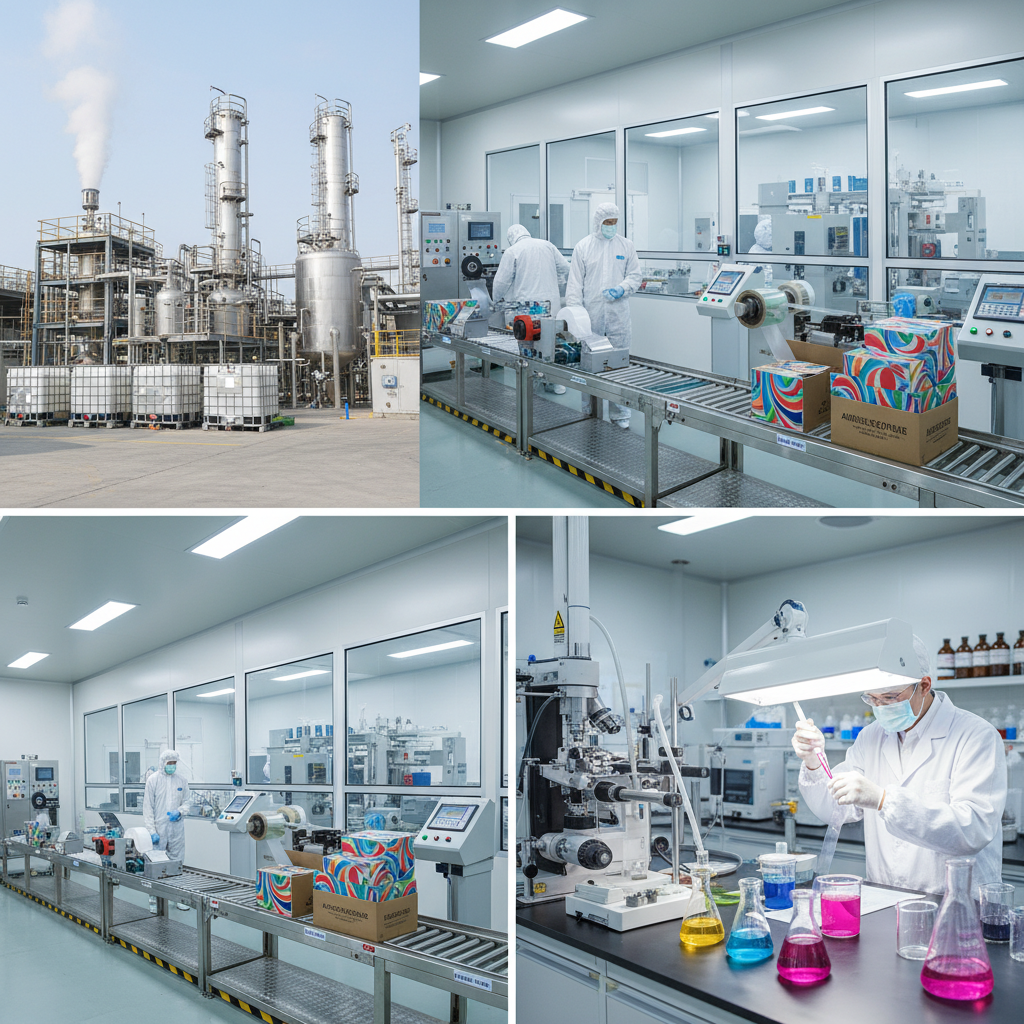
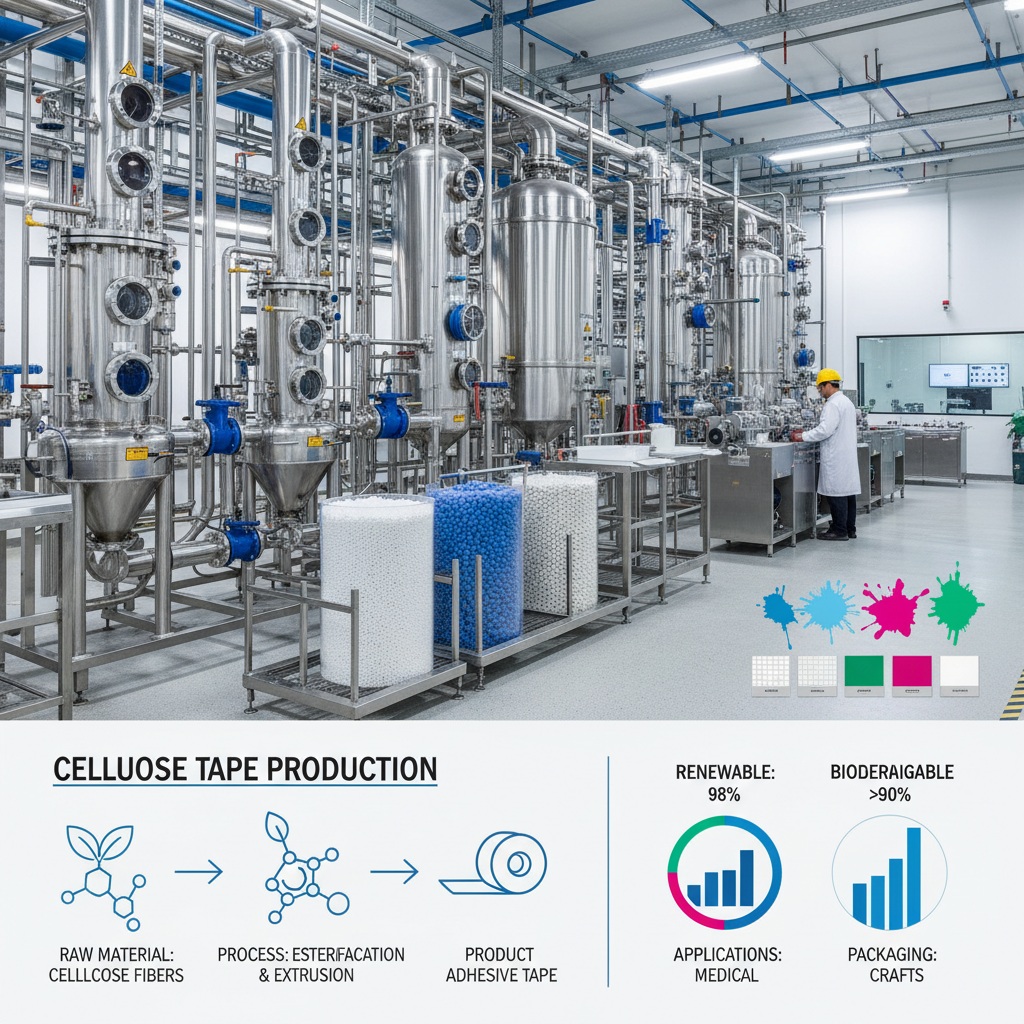
Cellulose tape production begins with obtaining cellulose, typically from wood pulp. This cellulose undergoes a chemical process called regeneration, transforming it into a viscous solution. This solution is then cast onto a release-coated substrate, forming a thin film. The quality of the cellulose and the precise control of the regeneration process directly impact the tape’s strength and clarity.
The next crucial step is adhesive application. Different adhesive types – natural rubber, acrylic, or hot melt – are applied to the cellulose film using techniques like roll coating or spray coating. The adhesive formulation is carefully tailored based on the intended application, determining adhesion strength, temperature resistance, and tackiness. Precise control of adhesive thickness and uniformity is paramount for consistent performance.
Finally, the coated film is dried, wound onto a core, and slit into desired widths. Quality control measures are implemented throughout the entire process, including testing for tensile strength, adhesion, and elongation. Advanced manufacturing techniques, such as automated inspection systems, ensure that only tapes meeting stringent quality standards reach the market.
Key Performance Characteristics
The effectiveness of cellulose tape relies on a suite of key performance characteristics. Tensile strength, as previously mentioned, dictates the tape’s resistance to tearing and breaking. Elongation refers to the tape’s ability to stretch before breaking – a higher elongation generally indicates greater conformability.
Adhesion, measured by peel strength and tack, determines how well the tape sticks to a surface and how easily it can be removed. Temperature resistance and UV resistance are also critical factors, especially for outdoor applications or those involving exposure to harsh environments.
Cellulose Tape Performance Metrics
Global Applications and Industry Impacts
Cellulose tape’s versatility translates into widespread applications across numerous industries. In packaging, it secures boxes, bundles items, and provides tamper-evident seals. Within the medical sector, it’s utilized in wound care, surgical drapes, and medical device assembly.
The industrial sector leverages cellulose tape for masking during painting and coating processes, protecting sensitive components during manufacturing, and bonding lightweight materials. Even in the creative arts, it’s used for mixed media projects and temporary installations. In post-disaster relief operations, cellulose tape provides a critical role in patching shelters, securing medical supplies, and creating temporary fixes.
Advantages and Sustainability Considerations
Cellulose tape offers several advantages over other adhesive tape options. Its biodegradability, when utilizing plant-based adhesives, contributes to a reduced environmental impact. It generally provides a cleaner removal than some synthetic tapes, minimizing residue. Furthermore, cellulose tape can be more cost-effective for certain applications.
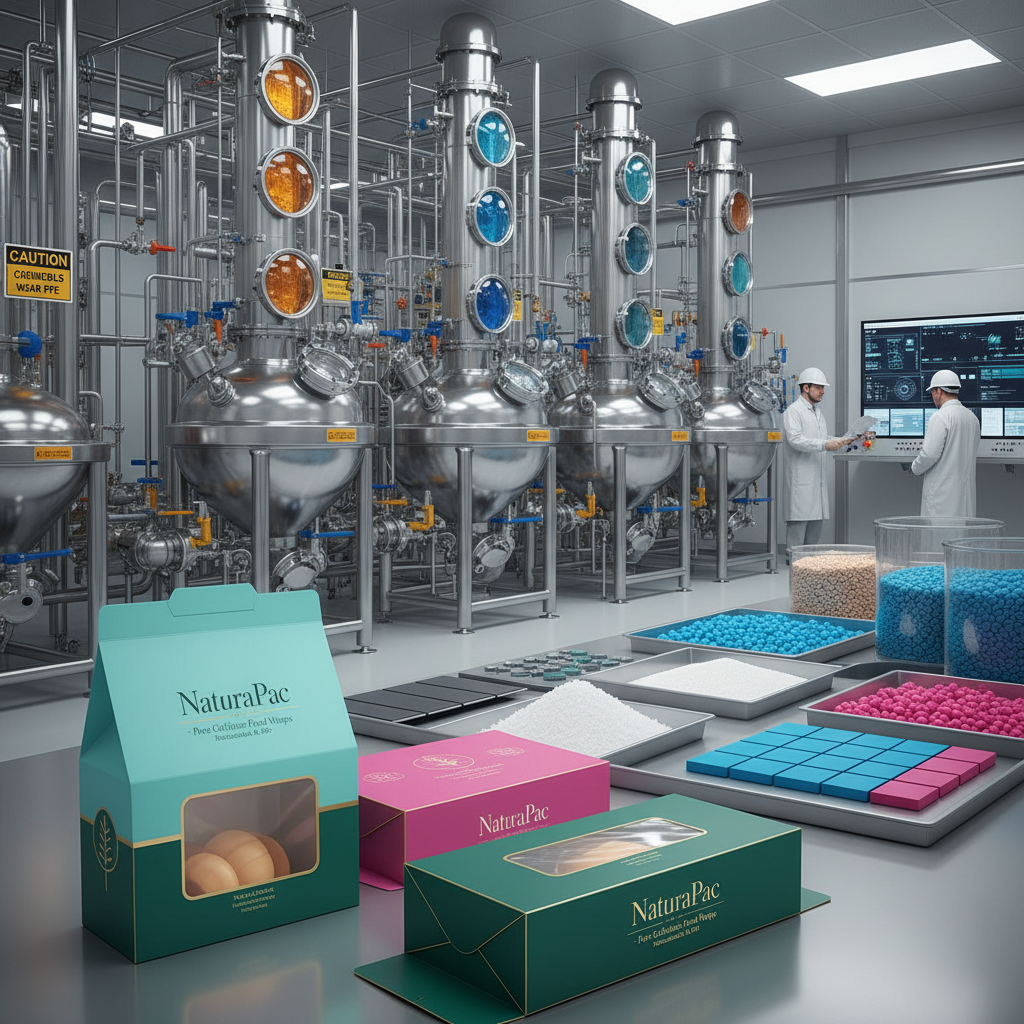
The increasing focus on sustainability is driving demand for cellulose-based tapes with bio-based adhesives and responsibly sourced cellulose. This aligns with broader corporate social responsibility initiatives and consumer preferences for eco-friendly products. The natural origins of cellulose make it a compelling choice for businesses seeking to minimize their environmental footprint.
Beyond environmental benefits, cellulose tape offers advantages in terms of safety, providing a less aggressive adhesive for sensitive applications. Its widespread availability and relatively low cost make it an accessible solution for a broad range of users.
Future Trends and Innovations in Cellulose Tape Technology
The future of cellulose tape is poised for innovation. Research is focused on developing adhesives with even greater biodegradability and performance characteristics. Nanotechnology is being explored to enhance the strength and adhesive properties of cellulose films.
Another area of focus is the integration of smart features into cellulose tape, such as embedded sensors for tracking package contents or temperature monitoring. Advances in coating technologies will enable the creation of tapes with tailored adhesion properties for specific applications. Moreover, the development of recyclable and compostable cellulose tape options will further enhance its sustainability profile.
The convergence of material science, nanotechnology, and sustainable chemistry promises to unlock even greater potential for cellulose tape, transforming it into a truly versatile and environmentally responsible material for the 21st century.
Core Analysis of Cellulose Tape Future Trends
| Trend Category |
Development Focus |
Potential Impact |
Implementation Timeline |
| Bio-based Adhesives |
Developing adhesives from renewable resources |
Reduced environmental impact, improved sustainability |
2-5 years |
| Nanotechnology Integration |
Enhancing film strength and adhesion with nanomaterials |
Superior performance, increased durability |
5-10 years |
| Smart Tape Features |
Embedding sensors for tracking and monitoring |
Improved supply chain visibility, enhanced security |
3-7 years |
| Recyclable Formulations |
Designing tapes compatible with existing recycling streams |
Reduced waste, circular economy benefits |
1-3 years |
| Compostable Materials |
Utilizing fully compostable cellulose and adhesives |
Elimination of plastic waste, environmentally friendly disposal |
5-10 years |
| Coating Technology Advancements |
Tailoring adhesion properties for specific applications |
Improved performance, wider range of uses |
2-5 years |
FAQS
Cellulose tape, when produced with bio-based adhesives and responsibly sourced cellulose, offers significant environmental advantages over plastic tapes. It’s typically biodegradable and compostable, reducing landfill waste. Production often requires less energy and relies on renewable resources, resulting in a lower carbon footprint. Choosing cellulose tape actively supports a more sustainable packaging and industrial approach, aligning with circular economy principles.
Temperature and humidity can significantly influence the adhesive performance of cellulose tape. Higher temperatures generally increase tackiness but can also reduce long-term adhesion. High humidity can compromise adhesion by interfering with the adhesive’s ability to bond to surfaces, particularly non-porous materials. Selecting an adhesive formulation appropriate for the intended environment and storage conditions is crucial for optimal performance.
The suitability of cellulose tape for food packaging depends on several factors, primarily the adhesive used. Adhesives must comply with food contact regulations (e.g., FDA in the US, EFSA in Europe) to ensure they don’t migrate into food. Cellulose tapes designed specifically for food packaging use food-grade adhesives and meet these regulatory standards, offering a safe and sustainable sealing option.
The shelf life of cellulose tape typically ranges from 12 to 24 months when stored correctly. To maintain quality, it should be stored in a cool, dry place away from direct sunlight and heat sources. Proper storage prevents the adhesive from degrading and ensures the tape retains its adhesion properties. Sealing the tape roll after use minimizes exposure to moisture and contaminants.
Yes, cellulose tape can be readily printed on using various techniques, including flexographic and digital printing. This allows for branding, labeling, or providing important product information directly on the tape. The choice of ink and printing method depends on the tape’s composition and the desired print quality. Printed cellulose tape offers a sustainable and visually appealing packaging solution.
The cost of cellulose tape can vary depending on the grade, adhesive type, and quantity purchased. While it may sometimes be slightly more expensive than basic plastic tapes, the total cost of ownership can be competitive when considering environmental benefits and potential cost savings from reduced waste disposal. The growing demand and advancements in manufacturing are also driving down the price of cellulose tape, making it an increasingly affordable option.
Conclusion
Cellulose tape represents a compelling blend of functionality, sustainability, and versatility. From its humble beginnings as a packaging aid, it has evolved into a critical component across a broad spectrum of industries, addressing challenges from securement and protection to environmental responsibility. Understanding its composition, performance characteristics, and emerging innovations is essential for maximizing its potential.
Looking ahead, the future of cellulose tape is bright. Continued research and development promise even more eco-friendly formulations, enhanced performance, and integration of smart technologies. By embracing cellulose tape, businesses and individuals can contribute to a more sustainable future while benefiting from a reliable and effective material. Visit our website at www.hpmcpowder.com to learn more about our cellulose offerings.