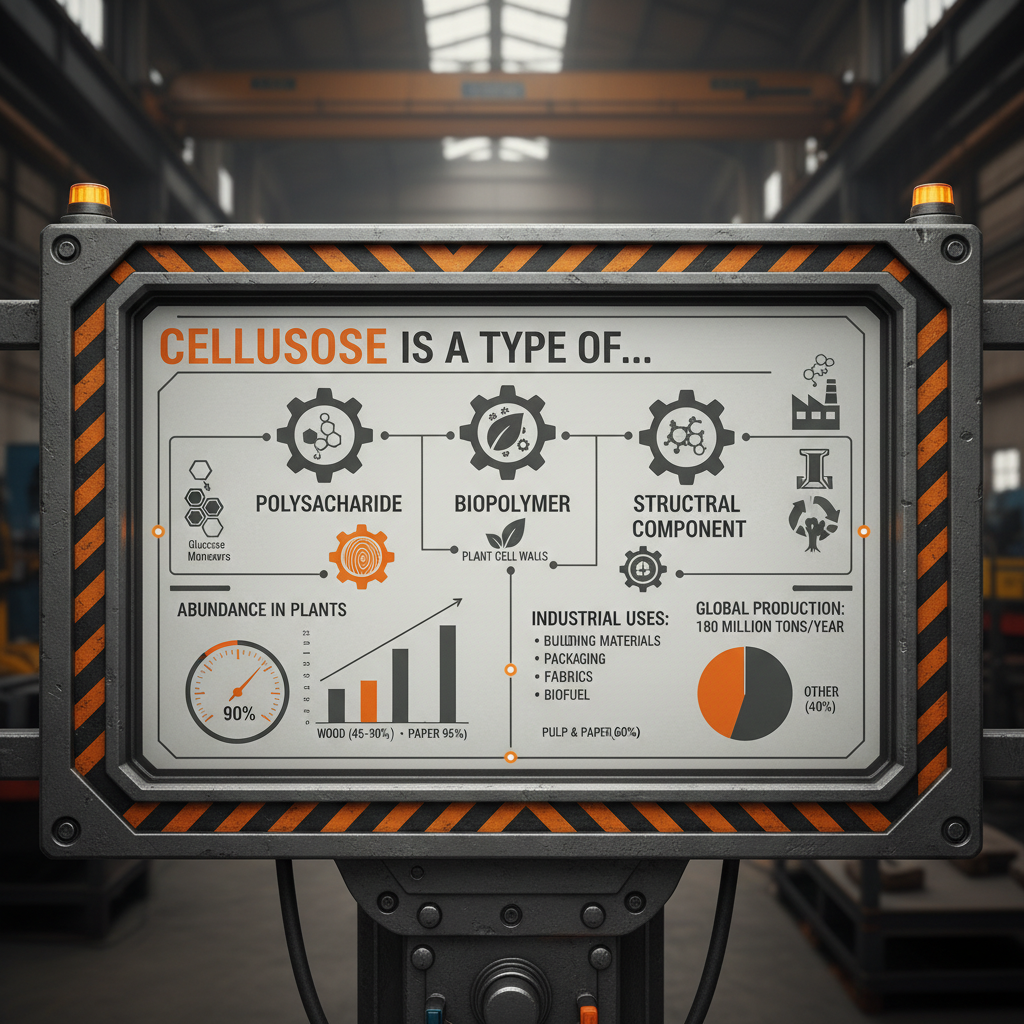
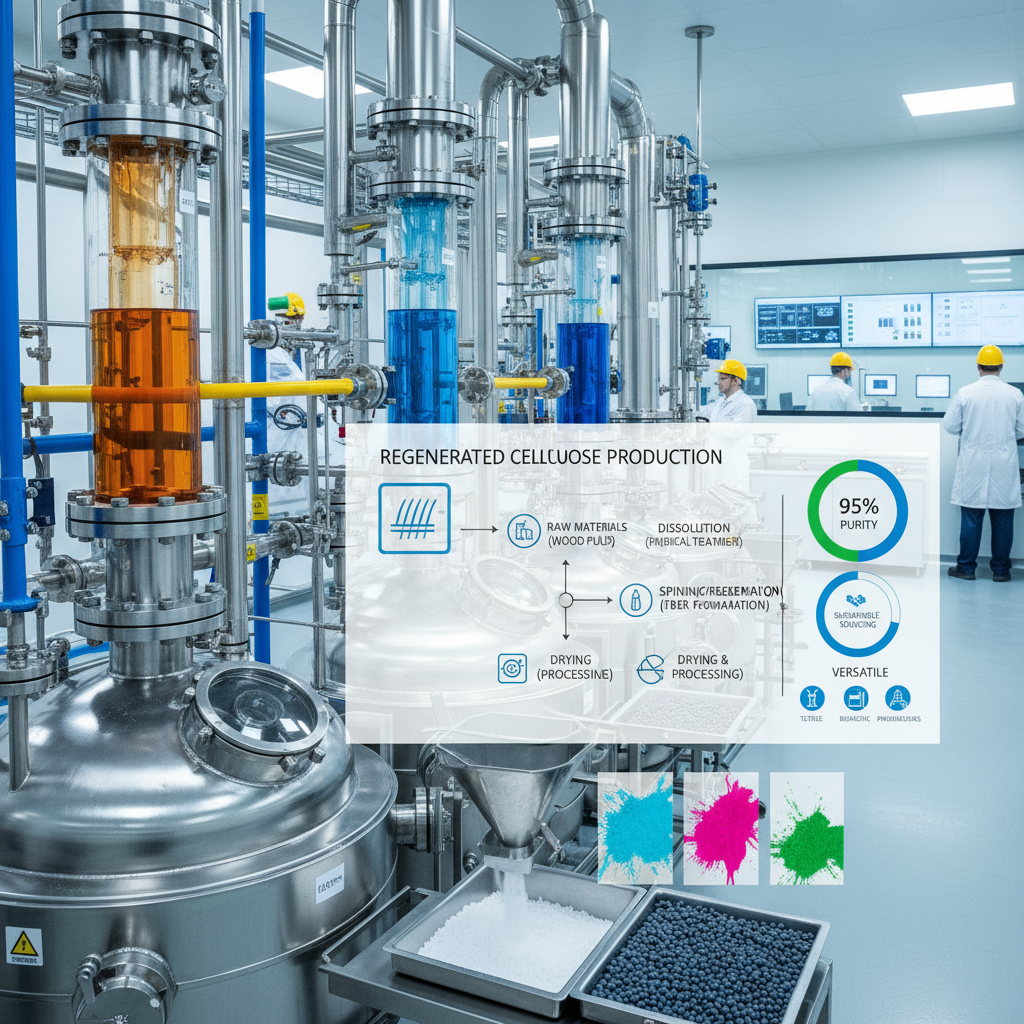
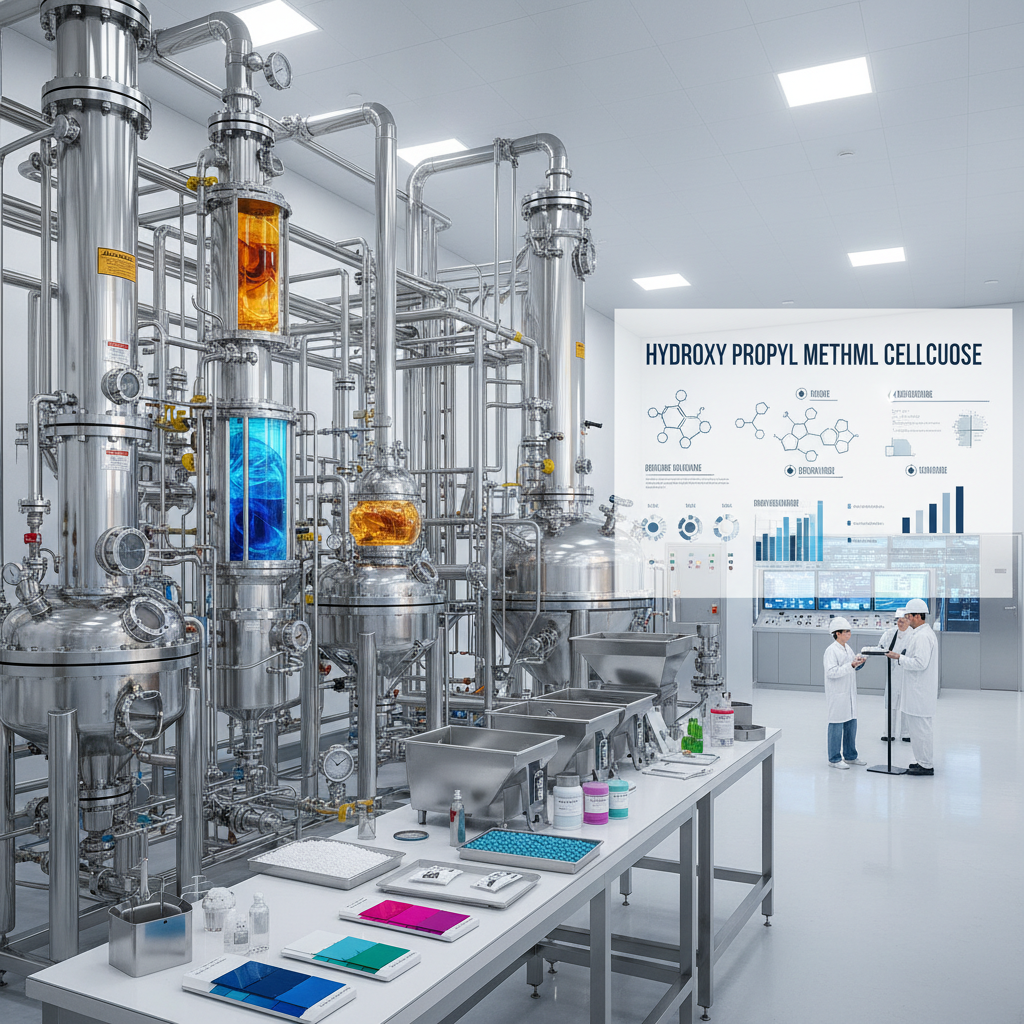
Cellulose, the most abundant organic polymer on Earth, forms the structural component of plant cell walls. Understanding cellulose is a type of foundational biomaterial is crucial due to its widespread impact on industries ranging from textiles and paper to pharmaceuticals and increasingly, sustainable materials. Its unique properties – strength, renewability, and biodegradability – position it as a key player in addressing global challenges related to resource depletion and environmental sustainability.
The global production of cellulose-based products represents a multi-billion dollar industry, impacting economies worldwide. From the cotton in our clothes to the wood pulp used for paper, cellulose is interwoven into the fabric of modern life. The increasing demand for sustainable alternatives to petroleum-based materials is driving innovation in cellulose processing and application.
Furthermore, advancements in nanotechnology and biotechnology are unlocking new possibilities for utilizing cellulose in high-tech applications like biomedical engineering and advanced composites. This ongoing evolution necessitates a comprehensive understanding of cellulose is a type of versatile and vital substance.
The Fundamental Nature of cellulose is a type of
At its core, cellulose is a type of complex carbohydrate, specifically a polysaccharide consisting of a long chain of glucose molecules linked together. These glucose chains arrange themselves into microfibrils, providing remarkable tensile strength and structural rigidity. This foundational structure is what allows plants to stand tall and gives cellulose its unique properties.
The biosynthesis of cellulose occurs within plant cells, and its composition can vary slightly depending on the plant source. However, the fundamental structure remains consistent, enabling predictable and controllable processing for a wide range of industrial applications.
Global Significance and Industrial Context of cellulose is a type of
The global demand for cellulose is driven primarily by the paper and packaging industry, accounting for a substantial portion of worldwide production. However, the use of cellulose is a type of extends far beyond these traditional applications. The textile industry relies heavily on cellulose fibers, particularly cotton and rayon.
According to the Food and Agriculture Organization of the United Nations (FAO), global forest products production reached over 3.7 billion cubic meters in 2020, with a significant percentage destined for cellulose-based products. This highlights the immense scale and economic impact of cellulose processing.
A critical challenge facing the cellulose industry is the need for more sustainable sourcing and production methods. The traditional reliance on wood pulp raises concerns about deforestation and environmental degradation, prompting a shift towards alternative cellulose sources like agricultural residues and algae.
Defining Characteristics of cellulose is a type of
Cellulose is a type of remarkably strong and durable material, due to the strong intermolecular bonds between its glucose chains. This inherent strength, coupled with its fibrous structure, makes it ideal for applications requiring high tensile strength.
Unlike many synthetic polymers, cellulose is readily biodegradable, meaning it can be broken down by microorganisms in the environment. This biodegradability makes it an attractive alternative to plastic in various applications, addressing growing concerns about plastic pollution. It’s also biocompatible, allowing for use in medical applications.
Finally, cellulose is a renewable resource, derived from plant biomass. This renewability ensures a sustainable supply, unlike finite fossil fuels used to produce many synthetic materials. The abundance of cellulose in nature positions it as a cornerstone of a circular economy.
Core Properties Influencing Applications of cellulose is a type of
The utility of cellulose is a type of stems from a combination of key properties. Its high tensile strength allows it to be used in reinforcing materials and construction. Its ability to form strong films makes it ideal for packaging applications.
The fibrous nature of cellulose contributes to its excellent absorbent properties, leading to its use in textiles, hygiene products, and filtration systems. Moreover, cellulose can be chemically modified to alter its properties, broadening its range of applications.
Cellulose Modification Techniques and Their Impact
Diverse Applications of cellulose is a type of Worldwide
From everyday items like clothing and paper to cutting-edge technologies, cellulose is a type of finds applications across numerous industries. In the pharmaceutical sector, microcrystalline cellulose is widely used as an excipient in tablet formulations.
In the construction industry, cellulose fibers are incorporated into composite materials to enhance strength and reduce weight. Innovative applications include cellulose nanocrystals (CNCs) being explored as reinforcing agents in high-performance polymers.
Advantages and Long-Term Value of cellulose is a type of
The advantages of utilizing cellulose is a type of are multifaceted. From a cost perspective, cellulose is generally less expensive than many synthetic alternatives. Environmentally, its renewability and biodegradability offer significant benefits.
Socially, the use of cellulose can support sustainable forestry practices and provide economic opportunities in rural communities. The inherent safety and biocompatibility of cellulose contribute to its value in applications related to human health and well-being.
Long-term, investment in cellulose-based technologies fosters innovation and promotes a circular economy, reducing reliance on finite resources and minimizing environmental impact.
Future Innovations and Challenges Regarding cellulose is a type of
Ongoing research focuses on optimizing cellulose extraction and processing techniques, reducing energy consumption and minimizing waste. Nanotechnology is driving the development of advanced cellulose materials with enhanced properties.
The integration of cellulose into bio-based plastics and composites is gaining momentum, offering sustainable alternatives to fossil fuel-based materials. Furthermore, advancements in genetic engineering aim to enhance cellulose production in plants and microorganisms.
However, challenges remain, including the need to address the cost of cellulose nanocrystal production and improve the compatibility of cellulose with other materials. Overcoming these challenges will unlock the full potential of cellulose is a type of.
Summary of Cellulose Processing Challenges and Potential Solutions
| Challenge |
Impact on Sustainability |
Potential Solution |
Implementation Difficulty (1-5, 5=High) |
| High Energy Consumption in Pulping |
Increased Carbon Footprint |
Optimized Pulping Processes (e.g., enzymatic hydrolysis) |
3 |
| Cost of Nanocrystal Production |
Limited Scalability of Nanomaterials |
Novel Extraction and Purification Techniques |
4 |
| Compatibility with Hydrophobic Materials |
Restricted Composite Applications |
Chemical Modification and Surface Treatment |
2 |
| Sourcing from Deforested Areas |
Environmental Degradation |
Sustainable Forestry Certification and Alternative Sources |
3 |
| Waste Management of Cellulose Byproducts |
Potential Landfill Issues |
Valorization of Byproducts (e.g., biogas production) |
2 |
| Limited Public Awareness |
Slower Adoption of Cellulose-Based Products |
Educational Campaigns and Marketing Initiatives |
1 |
FAQS
Cellulose-based materials offer several key environmental advantages. Being derived from renewable resources like plants, they reduce reliance on finite fossil fuels. Furthermore, cellulose is biodegradable, minimizing plastic pollution and contributing to a circular economy. Sustainable forestry practices, when implemented, can also help preserve biodiversity and prevent deforestation. The lower carbon footprint of production compared to many synthetic polymers is another significant benefit.
The cost of cellulose can vary depending on the source and processing method. Generally, raw cellulose is less expensive than many traditional plastics derived from petroleum. However, processing cellulose into specialized materials, like nanocrystals, can increase costs. Ongoing research and development are aimed at reducing these processing costs to make cellulose-based materials more competitive in the market.
Innovative applications of cellulose are rapidly expanding. Cellulose nanocrystals are being used to create stronger, lighter composites for automotive and aerospace industries. Cellulose films are being developed as biodegradable packaging materials. In the biomedical field, cellulose is utilized in wound dressings and drug delivery systems. Furthermore, cellulose is being explored as a sustainable alternative in 3D printing and construction materials.
Scaling up cellulose production faces several challenges. Efficient and sustainable sourcing of cellulose feedstocks is crucial, requiring careful consideration of land use and forest management. Developing cost-effective and energy-efficient processing methods is also essential. Overcoming compatibility issues with other materials, particularly hydrophobic polymers, remains a hurdle. Finally, expanding infrastructure for cellulose processing and distribution is necessary to meet growing demand.
While cellulose offers a promising alternative to petroleum-based plastics in many applications, it’s not a universal replacement. Cellulose’s moisture sensitivity and limited barrier properties can be drawbacks in certain scenarios. However, chemical modification and blending with other materials can overcome these limitations. Ongoing research is focused on tailoring cellulose properties to suit a wider range of applications, aiming for a greater degree of substitution.
Cellulose is playing a pivotal role in sustainable packaging. Cellulose films, derived from wood pulp or agricultural residues, offer a biodegradable and compostable alternative to traditional plastic films. Cellulose-based molded pulp packaging is used for protective cushioning of fragile goods. Researchers are also developing cellulose nanocrystal-reinforced packaging materials with improved strength and barrier properties, reducing the need for plastic liners.
Conclusion
In conclusion, cellulose is a type of remarkable biomaterial with a profound impact on numerous aspects of modern life. Its abundance, renewability, biodegradability, and versatility position it as a cornerstone of sustainable development. From traditional applications in paper and textiles to emerging technologies in biomedicine and nanotechnology, cellulose continues to inspire innovation.
Investing in research and development, promoting sustainable sourcing practices, and fostering collaboration between industry and academia are crucial to unlocking the full potential of cellulose. By embracing this natural resource, we can move towards a more circular and environmentally responsible future. Visit our website at www.hpmcpowder.com to learn more about our cellulose-based solutions.