Hebei Tangzhi Technology Co., Ltd.


Carboxymethyl cellulose (CMC) is a versatile and widely used polymer derived from cellulose. Its unique properties, including water solubility, thickening ability, and film-forming capabilities, make it an essential ingredient across diverse industries. Understanding CMC is crucial, not only for manufacturers seeking optimal formulations but also for innovators developing sustainable solutions for global challenges. From food production to pharmaceuticals and oil drilling, carboxymethyl cellulose plays a quietly vital role in our modern world.
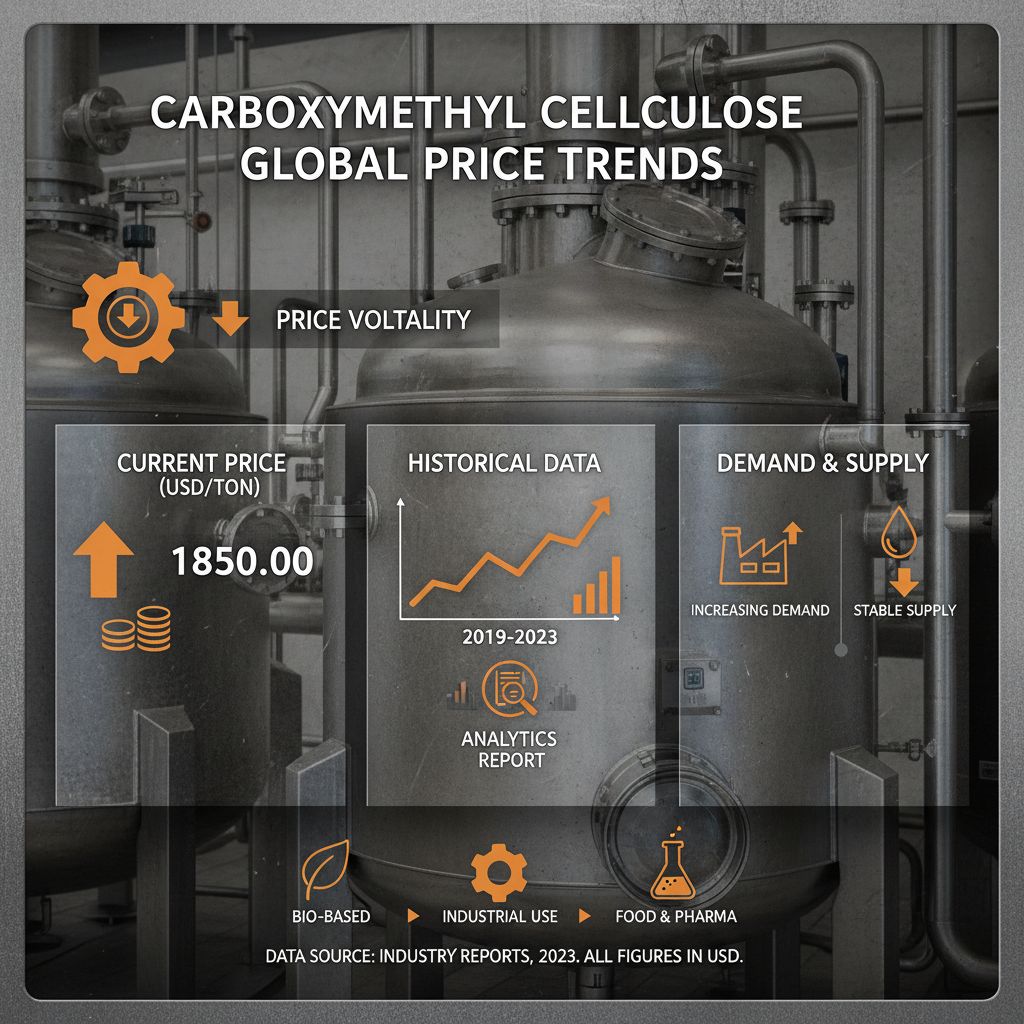
The global demand for carboxymethyl cellulose is steadily increasing, driven by population growth, evolving consumer preferences, and the need for sustainable materials. According to market research, the CMC market is projected to reach significant growth in the coming years, particularly in the Asia-Pacific region. This growth necessitates a deeper understanding of its production processes, applications, and potential environmental impacts. Addressing these concerns through research and development is paramount to ensuring responsible and sustainable utilization of this valuable resource.
CMC offers a cost-effective and bio-compatible alternative to synthetic polymers in many applications. Its ability to enhance product stability, improve texture, and control viscosity makes it indispensable. As industries increasingly prioritize eco-friendly options, carboxymethyl cellulose is poised to become even more prominent, contributing to a more sustainable future. It is a true example of a naturally derived material impacting a wide range of modern technologies.
Carboxymethyl cellulose’s widespread use stems from its ability to modify the properties of liquids and solids. Its high water absorption capacity and thickening properties are critical in industries ranging from food processing to cosmetics. Understanding the nuances of carboxymethyl cellulose is essential for product developers aiming for specific functionalities and optimal performance.
The versatility of carboxymethyl cellulose also extends to its environmentally friendly profile. Derived from a renewable resource – cellulose – and biodegradable under certain conditions, it presents a more sustainable alternative to many synthetic polymers, aligning with the growing global emphasis on environmental responsibility. This makes CMC an increasingly important material for future innovations.
Carboxymethyl cellulose is widely used in the food industry as a thickening agent, stabilizer, emulsifier, and binder. It improves the texture of products like ice cream and sauces, prevents syneresis in baked goods, and enhances the shelf life of beverages. Its ability to control viscosity and maintain consistent product quality makes it a valuable ingredient in a wide array of food formulations.
Yes, carboxymethyl cellulose is generally recognized as safe (GRAS) by regulatory bodies like the U.S. Food and Drug Administration (FDA) and the European Food Safety Authority (EFSA). Extensive testing has shown it to be non-toxic and well-tolerated by humans when used within approved levels. It is a common and safe ingredient found in many processed foods.
The degree of substitution (DS) refers to the average number of carboxymethyl groups attached to each anhydroglucose unit in the cellulose polymer. A higher DS generally leads to increased water solubility, higher viscosity, and improved stability. Different grades of CMC with varying DS are manufactured to meet the specific requirements of different applications. Controlling the DS is crucial for tailoring CMC's functionality.
While not rapidly biodegradable under all conditions, carboxymethyl cellulose can undergo biodegradation under specific environmental conditions, particularly in the presence of microorganisms. Its biodegradability is a significant advantage over many synthetic polymers, contributing to its status as a more sustainable material choice. However, biodegradation rates can vary depending on factors like DS and environmental conditions.
Traditional CMC production can involve the use of harsh chemicals and solvents. However, efforts are being made to develop more sustainable production processes using environmentally friendly alternatives. Focus is shifting towards reducing waste, minimizing energy consumption, and utilizing renewable resources throughout the manufacturing process. Responsible sourcing of cellulose is also a key consideration.
Compared to other thickening agents like starch or guar gum, carboxymethyl cellulose often provides superior stability, clarity, and consistency in aqueous solutions. It’s less susceptible to enzymatic degradation and maintains its thickening properties over a wider range of pH and temperature conditions. While cost can sometimes be a factor, its performance benefits often justify its use.
In summary, carboxymethyl cellulose stands as a remarkably versatile and essential polymer, impacting countless industries from food and pharmaceuticals to oil and gas. Its unique combination of properties – thickening, stabilizing, film-forming, and biocompatibility – coupled with its cost-effectiveness and increasingly sustainable production methods, secures its position as a crucial material in modern manufacturing.
Looking ahead, continued research and development focused on enhancing CMC’s properties and exploring novel applications will further unlock its potential. Embracing sustainable practices throughout its production cycle and promoting responsible utilization will ensure that carboxymethyl cellulose continues to contribute to innovation and a more sustainable future. Visit our website at carboxymethyl cellulose to learn more.