Exploring Cellulose Packaging for Food A Sustainable and Renewable Solution
Cellulose Packaging for Food: A Sustainable Solution
In today's world, sustainability is no longer a buzzword but a necessity, particularly within the food industry. Consumers are increasingly demanding eco-friendly packaging, pushing manufacturers to explore alternatives to traditional plastics. Cellulose packaging for food emerges as a compelling solution, offering a renewable, biodegradable, and often compostable option. This article delves into the benefits, applications, and innovations surrounding cellulose-based food packaging, providing insights for businesses looking to reduce their environmental footprint. Choosing the right packaging is key to preserving food quality while minimizing ecological impact. We'll explore why cellulose packaging is gaining traction as a leader in sustainable solutions.

Understanding Cellulose and its Sources
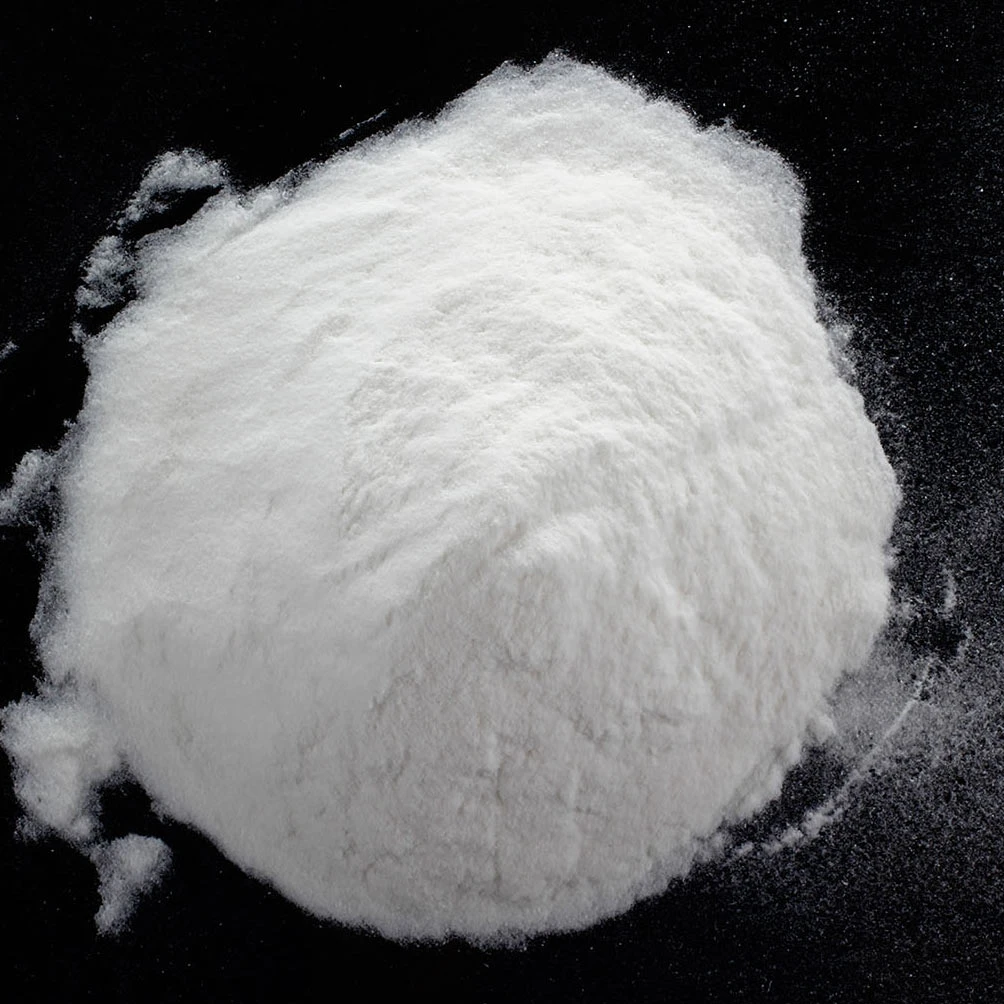
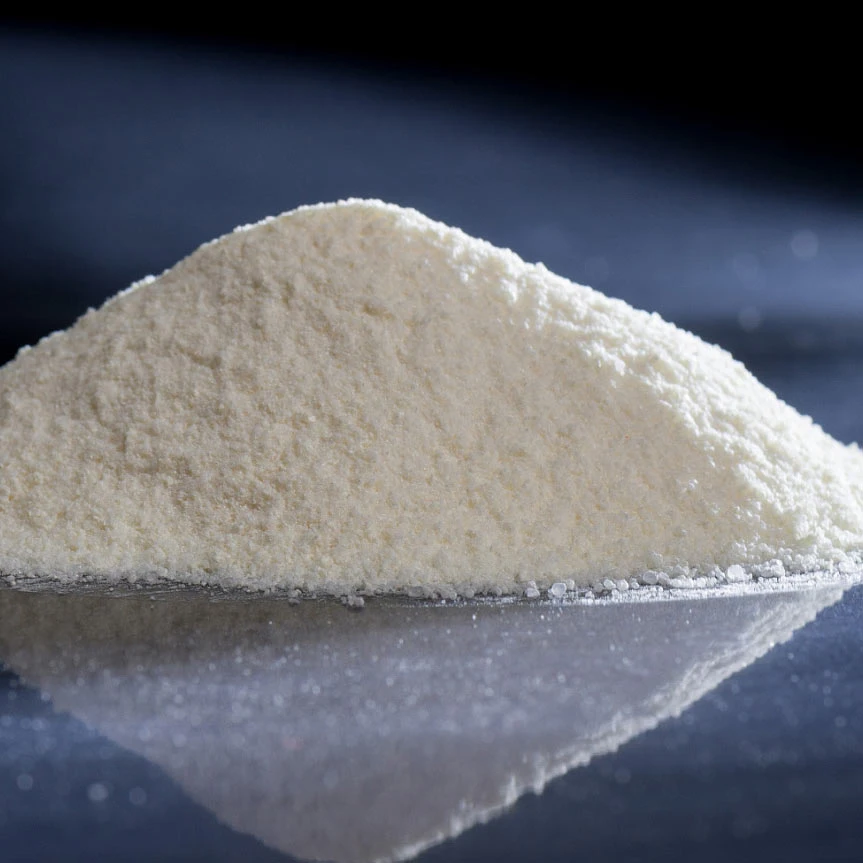
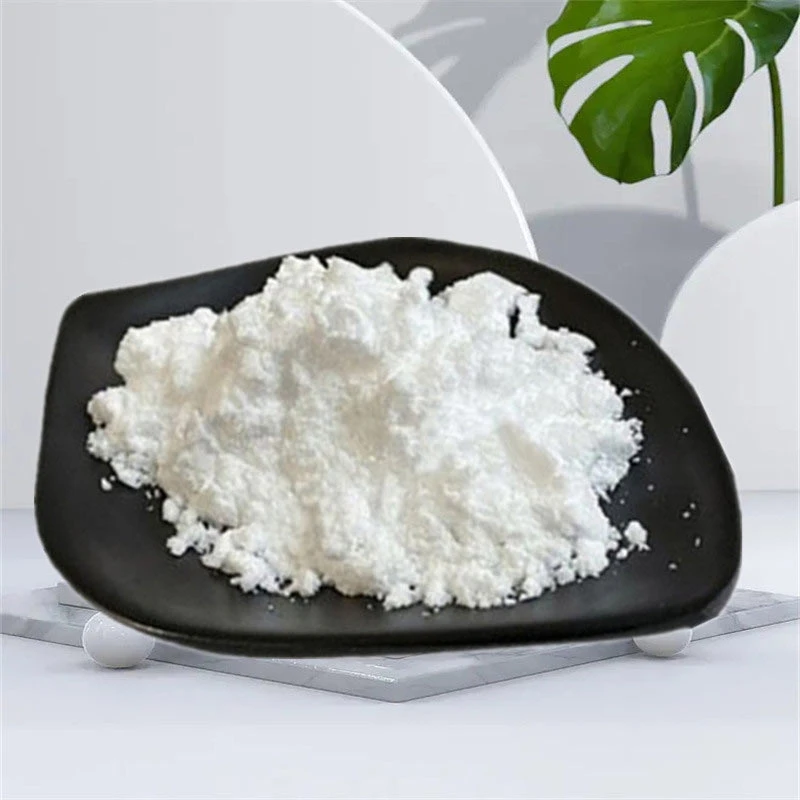
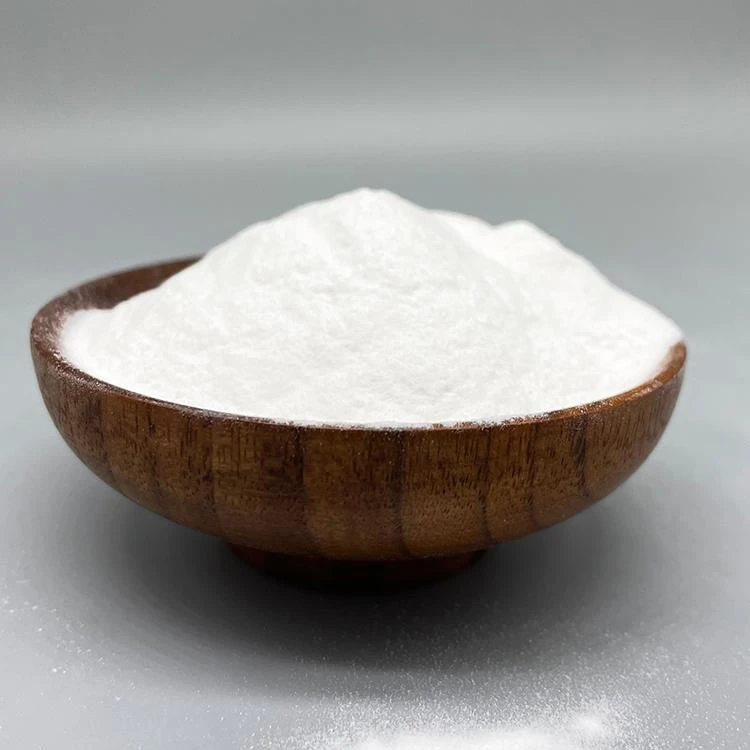
Cellulose is the most abundant organic polymer on Earth, forming the structural component of plant cell walls. This naturally occurring material can be sourced from various renewable resources, including wood pulp, cotton, hemp, and agricultural waste. Unlike petroleum-based plastics, cellulose is a renewable resource, meaning its supply can be replenished naturally. Utilizing agricultural waste, like straw or corn stalks, further enhances the sustainability profile of cellulose packaging by repurposing by-products that would otherwise be discarded. Different sourcing methods can impact the final product’s properties and cost, making careful consideration essential. HPMC Powder, derived from cellulose, can play a crucial role in enhancing the barrier properties of cellulose films, further improving their suitability for food packaging.
Key Highlights: Cellulose is the most abundant organic polymer on Earth, forming the structural component of plant cell walls. Unlike petroleum-based plastics, cellulose is a renewable resource.
Types of Cellulose-Based Food Packaging
Cellulose can be processed into several forms suitable for food packaging. These include: Cellulose Films: These transparent, flexible films offer excellent oxygen and aroma barrier properties, making them ideal for wrapping confectionery, baked goods, and fresh produce. Molded Cellulose: Similar to paper pulp, molded cellulose is used to create trays, containers, and clamshells, commonly seen for egg cartons, fruit trays, and takeaway containers. Cellulose Coatings: Thin layers of cellulose can be applied to paper or cardboard to improve water resistance and barrier properties. Regenerated Cellulose: This involves dissolving cellulose and reforming it into a new material, such as cellophane, offering a glossy, transparent option.
Cellulose Packaging Types:
• Cellulose Films: Excellent oxygen and aroma barrier properties.
• Molded Cellulose: Trays, containers, and clamshells (e.g., egg cartons).
• Cellulose Coatings: Improved water resistance for paper/cardboard.
• Regenerated Cellulose: Cellophane – glossy, transparent.
Cellulose Packaging vs. Traditional Plastics: A Comparative Analysis
Comparing cellulose packaging with conventional plastics highlights its advantages. The table below showcases a detailed comparison:
Applications of Cellulose Packaging in the Food Industry
Cellulose packaging is finding increasing applications across diverse food sectors. It is widely used for packaging fresh produce, confectionery, bakery items, and dried foods. The demand for sustainable packaging is driving innovation, leading to new applications in areas like meat and dairy packaging, often combined with bio-based barrier coatings. Further research is focused on enhancing cellulose’s moisture resistance and heat sealability to broaden its applicability. Contact us today to learn how our cellulose-based materials can enhance your food packaging solutions.
Future Trends and Innovations in Cellulose Packaging
The future of cellulose packaging looks promising, with ongoing research focused on improving its performance and reducing costs. Key areas of innovation include developing new bio-based coatings to enhance barrier properties, exploring nano-cellulose for increased strength and flexibility, and optimizing production processes to lower environmental impact. The increasing demand for compostable packaging is also driving the development of cellulose-based materials certified for home and industrial composting. We at HPMC Powder are committed to contributing to these advancements, providing high-quality cellulose derivatives for innovative packaging solutions.
Conclusion: Embracing Sustainability with Cellulose Packaging
Cellulose packaging for food represents a significant step towards a more sustainable future. Its renewable nature, biodegradability, and versatility make it an attractive alternative to traditional plastics. As technology advances and costs decrease, cellulose packaging is poised to become an increasingly dominant force in the food packaging industry.
Frequently Asked Questions (FAQs)
Is cellulose packaging truly compostable?
While cellulose is naturally biodegradable, its compostability depends on the specific formulation and any added coatings. Many cellulose-based packaging materials are certified compostable for industrial composting facilities, where controlled conditions facilitate breakdown. Some are also designed for home composting, but this requires careful verification of certifications. Look for packaging labeled with recognized composting standards, like ASTM D6400, to ensure genuine compostability.
What are the limitations of cellulose packaging?
Cellulose packaging generally has lower barrier properties against moisture and gases compared to some plastics. This can limit its use for certain food products requiring extended shelf life. However, advancements in bio-based coatings and laminations are continuously improving these barrier properties. Cost can also be a factor, as cellulose packaging may sometimes be more expensive than traditional plastic options, although economies of scale are bringing prices down.
How does the sourcing of cellulose impact its sustainability?
The sustainability of cellulose packaging is closely tied to its source. Using cellulose from sustainably managed forests or agricultural waste is crucial to minimize environmental impact. Certifications like the Forest Stewardship Council (FSC) ensure responsible forestry practices. Utilizing waste streams, like straw or bagasse, further reduces the environmental footprint by repurposing materials that would otherwise be discarded. Learn more about our sustainable practices.
Can cellulose packaging be recycled?
Cellulose packaging, particularly paper-based forms, can often be recycled through existing paper recycling streams. However, the presence of coatings or laminations may affect recyclability, and it's essential to check with local recycling facilities. Compostable cellulose packaging should ideally be composted rather than recycled, as the recycling process can compromise its compostability.
-
Industrial Guide to Cellosize Hydroxyethyl Cellulose ApplicationsNewsApr.16,2026
-
Industrial Applications and Benefits of nanofibrillar celluloseNewsApr.09,2026
-
Comprehensive Guide to Hydroxypropyl Methylcellulose and Its Diverse ApplicationsNewsApr.07,2026
-
Exploring Cellulose Based Packaging A Sustainable Choice for BusinessesNewsApr.04,2026
-
Comprehensive Guide to MHEC Chemical Properties and Industrial ApplicationsNewsMar.31,2026