Hydroxyethyl Methyl Cellulose (HEMC/MHEC): Applications, Pricing, and Industrial Uses
Hydroxyethyl methyl cellulose, also known as HEMC cellulose or MHEC, is a water-soluble cellulose derivative widely used in construction, pharmaceuticals, and industrial applications. Its versatility stems from its ability to act as a thickener, binder, stabilizer, and water retention agent. Known in the industry as methyl hydroxyethyl cellulose MHEC, this polymer is produced in various grades and forms, including MHEC powder, which is particularly popular for industrial and construction purposes.
In this article, we will discuss the chemical properties of hydroxyethyl methyl cellulose hemc, industrial applications, cost considerations such as mhec powder price and methyl hydroxyethyl cellulose price, and the practical uses of mhec powder in various sectors. We will also examine MHEC cellulose as a material and provide insights into mhec com and chemical MHEC formulations.
Understanding MHEC: Chemical Properties and Grades
Hydroxyethyl methyl cellulose hemc is a chemically modified cellulose in which hydroxyl groups of natural cellulose are substituted with hydroxyethyl and methyl groups. This modification provides a range of functional properties, including solubility in cold water, thickening capability, and film-forming ability.
Types and Chemical Characteristics
Several forms and derivatives of HEMC/MHEC are commonly used in industrial applications:
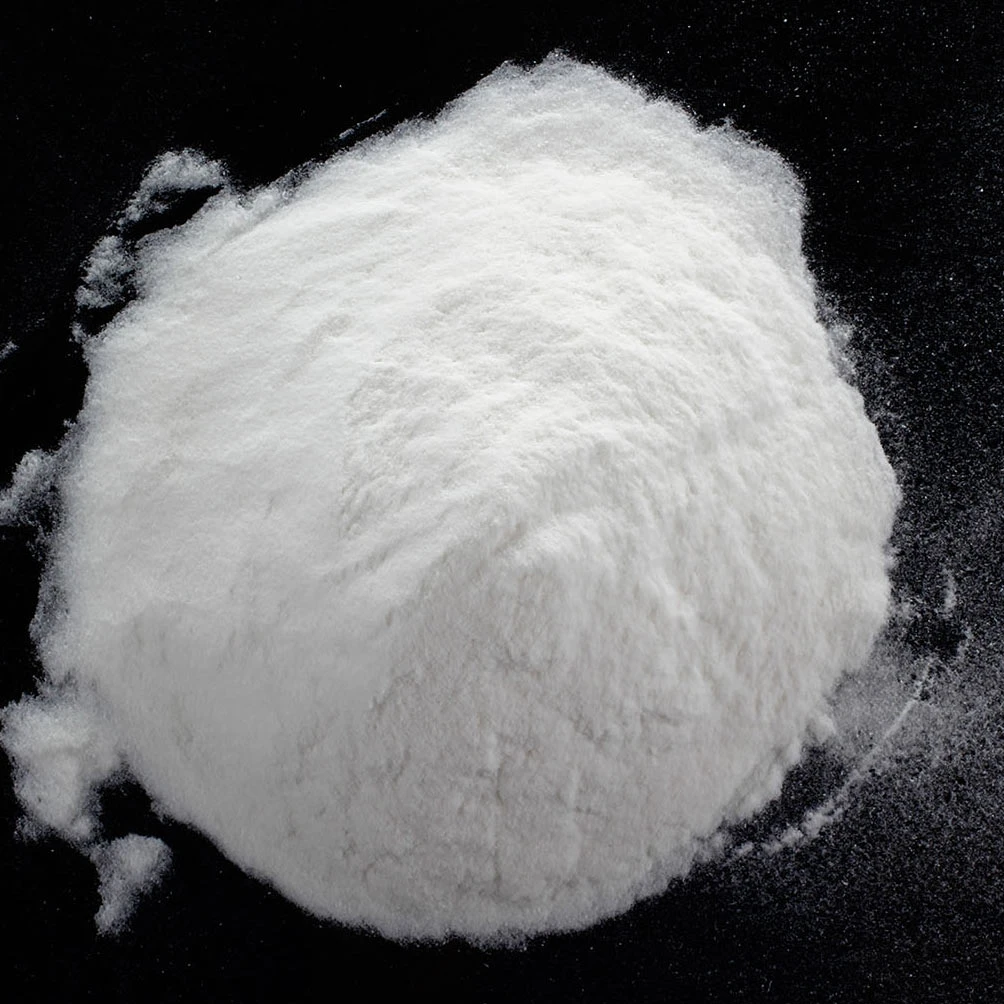
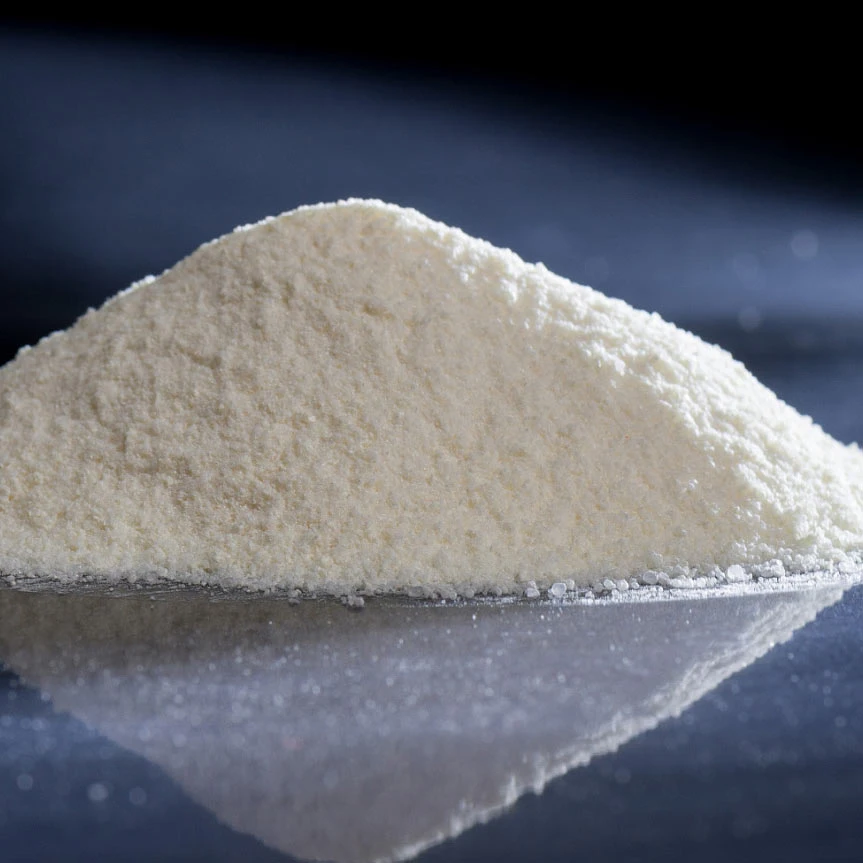
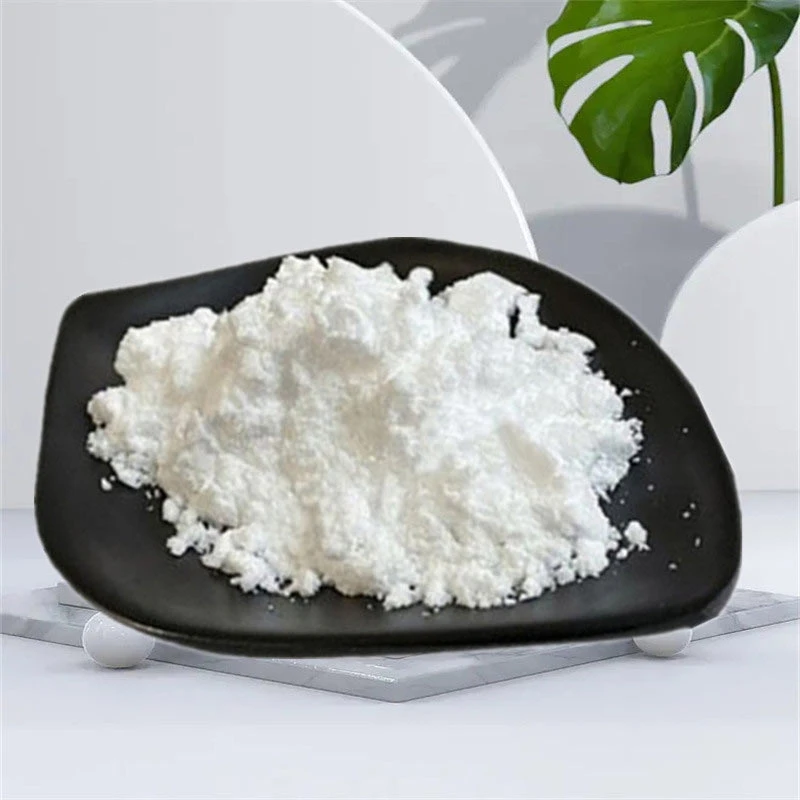
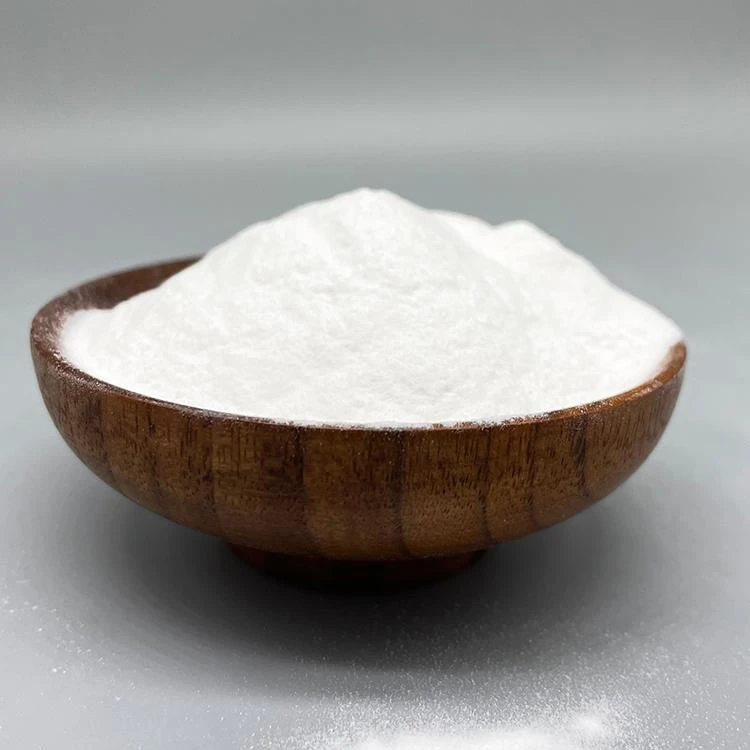
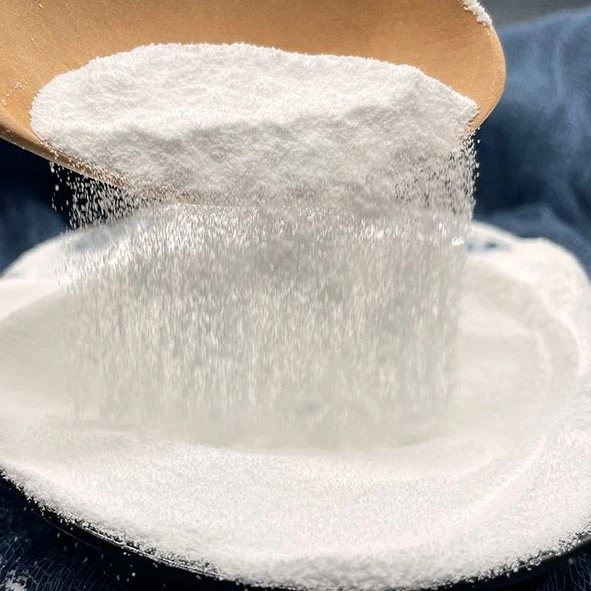
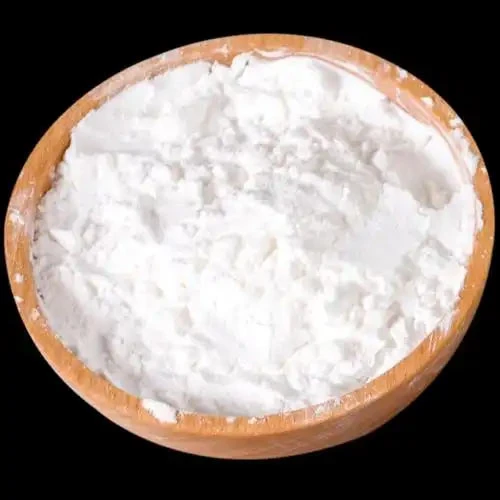
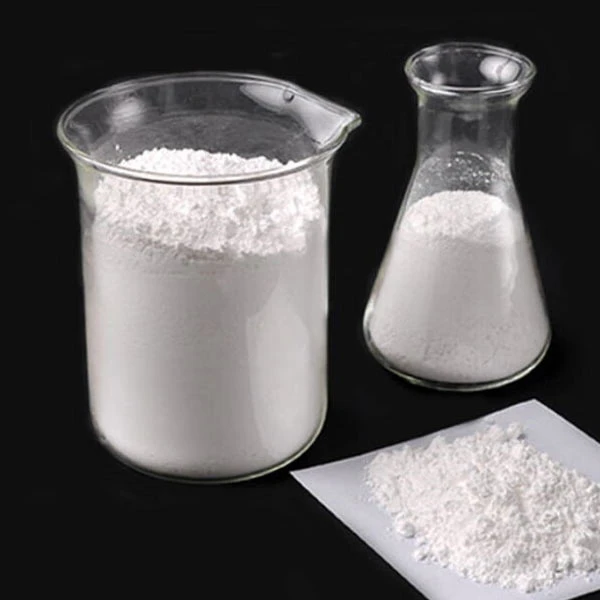
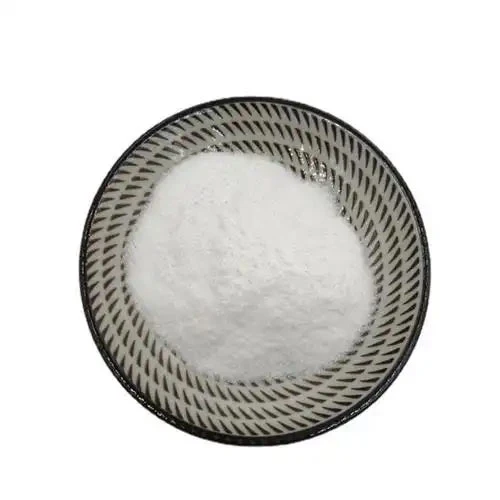
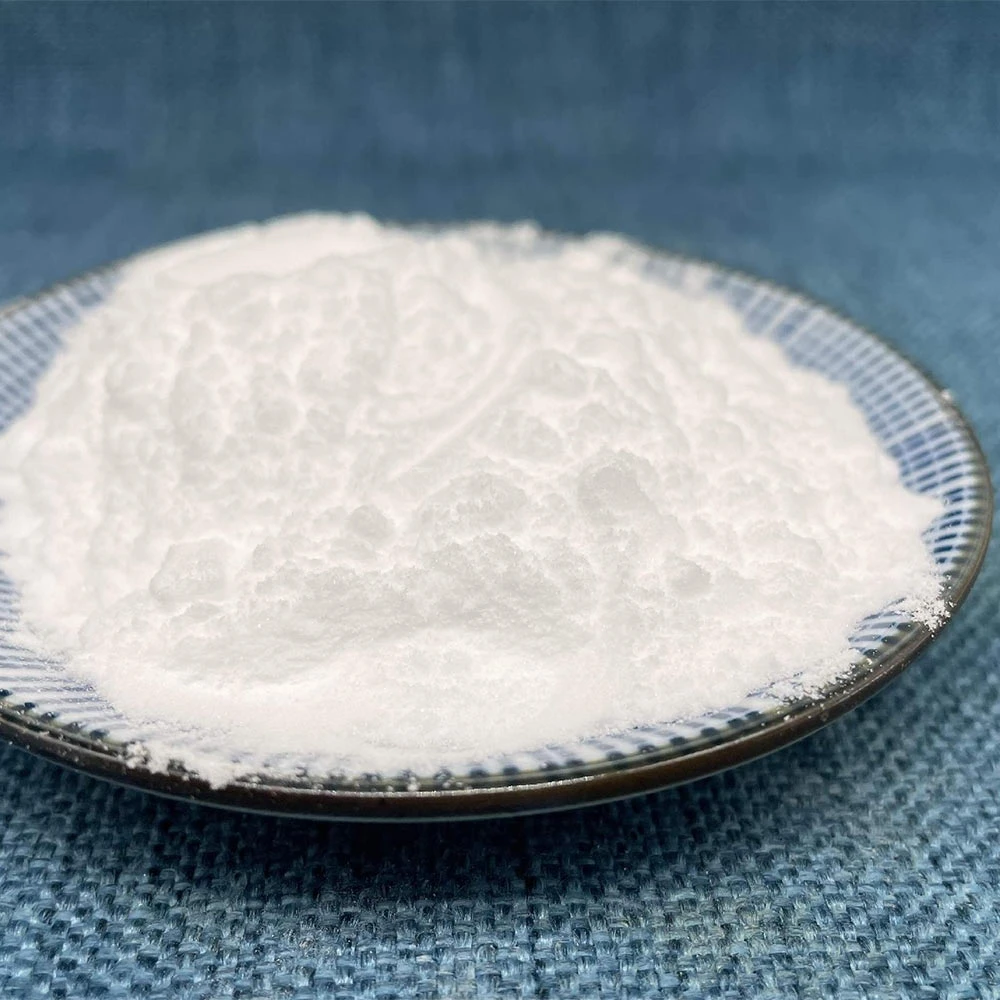
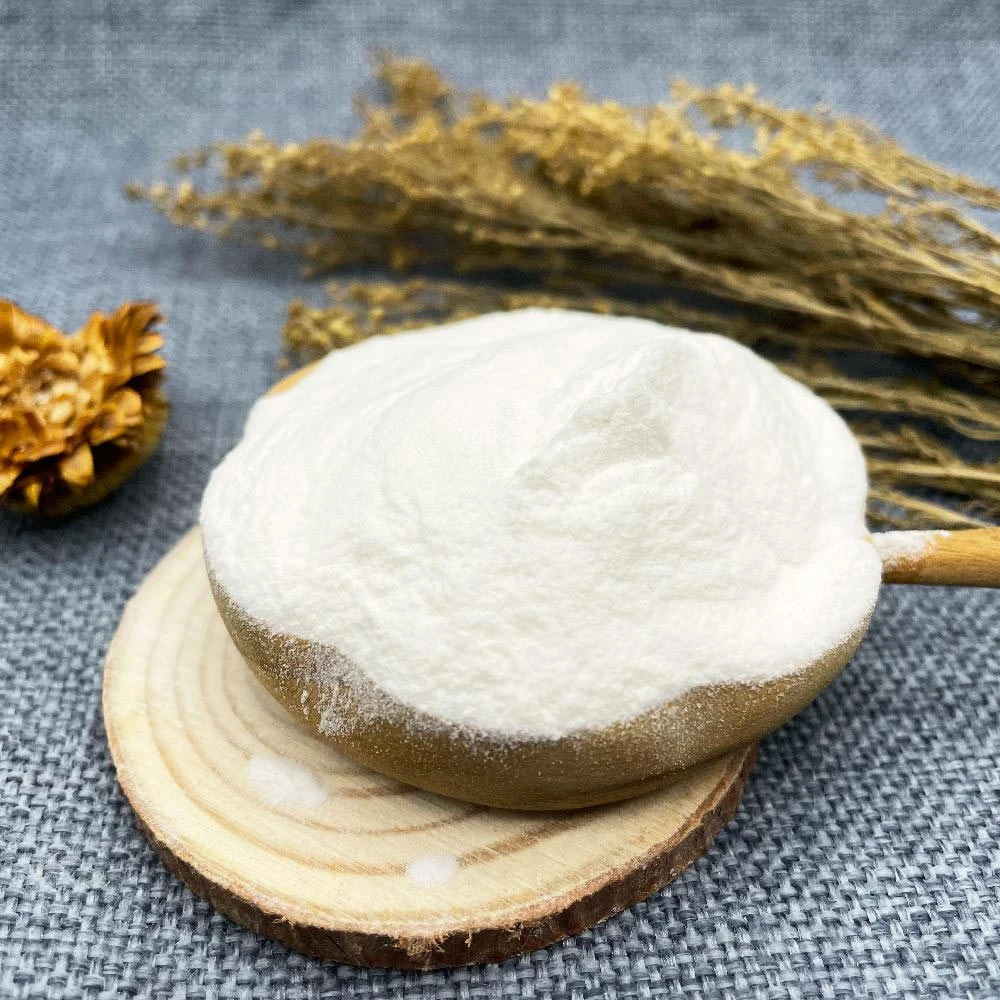
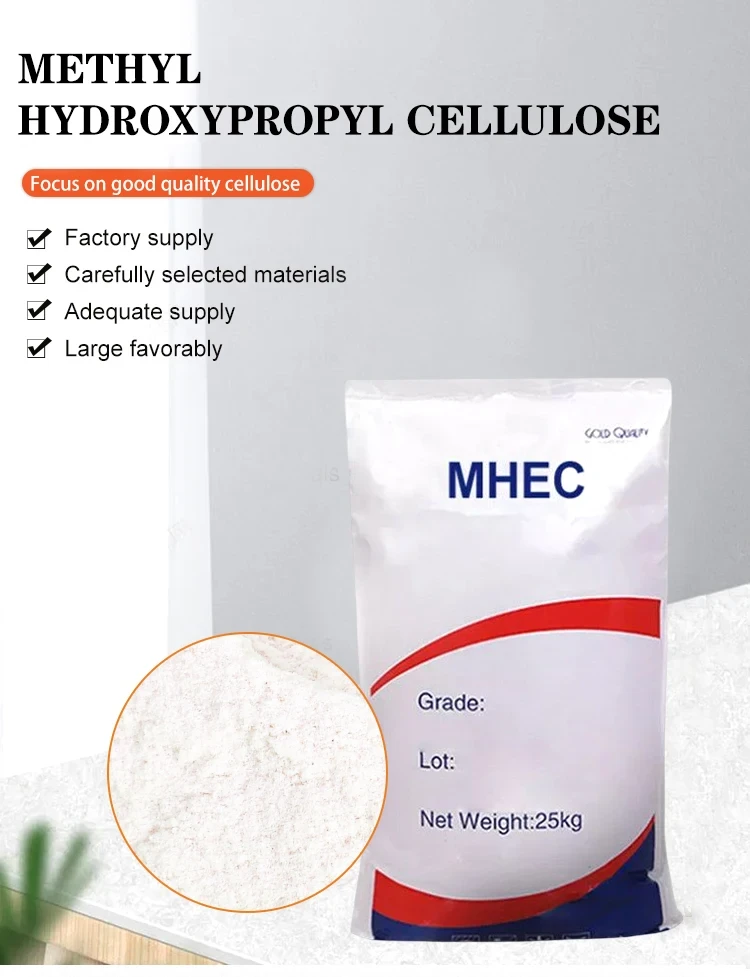
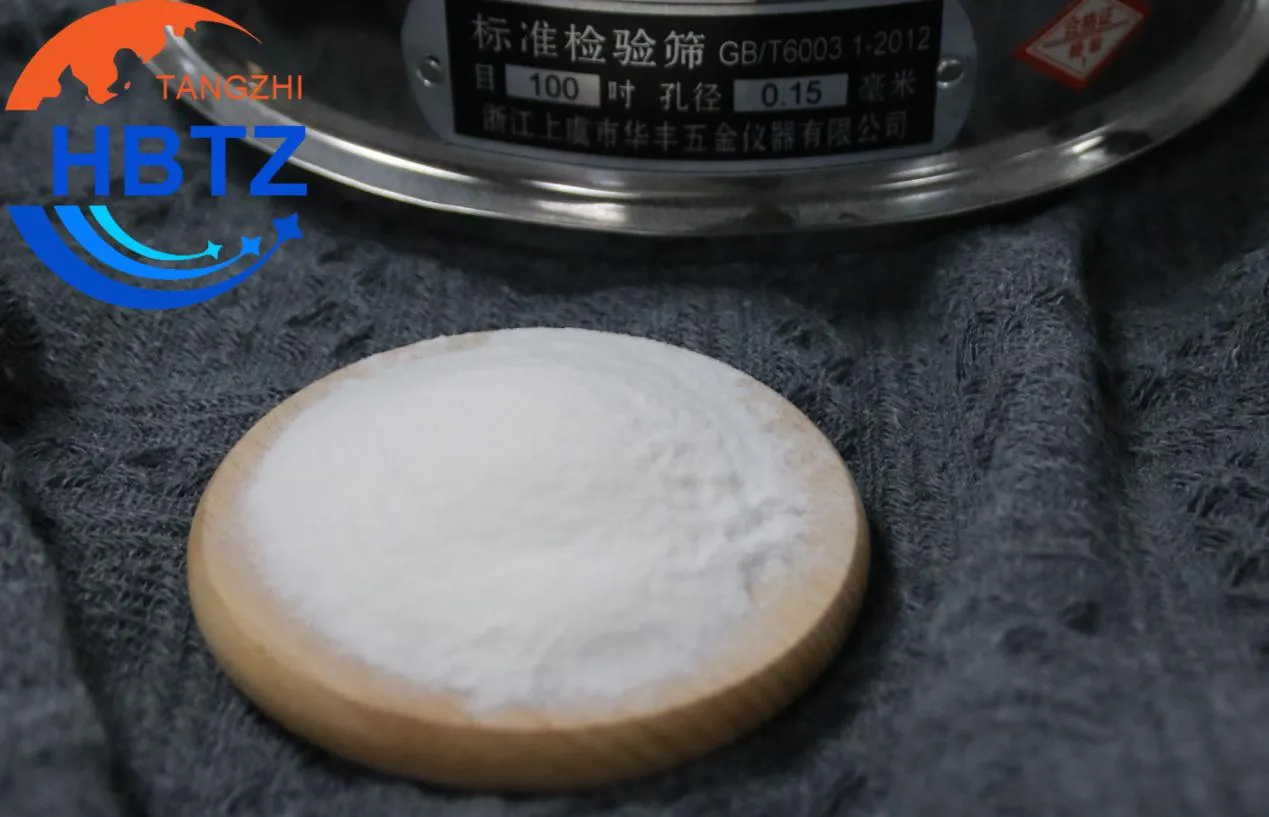
- MHEC powder: Supplied as a fine, white powder, it is easy to handle and dissolve in water for construction and industrial use.
- Chemical MHEC: Refers to standardized HEMC produced for consistent performance in applications like cementitious coatings, adhesives, and mortars.
- Hydroxymethyl ethyl cellulose: The generic chemical name that highlights its molecular structure and functional groups.
- MHEC cellulose: A term often used to describe the polymer in bulk supply or industrial-grade formulations.
Methyl hydroxyethyl cellulose MHEC is widely utilized in both construction and pharmaceutical formulations, where it functions as a water retention agent, rheology modifier, and binder. Its performance depends heavily on its molecular weight and substitution degree, which also influence viscosity and film-forming properties.
Comparison with Related Polymers
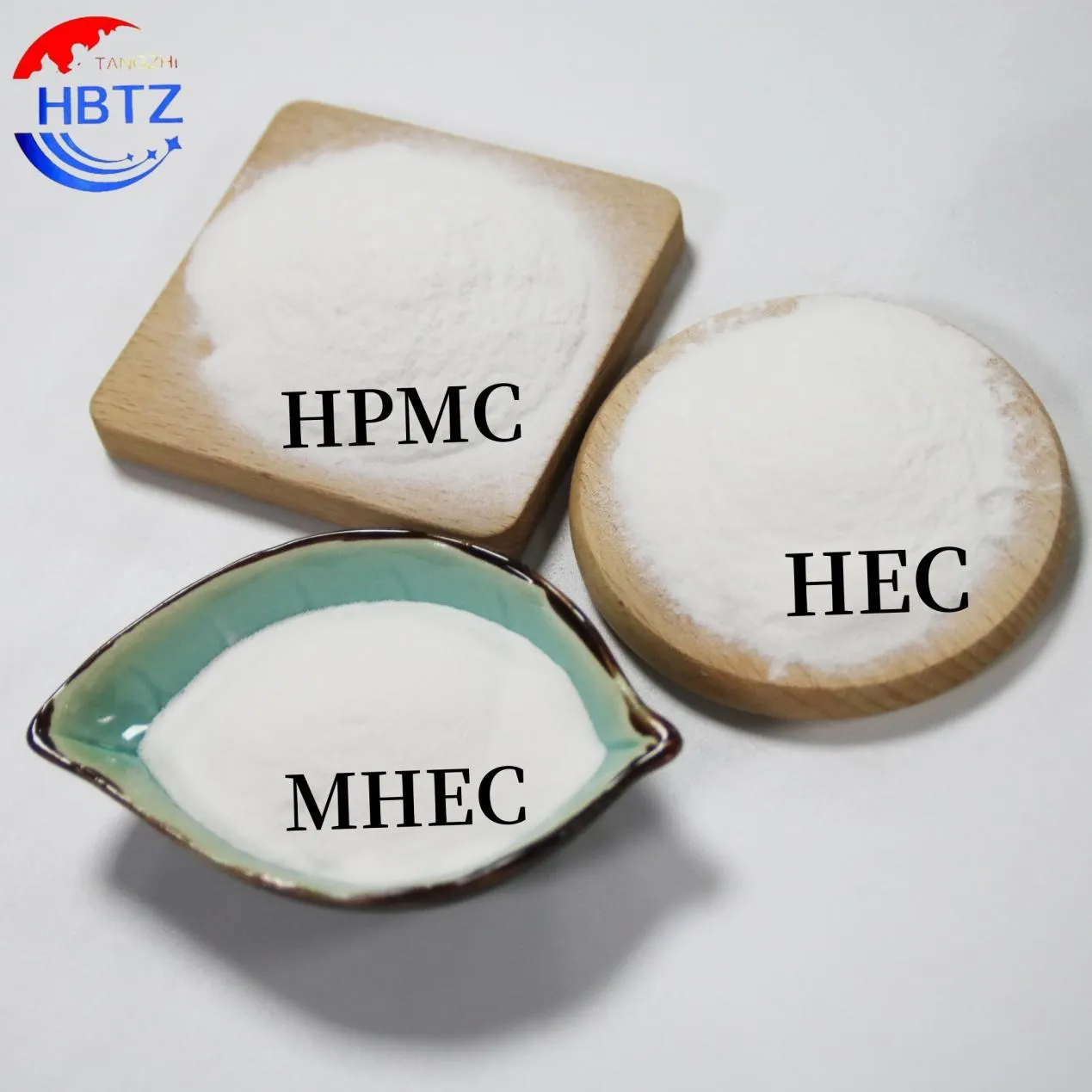
HEMC cellulose is often compared to other cellulose derivatives such as hydroxypropyl methylcellulose (HPMC). While HPMC has broader applications in pharmaceuticals and coatings, HEMC/MHEC is preferred in construction due to its superior water retention, workability enhancement, and stabilizing properties.
Applications and Industrial Uses of MHEC
The versatility of MHEC makes it essential in multiple industries. Understanding mhec powder uses and methyl hydroxyethyl cellulose uses helps businesses optimize material selection and application.
Construction and Building Materials
One of the largest applications of MHEC is in construction. The polymer is used as a hydroxyethyl methyl cellulose hemc additive in:
Tile adhesives
Mortars and renders
Cement-based coatings
Plasters
Its main functions in construction include:
Enhancing workability and spreadability
Improving water retention to prevent premature drying of cement
Increasing adhesion to various substrates
Reducing shrinkage and cracking in plaster and mortar
Different grades of HEMC allow manufacturers to select the appropriate MHEC powder for their specific requirements. For example, high-viscosity powders provide excellent water retention and film formation, while low-viscosity grades are suitable for sprayable coatings.

Industrial and Specialty Applications
Beyond construction, MHEC cellulose is used in:
Paints and coatings as a rheology modifier
Pharmaceutical formulations as a binder or stabilizer
Personal care products for thickening and stabilizing creams and gels
Methyl hydroxyethyl cellulose uses in the pharmaceutical industry include tablet binders and controlled-release coatings. In cosmetics, HEMC contributes to product stability and viscosity without affecting biocompatibility.
Pricing and Market Considerations
The cost of HEMC depends on several factors:
MHEC powder price: Varies based on grade, viscosity, and bulk purchasing volume.
Methyl hydroxyethyl cellulose price: Influenced by purity, molecular weight, and supplier.
MHEC price in bulk (mhec com) is often more competitive for industrial applications.
Manufacturers sourcing chemical MHEC or industrial-grade MHEC powder must consider both cost and performance specifications to ensure material efficiency and project success.
Practical Guidance for Using MHEC Powder
MHEC powder uses require proper handling and dissolution:
Dissolution: Gradually add MHEC powder to water while stirring to avoid clumps. Cold water is preferred for proper hydration.
Viscosity Control: Adjust powder concentration based on desired thickness and performance.
Compatibility: Ensure compatibility with other cementitious or industrial additives for optimal performance.
In addition to construction, hydroxymethyl ethyl cellulose can be used in personal care and pharmaceuticals, highlighting its multifunctional properties.
Hydroxyethyl methyl cellulose (HEMC cellulose or MHEC) is a highly versatile polymer with widespread applications in construction, pharmaceuticals, and specialty industries. Its forms—ranging from MHEC powder to methyl hydroxyethyl cellulose MHEC—offer excellent thickening, water retention, and binding properties.
Understanding mhec powder uses, methyl hydroxyethyl cellulose uses, and factors affecting mhec powder price or methyl hydroxyethyl cellulose price ensures optimal selection and application. Sourcing from reliable suppliers through mhec com channels guarantees consistent quality and performance.
Whether in tile adhesives, mortars, renders, or pharmaceutical formulations, MHEC remains an essential material for modern industrial and medical applications, providing durability, efficiency, and versatility.
FAQ: MHEC Powder, Uses, and Pricing
1. What is hydroxyethyl methyl cellulose HEMC used for?
Hydroxyethyl methyl cellulose HEMC is used in construction materials as a water retention agent, thickener, and binder, as well as in pharmaceuticals and personal care products.
2. How is MHEC powder applied in construction?
MHEC powder uses include tile adhesives, mortars, plasters, and cement-based coatings to improve workability, adhesion, and prevent shrinkage.
3. What factors affect MHEC price?
The MHEC price and methyl hydroxyethyl cellulose price depend on viscosity grade, molecular weight, purity, and supplier reliability, with bulk purchases through mhec com often reducing costs.
4. What is the difference between HEMC cellulose and methyl hydroxyethyl cellulose MHEC?
HEMC cellulose is the general derivative, while methyl hydroxyethyl cellulose MHEC refers to standardized commercial grades with consistent viscosity and performance properties.
5. How do I dissolve MHEC powder for industrial use?
To use MHEC powder, gradually add it to cold water while stirring to prevent clumps. Adjust concentration to achieve the desired viscosity for construction or industrial formulations.
-
Industrial Guide to Cellosize Hydroxyethyl Cellulose ApplicationsNewsApr.16,2026
-
Industrial Applications and Benefits of nanofibrillar celluloseNewsApr.09,2026
-
Comprehensive Guide to Hydroxypropyl Methylcellulose and Its Diverse ApplicationsNewsApr.07,2026
-
Exploring Cellulose Based Packaging A Sustainable Choice for BusinessesNewsApr.04,2026
-
Comprehensive Guide to MHEC Chemical Properties and Industrial ApplicationsNewsMar.31,2026
-
Exploring Cellulose Packaging for Food A Sustainable and Renewable SolutionNewsMar.28,2026