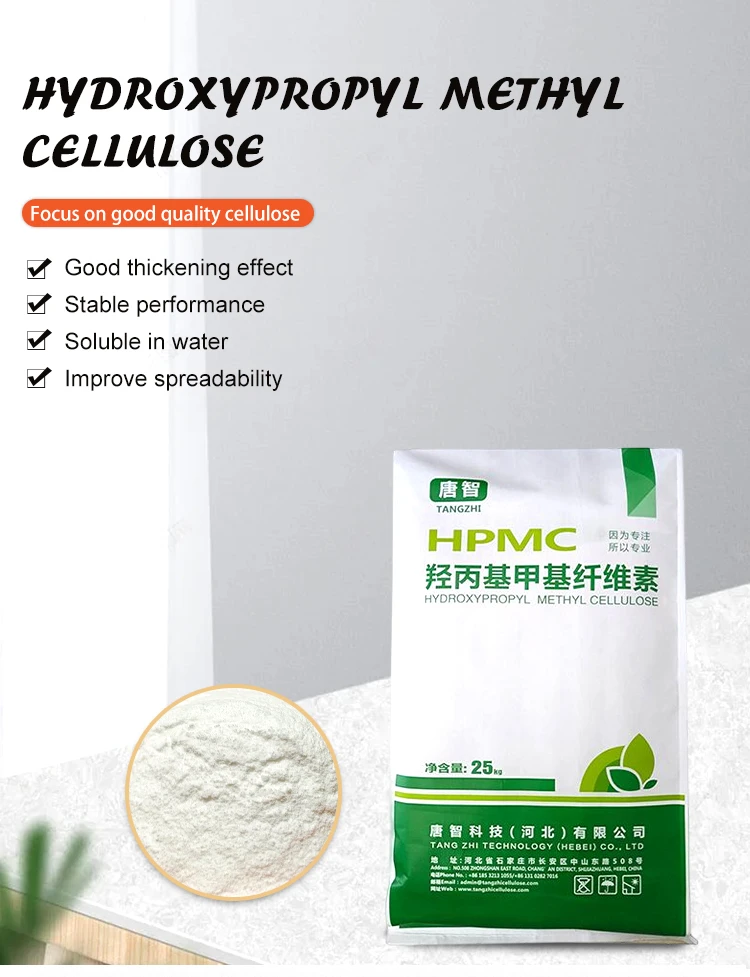
Hydroxyethyl Cellulose: Versatile Applications in Paint, Cosmetics, and Personal Care
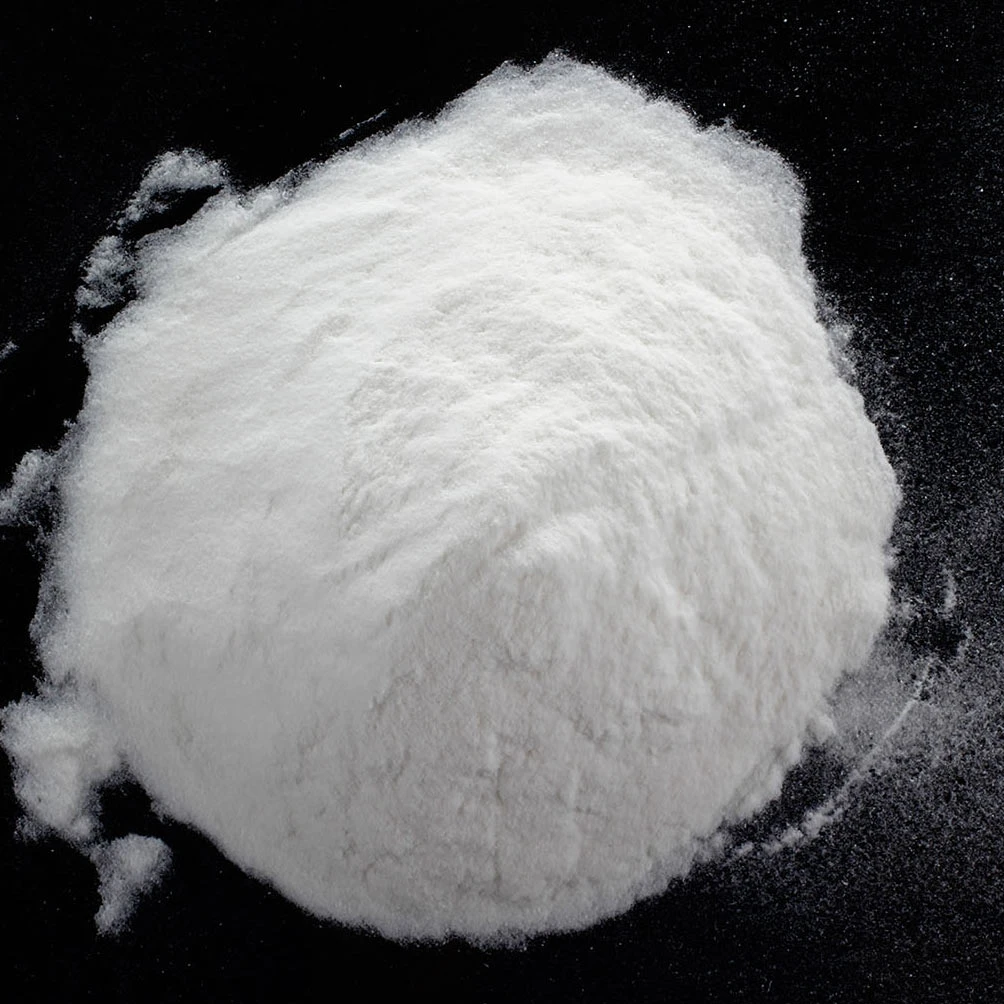
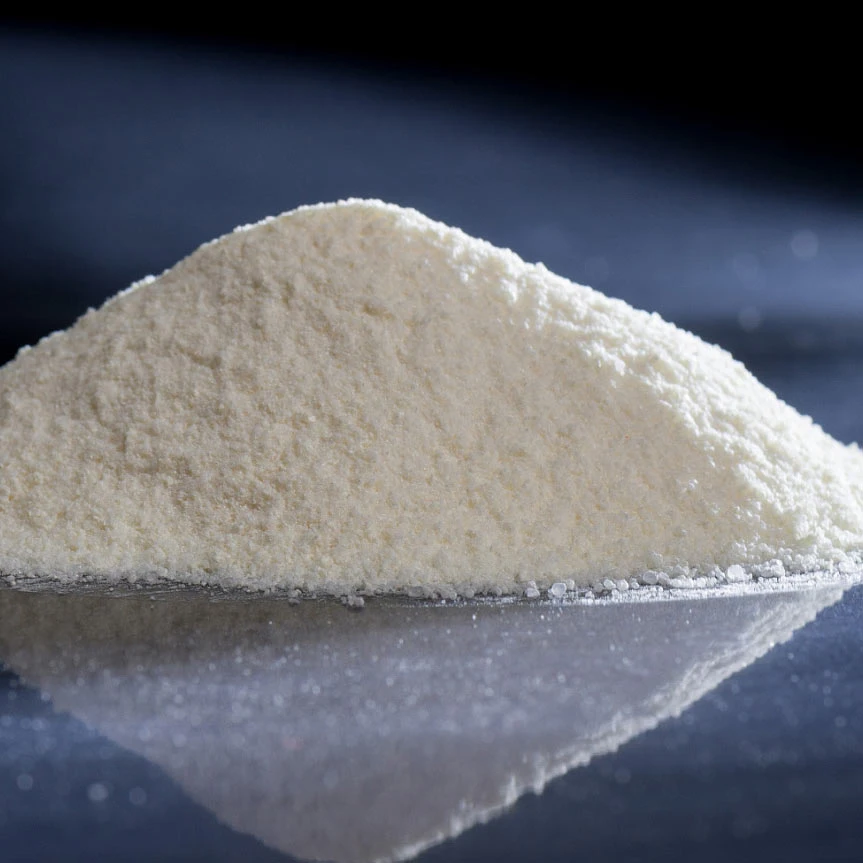
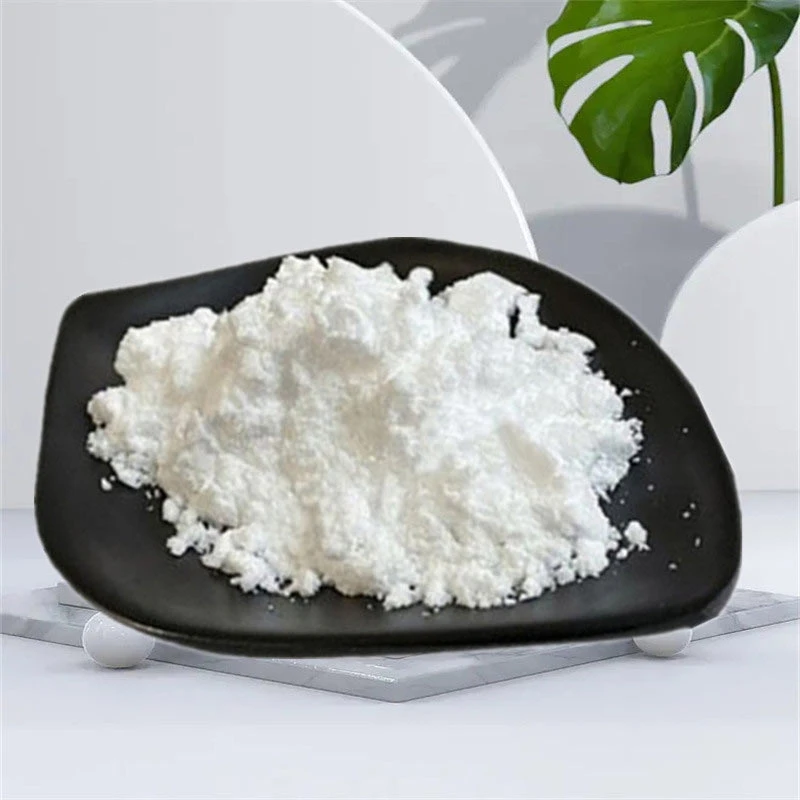
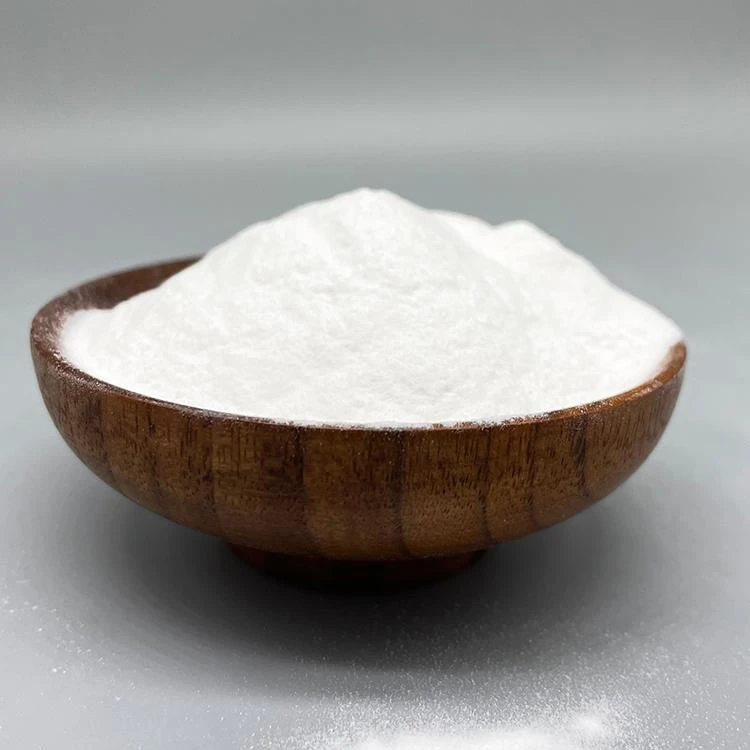
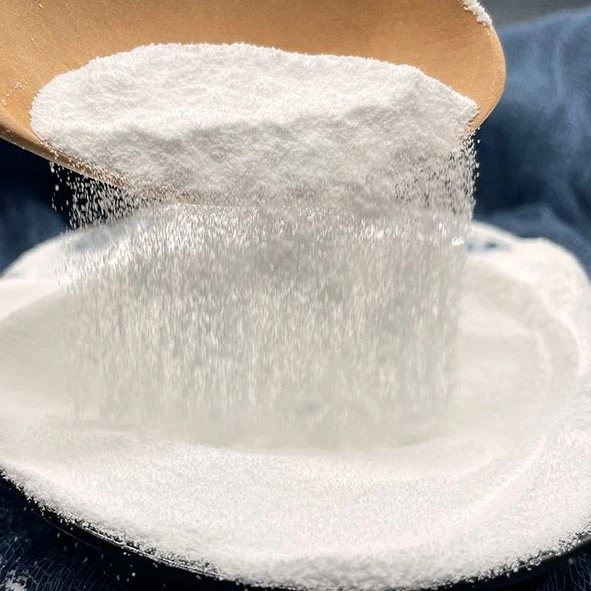
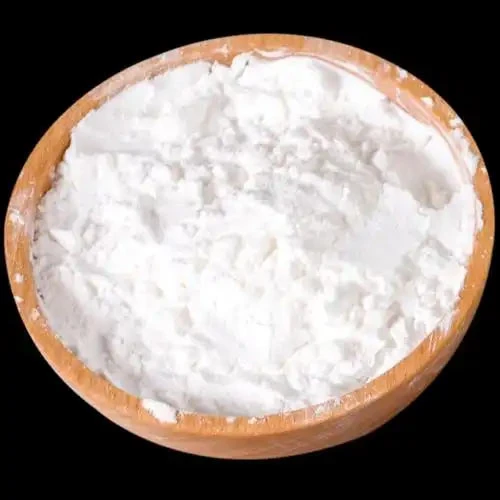
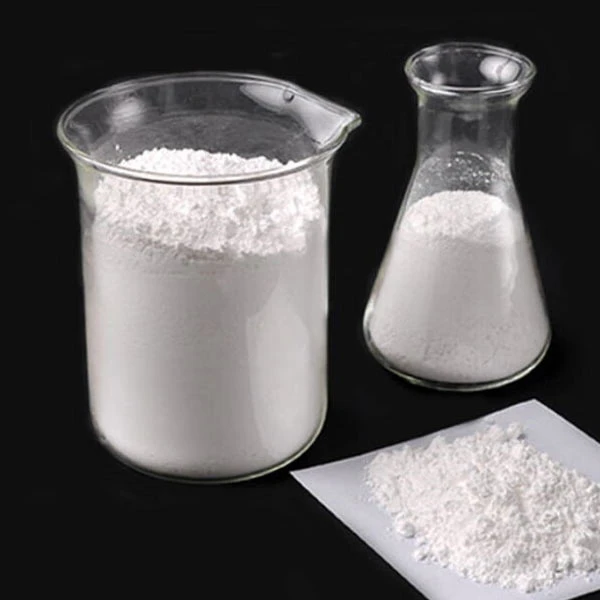
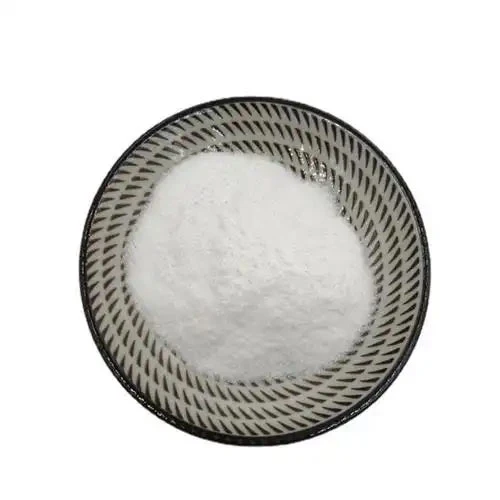
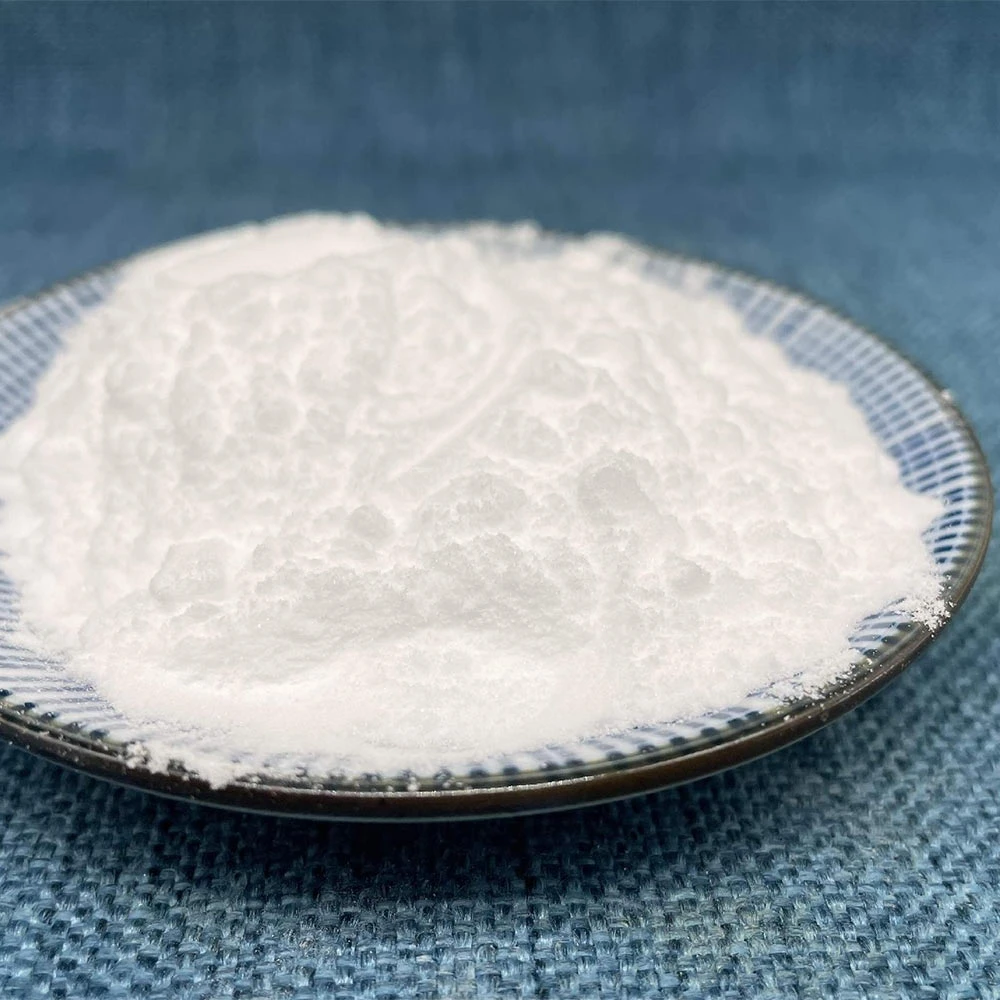
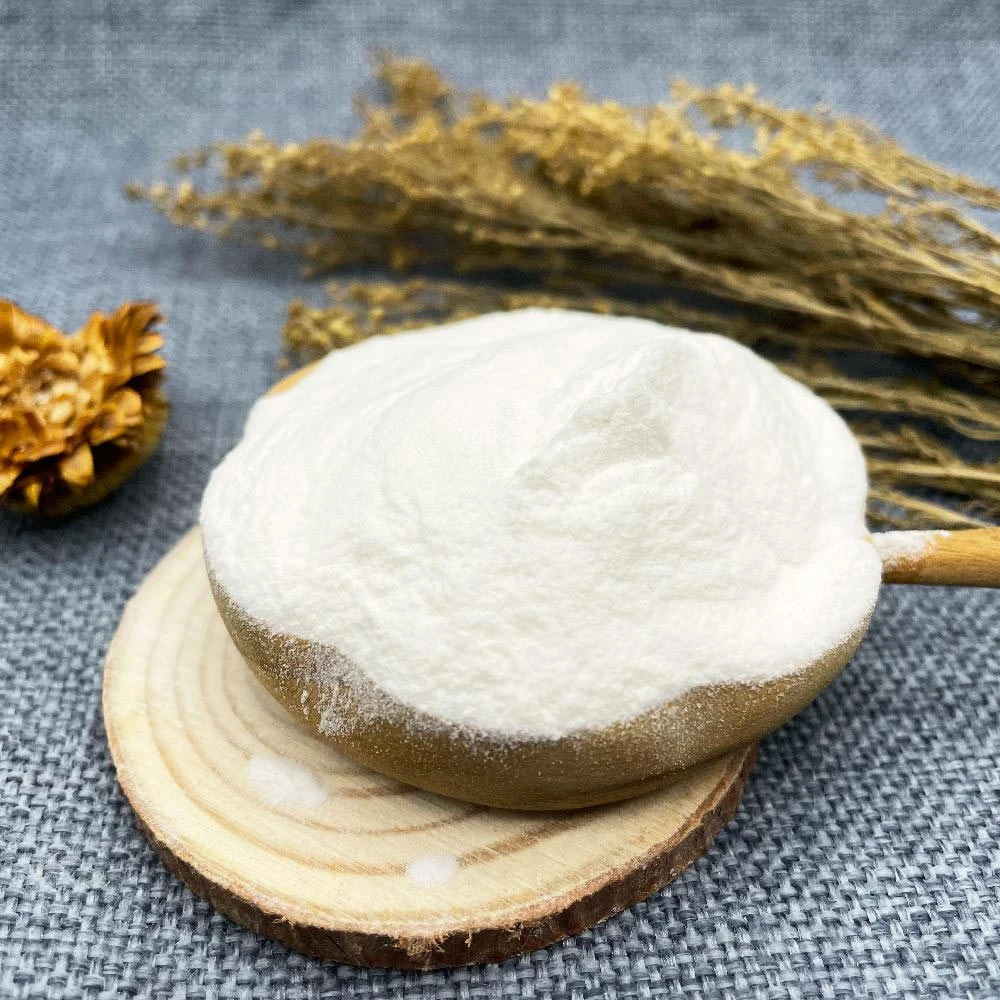
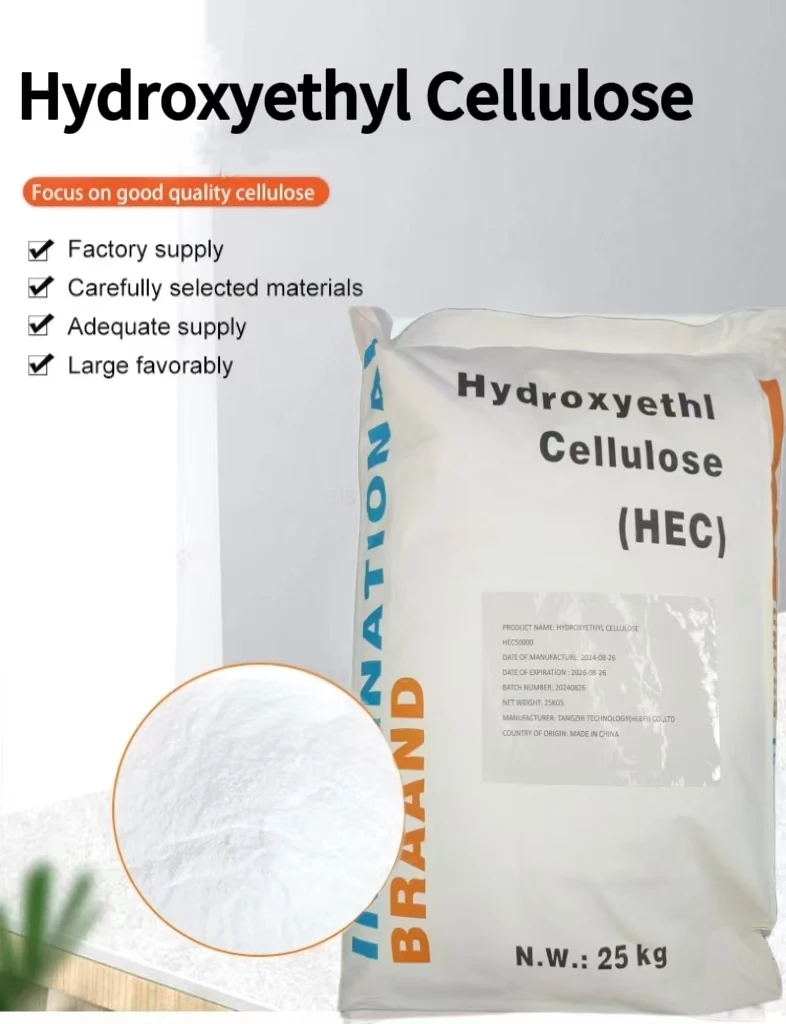
Hydroxyethyl cellulose (HEC) is a widely used cellulose derivative valued for its thickening, stabilizing, and film-forming properties. Available as hydroxyethylcellulose powder and hydroxyethylcellulose for sale through various suppliers, this natural polymer finds applications in construction, cosmetics, hair care, and skin care products. Its versatility is further expanded through specialty forms such as cationic hydroxyethyl cellulose and hydrophobically modified hydroxyethyl cellulose, which provide unique properties for different industrial and personal care applications.
This article explores hydroxyethyl cellulose uses in cosmetics, its role in hydroxyethyl cellulose in skin care and hydroxyethyl cellulose for hair, and industrial applications like hydroxyethyl cellulose for paint. We will also discuss the advantages of hydroxyethylcellulose based gel formulations and its use as a natural ingredient in personal care products.
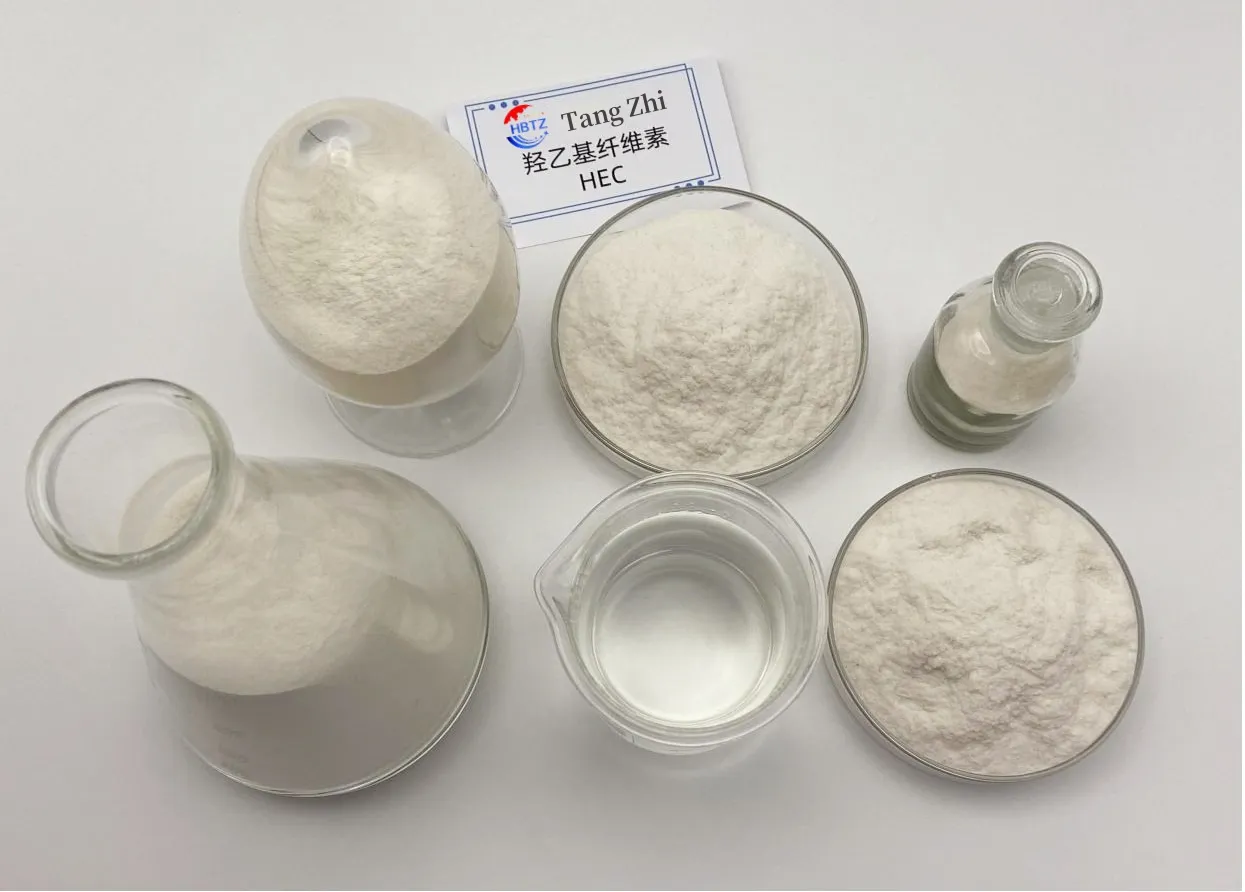
Industrial and Cosmetic Applications of Hydroxyethyl Cellulose
Hydroxyethyl cellulose is a water-soluble polymer derived from natural cellulose. Its chemical structure allows it to thicken water-based formulations, stabilize emulsions, and form films, making it indispensable in various industries.
Hydroxyethyl Cellulose in Paints and Coatings
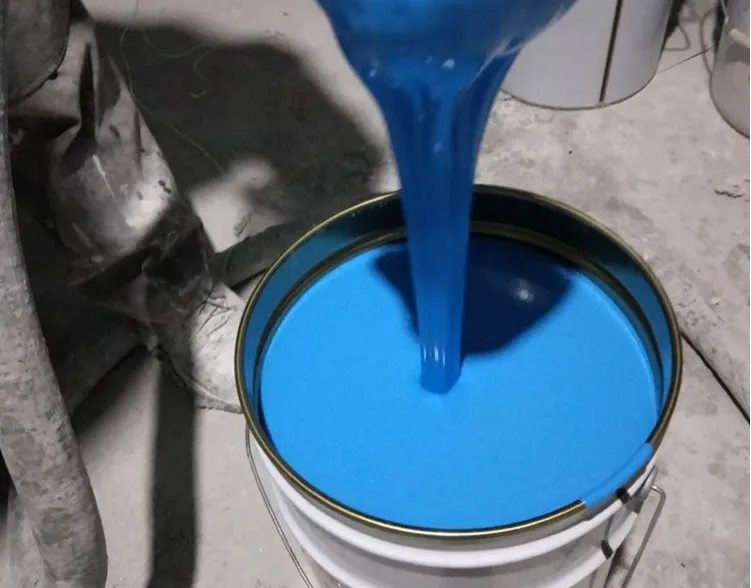
Hydroxyethyl cellulose for paint is widely used as a rheology modifier and stabilizer in water-based paints and coatings. Its properties improve the workability of the paint, prevent sagging, and enhance film formation. Specialty forms like hydrophobically modified hydroxyethyl cellulose provide additional resistance to water and improve performance in high-humidity environments.
Benefits of HEC in paint formulations include:
- Improved viscosity control for easy application
- Enhanced stability of pigment suspensions
- Prevention of dripping or sagging on vertical surfaces
- Compatibility with other paint additives
By adjusting the concentration and molecular weight of hydroxyethylcellulose powder, manufacturers can achieve desired paint textures and performance, making hydroxyethylcellulose for sale an essential raw material in coatings.
Hydroxyethyl Cellulose in Cosmetics and Personal Care
The cosmetic industry extensively uses hydroxyethyl cellulose in cosmetics due to its safe, biocompatible, and natural origin. Its functions range from thickening gels to stabilizing emulsions in creams, lotions, and serums.
Hydroxyethyl cellulose uses in cosmetics include:
Hydroxyethyl cellulose for hair: Acts as a conditioning agent and thickener in shampoos, hair gels, and styling products, improving texture and ease of application.
Hydroxyethyl cellulose in skin care: Enhances the consistency of lotions and creams, providing smooth, spreadable textures.
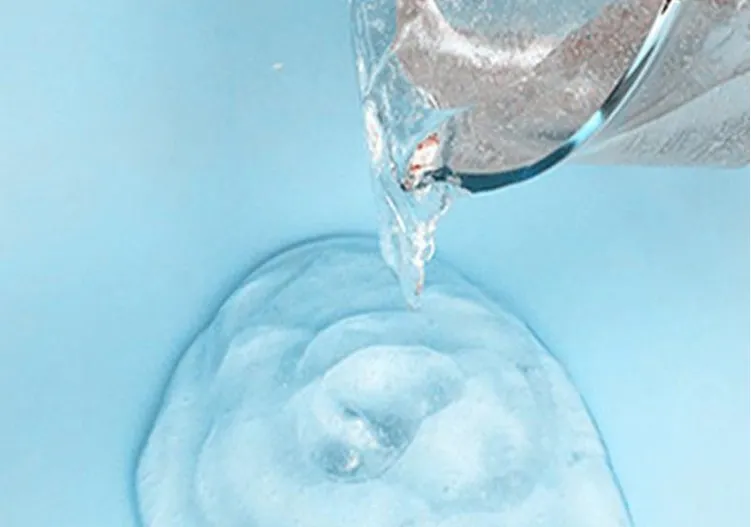
Hydroxyethylcellulose gel: Forms clear gels for products like facial masks, moisturizers, and body gels.
Cationic hydroxyethyl cellulose: Adds conditioning properties to hair care products due to its positive charge, improving hair feel and manageability.
Many natural and organic cosmetic brands prefer hydroxyethylcellulose natural as it is biodegradable, non-toxic, and compatible with sensitive skin. Its ability to form hydroxyethylcellulose based gel makes it an ideal ingredient for visually appealing and functional cosmetic products.
Hydroxyethylcellulose skin formulations provide moisturization, improve product texture, and stabilize active ingredients without leaving sticky residues. This versatility explains its popularity across both mass-market and professional skincare products.
Benefits and Practical Considerations
Hydroxyethylcellulose powder is available in different grades and molecular weights, allowing manufacturers to tailor the product for specific applications. The choice of grade affects viscosity, gel clarity, and stability in formulations.
Advantages of HEC in Various Applications
Consistency and texture: Provides smooth, spreadable formulations in cosmetics and paint.
Water retention: Retains moisture in creams and gels for enhanced skin hydration.
Film-forming properties: Creates protective films in coatings and hair care products.
Compatibility: Works well with surfactants, emulsifiers, and other additives.
Natural origin: Biodegradable and safe for personal care applications.
Hydroxyethylcellulose for sale is supplied by chemical and cosmetic ingredient manufacturers in bulk, making it cost-effective for industrial use. Additionally, specialty forms such as cationic hydroxyethyl cellulose and hydrophobically modified hydroxyethyl cellulose allow product developers to meet specific functional requirements for hair, skin, and coatings.
Tips for Using Hydroxyethyl Cellulose
Dissolve slowly in water with moderate stirring to prevent clumping.
Adjust concentration based on desired viscosity and gel strength.
Use higher molecular weight grades for thicker gels and low molecular weight grades for smoother, spreadable products.
For cosmetic applications, ensure proper pH compatibility with other ingredients to maintain stability.
With these considerations, hydroxyethyl cellulose for hair and hydroxyethyl cellulose in skin care can deliver premium product performance in personal care formulations.
Hydroxyethyl cellulose is a multifunctional polymer essential in modern industrial and cosmetic formulations. Its applications range from hydroxyethyl cellulose for paint to hydroxyethyl cellulose in cosmetics, hydroxyethyl cellulose for hair, and hydroxyethylcellulose based gel formulations. Specialty types, such as cationic hydroxyethyl cellulose and hydrophobically modified hydroxyethyl cellulose, expand its versatility and enable product developers to achieve targeted functionality.
Available as hydroxyethylcellulose powder or through suppliers offering hydroxyethylcellulose for sale, HEC is a reliable, natural, and safe ingredient that improves texture, stability, and performance across multiple industries. Its combination of film-forming, thickening, and stabilizing properties ensures that both industrial and personal care products benefit from superior functionality and consumer appeal.
FAQ: Hydroxyethyl Cellulose Applications and Uses
1. What are the main uses of hydroxyethyl cellulose in cosmetics?
Hydroxyethyl cellulose uses in cosmetics include thickening creams, forming gels, stabilizing emulsions, and enhancing skin and hair care products.
2. How is hydroxyethyl cellulose used in hair products?
Hydroxyethyl cellulose for hair acts as a thickener and conditioning agent, improving texture and manageability in shampoos, conditioners, and styling gels.
3. What is cationic hydroxyethyl cellulose used for?
Cationic hydroxyethyl cellulose provides extra conditioning properties in hair care products, giving improved softness, smoothness, and combability.
4. Can hydroxyethyl cellulose be used in paint formulations?
Yes, hydroxyethyl cellulose for paint improves viscosity, stability, and film formation in water-based coatings and prevents sagging or dripping on vertical surfaces.
5. What are hydroxyethylcellulose based gel formulations?
Hydroxyethylcellulose based gel refers to gels formed using HEC, used in skincare, cosmetics, and personal care products for smooth texture, water retention, and stabilization.
-
Industrial Guide to Cellosize Hydroxyethyl Cellulose ApplicationsNewsApr.16,2026
-
Industrial Applications and Benefits of nanofibrillar celluloseNewsApr.09,2026
-
Comprehensive Guide to Hydroxypropyl Methylcellulose and Its Diverse ApplicationsNewsApr.07,2026
-
Exploring Cellulose Based Packaging A Sustainable Choice for BusinessesNewsApr.04,2026
-
Comprehensive Guide to MHEC Chemical Properties and Industrial ApplicationsNewsMar.31,2026
-
Exploring Cellulose Packaging for Food A Sustainable and Renewable SolutionNewsMar.28,2026