HPMC in Medical and Industrial Applications: Properties, Uses, and Production
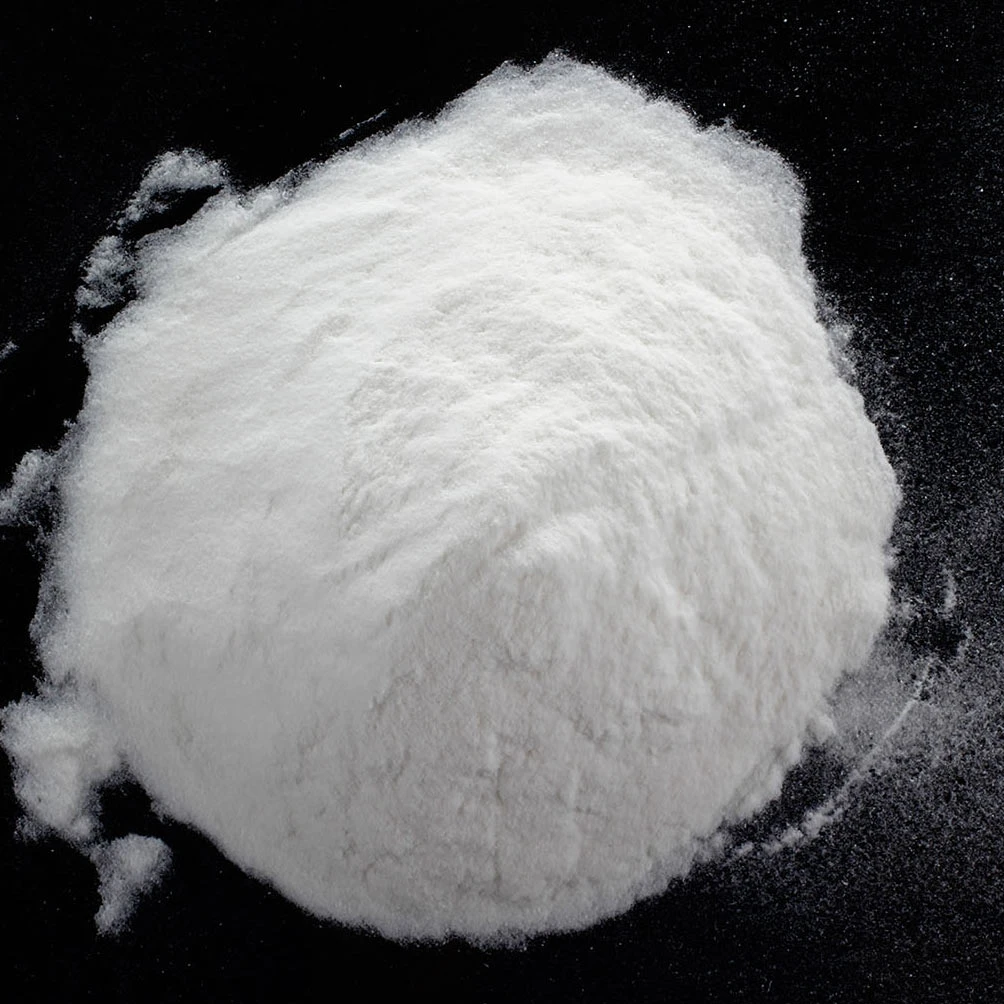
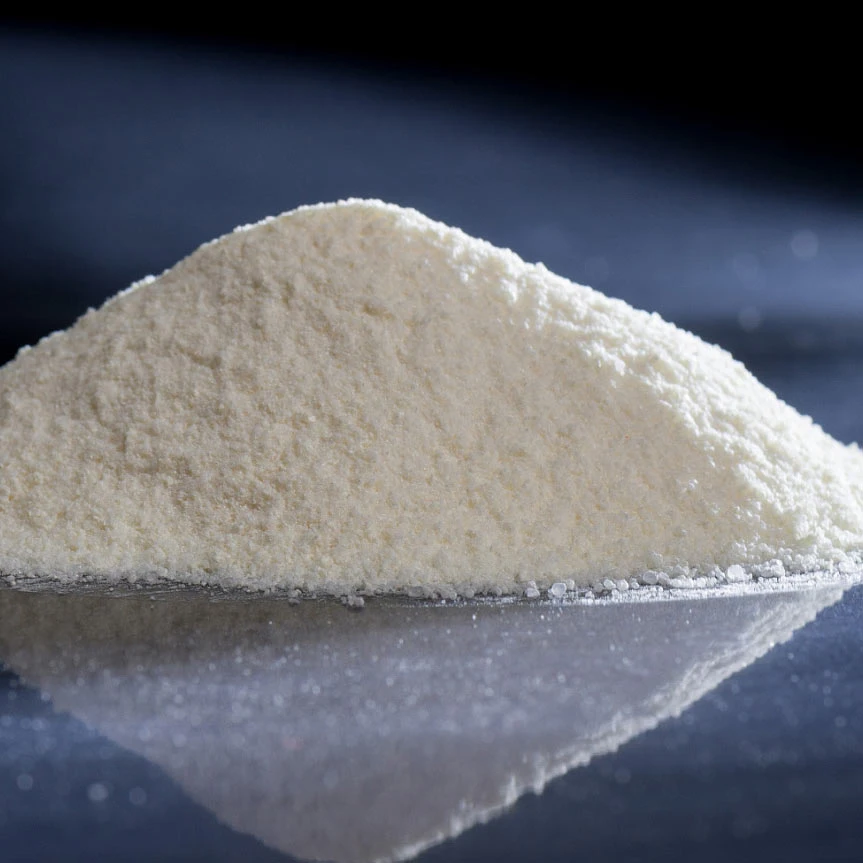
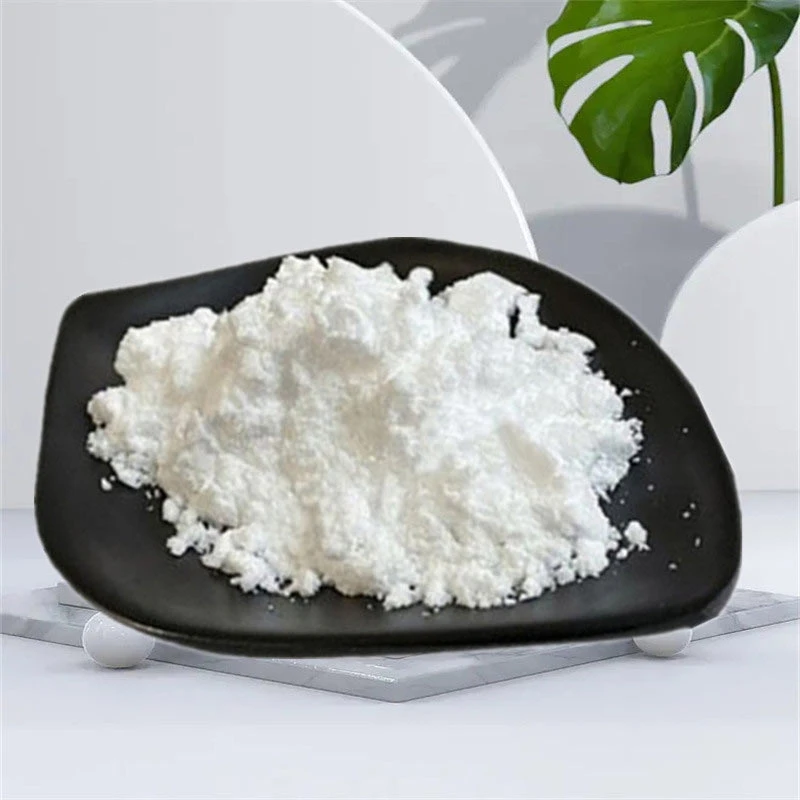
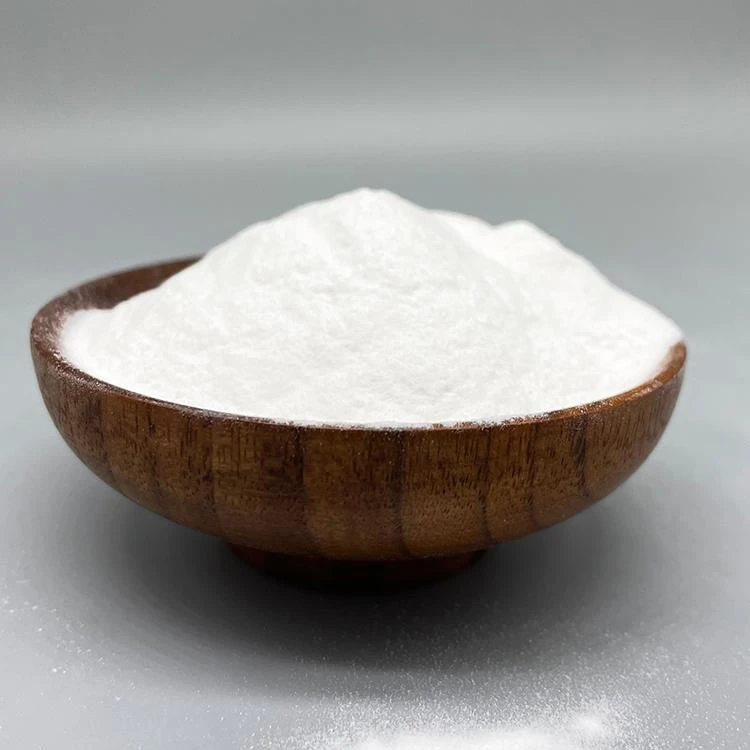
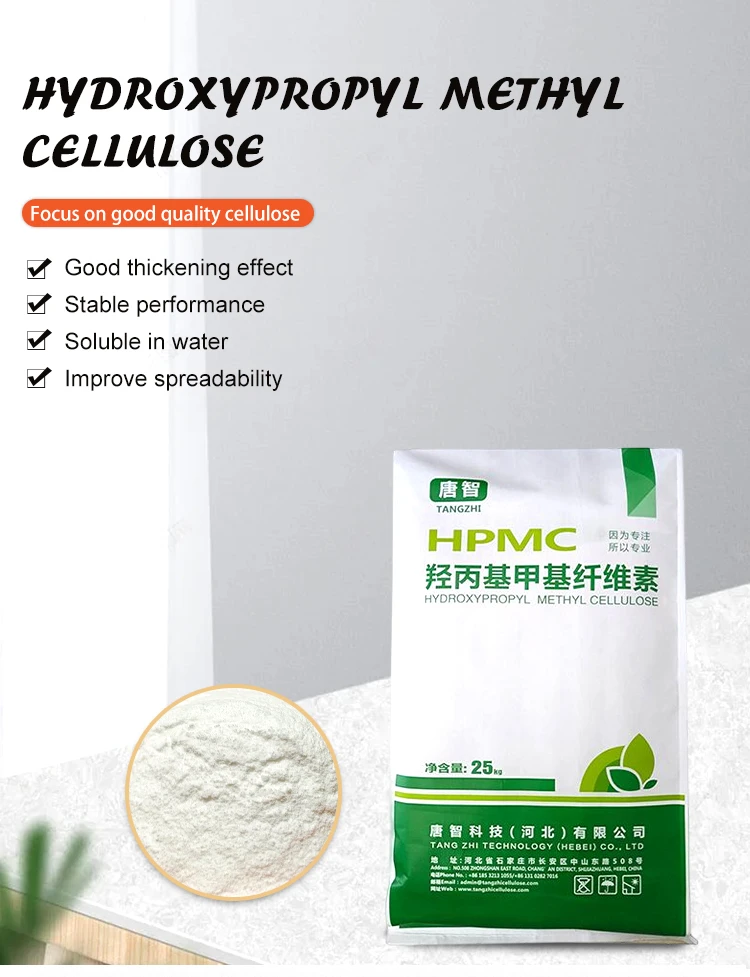
Hydroxypropyl methylcellulose (HPMC) is a versatile cellulose derivative widely used in pharmaceuticals, medical devices, and industrial applications. Its unique chemical properties—such as solubility, viscosity modification, and film-forming ability—make it an essential component in products ranging from hpmc lubricant eye drops to construction materials. Understanding the HPMC manufacturing process, molecular characteristics, and safety information is crucial for both industrial users and healthcare professionals.
This article will explore the applications of HPMC medical products, the role of hydroxypropyl methylcellulose thickener, the chemical and physical properties of HPMC such as HPMC molecular weight and HPMC melting point, and sourcing from a reliable HPMC-hydroxypropyl methyl cellulose factory.
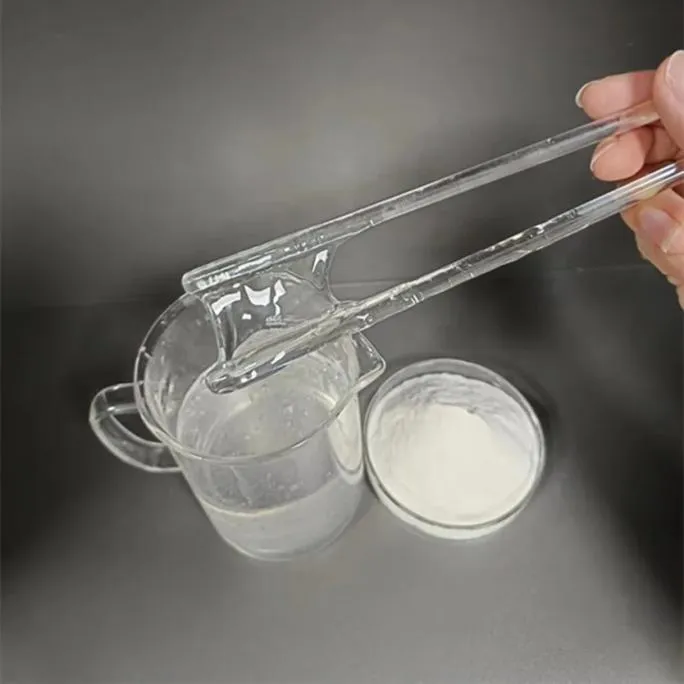
HPMC in Medical Applications
HPMC medical products have become increasingly common due to their non-toxic, biocompatible nature. One of the most familiar applications is hpmc lubricant eye drops, which are used to treat dry eyes and maintain ocular hydration. These drops leverage the viscoelastic properties of HPMC to provide long-lasting moisture and comfort without irritation.
Pharmaceutical and Clinical Uses
HPMC is widely used in the pharmaceutical industry for its multifunctional properties:
- Tablet and capsule excipient: HPMC acts as a binder, coating agent, and controlled-release polymer.
- Film-forming agent: Provides smooth, protective coatings for tablets.
- Viscosity modifier: Functions as a hydroxypropyl methylcellulose thickenerin liquid formulations.
- Medical devices and eye care: HPMC lubricant eye dropsprovide biocompatible, non-irritating hydration for patients with dry eyes or post-surgical care.
In hospital and clinical settings, HPMC can also be found in products distributed through HPMC medical centers, which provide specialized formulations for patient care. Its biocompatibility ensures it is safe for ophthalmic and oral applications.

Chemical and Physical Properties
Understanding HPMC’s properties is essential for its application:
- HPMC molecular weight: Determines the viscosity and thickening effect in formulations. High molecular weight HPMC produces more viscous solutions.
- HPMC melting point: Typically in the range of 200–220°C, depending on substitution and grade. Knowledge of melting point is critical in processing and storage.
- HPMC pH and HPMC phthalate: HPMC solutions have neutral to slightly basic pH, making them safe for medical use. Some modified grades, such as HPMC phthalate, are used for enteric coatings in tablets.
- HPMC polymer: The polymeric nature allows film formation, gelation, and binding, which are essential in both medical and industrial applications.
HPMC also comes with safety and regulatory documentation, such as HPMC MSDS and HPMC monograph, ensuring proper handling and compliance with pharmacopoeial standards.
Industrial Applications and Manufacturing Process
Beyond medical use, HPMC serves as a key ingredient in industrial and construction materials. Its chemical stability, film-forming ability, and thickening properties make it an essential additive.

HPMC in Industrial Formulations
Construction and coatings: Acts as a water retention agent, binder, and stabilizer in mortars, adhesives, and paints.
Food and personal care: Functions as a thickener and stabilizer in creams, lotions, and sauces.
Pharmaceutical excipients: Used as a controlled-release agent in tablets and capsules.
The role of HPMC as a hydroxypropyl methylcellulose thickener ensures uniform consistency, improves texture, and prevents separation in formulations.
HPMC Manufacturing Process
The HPMC manufacturing process begins with purified cellulose derived from plant sources. The process generally involves:
Alkalization: Cellulose is treated with an alkaline solution to activate hydroxyl groups.
Etherification: Methyl and hydroxypropyl groups are introduced to form HPMC methocel, a trade name commonly used in pharmaceutical applications.
Neutralization and drying: The modified cellulose is neutralized, washed, and dried to obtain the final polymer.
Milling and sieving: The product is ground and sieved to specific particle sizes, suitable for different applications.
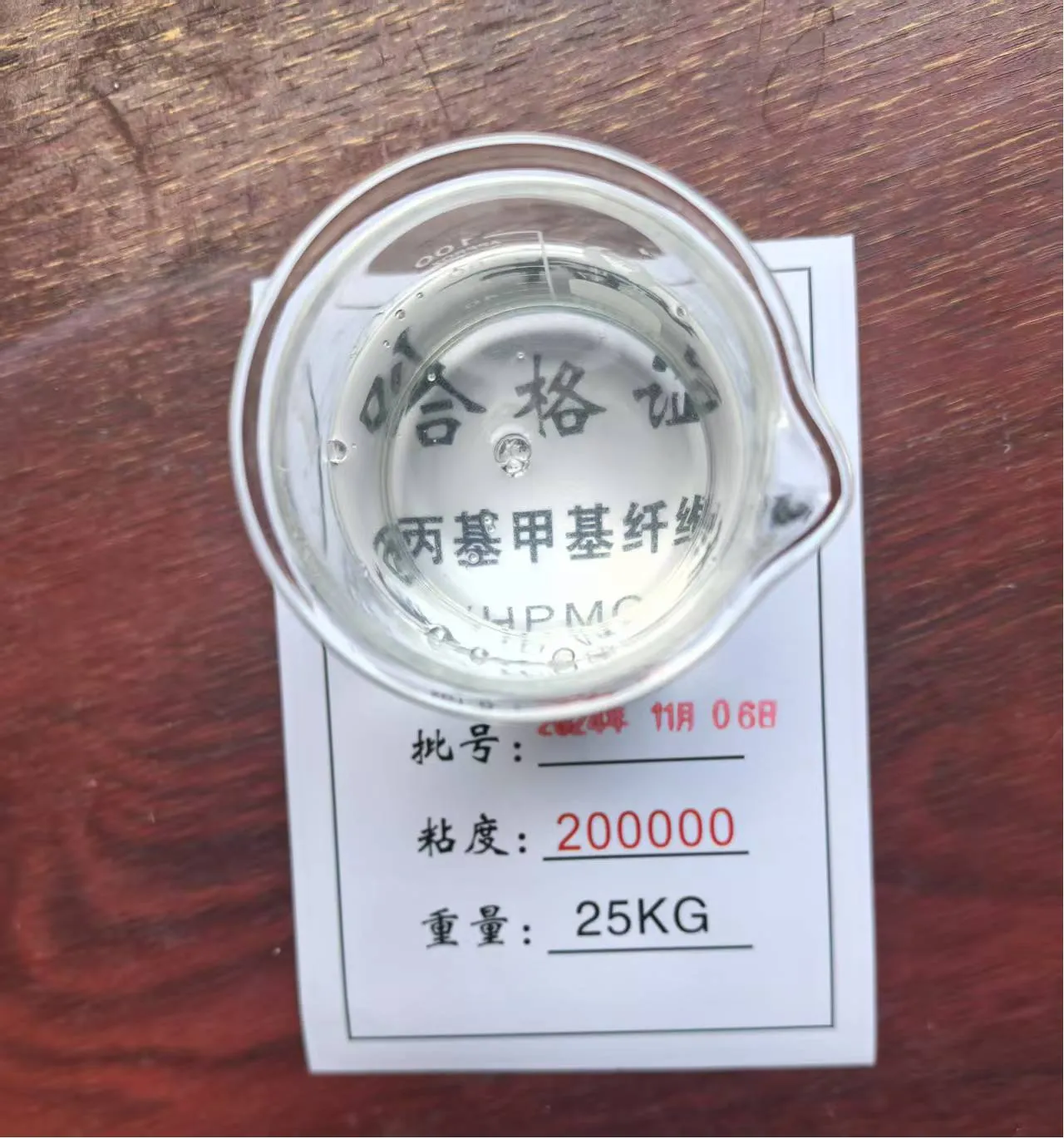
Reputable HPMC-hydroxypropyl methyl cellulose factories ensure high purity, consistent HPMC grades, and compliance with regulatory standards. Production parameters such as HPMC pH, molecular weight, and viscosity are strictly monitored to ensure quality.
Key Considerations in HPMC Use
When selecting and using HPMC for medical or industrial purposes, several factors should be considered:
Viscosity grade: Determines suitability for eye drops, tablets, or industrial thickeners.
Molecular weight: Impacts solubility, gel formation, and film strength.
Formulation stability: HPMC must be compatible with other ingredients to prevent precipitation or degradation.
Regulatory compliance: Check HPMC MSDS and monographs for safety and pharmacopoeial compliance.
Source reliability: Sourcing from a qualified HPMC-hydroxypropyl methyl cellulose factory ensures batch-to-batch consistency.
Proper handling and understanding of chemical properties, such as HPMC melting point, ensure safe and effective use in all applications.
Hydroxypropyl methylcellulose (HPMC) is a highly versatile polymer with applications spanning medical, pharmaceutical, and industrial industries. Its use in hpmc lubricant eye drops, as a binder in tablets, and as a hydroxypropyl methylcellulose thickener in industrial formulations highlights its adaptability and effectiveness.
Understanding the HPMC manufacturing process, molecular characteristics, and regulatory documentation is essential for maximizing performance and ensuring safety. Reliable sourcing from a HPMC-hydroxypropyl methyl cellulose factory guarantees product quality, consistency, and compliance.
Whether in medical care, pharmaceutical formulations, or industrial applications, HPMC continues to be a cornerstone material, offering functionality, safety, and versatility.
FAQ: HPMC Properties, Manufacturing, and Medical Applications
1. What are HPMC lubricant eye drops used for?
HPMC lubricant eye drops are used to treat dry eyes, provide ocular hydration, and support post-surgical eye care.
2. How is HPMC manufactured?
The HPMC manufacturing process involves alkalization of cellulose, etherification with methyl and hydroxypropyl groups, neutralization, drying, and milling.
3. What is the difference between HPMC methocel and other HPMC types?
HPMC methocel is a branded form of hydroxypropyl methylcellulose commonly used in pharmaceuticals, offering consistent viscosity and polymer properties.
4. How does HPMC molecular weight affect its use?
HPMC molecular weight determines viscosity, gel formation, and thickening properties. Higher molecular weight results in more viscous solutions suitable for thickeners and coatings.
5. Where can I source high-quality HPMC?
A reputable HPMC-hydroxypropyl methyl cellulose factory ensures high purity, consistent viscosity, proper documentation like HPMC MSDS, and regulatory compliance for medical and industrial applications.
-
Industrial Guide to Cellosize Hydroxyethyl Cellulose ApplicationsNewsApr.16,2026
-
Industrial Applications and Benefits of nanofibrillar celluloseNewsApr.09,2026
-
Comprehensive Guide to Hydroxypropyl Methylcellulose and Its Diverse ApplicationsNewsApr.07,2026
-
Exploring Cellulose Based Packaging A Sustainable Choice for BusinessesNewsApr.04,2026
-
Comprehensive Guide to MHEC Chemical Properties and Industrial ApplicationsNewsMar.31,2026
-
Exploring Cellulose Packaging for Food A Sustainable and Renewable SolutionNewsMar.28,2026