Cellulose and Its Derivatives: Applications, Types, and Market Insights
Cellulose is one of the most abundant natural polymers on Earth and plays a crucial role across industries ranging from pharmaceuticals to construction and packaging. In fact, cellulose is a type of organic compound that forms the structural component of plant cell walls, making it essential to both nature and industrial applications.
From raw cellulose fiber extracted from plants to advanced derivatives like microcrystalline cellulose and hydroxypropyl cellulose, this versatile material has evolved into a cornerstone of modern manufacturing. In this article, we will explore the different types of cellulose, their applications, and key market considerations such as hydroxypropyl cellulose price.
Understanding Cellulose and Its Key Derivatives
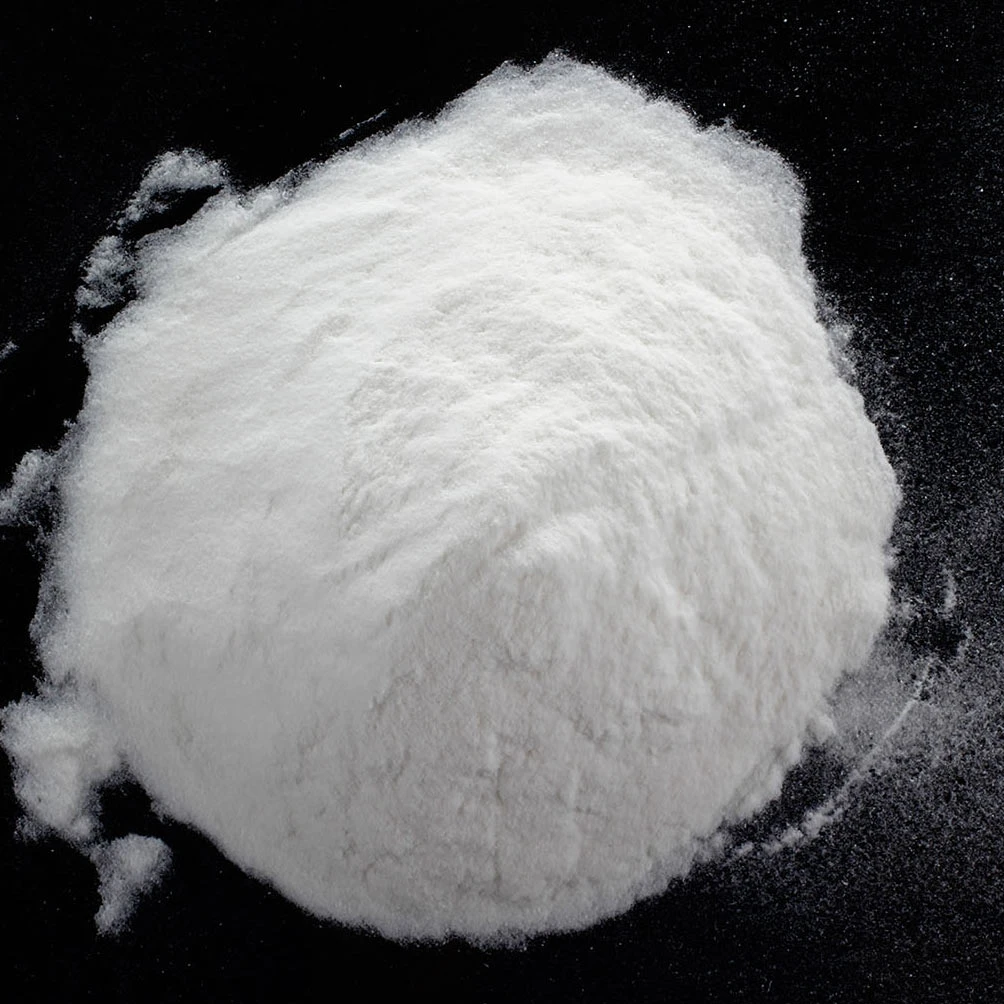
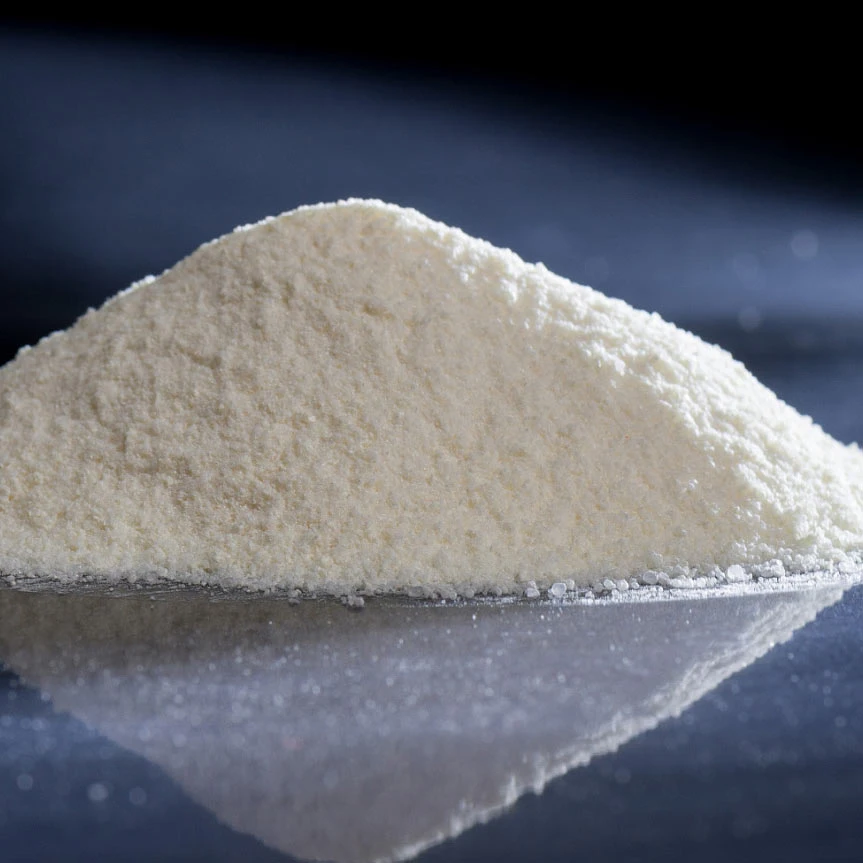
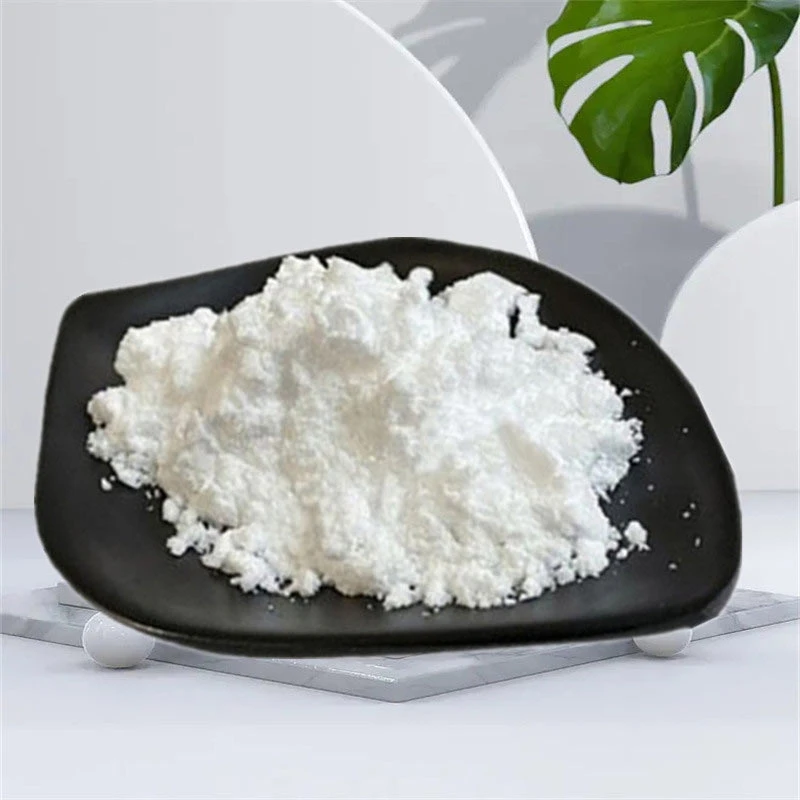
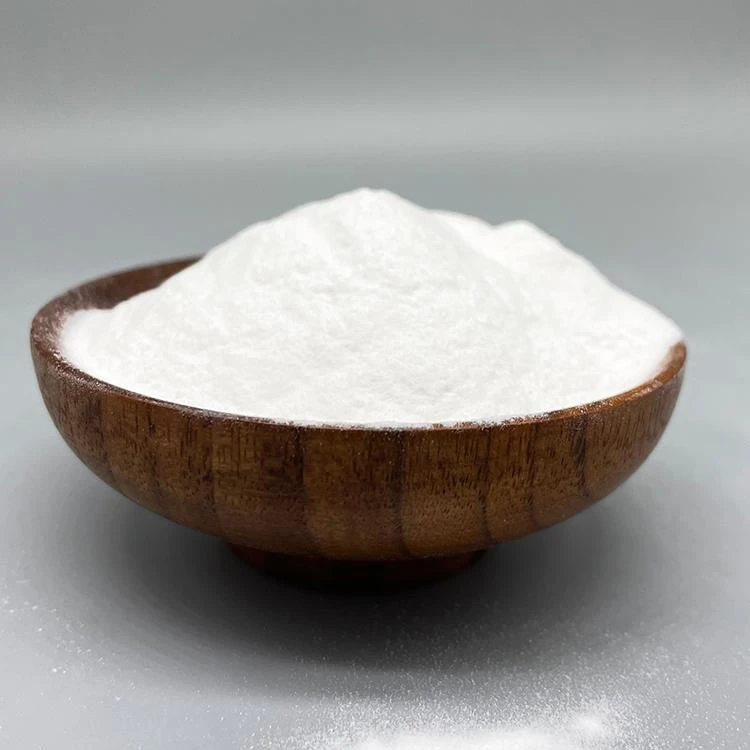
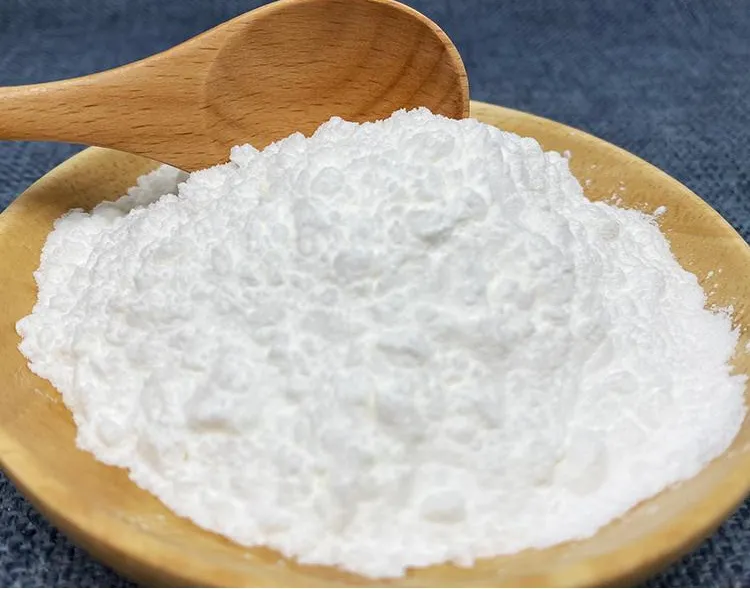
At its core, cellulose is a polysaccharide composed of glucose units, widely found in a cellulose fiber plant (https://www.hpmcpowder.com/products/cellulose)such as wood, cotton, and other plant-based materials. Due to its natural origin, biodegradability, and adaptability, cellulose is processed into various derivatives to meet specific industrial needs.
Common Types of Cellulose Derivatives
Several modified forms of cellulose have been developed to enhance its functionality:
- Microcrystalline cellulose: Widely used in pharmaceuticals as a binder and filler in tablets due to its excellent compressibility.
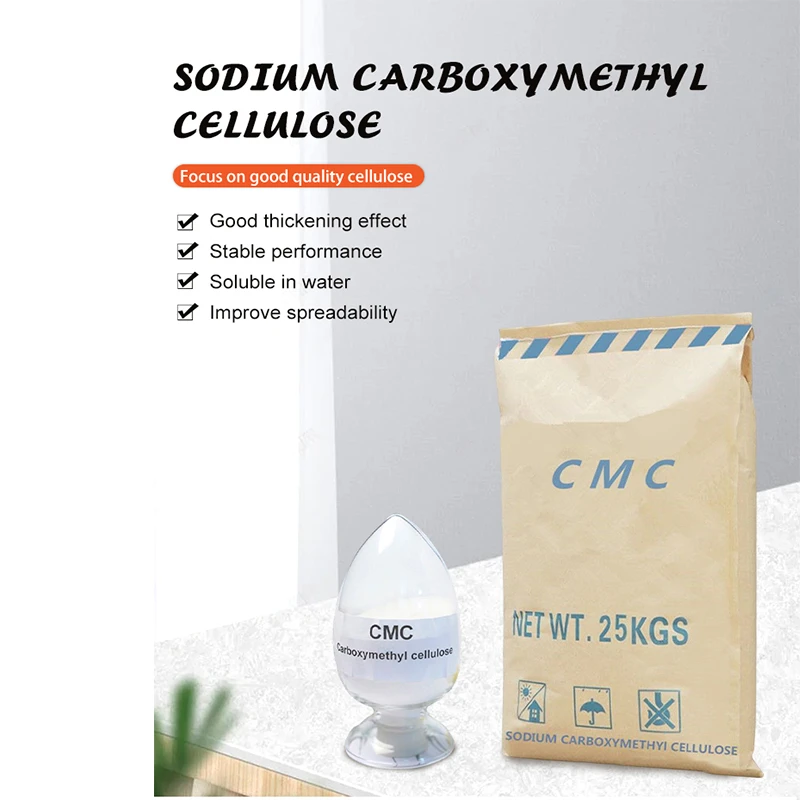
- Carboxymethyl celluloseand sodium carboxymethyl cellulose: Water-soluble derivatives used as thickening agents in food, cosmetics, and oil drilling.
- Methyl cellulose: Known for its thermal gelation properties, commonly used in food and construction.
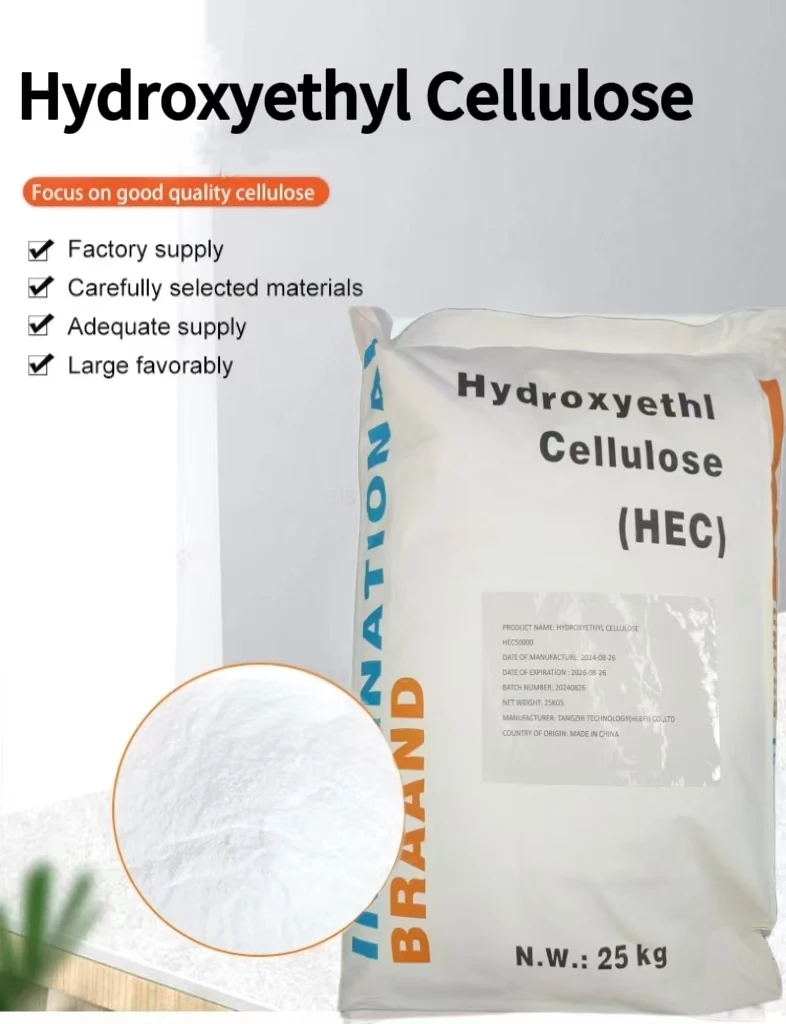
- Hydroxyethyl cellulose: Used in paints, coatings, and personal care products for its thickening and stabilizing properties.
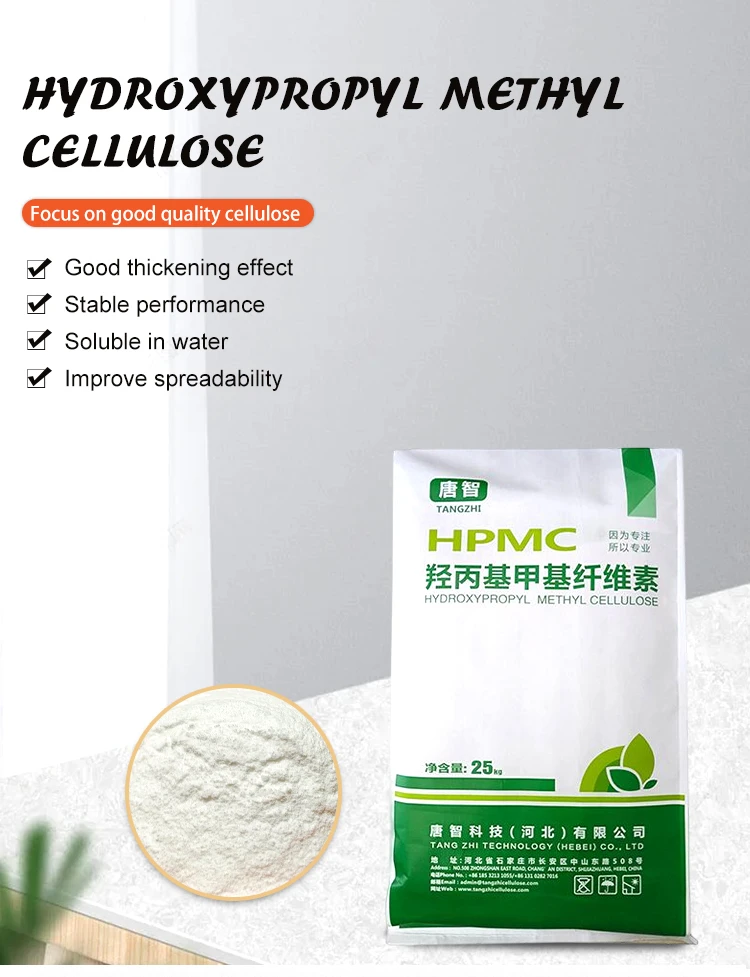
- Hydroxypropyl cellulose: A versatile compound used in pharmaceuticals, coatings, and adhesives.
- Ethyl cellulose: A hydrophobic derivative used in coatings and controlled drug release systems.
- Polyanionic cellulose: Commonly used in oilfield drilling fluids to control viscosity and filtration.
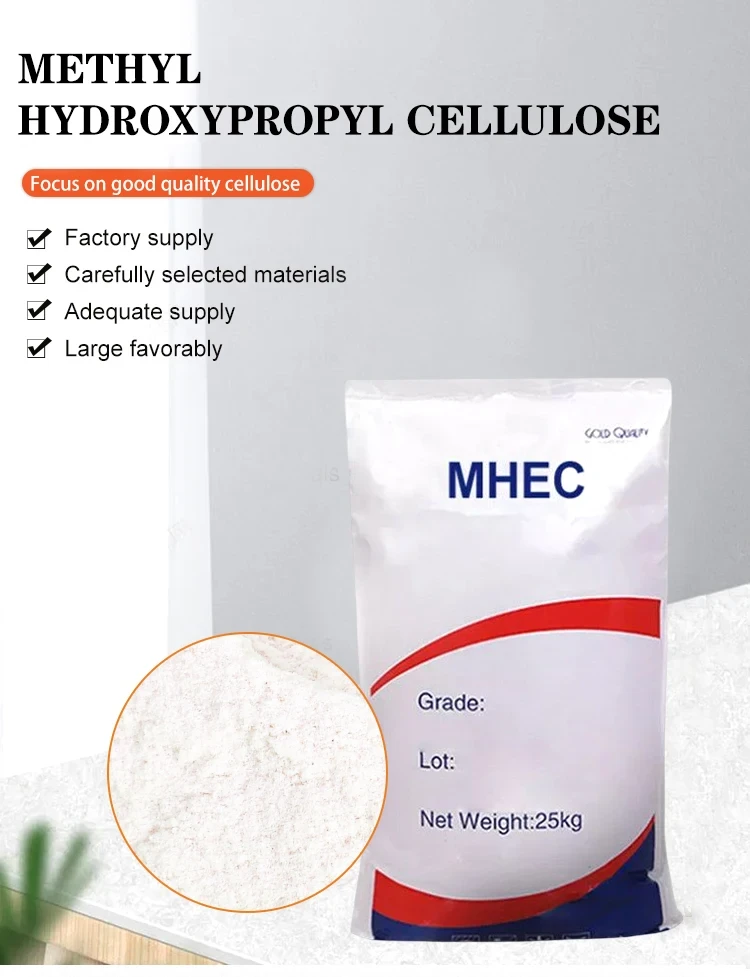
- Methyl hydroxyethyl cellulose: A hybrid derivative widely used in construction materials such as tile adhesives and mortars.
These derivatives expand the usability of cellulose, making it adaptable to a wide range of industries.
Advanced Cellulose Materials
In addition to traditional derivatives, newer forms of cellulose are gaining attention:
- Microfibrillated cellulose: A nano-structured material known for its high strength and lightweight properties, used in advanced composites and packaging.
- Cellulose acetate: Commonly used in textiles, films, and cigarette filters due to its flexibility and transparency.
These innovations demonstrate how cellulose continues to evolve as a high-performance material.

Applications of Cellulose Across Industries
The versatility of cellulose and its derivatives allows it to be used in numerous industries, each benefiting from its unique properties.
Industrial and Construction Applications
In construction, cellulose derivatives like methyl cellulose and methyl hydroxyethyl cellulose are widely used as additives in cement, plaster, and adhesives. They improve water retention, workability, and bonding strength.
Another important product is cellulose sanding sealer, which is used in woodworking to create a smooth surface before finishing. It enhances the appearance and durability of wooden products.
In the oil and gas industry, polyanionic cellulose and sodium carboxymethyl cellulose are essential for drilling operations, helping to control fluid viscosity and stabilize boreholes.
Packaging and Environmental Applications
With growing environmental concerns, cellulose packaging has become a sustainable alternative to plastic. Derived from renewable resources, it is biodegradable and environmentally friendly.
Products like cellulose tape are also widely used in packaging due to their strength and eco-friendly properties. These materials are increasingly favored by companies seeking to reduce their environmental footprint.
Pharmaceutical and Food Industries
Cellulose derivatives play a significant role in pharmaceuticals:
Microcrystalline cellulose is used as a tablet binder.
Hydroxypropyl cellulose is used in drug coatings and controlled release systems.
In the food industry, carboxymethyl cellulose acts as a thickener and stabilizer, improving texture and shelf life.
Textile and Fiber Applications
Natural cellulose fiber is a key component in textiles such as cotton and rayon. Additionally, processed forms like cellulose acetate are used to produce fabrics with enhanced durability and appearance.
The role of cellulose fiber plant sources is crucial in ensuring a steady supply of raw materials for these industries.
Market Trends and Pricing Considerations
The demand for cellulose derivatives continues to grow due to their sustainability and versatility. One key factor influencing purchasing decisions is the hydroxypropyl cellulose price, which can vary based on:
Raw material costs
Production technology
Market demand
Purity and grade
As industries shift toward eco-friendly materials, the market for cellulose-based products is expected to expand further. Innovations like microfibrillated cellulose and biodegradable packaging are driving this growth.
Cellulose is a remarkable material with a wide range of applications across industries. From its natural origins in a cellulose fiber plant to advanced derivatives like hydroxyethyl cellulose, ethyl cellulose, and microfibrillated cellulose, its versatility is unmatched.
Understanding the different types of cellulose, their uses, and market factors such as hydroxypropyl cellulose price allows businesses and consumers to make informed decisions. Whether in construction, pharmaceuticals, packaging, or textiles, cellulose continues to play a vital role in modern industry while supporting sustainability and innovation.
FAQ: Cellulose Types, Hydroxypropyl Cellulose Price, and Applications )
1. What does it mean that cellulose is a type of natural polymer?
Cellulose is a type of natural polymer composed of glucose units, forming the structural framework of plant cell walls.
2. What is the difference between microcrystalline cellulose and carboxymethyl cellulose?
Microcrystalline cellulose is mainly used as a pharmaceutical excipient, while carboxymethyl cellulose is used as a thickener in food and industrial applications.
3. What affects hydroxypropyl cellulose price?
The hydroxypropyl cellulose price depends on raw materials, production quality, and market demand.
4. How is cellulose packaging beneficial for the environment?
Cellulose packaging is biodegradable, renewable, and reduces reliance on plastic, making it an eco-friendly solution.
5. What are the main uses of sodium carboxymethyl cellulose?
Sodium carboxymethyl cellulose is used in food, cosmetics, and oil drilling as a thickener, stabilizer, and viscosity modifier.
-
Industrial Guide to Cellosize Hydroxyethyl Cellulose ApplicationsNewsApr.16,2026
-
Industrial Applications and Benefits of nanofibrillar celluloseNewsApr.09,2026
-
Comprehensive Guide to Hydroxypropyl Methylcellulose and Its Diverse ApplicationsNewsApr.07,2026
-
Exploring Cellulose Based Packaging A Sustainable Choice for BusinessesNewsApr.04,2026
-
Comprehensive Guide to MHEC Chemical Properties and Industrial ApplicationsNewsMar.31,2026
-
Exploring Cellulose Packaging for Food A Sustainable and Renewable SolutionNewsMar.28,2026