Comprehensive Guide to Methyl Ethyl Hydroxyethyl Cellulose Properties and Applications
Understanding Methyl Ethyl Hydroxyethyl Cellulose: Properties and Applications
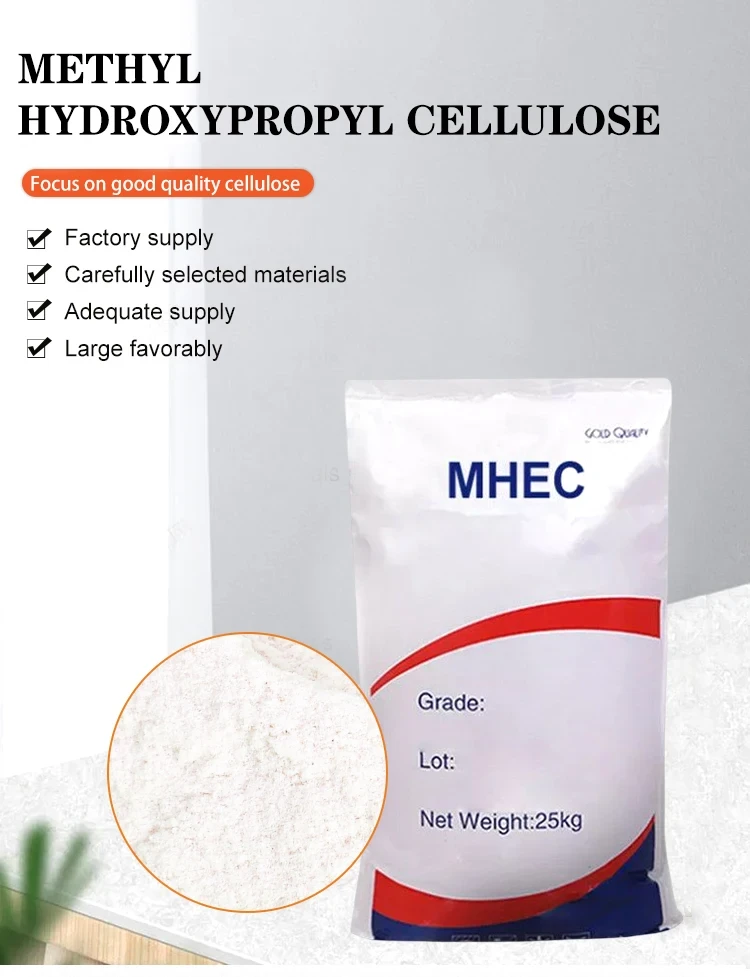
Methyl ethyl hydroxyethyl cellulose (MEHEC) is a versatile, non-ionic cellulose ether widely used across numerous industries. Its unique combination of properties – including thickening, binding, film-forming, and water retention – makes it invaluable in applications ranging from construction materials to pharmaceuticals. This article will delve into the characteristics, benefits, and diverse uses of MEHEC, providing a comprehensive overview for professionals and those seeking a better understanding of this important chemical compound. Choosing the right cellulose ether is critical for optimizing product performance and achieving desired results.

The Chemical Composition and Key Properties of MEHEC
MEHEC is derived from cellulose, a natural polymer found in plant cell walls. Through chemical modification – specifically, the addition of methyl, ethyl, and hydroxyethyl groups – cellulose is transformed into a water-soluble polymer. The degree of substitution of these groups dictates the polymer's properties, such as viscosity, water solubility, and gelation temperature. Key properties of MEHEC include excellent thickening ability, even at low concentrations; good compatibility with other polymers and additives; and strong water retention capabilities. These characteristics make it an ideal ingredient for formulations requiring stable emulsions, consistent viscosity, and prolonged workability. MEHEC's versatility stems from its ability to be tailored to specific application needs through adjustments in its molecular weight and substitution levels.
Key Highlights: Excellent thickening ability, good compatibility with other polymers, strong water retention, and customizable properties.
Applications of Methyl Ethyl Hydroxyethyl Cellulose in Construction
The construction industry is a major consumer of MEHEC, leveraging its properties to enhance the performance of various building materials. In cement-based mortars and plasters, MEHEC improves workability, water retention, and adhesion, reducing cracking and ensuring consistent setting times. It also acts as a thickener in tile adhesives, preventing sagging and improving bonding strength. Furthermore, MEHEC is used in self-leveling compounds to control viscosity and flow, resulting in smooth, even surfaces. Its ability to retain water prevents premature drying, ensuring proper hydration and strength development. Using MEHEC in construction not only improves the quality of the finished product but also enhances the efficiency of application.
Construction Benefits:
• Improves workability of mortars and plasters
• Enhances water retention and adhesion
• Prevents cracking and sagging
• Controls viscosity in self-leveling compounds
Methyl Ethyl Hydroxyethyl Cellulose in Pharmaceutical and Cosmetic Formulations
Beyond construction, MEHEC finds extensive use in the pharmaceutical and cosmetic industries. In pharmaceutical applications, it serves as a binder, disintegrant, and film-coating agent in tablet formulations, ensuring consistent drug release. It's also utilized in topical creams and lotions as a thickener and stabilizer, providing a smooth, elegant texture. In cosmetics, MEHEC is incorporated into shampoos, conditioners, and skincare products to enhance viscosity, improve foam stability, and provide a pleasant sensory experience. Its non-toxicity and biocompatibility make it a safe and effective ingredient for these sensitive applications. MEHEC's ability to form clear, colorless films also makes it valuable in hair styling products.
Comparing MEHEC with Other Cellulose Ethers
While several cellulose ethers exist, MEHEC distinguishes itself through its unique combination of ethyl and hydroxyethyl substitution. Compared to Hydroxypropyl Methylcellulose (HPMC), MEHEC often exhibits improved compatibility with certain polymers and enhanced water retention. Hydroxyethyl Cellulose (HEC) offers excellent thickening but may lack the film-forming properties of MEHEC. The choice of cellulose ether depends heavily on the specific formulation requirements. Our team at HPMC Powder can help you navigate these options and select the optimal cellulose ether for your application.

Product Specifications and Quality Control
At HPMC Powder, we are committed to providing high-quality MEHEC that meets stringent industry standards. Our products undergo rigorous testing to ensure consistent viscosity, moisture content, and purity. We offer a range of MEHEC grades with varying molecular weights and substitution levels to cater to diverse application needs. Below is a typical specification sheet:
Conclusion: Optimizing Performance with High-Quality MEHEC
Investing in high-quality methyl ethyl hydroxyethyl cellulose from a trusted supplier like HPMC Powder ensures optimal performance and consistency in your formulations. Our commitment to quality control, coupled with a diverse range of grades, allows us to meet the unique needs of various industries. Contact us today to discuss your specific application requirements and discover how MEHEC can enhance your products.
Frequently Asked Questions (FAQs)
What is the shelf life of MEHEC?
When stored in a cool, dry, and well-ventilated area, MEHEC typically has a shelf life of 2-3 years. It’s important to keep the product sealed in its original packaging to prevent moisture absorption and maintain its quality. Exposure to high temperatures and humidity can degrade the polymer and affect its performance. Following proper storage guidelines is crucial for preserving the integrity of the MEHEC and ensuring consistent results in your formulations. Regularly inspect the product for any signs of clumping or discoloration before use.
How do I determine the correct viscosity grade of MEHEC for my application?
The appropriate viscosity grade depends on the desired final product characteristics. For applications requiring high thickening power, such as paints or coatings, a higher viscosity grade is generally preferred. For applications where flowability is important, like adhesives, a lower viscosity grade may be more suitable. It’s often recommended to conduct small-scale trials with different grades to determine the optimal viscosity for your specific formulation. Our technical team at HPMC Powder can provide guidance on selecting the appropriate grade based on your application.
Is MEHEC biodegradable?
While cellulose is a natural and biodegradable material, the degree of modification in MEHEC can affect its biodegradability. MEHEC is not readily biodegradable under typical environmental conditions. However, under specific conditions, such as composting or enzymatic degradation, it can undergo breakdown. The biodegradability depends on the degree of substitution and the environmental factors. If biodegradability is a critical requirement, consider alternative cellulose ethers with lower substitution levels.
-
Industrial Guide to Cellosize Hydroxyethyl Cellulose ApplicationsNewsApr.16,2026
-
Industrial Applications and Benefits of nanofibrillar celluloseNewsApr.09,2026
-
Comprehensive Guide to Hydroxypropyl Methylcellulose and Its Diverse ApplicationsNewsApr.07,2026
-
Exploring Cellulose Based Packaging A Sustainable Choice for BusinessesNewsApr.04,2026
-
Comprehensive Guide to MHEC Chemical Properties and Industrial ApplicationsNewsMar.31,2026
-
Exploring Cellulose Packaging for Food A Sustainable and Renewable SolutionNewsMar.28,2026