Hydroxymethyl Ethyl Cellulose (MHEC): Uses, Properties, and Market Insights
Hydroxymethyl ethyl cellulose, commonly known as MHEC, is a versatile cellulose derivative widely used in construction, pharmaceuticals, and industrial applications. Its unique properties, including water solubility, film-forming capability, and rheology control, make it an essential ingredient in modern manufacturing processes. From mhec powder used in cement and tile adhesives to chemical MHEC for specialized applications, understanding its characteristics and market dynamics is crucial for industries and end-users alike.
This article will explore the properties, applications, and pricing of MHEC, including methyl hydroxyethyl cellulose MHEC, and provide guidance on sourcing, while discussing related compounds like hemc cellulose. Additionally, it will clarify the role of methyl hydroxyethyl cellulose uses in various industries.
Understanding MHEC and Its Key Properties
MHEC, or hydroxymethyl ethyl cellulose, is a water-soluble derivative of cellulose designed to enhance the performance of construction materials and other industrial formulations. It is produced by etherification of cellulose with hydroxyethyl and methyl groups, resulting in a polymer that can modify viscosity, improve water retention, and stabilize dispersions.
Chemical and Physical Characteristics
The key chemical and physical properties of MHEC determine its suitability for various applications:
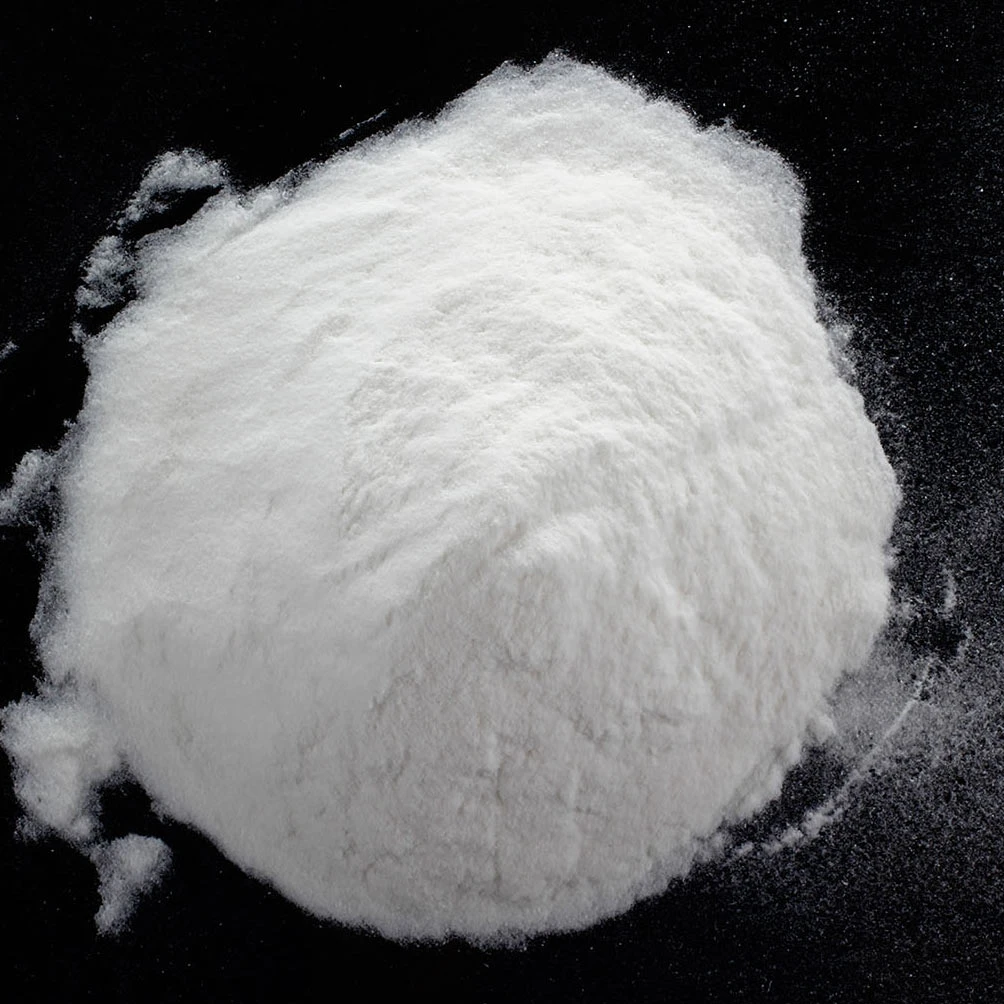
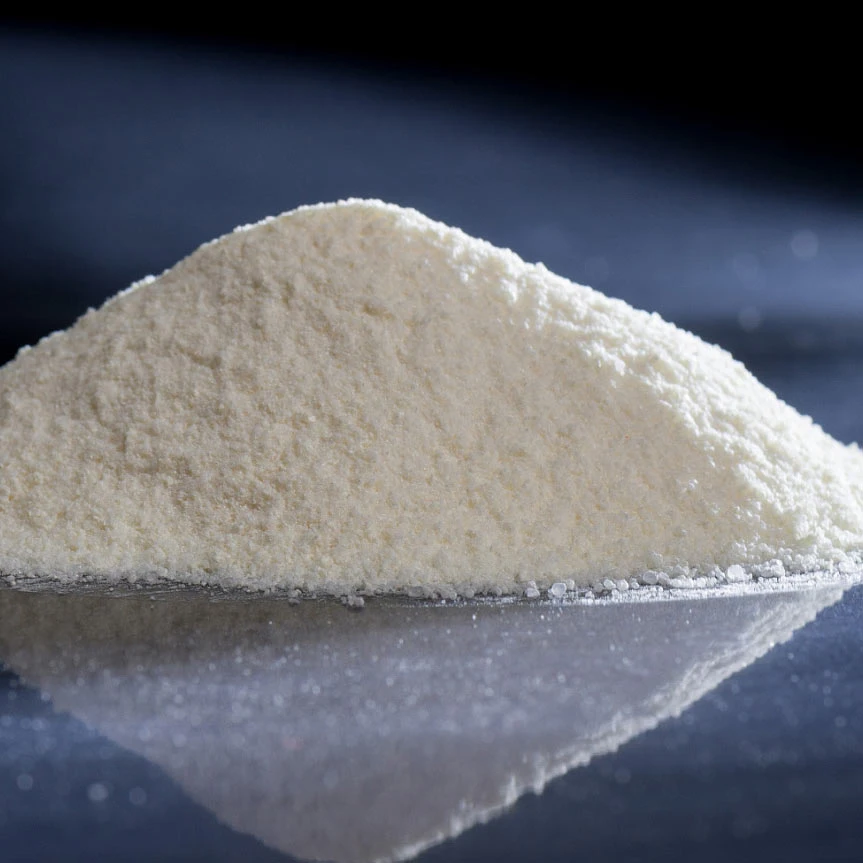
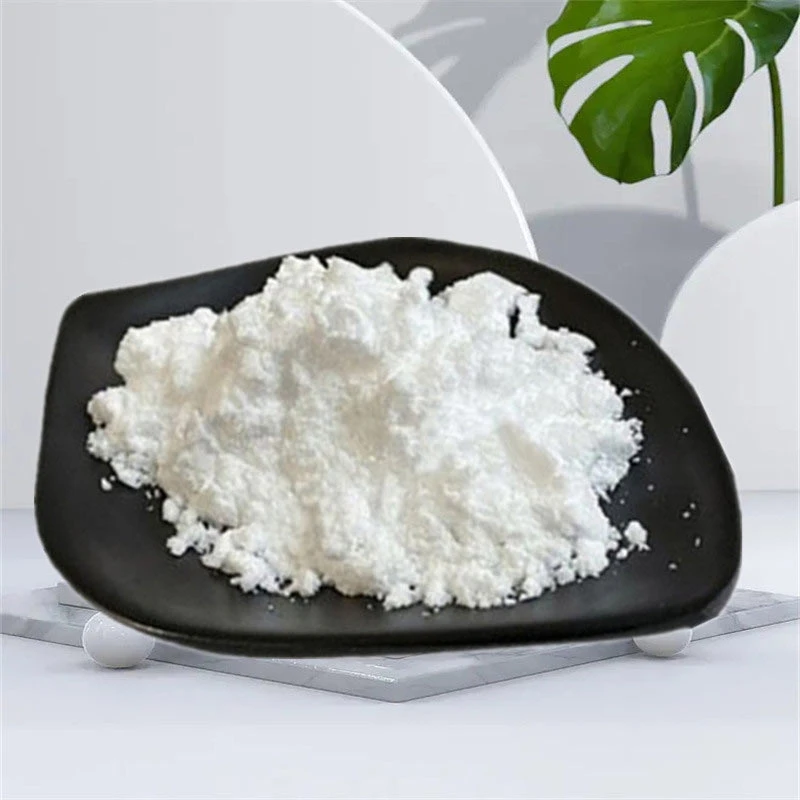
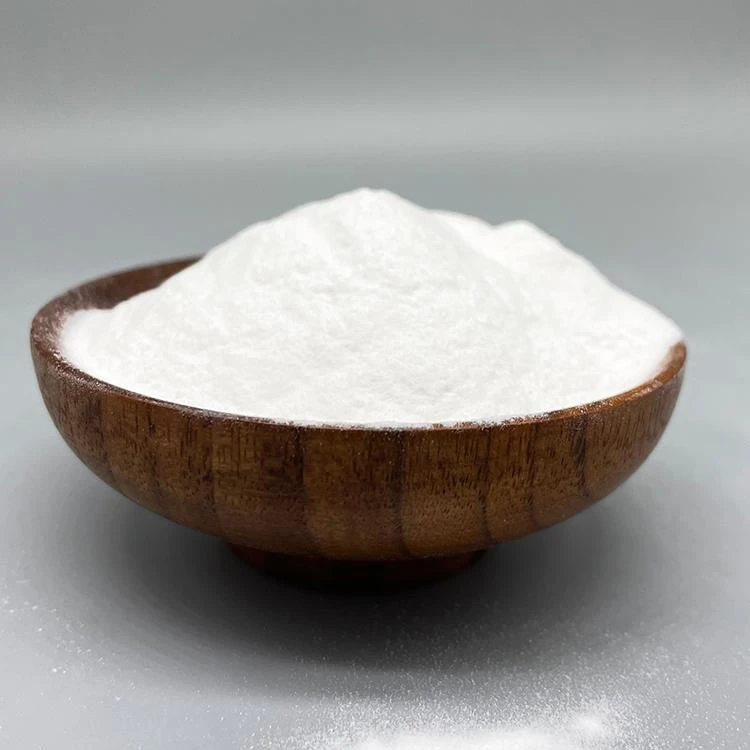
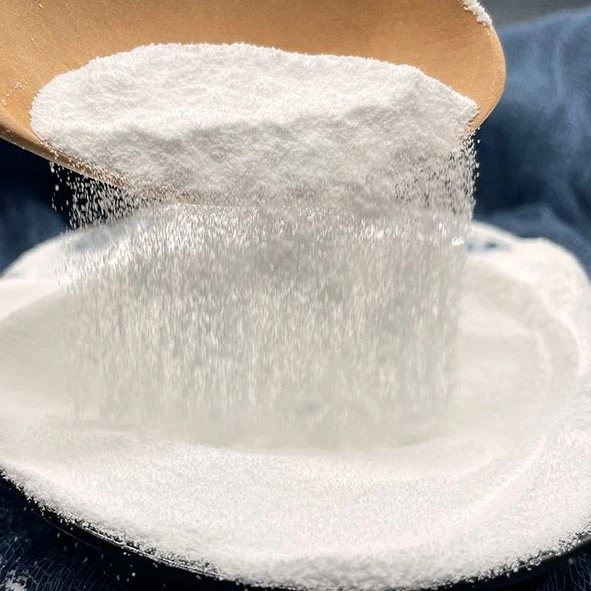
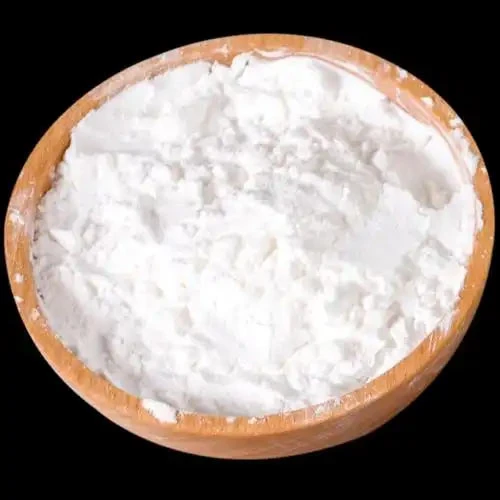
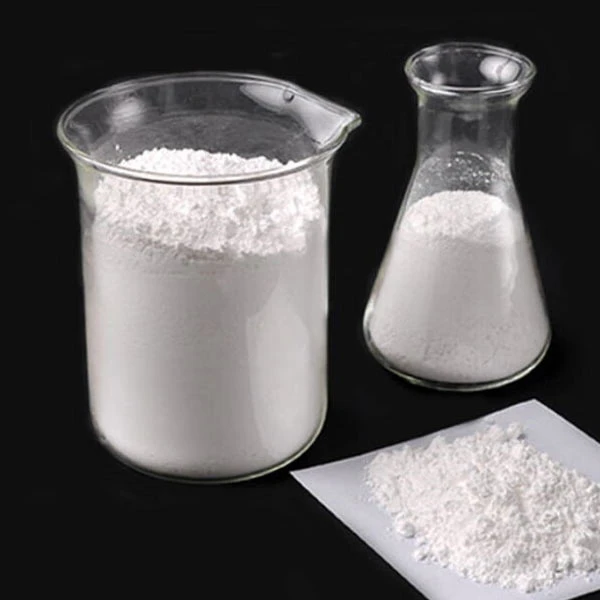
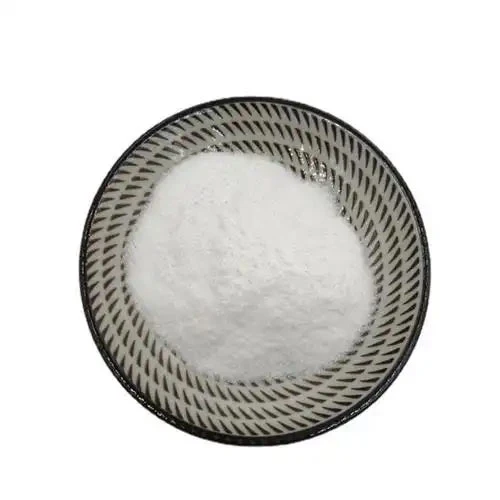
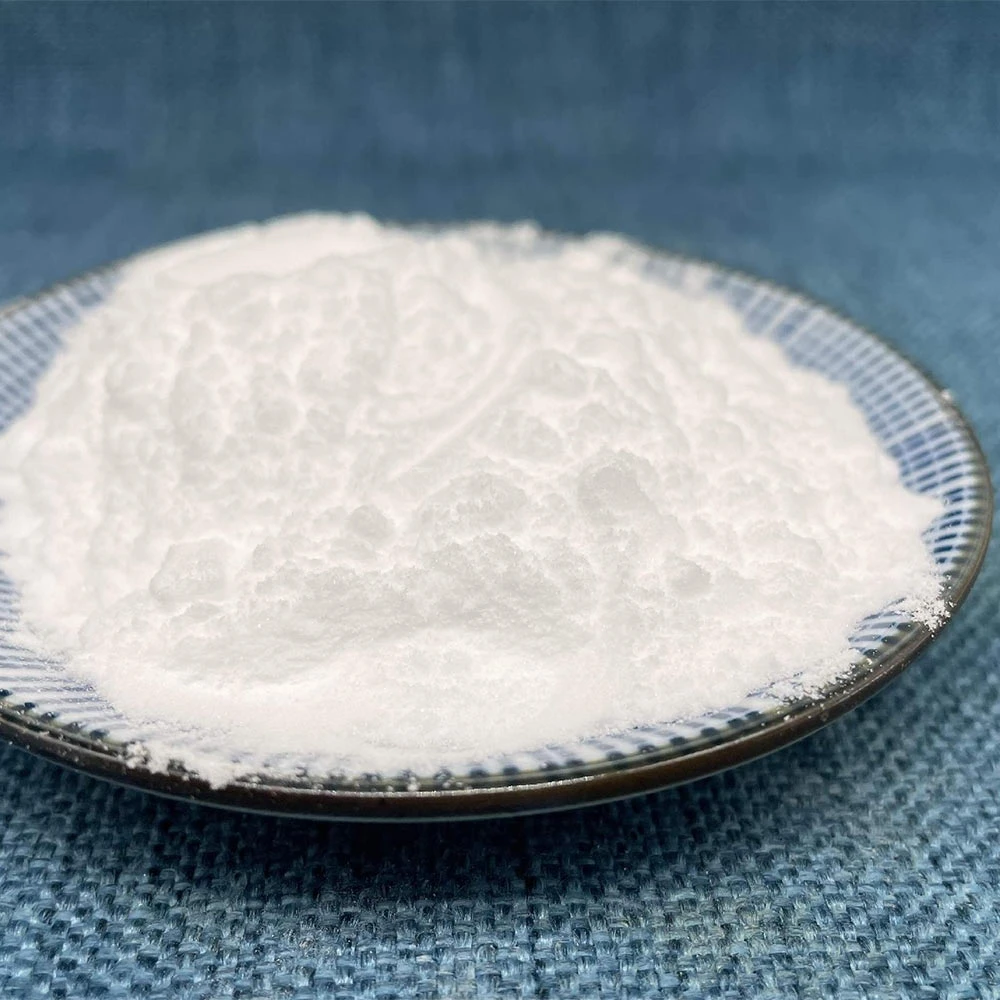
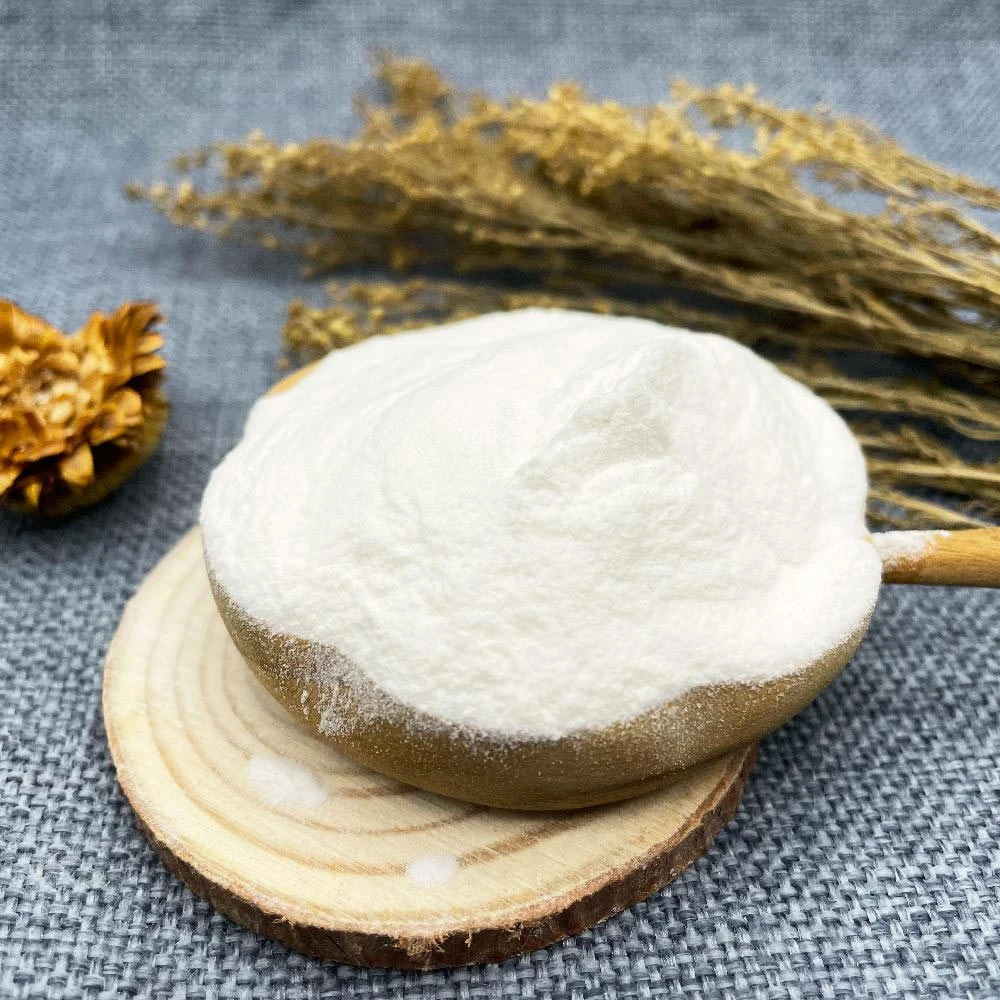
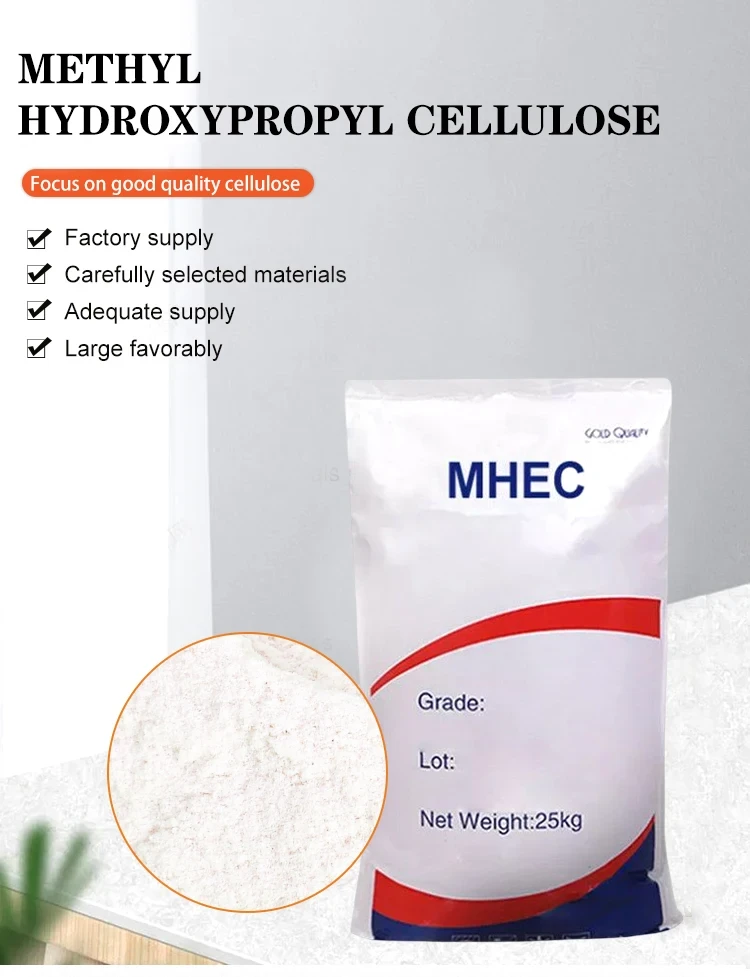
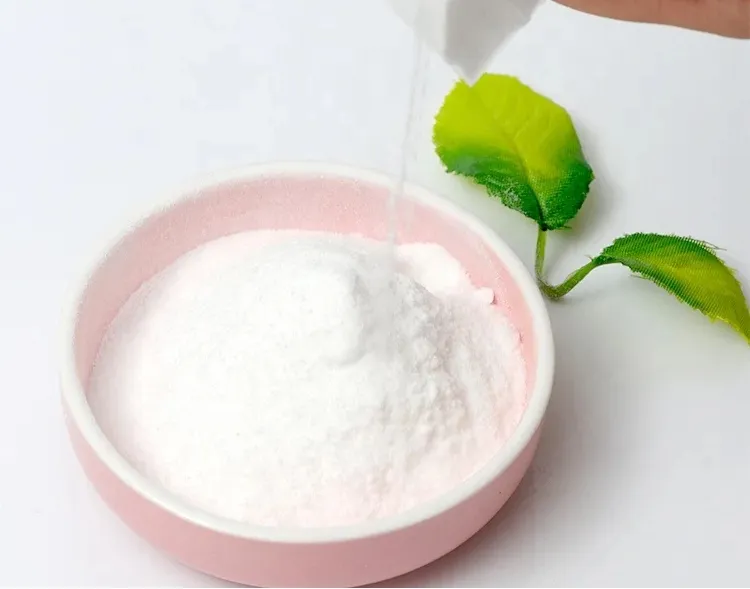
- MHEC powder: Usually supplied in a fine, white powder form, easy to handle and dissolve in water.
- Chemical MHEC: Refers to the standardized polymer produced for industrial or pharmaceutical use, with controlled substitution levels and viscosity.
- Hydroxymethyl ethyl cellulose: The generic chemical name, indicating its structure and functional groups.
- MHEC com: Commercial formulations of MHEC tailored for specific applications like tile adhesives, renders, or coatings.
Methyl hydroxyethyl cellulose MHEC is another widely used term, highlighting the combination of methyl and hydroxyethyl substitutions that provide superior thickening, water retention, and bonding properties.
Viscosity and Compatibility
The viscosity of MHEC can be adjusted during production, allowing manufacturers to select grades suitable for different methyl hydroxyethyl cellulose uses. Low-viscosity grades are ideal for sprayable coatings, while high-viscosity grades are better for thick pastes or adhesive formulations. Compatibility with other ingredients, such as cement or polymer additives, is also essential for optimal performance.
Applications and Industrial Uses of MHEC
MHEC has a broad range of applications across construction, pharmaceuticals, and personal care products. Its versatility comes from its ability to modify rheology, improve water retention, and provide stability in complex formulations.
Construction and Industrial Applications
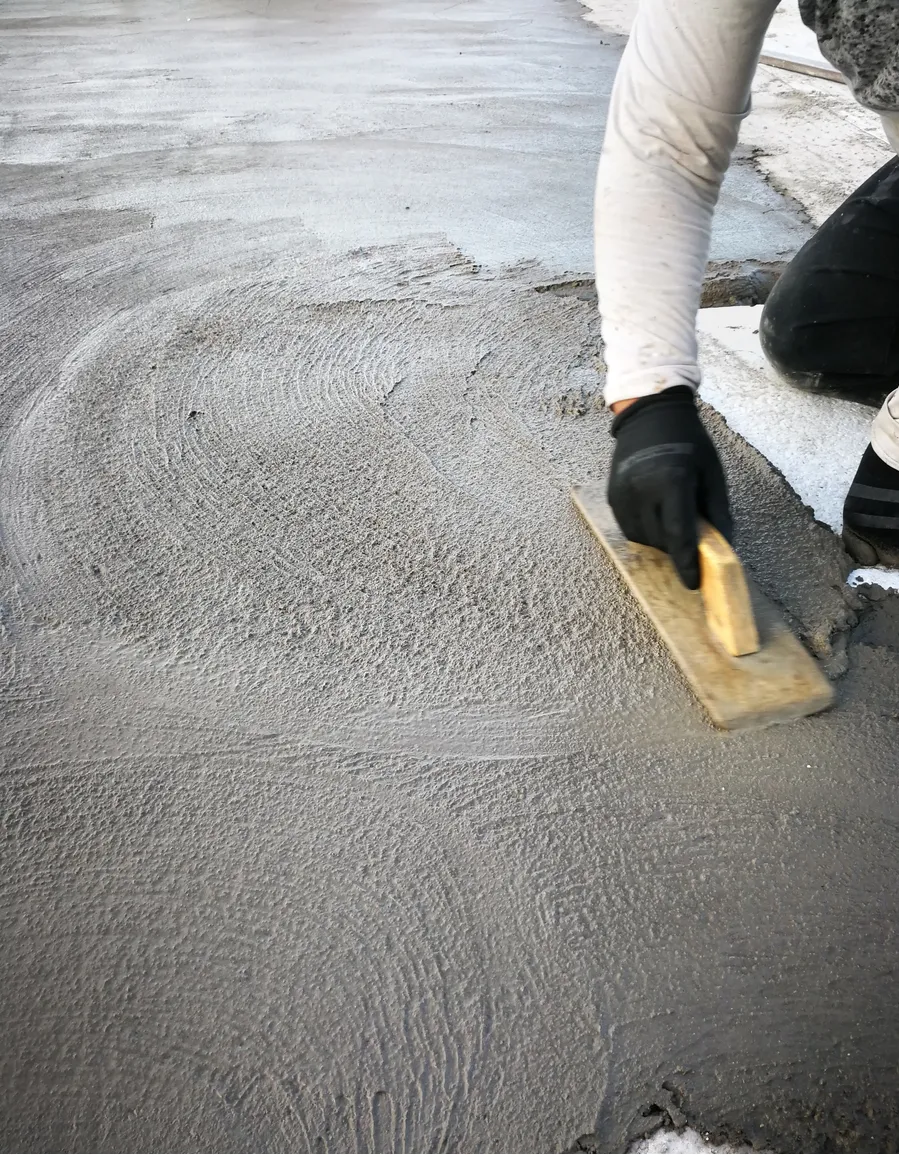
In the construction industry, MHEC powder is a critical additive in mortars, tile adhesives, and cement-based coatings. Its functions include:
Enhancing workability and spreadability of adhesives and mortars
Retaining water in cementitious materials to prevent premature drying
Improving adhesion to substrates
Reducing shrinkage and cracking in plaster and render
Hemc cellulose is a related derivative sometimes used interchangeably with MHEC in construction formulations, though MHEC generally provides superior water retention and film formation.
The construction sector often monitors mhec price closely, as fluctuations can affect overall project costs. Bulk purchasing and reliable suppliers can help maintain cost-effectiveness.
Pharmaceutical and Specialty Uses
While MHEC is predominantly used in construction, its biocompatibility and film-forming properties allow for methyl hydroxyethyl cellulose uses in pharmaceutical formulations:
Tablet binders and coating agents
Viscosity modifiers in oral suspensions
Stabilizers in gels and ointments
The polymer’s water solubility and neutral pH make it suitable for sensitive applications, offering consistent performance and safety. Methyl hydroxyethyl cellulose MHEC grades are chosen based on the required viscosity, solubility, and compatibility with other ingredients.
Market Availability and Pricing
MHEC com formulations are supplied by reputable manufacturers to ensure consistent quality, standardized viscosity, and compliance with industrial standards. The methyl hydroxyethyl cellulose price and MHEC price depend on several factors:
Grade and viscosity of MHEC
Purity and substitution levels
Supplier and manufacturing capacity
Global demand trends
Proper sourcing ensures that construction companies and industrial users receive reliable MHEC powder suitable for their applications.
Hydroxymethyl ethyl cellulose (MHEC) is a highly versatile polymer with applications spanning construction, pharmaceuticals, and specialty industries. From MHEC powder in tile adhesives to methyl hydroxyethyl cellulose MHEC in pharmaceutical formulations, this cellulose derivative offers excellent thickening, water retention, and film-forming capabilities.
Understanding its chemical properties, including viscosity, solubility, and compatibility, is essential for selecting the right grade. Additionally, monitoring MHEC price and sourcing from reputable suppliers ensures consistent quality and cost efficiency. Whether you are a construction professional, a pharmaceutical formulator, or an industrial manufacturer, hydroxymethyl ethyl cellulose remains a reliable and indispensable material.
FAQ: MHEC Uses, Properties, and Pricing
1. What is the difference between MHEC and HEMC cellulose?
Hemc cellulose is a related derivative, while MHEC generally provides superior water retention, thickening, and adhesion properties in construction and industrial applications.
2. What are the main uses of methyl hydroxyethyl cellulose MHEC?
Methyl hydroxyethyl cellulose MHEC is used as a thickener, water retention agent, binder in tile adhesives, plaster, renders, and in pharmaceutical formulations as a coating or stabilizer.
3. How is MHEC supplied for industrial use?
MHEC com is typically supplied as MHEC powder, ready to be dissolved in water or incorporated into formulations, with standardized viscosity and quality control.
4. What factors affect MHEC price?
The MHEC price and methyl hydroxyethyl cellulose price depend on viscosity grade, purity, supplier reliability, and market demand, with bulk purchases often reducing costs.
5. What is hydroxymethyl ethyl cellulose used for in construction?
Hydroxymethyl ethyl cellulose improves workability, adhesion, and water retention in mortars, tile adhesives, and cement-based coatings, preventing shrinkage and cracking.
-
Industrial Guide to Cellosize Hydroxyethyl Cellulose ApplicationsNewsApr.16,2026
-
Industrial Applications and Benefits of nanofibrillar celluloseNewsApr.09,2026
-
Comprehensive Guide to Hydroxypropyl Methylcellulose and Its Diverse ApplicationsNewsApr.07,2026
-
Exploring Cellulose Based Packaging A Sustainable Choice for BusinessesNewsApr.04,2026
-
Comprehensive Guide to MHEC Chemical Properties and Industrial ApplicationsNewsMar.31,2026
-
Exploring Cellulose Packaging for Food A Sustainable and Renewable SolutionNewsMar.28,2026