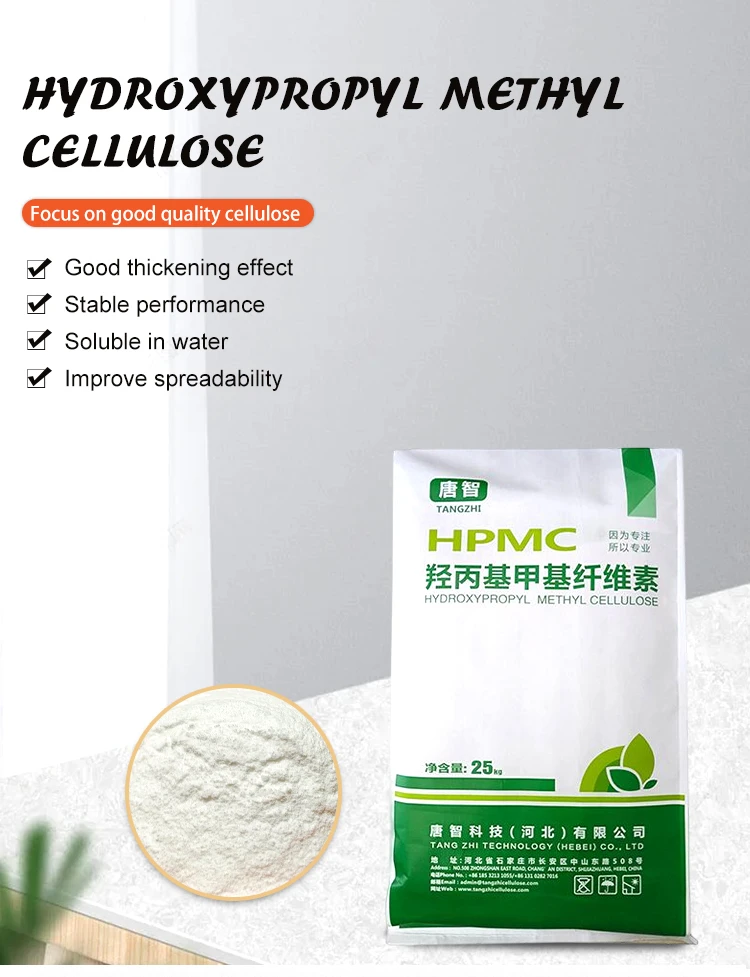
Hydroxypropyl Methylcellulose (HPMC): Applications, Grades, and Industrial Insights
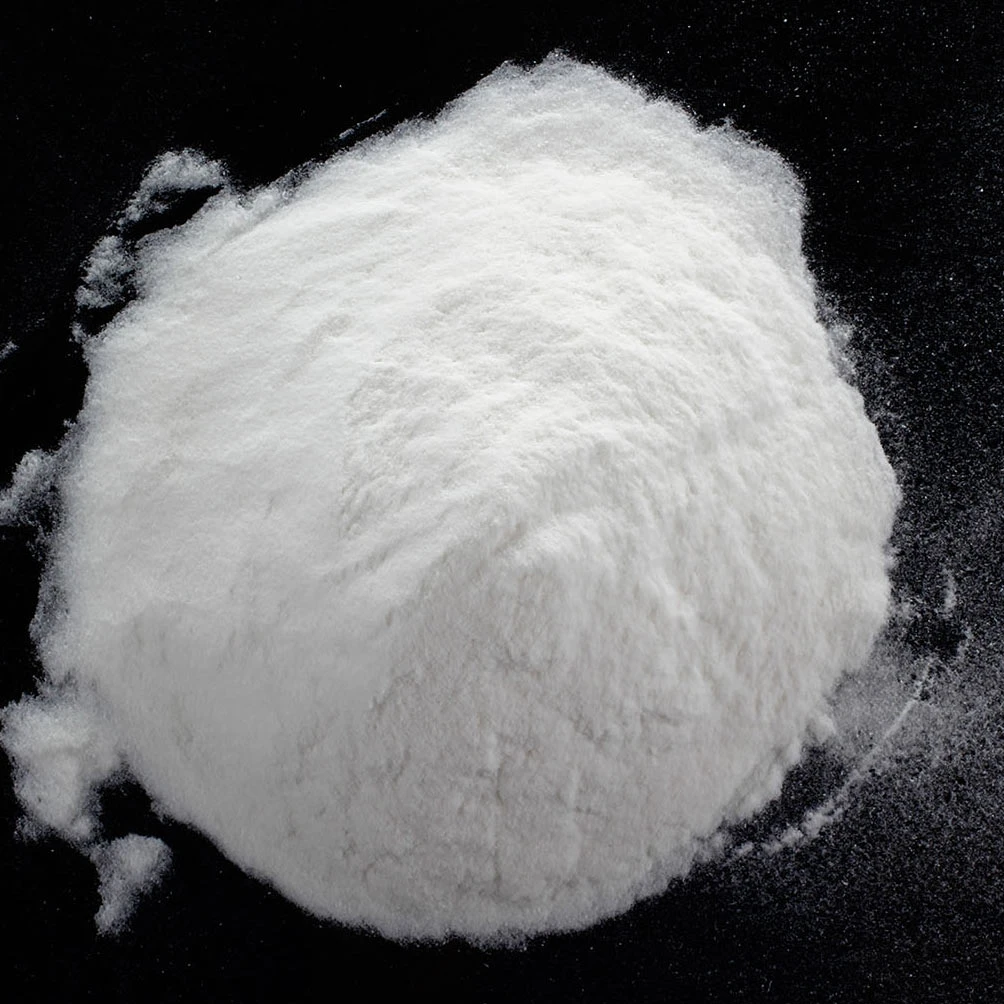
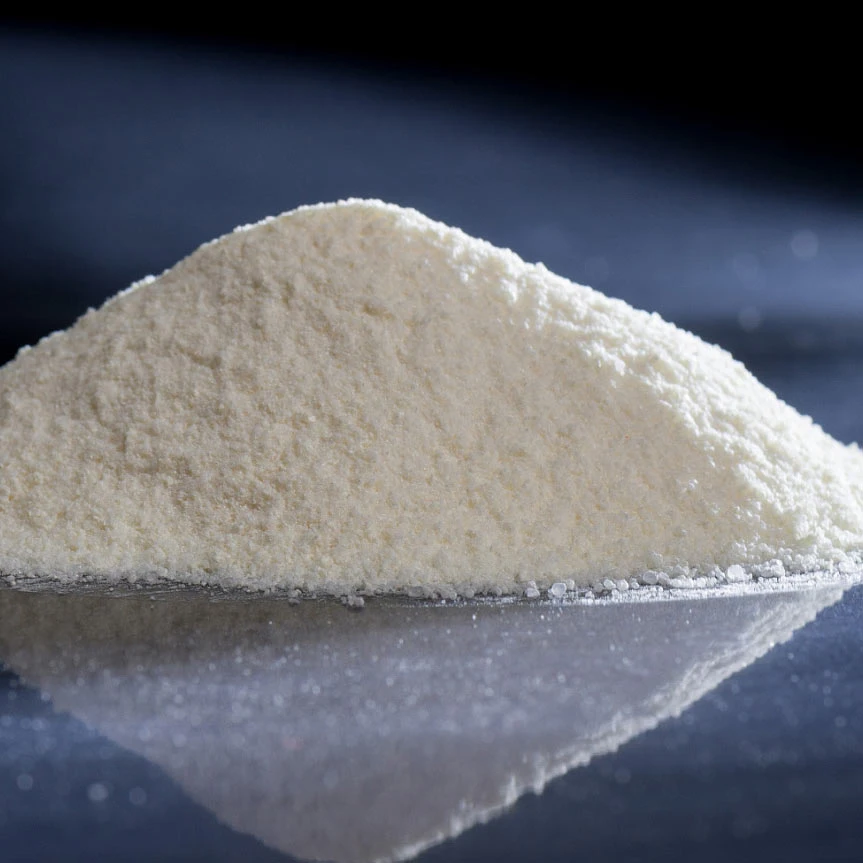
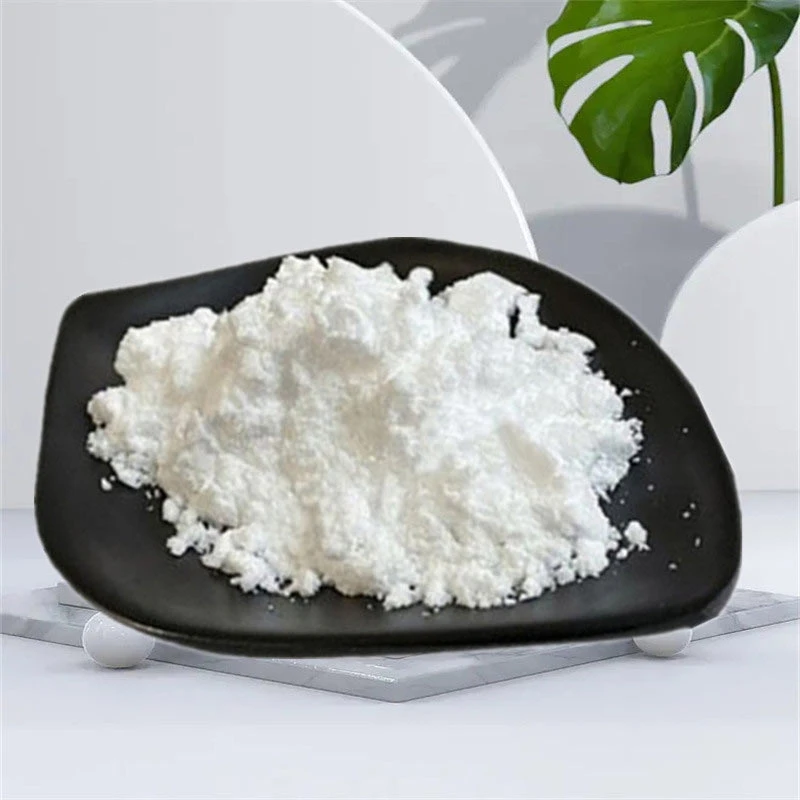
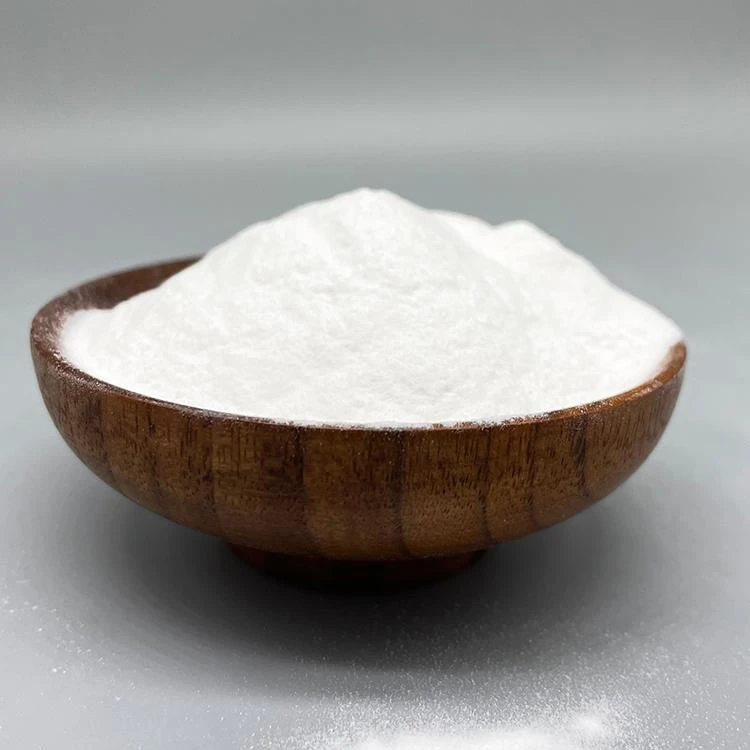
Hydroxypropyl methylcellulose, widely known as HPMC, is a versatile cellulose derivative used across industries such as construction, pharmaceuticals, cosmetics, and food. With its ability to modify viscosity, improve film formation, and act as a stabilizer, HPMC has become a staple material in modern manufacturing. Understanding its properties, grades, and applications—such as construction HPMC or hydroxypropyl methylcellulose for skin—is crucial for professionals and manufacturers alike.
This article explores HPMC grades viscosity, differences like hec vs hpmc and hpc vs hpmc, specific types like HPMC 2910/hypromellose, and provides practical guidance on how to dissolve HPMC in water. We will also cover factors influencing HPMC price and the benefits of sourcing from a reputable HPMC factory.
Understanding HPMC and Its Key Variants
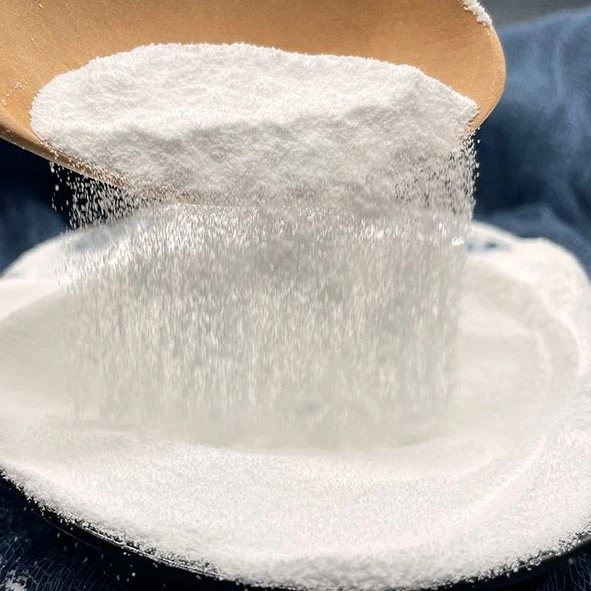
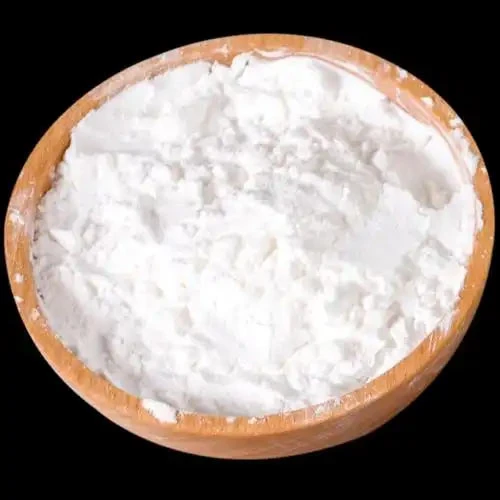
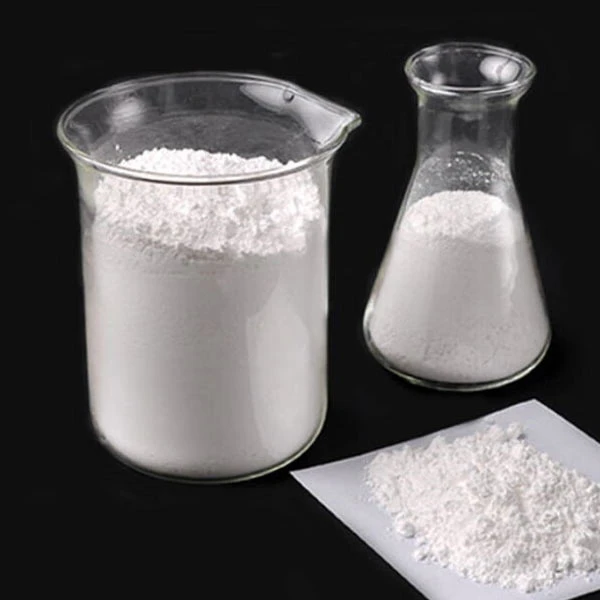
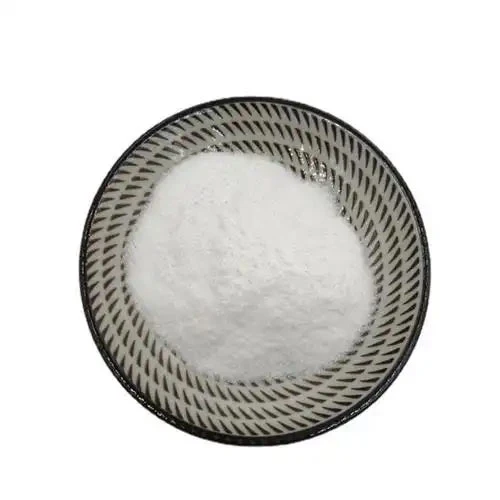
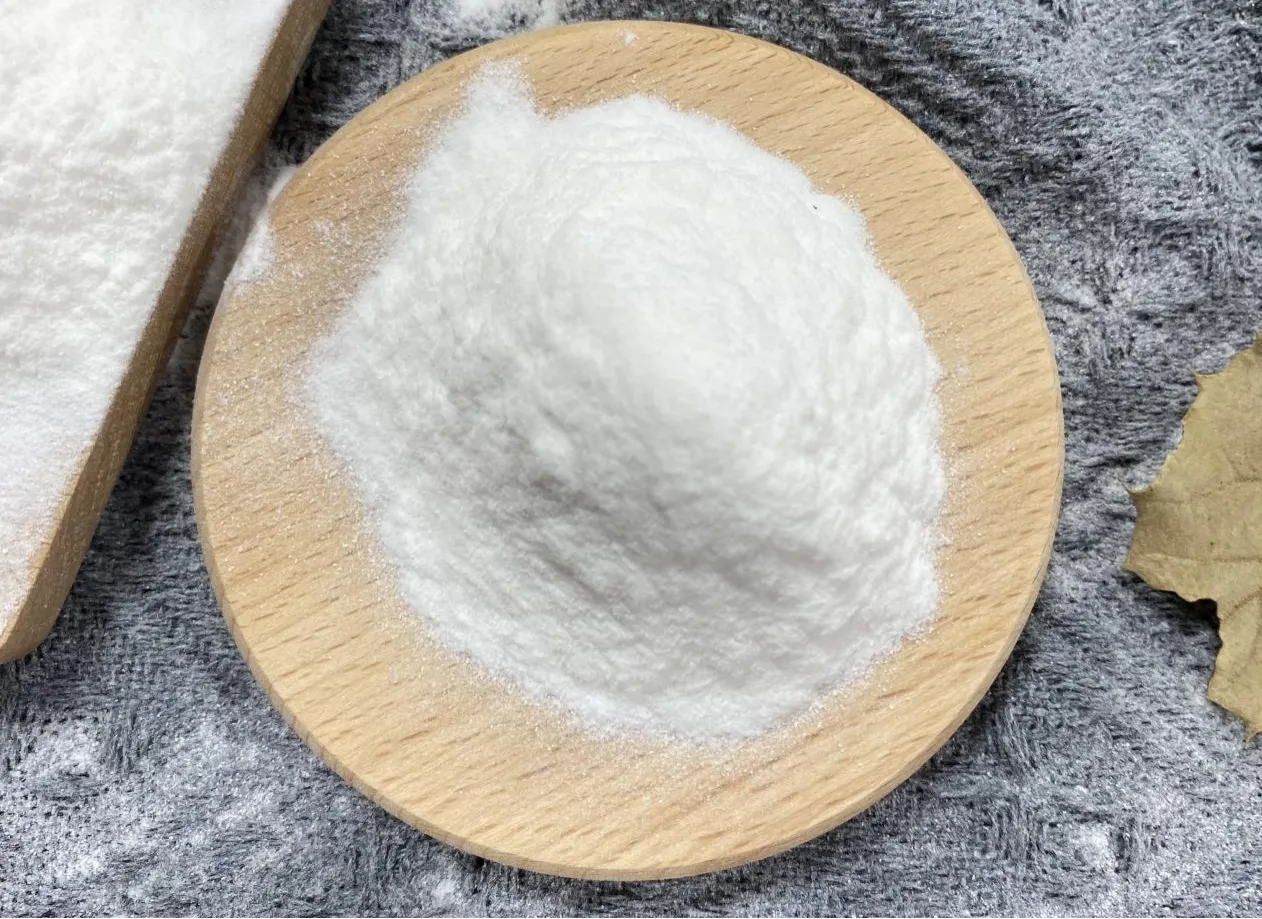
Hydroxypropyl methylcellulose (HPMC) is a chemically modified cellulose derivative, characterized by its water solubility, film-forming ability, and non-toxic nature. Its applications range from construction materials to pharmaceutical coatings and skincare products.
HPMC Grades and Viscosity
HPMC grades viscosity is one of the most important factors when selecting the right product. HPMC is available in low, medium, and high-viscosity grades, suitable for different applications:
- HPMC E5: Low-viscosity grade, often used as a thickener and binder in tablets, adhesives, and coatings.
- HPMC 2910 / HPMC 2910/hypromellose: Commonly used in pharmaceuticals for controlled-release tablets and film coatings.
- HPMC 603: Higher viscosity grades used in construction and industrial applications.
- HPMC acetate succinate: Modified HPMC for pH-sensitive pharmaceutical coatings.
Selecting the appropriate viscosity ensures optimal performance, whether for slurry stabilization in construction HPMC or creating smooth films for hydroxypropyl methylcellulose for skin applications.
Comparing HPMC to Other Cellulose Derivatives
There are often questions about hec vs hpmc and hpc vs hpmc:
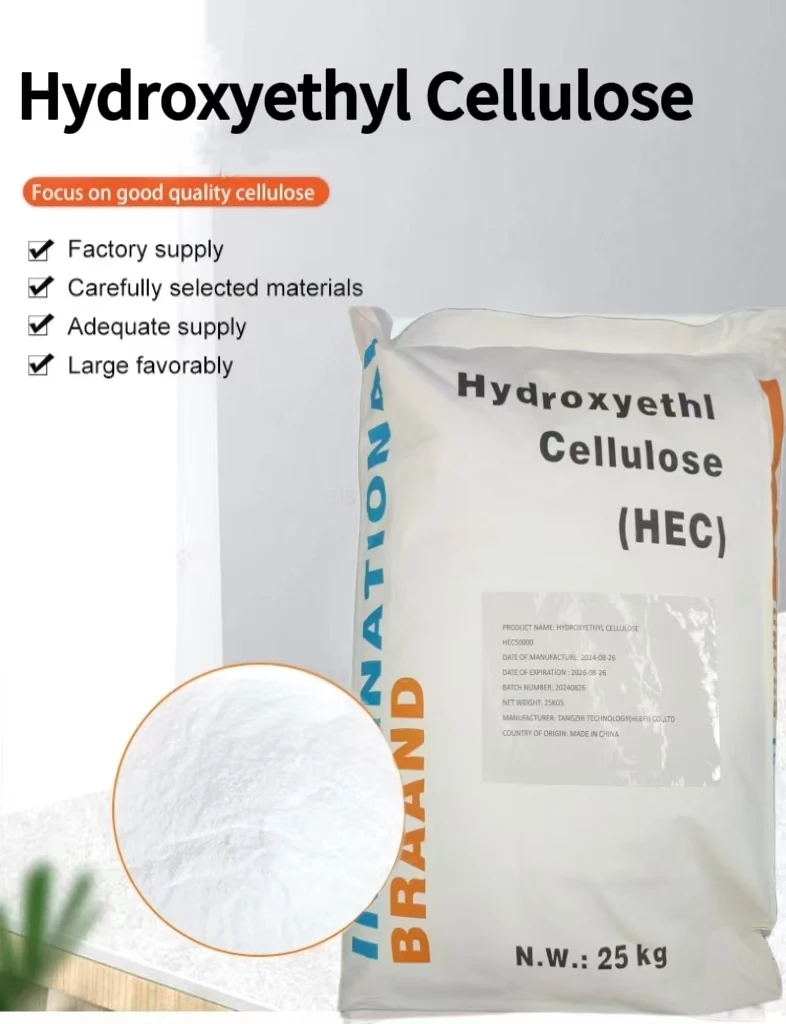
- HEC vs HPMC: Hydroxyethyl cellulose (HEC) is primarily used as a thickener in aqueous solutions and paints. HPMC, on the other hand, offers better thermal gelation, water retention, and film formation, making it suitable for construction and pharmaceuticals.
- HPC vs HPMC: Hydroxypropyl cellulose (HPC) is highly soluble in both water and alcohol, making it ideal for oral pharmaceutical films. HPMCis more versatile in construction, adhesive, and coating applications due to its higher gel strength and stability.
These differences allow manufacturers to select the most suitable cellulose derivative depending on the specific industrial need.
Practical Applications and Handling of HPMC
HPMC is extremely versatile and finds applications in construction, cosmetics, pharmaceuticals, and more. Understanding how to handle and apply it effectively is key to maximizing its performance.
Construction and Industrial Uses
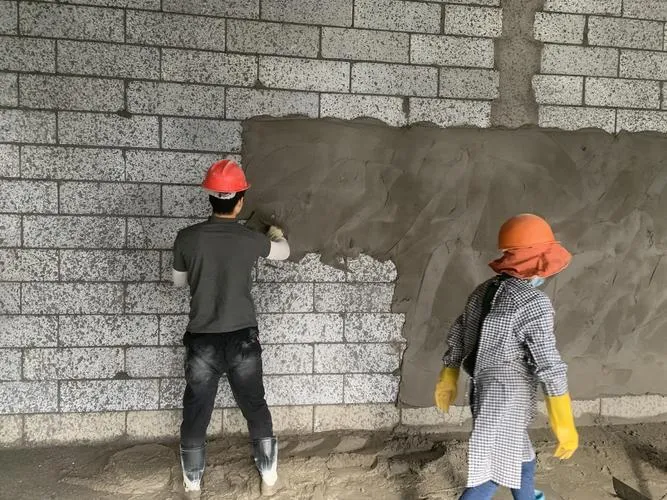
Construction HPMC is widely used in tile adhesives, cementitious mortars, and plaster systems. Its functions include:
Improving water retention
Enhancing workability and adhesion
Reducing shrinkage and cracking
Grades like HPMC 603 are specifically designed to optimize these properties in construction materials.
Pharmaceutical and Cosmetic Uses
In pharmaceuticals, HPMC 2910/hypromellose and HPMC E5 are commonly used as film coatings, tablet binders, and controlled-release agents. The derivative hydroxypropyl methylcellulose for skin is used in lotions and creams to improve texture, stability, and moisturizing properties.
Dissolving HPMC in Water
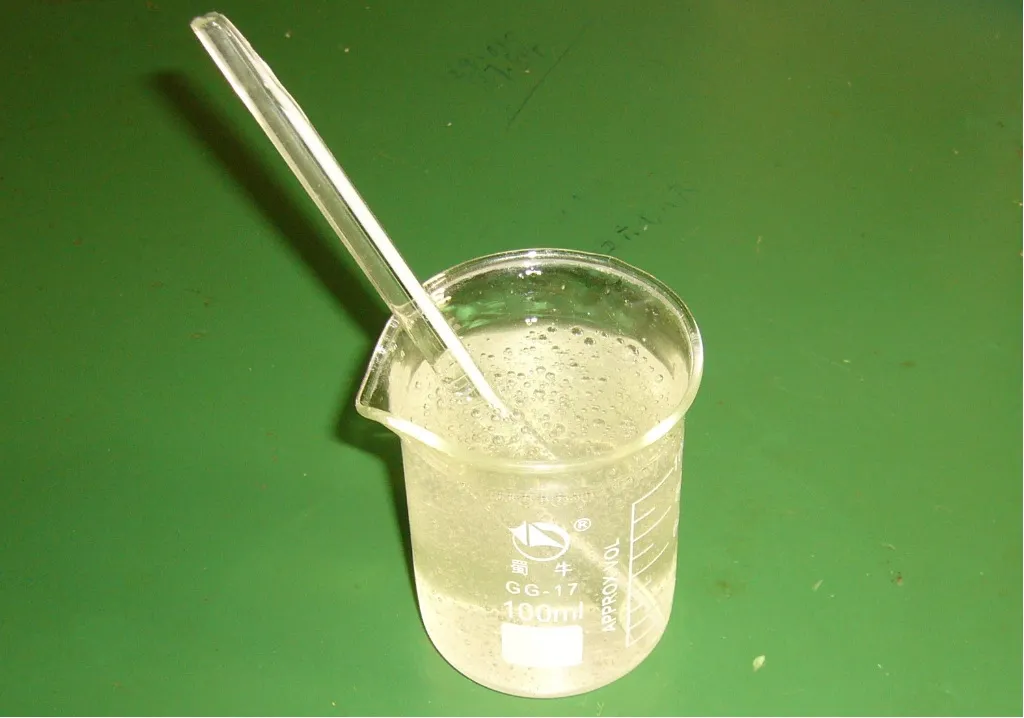
A frequent question is how to dissolve HPMC in water. HPMC is generally soluble in cold water and forms a viscous solution without heating. The procedure typically involves:
Adding HPMC gradually to water while stirring.
Ensuring continuous agitation to avoid clumping.
Allowing the solution to hydrate fully (often 1–2 hours for high-viscosity grades).
For best results, it is recommended to use pre-measured water-to-HPMC ratios as specified by the HPMC factory.
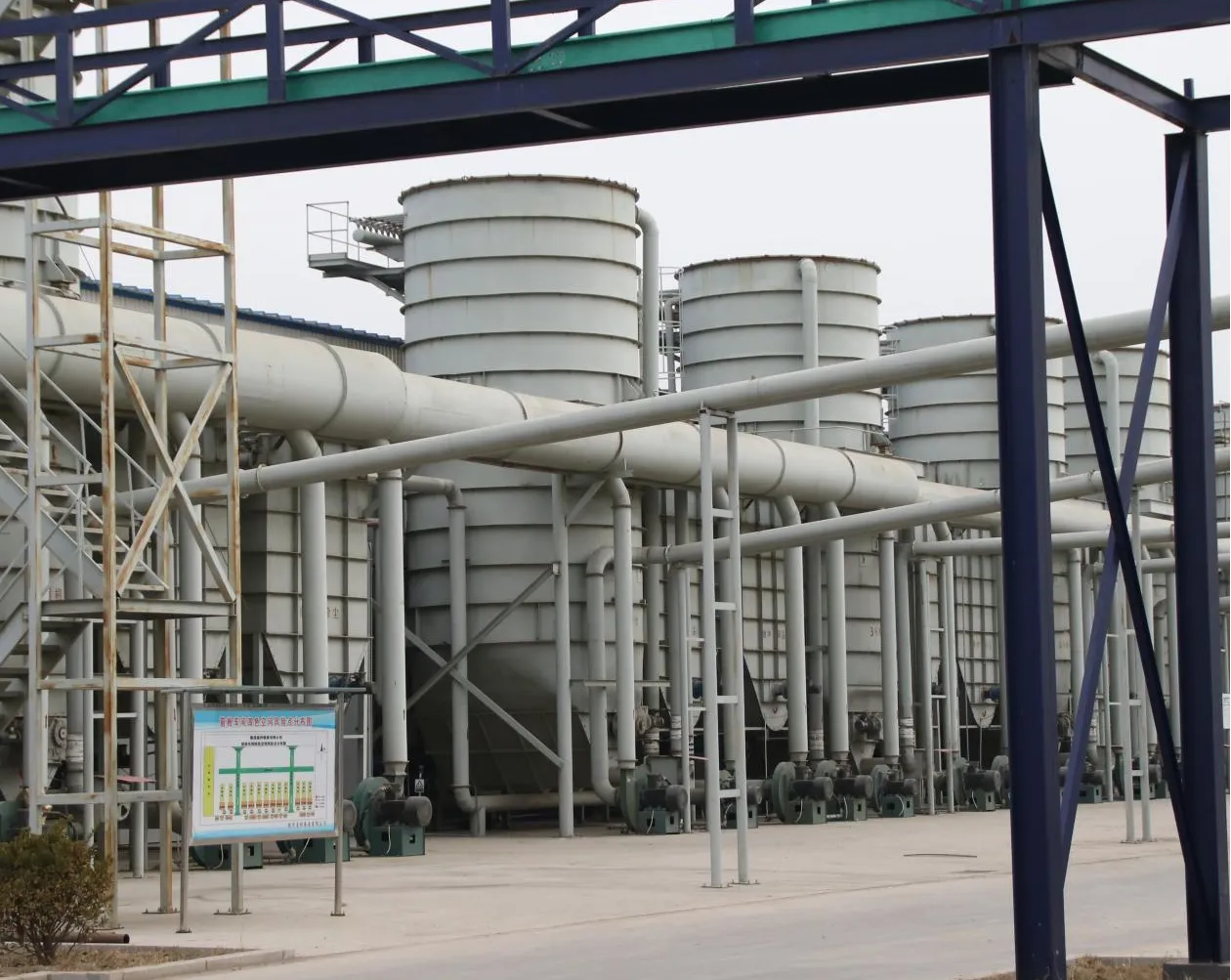
Sourcing and Pricing
When looking for HPMC, working with a reliable HPMC factory ensures consistent quality and supply. Factors affecting HPMC price include viscosity grade, purity, production scale, and market demand. Bulk purchasing often reduces costs for construction and industrial use.
Hydroxypropyl methylcellulose (HPMC) is a multifunctional cellulose derivative essential across industries. Its wide range of grades—such as HPMC E5, HPMC 2910/hypromellose, and HPMC 603—makes it suitable for applications in construction HPMC, pharmaceuticals, and hydroxypropyl methylcellulose for skin products.
Understanding HPMC grades viscosity, comparing hec vs hpmc and hpc vs hpmc, and knowing how to dissolve HPMC in water are crucial for maximizing performance. Additionally, sourcing from a reliable HPMC factory and monitoring HPMC price trends ensures consistent quality and cost efficiency.
Whether you are in construction, pharmaceuticals, or personal care, HPMC offers unmatched versatility, efficiency, and functionality.
FAQ: HPMC Grades, Applications, and Price Guide
1. What is the difference between HPMC and HPC?
HPC vs HPMC: HPC dissolves in water and alcohol and is ideal for oral films, while HPMC is better for construction, adhesives, and coatings due to higher gel strength and thermal stability.
2. How does HPMC E5 differ from HPMC 2910?
HPMC E5 is a low-viscosity grade suitable for binders and coatings, while HPMC 2910/hypromellose is used in pharmaceuticals for controlled-release tablets and film coatings.
3. How do I dissolve HPMC in water?
How to dissolve HPMC in water: Gradually add HPMC to cold water while stirring, avoid clumps, and allow full hydration, usually 1–2 hours for high-viscosity grades.
4. What factors influence HPMC price?
HPMC price depends on viscosity grade, purity, production scale, and market demand. Bulk purchases from a reliable HPMC factory can reduce costs.
5. Can HPMC be used for skin applications?
Yes, hydroxypropyl methylcellulose for skin improves texture, stability, and moisturizing properties in creams and lotions.
-
Industrial Guide to Cellosize Hydroxyethyl Cellulose ApplicationsNewsApr.16,2026
-
Industrial Applications and Benefits of nanofibrillar celluloseNewsApr.09,2026
-
Comprehensive Guide to Hydroxypropyl Methylcellulose and Its Diverse ApplicationsNewsApr.07,2026
-
Exploring Cellulose Based Packaging A Sustainable Choice for BusinessesNewsApr.04,2026
-
Comprehensive Guide to MHEC Chemical Properties and Industrial ApplicationsNewsMar.31,2026
-
Exploring Cellulose Packaging for Food A Sustainable and Renewable SolutionNewsMar.28,2026