Hebei Tangzhi Technology Co., Ltd.


Modern formulators in the construction, coating, and food industries face a persistent challenge: selecting the precise rheology modifier to achieve perfect workability without compromising cost. The chemical distinction between alpha-glucose linkages in starch and beta-glucose linkages in cellulose drastically alters water retention, thickening efficiency, and film-forming capabilities. If you misjudge this fundamental relationship, you risk project failures ranging from cracking wall putty to unstable tile adhesives.
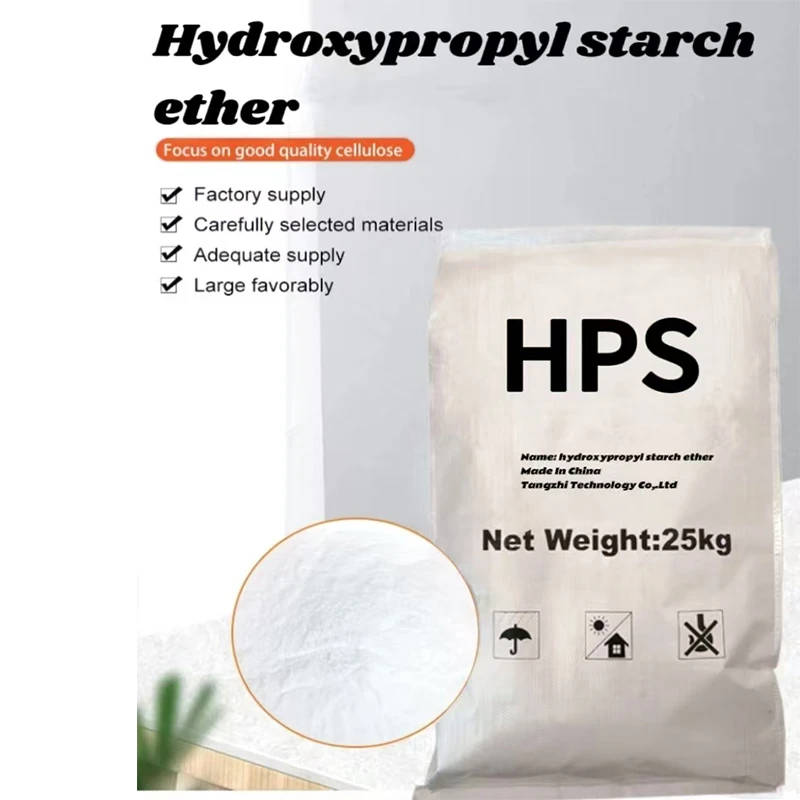
By thoroughly understanding the Difference Between Starch and Cellulose (Structural Comparison), manufacturers can unlock precise material control. Since 2010, Hebei Tangzhi Technology Co., Ltd. has served as a pivotal partner for global industries navigating these biochemical complexities. Instead of offering one-size-fits-all products, we engineer tailor-made solutions. Whether your application demands the high-tensile structural integrity of cellulose ethers (like HPMC and CMC) or the unique viscosity profiles of modified starch (like HPS), our specialized portfolio bridges the gap between raw chemical properties and real-world performance.
Backed by over 12 years of industry experience and an impressive daily production capacity exceeding 110 tons, we empower clients across more than 30 countries to formulate with total confidence. Our advanced manufacturing footprint ensures that you receive the exact molecular structure you need, precisely when you need it.
Translating molecular biology into industrial advantage requires uncompromising technical discipline. The beta-1,4-glycosidic bonds found in cellulose provide exceptional rigidity and resistance to enzymatic breakdown, making it ideal for robust construction mortars. Conversely, the alpha-1,4-glycosidic bonds in starch yield structures that are highly effective for rapid thickening and specific adhesion requirements. Grasping the Difference Between Starch and Cellulose (Structural Comparison) is what allows our engineers to refine products like Hydroxypropyl Methylcellulose (HPMC) and Hydroxypropyl Starch (HPS) to exacting specifications.
Our commitment to structural purity and functional excellence is guaranteed by a comprehensive Quality System Management Certificate, ensuring every batch meets rigorous international benchmarks.
| Performance Metric | Industry Significance | Our Engineering Standard | Advantage |
|---|---|---|---|
| Molecular Linkage Processing | Determines solubility, viscosity, and shear resistance in end-use applications. | Tailor-made structural modification for both HPMC and HPS. | Optimized workability matching the precise Difference Between Starch and Cellulose (Structural Comparison). |
| Production Scale & Consistency | Prevents supply chain disruptions and batch-to-batch formulation errors. | 110+ tons daily production capacity. | Reliable, high-volume supply supporting continuous global manufacturing. |
| Quality Control Verification | Ensures chemical stability in harsh construction or cosmetic environments. | Certified under comprehensive Quality System Management. | Zero-defect guarantee, providing peace of mind for high-stakes projects. |
| Global Application Support | Adaptation of structural chemical properties to local climates. | Export and technical assistance across 30+ countries. | Customized formulas that perform flawlessly, from Indonesian humidity to Pakistani heat. |
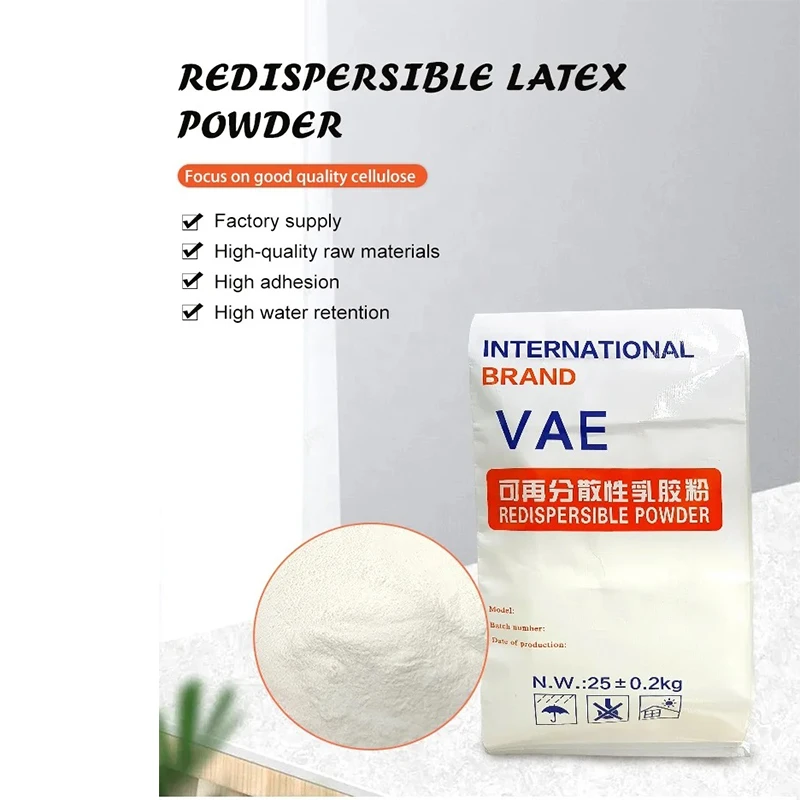
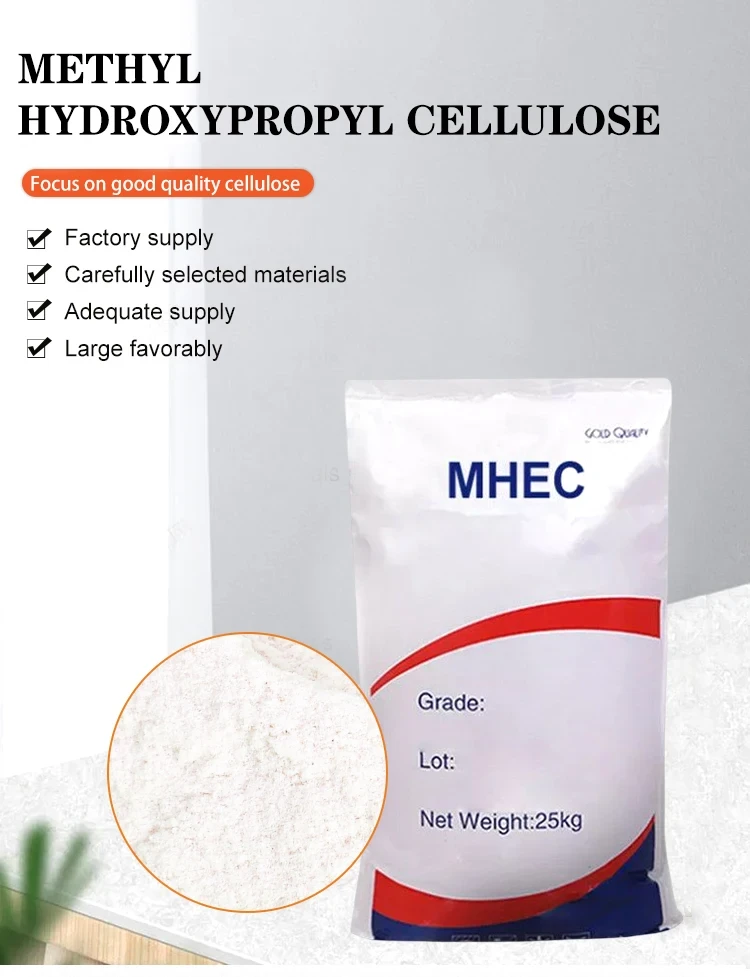
Strategic formulation is no longer just about technical viability; it is a critical lever for long-term financial gain. When procurement teams and chief engineers collaborate to leverage the Difference Between Starch and Cellulose (Structural Comparison), they eliminate redundant material usage and optimize supply costs. For instance, blending highly efficient cellulose ethers (like MHEC or RDP-VAE) with carefully selected starch derivatives can drastically reduce raw material expenses while actually improving the open time and slip resistance of tile adhesives.
By partnering with an authoritative manufacturer like Hebei Tangzhi Technology Co., Ltd., you are investing in value engineering. Our capability to supply both premium cellulose and starch-based additives means you streamline your vendor list. This consolidation, supported by our robust global logistics network, accelerates your speed-to-market and significantly boosts your overall Return on Investment.
Related products
Top Selling Products