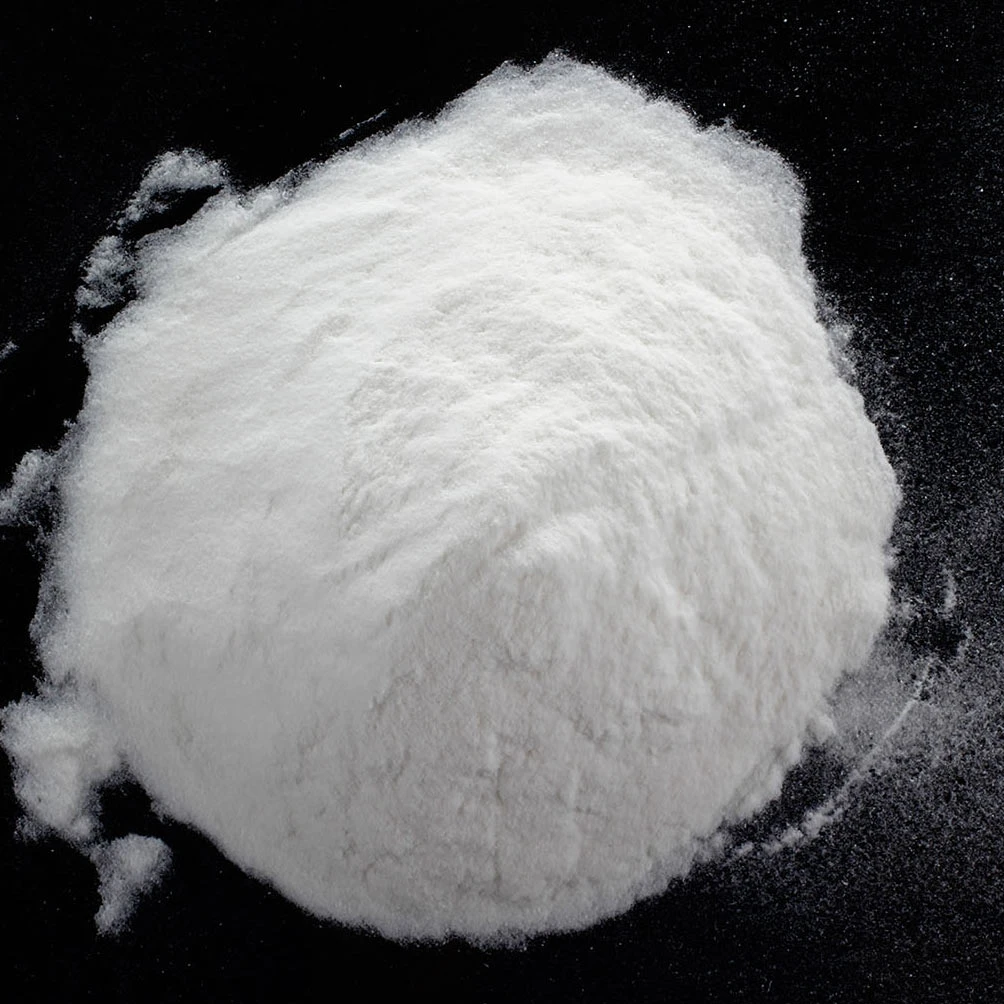
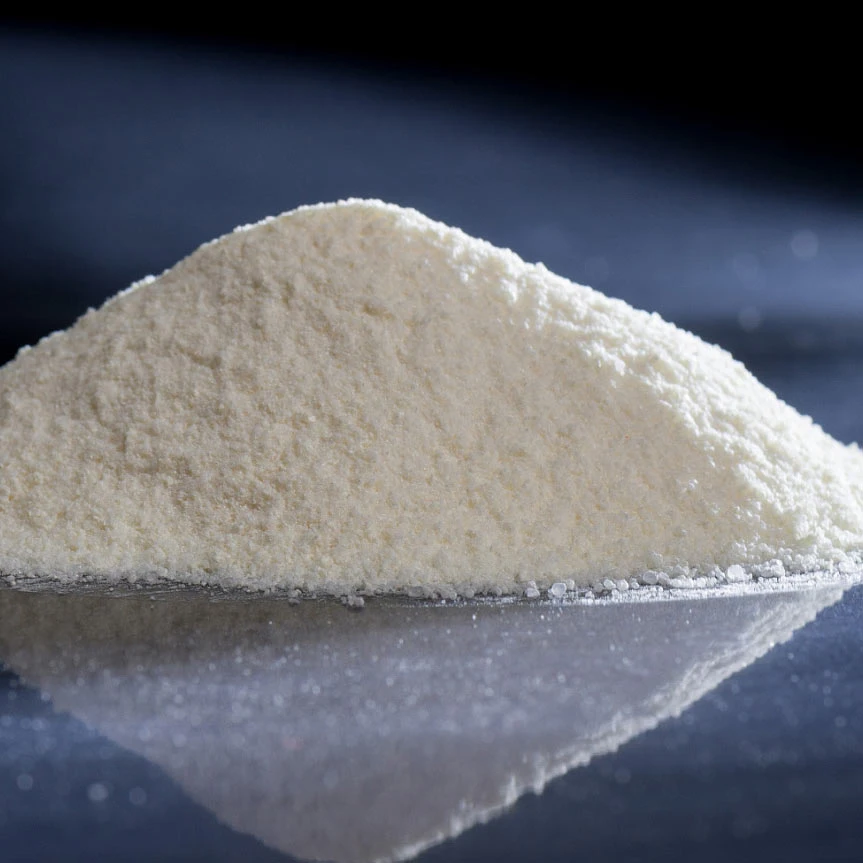
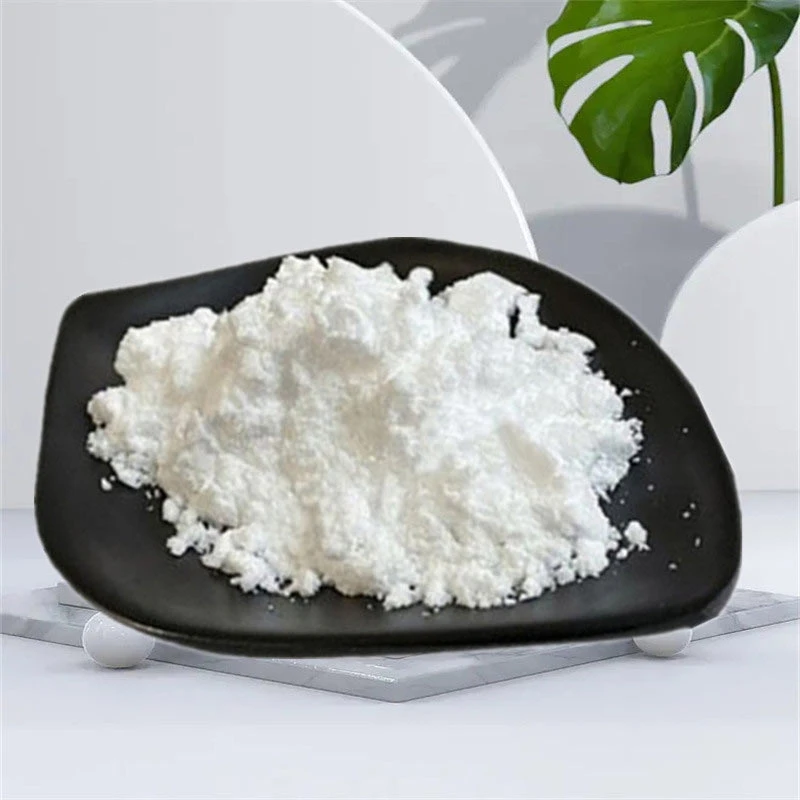
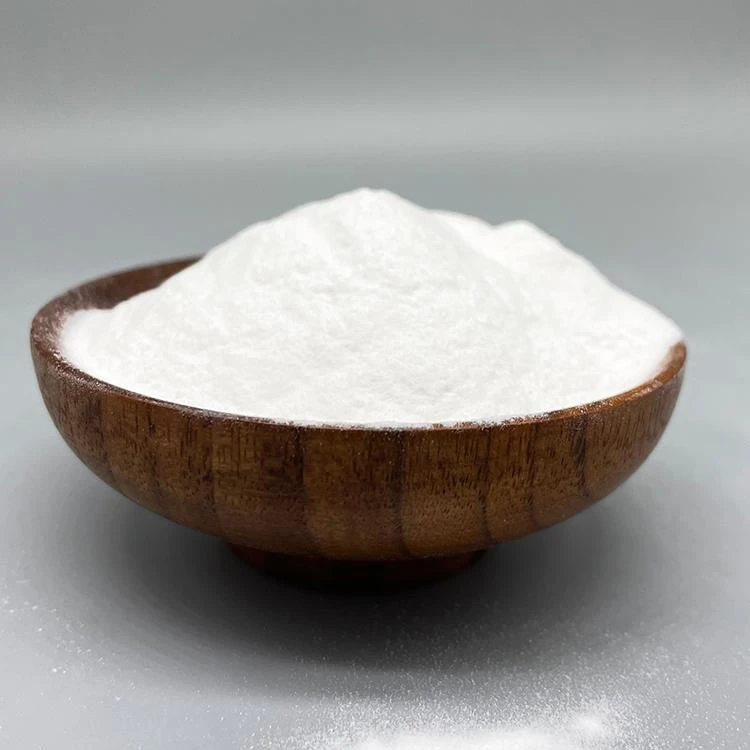
Industrial Applications and Benefits of nanofibrillar cellulose
Exploring the Potential of Nanofibrillar Cellulose in Modern Industry
In the pursuit of sustainable and high-performance materials, nanofibrillar cellulose has emerged as a revolutionary bio-based polymer. Derived from plant fibers, this nanomaterial offers an extraordinary combination of mechanical strength, transparency, and biocompatibility. As industries shift away from synthetic plastics toward eco-friendly alternatives, understanding the properties and applications of these nano-sized fibrils becomes essential. This guide provides a deep dive into how this material is transforming everything from food packaging to advanced biomedical engineering, ensuring a greener future without compromising on quality.
What Exactly is Nanofibrillar Cellulose?
At its core, nanofibrillar cellulose (NFC) consists of cellulose fibrils that have been mechanically or chemically disintegrated from bulk cellulose. These fibrils typically have a diameter ranging from a few nanometers to several tens of nanometers. Because of their high aspect ratio and strong hydrogen bonding capabilities, they can form a dense, entangled network when dispersed in water. This network provides exceptional rheological properties, making it an ideal thickener, stabilizer, and reinforcing agent in various composite materials.
Core Characteristic: NFC is prized for its low density and high crystallinity, allowing it to replace heavier mineral fillers in industrial applications while maintaining structural integrity.
Key Industrial Applications of Nanofibrillar Cellulose
The versatility of nanofibrillar cellulose allows it to penetrate multiple sectors. In the food industry, it acts as a fat replacer and stabilizer, improving texture without adding calories. In the automotive sector, it is used to create lightweight composites that reduce fuel consumption. Additionally, its ability to form oxygen-barrier films makes it a game-changer for sustainable packaging, preventing food spoilage and extending shelf life. The material's biocompatibility also makes it a preferred choice for scaffolds in tissue engineering and controlled drug delivery systems.
Primary Application Areas:
• Packaging: High-barrier biodegradable films
• Construction: Strengthening additives for sustainable concrete
• Cosmetics: Natural thickening and stabilizing agents
• Medical: Wound dressing and bio-scaffolds
Comparing Nanofibrillar Cellulose with Standard Cellulose
While standard cellulose is widely used in paper and textiles, nanofibrillar cellulose operates on a completely different scale of efficiency. The nanostructure allows for a significantly higher surface area, which enhances the reactivity and the strength of the resulting materials. When compared to traditional microcrystalline cellulose, NFC provides much better viscosity control and film-forming capabilities. This makes it far more effective as a reinforcement phase in polymers, where it can drastically increase tensile strength with very low loading levels.
Production Process and Sustainability
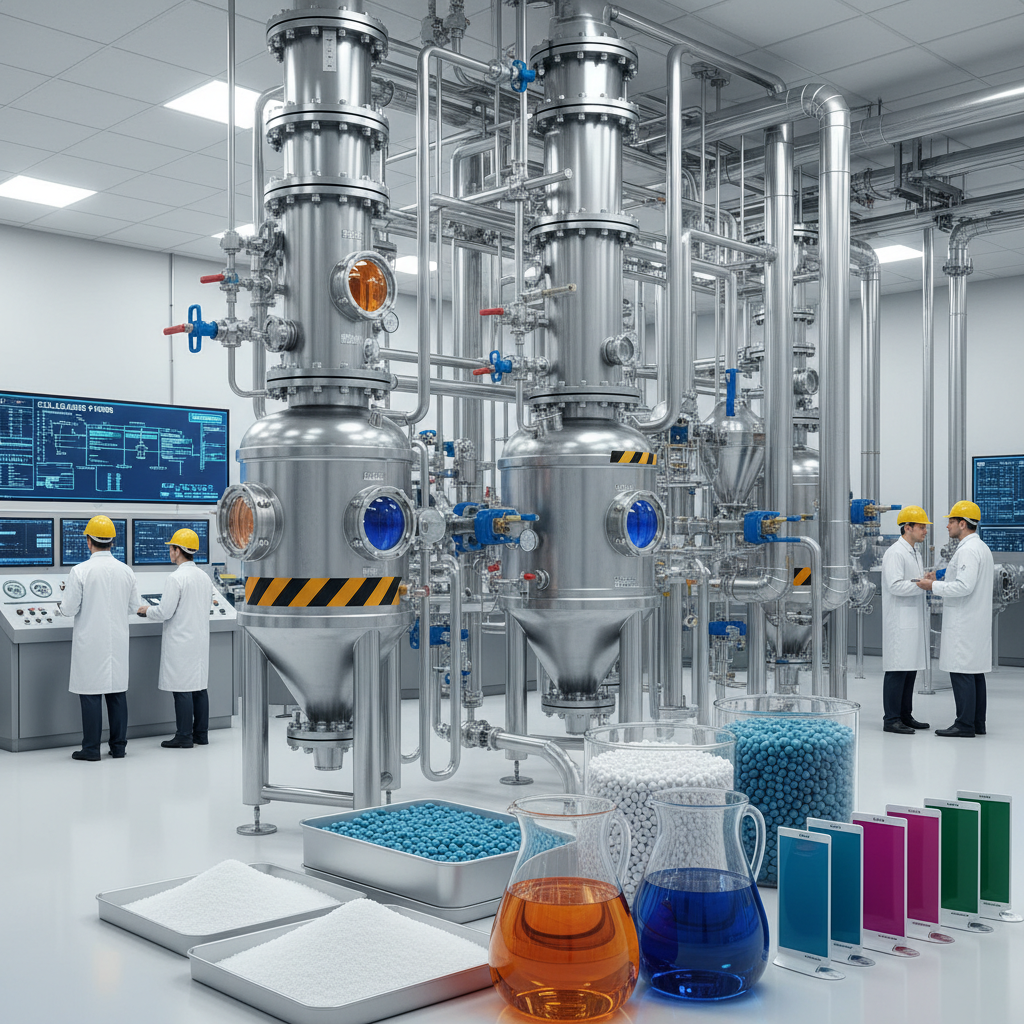
The production of nanofibrillar cellulose is a testament to green chemistry. The process typically involves several stages: pretreatment (such as enzymatic hydrolysis or TEMPO-mediated oxidation) to loosen the fiber structure, followed by high-pressure homogenization or microfluidization. This mechanical shearing breaks the fibers down into nano-fibrils. Because the raw material is cellulose—the most abundant organic polymer on Earth—the entire lifecycle of NFC is sustainable and carbon-neutral, providing a viable path toward reducing our reliance on petroleum-based additives.
Technical Specifications of Nanofibrillar Cellulose
For engineers and product developers, the technical parameters of nanofibrillar cellulose are what make it truly attractive. Its high modulus of elasticity, comparable to Kevlar in some crystalline forms, allows for the creation of incredibly strong yet lightweight materials. Furthermore, the water-holding capacity and shear-thinning behavior make it an excellent additive for coatings and inks. Below are the typical specifications found in industrial-grade NFC suspensions:
Future Trends: The Evolution of Nanocellulose
Looking ahead, the evolution of nanofibrillar cellulose is moving toward "smart materials." Researchers are integrating conductive polymers with NFC to create flexible, biodegradable sensors and electronic skins. Furthermore, the development of 3D-printable nanocellulose inks is opening new doors in customized medical implants. As production costs decrease due to scaling and more efficient mechanical processes, NFC is expected to become a standard component in the global effort to replace single-use plastics with high-performance, compostable alternatives.
Conclusion: Embracing the Power of Nanofibrillar Cellulose
The rise of nanofibrillar cellulose marks a pivotal moment in material science, bridging the gap between extreme strength and environmental sustainability. From its role as a high-tech reinforcement agent to its applications in green packaging and medicine, NFC offers a versatile solution for the challenges of the 21st century. By adopting these bio-based nanostructures, industries can significantly lower their carbon footprint while enhancing the performance of their products. The transition to a circular economy is no longer a distant goal, but a reality powered by the innovation of nanocellulose.
Frequently Asked Questions (FAQs)
Is nanofibrillar cellulose completely biodegradable?
Yes, nanofibrillar cellulose is derived from natural cellulose, which is one of the most abundant biodegradable polymers on Earth. It can be broken down by cellulase enzymes produced by various bacteria and fungi in the environment. Unlike synthetic polymers that persist for centuries, NFC decomposes into water and carbon dioxide under composting conditions, making it an ideal choice for eco-friendly product design and reducing landfill waste.
How does NFC differ from Cellulose Nanocrystals (CNC)?
While both are nanocelluloses, they differ in structure. CNCs are rigid, needle-like crystals produced primarily through acid hydrolysis, which removes the amorphous regions of the cellulose. In contrast, nanofibrillar cellulose is produced mainly by mechanical means, resulting in longer, more flexible, and entangled fibrils. This makes NFC better for creating gels and networks (viscosity modification), while CNC is often preferred for creating highly crystalline composite reinforcements.
Can nanofibrillar cellulose be used in food products?
Absolutely. NFC is widely explored as a functional ingredient in the food industry. Due to its high water-binding capacity and ability to form stable emulsions, it can serve as a natural thickener or a fat replacer, helping to reduce calorie content while maintaining a creamy mouthfeel. Additionally, its use in biodegradable food packaging helps create a barrier against oxygen and oil, which significantly improves the shelf life of perishable goods without using harmful synthetic chemicals.
What is the main challenge in the mass production of NFC?
The primary challenge is the high energy consumption associated with the mechanical disintegration process. Breaking down bulk cellulose into nanofibers requires significant power through high-pressure homogenizers. However, current research is focusing on "pre-treatment" methods—using enzymes or mild chemical oxidation—to weaken the fiber structure first. This reduces the mechanical energy needed, making the production of nanofibrillar cellulose more cost-effective and scalable for global industrial use.
-
Industrial Guide to Cellosize Hydroxyethyl Cellulose ApplicationsNewsApr.16,2026
-
Comprehensive Guide to Hydroxypropyl Methylcellulose and Its Diverse ApplicationsNewsApr.07,2026
-
Exploring Cellulose Based Packaging A Sustainable Choice for BusinessesNewsApr.04,2026
-
Comprehensive Guide to MHEC Chemical Properties and Industrial ApplicationsNewsMar.31,2026
-
Exploring Cellulose Packaging for Food A Sustainable and Renewable SolutionNewsMar.28,2026