Comprehensive Guide to Hydroxypropyl Methylcellulose and Its Diverse Applications
Hydroxypropyl Methylcellulose (HPMC): A Comprehensive Guide
Hydroxypropyl methylcellulose (HPMC) is a versatile polymer derived from cellulose, widely utilized across diverse industries – from construction and pharmaceuticals to food and cosmetics. Its unique properties, including thickening, binding, film-forming, and water retention, make it an invaluable ingredient in countless applications. Understanding its characteristics, grades, and benefits is crucial for optimizing product performance. This article provides an in-depth exploration of HPMC, its applications, and how to choose the right grade for your specific needs.
What is Hydroxypropyl Methylcellulose (HPMC)?
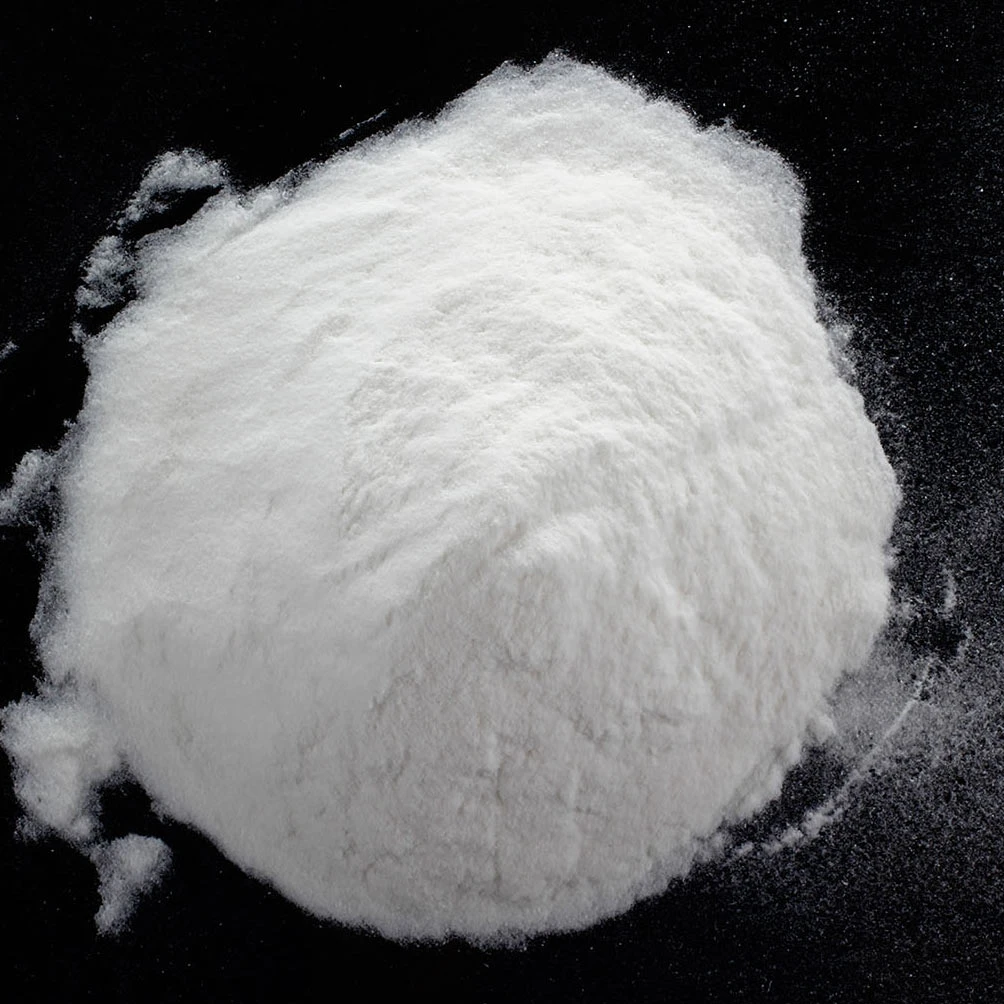
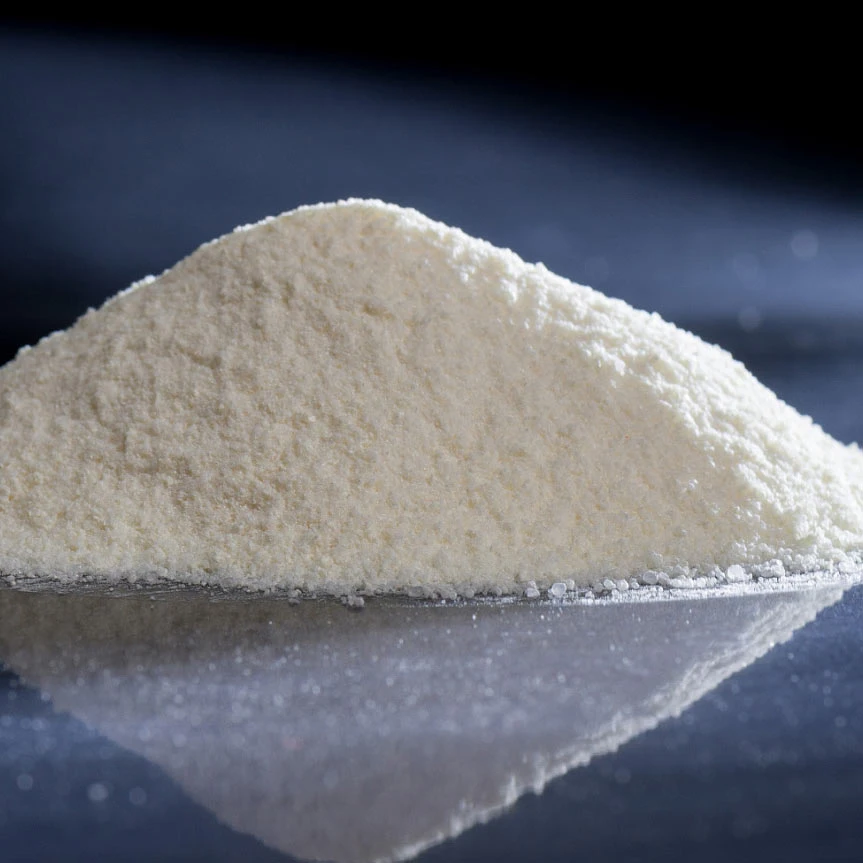
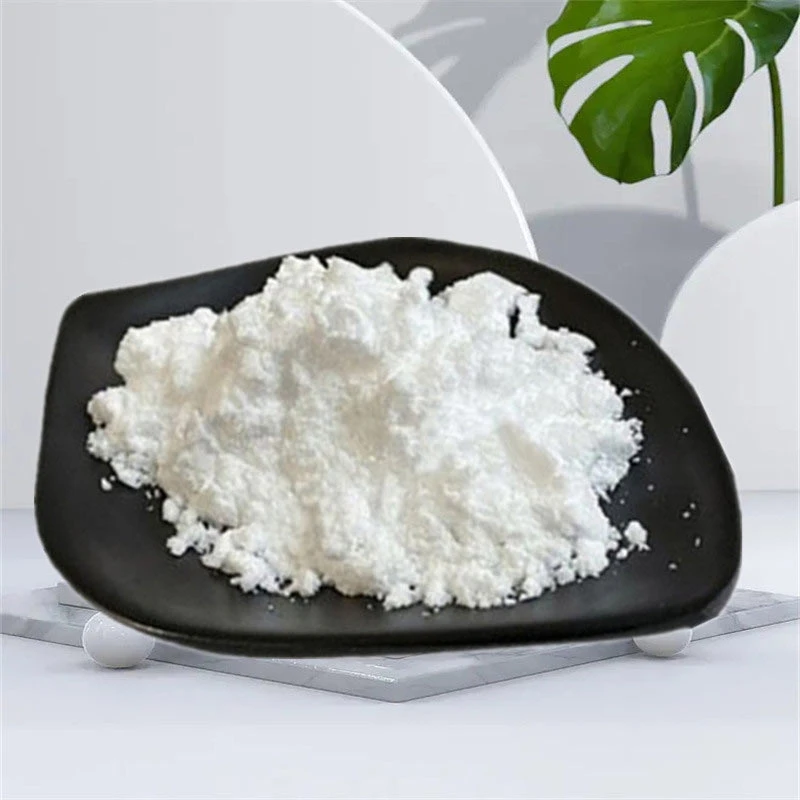
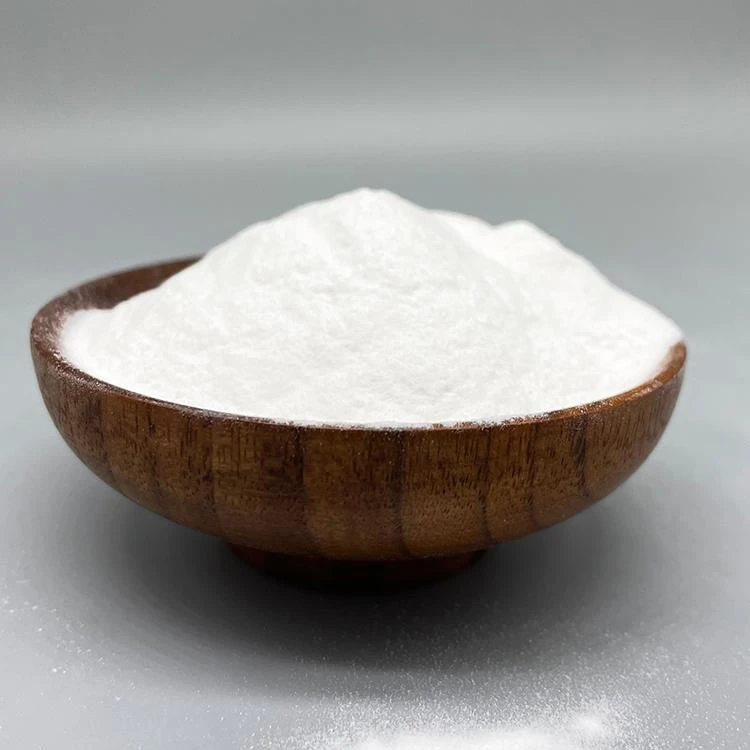
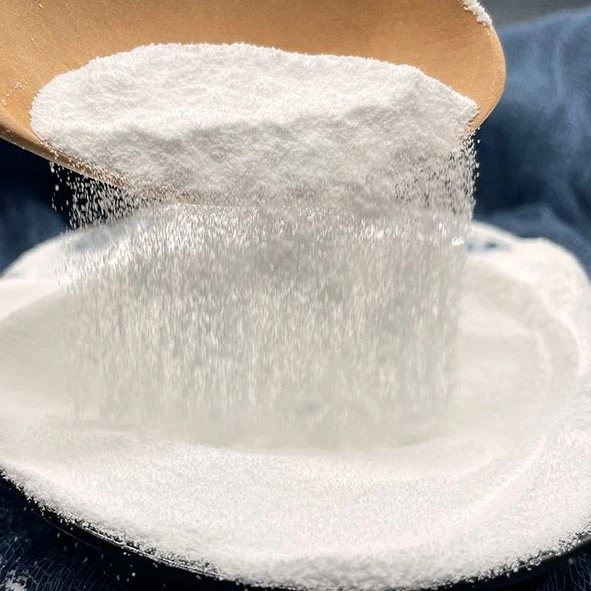
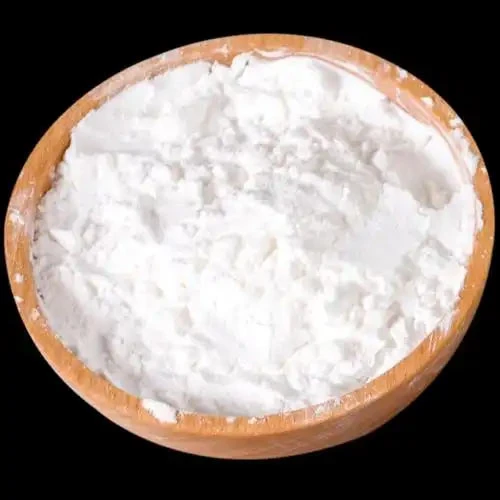
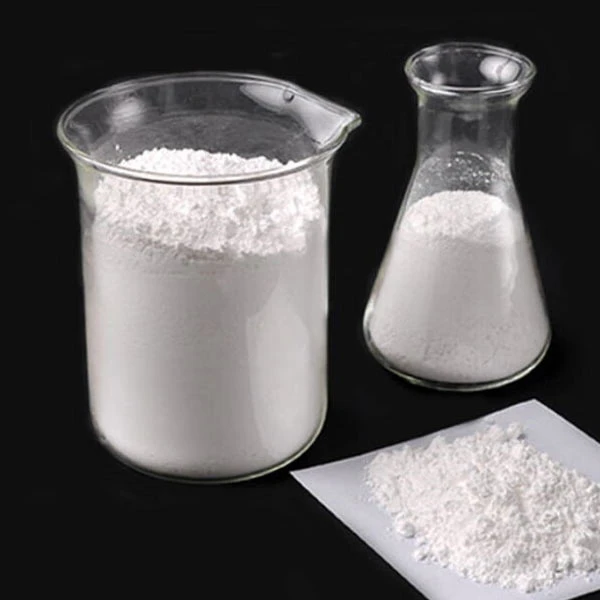
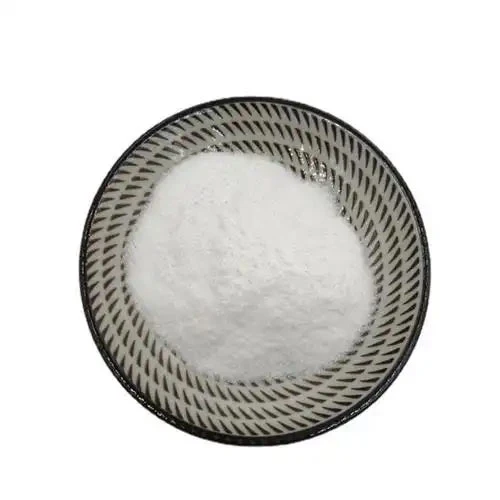
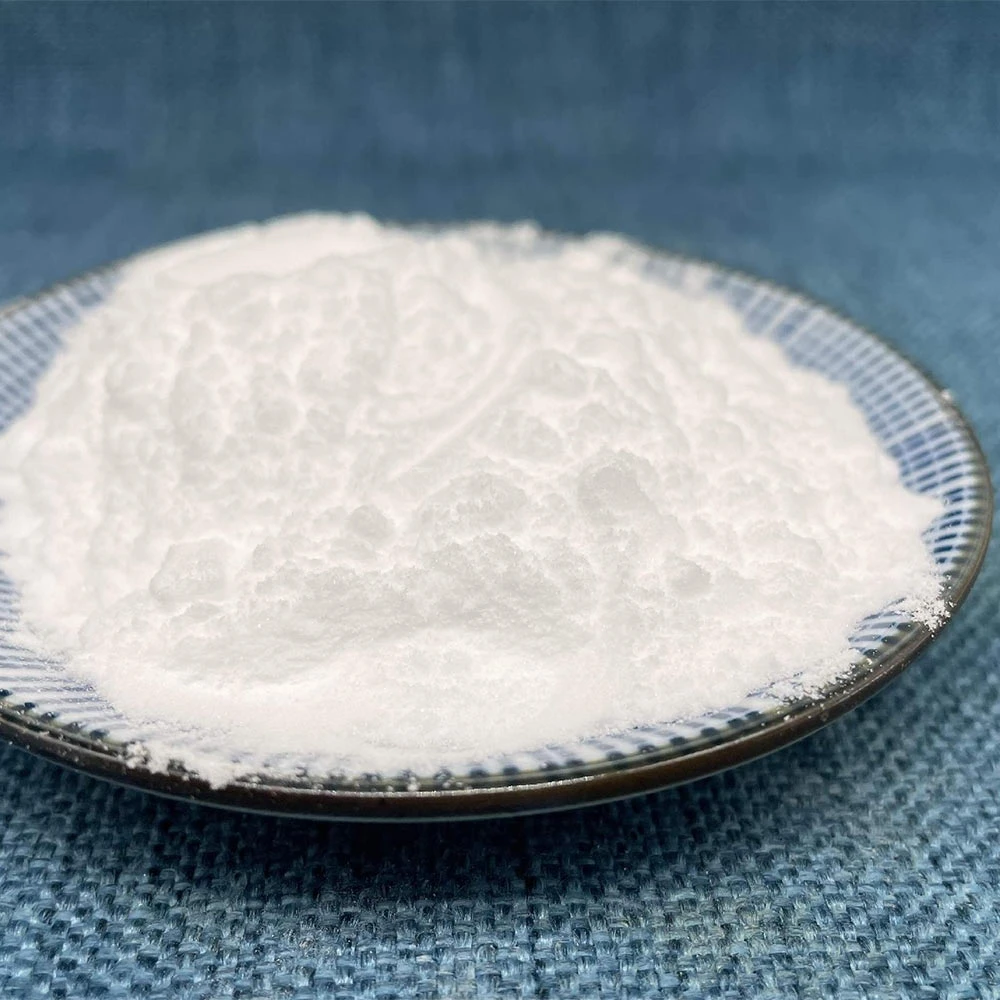
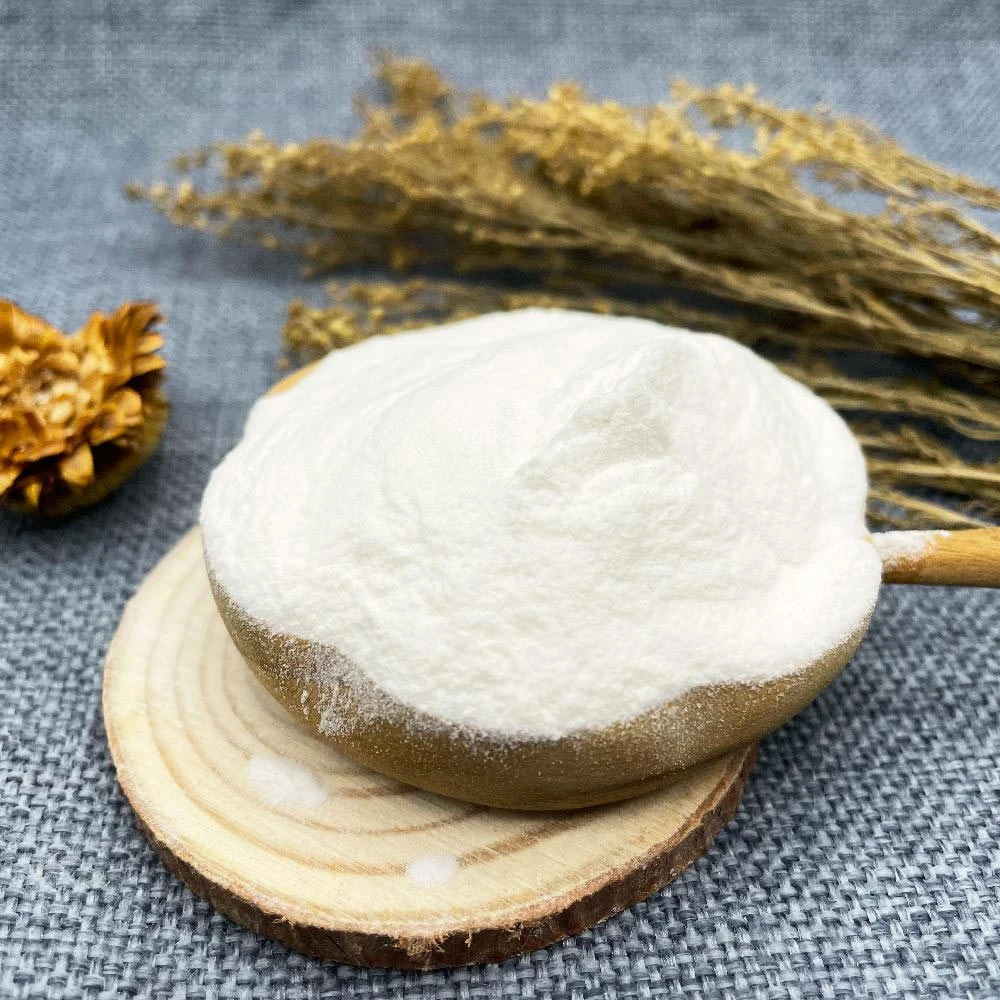
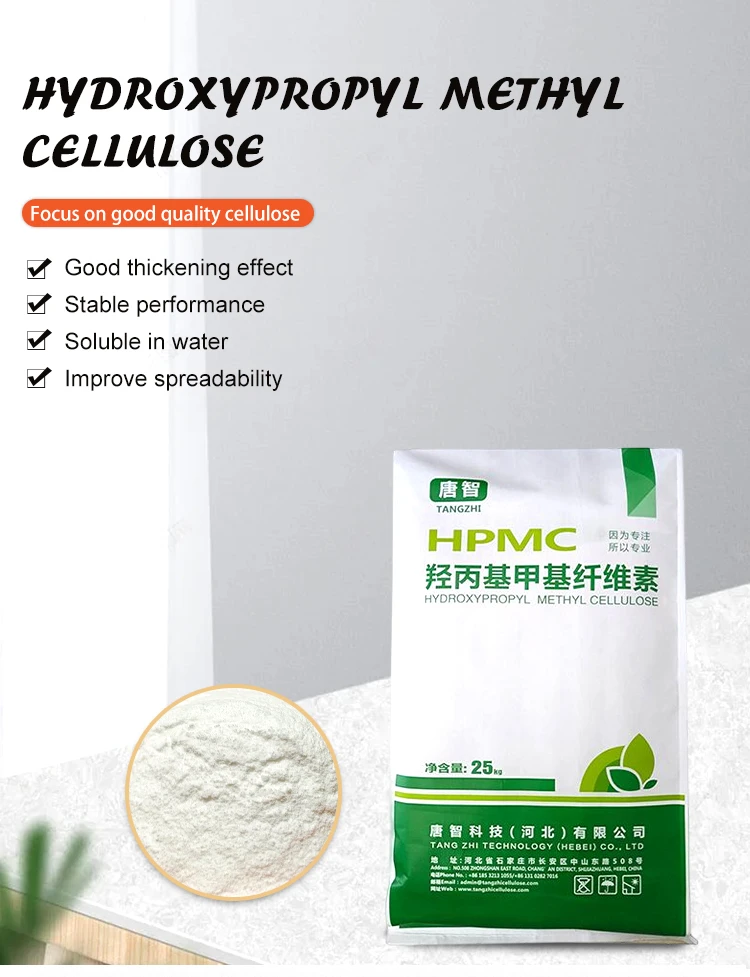
HPMC is a non-ionic, semi-synthetic polymer manufactured by chemically modifying cellulose. This modification introduces hydroxypropyl and methyl groups, which enhance its water solubility and alter its physical properties. The degree of substitution (DS) – the average number of substituent groups attached to each glucose unit – significantly influences the HPMC’s characteristics. Higher DS generally results in increased water solubility. HPMC is available in various viscosity grades, impacting its thickening ability. It's a white, odorless, and tasteless powder that is easily dispersed in water, forming clear, viscous solutions. HPMC Powder is prized for its biocompatibility and non-toxicity.
Key Properties of HPMC
HPMC possesses a unique combination of properties that make it so versatile. These include: Thickening: HPMC increases the viscosity of aqueous solutions, providing desired texture and consistency. Binding: It acts as a strong binder in tablets, granules, and other solid formulations. Film-forming: HPMC creates clear, flexible films, useful in coatings and controlled-release applications. Water Retention: It effectively retains water, preventing drying and cracking in construction materials and personal care products. Thermal Gelation: HPMC solutions exhibit thermal gelation, meaning they gel upon heating and revert to a liquid state upon cooling.
Key Highlights: HPMC is biocompatible, non-toxic, and available in a wide range of viscosity grades to suit diverse applications. Its thermal gelation properties make it unique for certain applications.
Hydroxypropyl Methylcellulose Grades & Viscosity
HPMC is categorized based on its viscosity, which is typically measured in milliPascal-seconds (mPa·s) at a specific concentration and temperature. Common viscosity grades range from 4,000 mPa·s to 100,000 mPa·s or higher. Lower viscosity grades are ideal for spray applications and thin coatings, while higher viscosity grades are used for thick gels and robust binders. The choice of grade depends heavily on the desired end-product characteristics. Furthermore, HPMC is often classified by its methoxyl and hydroxypropyl content, influencing solubility and gelation temperature.
HPMC Grade Selection Guide:
• Low Viscosity (4,000 - 10,000 mPa·s): Sprays, thin coatings, low-dosage formulations.
• Medium Viscosity (10,000 - 40,000 mPa·s): Tablets, suspensions, construction adhesives.
• High Viscosity (40,000 - 100,000+ mPa·s): Thick gels, robust binders, specialized coatings.
HPMC Applications Across Industries
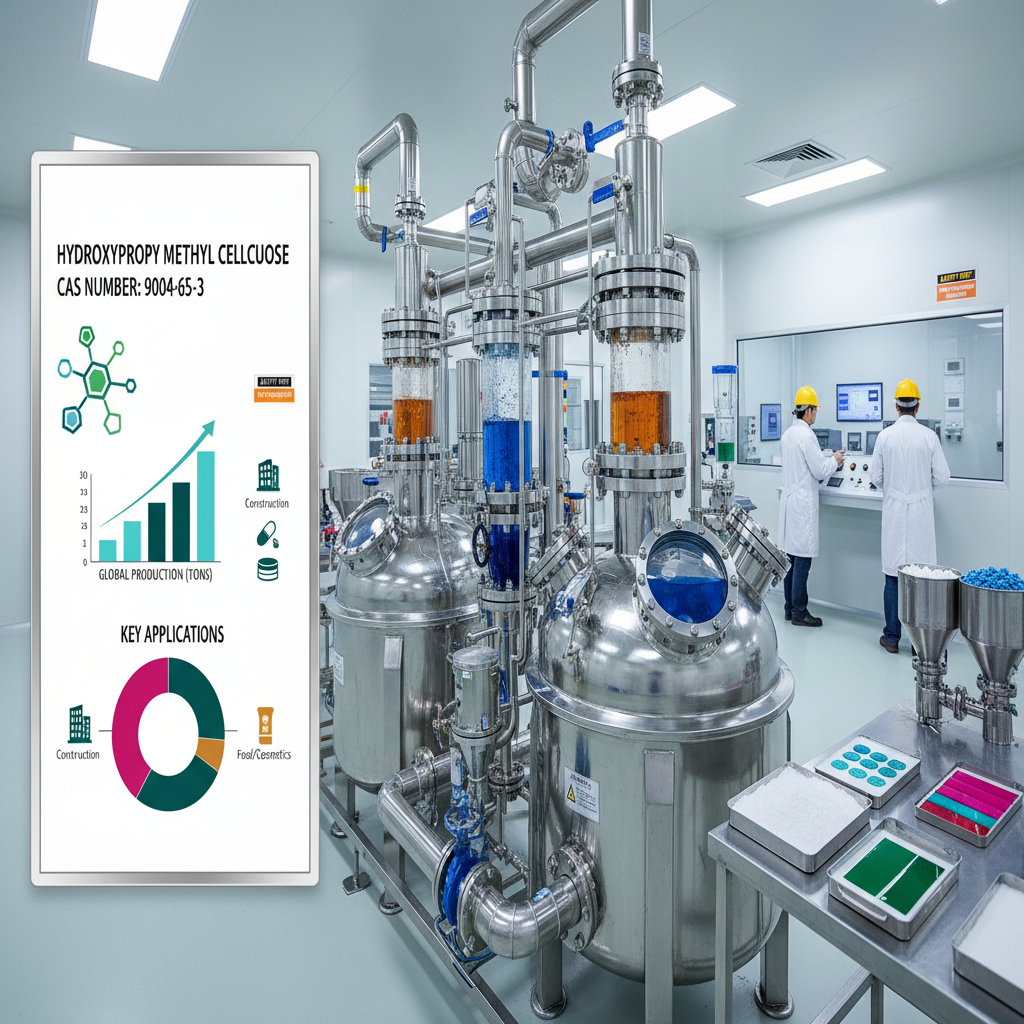
The applications of HPMC are remarkably diverse. In the Construction industry, it’s a key ingredient in tile adhesives, cement mortars, and self-leveling compounds, improving workability, water retention, and adhesion. The Pharmaceutical industry utilizes HPMC as a binder, film-coating agent, and controlled-release matrix in tablets and capsules. In the Food industry, it acts as a thickener, stabilizer, and emulsifier in sauces, dressings, and bakery products. Cosmetics and personal care products leverage HPMC for its thickening, film-forming, and moisturizing properties in lotions, creams, and shampoos. Explore our HPMC products for your industry’s specific needs.
Quality Control and Sourcing HPMC
Choosing a reliable supplier is essential to ensure the quality and consistency of your HPMC. Look for manufacturers with robust quality control systems, including testing for viscosity, moisture content, heavy metals, and microbial contamination. Certifications such as ISO 9001 demonstrate a commitment to quality management. HPMC Powder sourced from reputable suppliers guarantees optimal performance in your applications.
Conclusion: HPMC – A Cornerstone Polymer for Innovation
Hydroxypropyl methylcellulose (HPMC) remains a critical polymer across numerous industries due to its unique properties and versatility. From enhancing the performance of construction materials to enabling advanced pharmaceutical formulations, HPMC’s applications are constantly expanding. By understanding its grades, properties, and sourcing considerations, you can leverage its potential to drive innovation and optimize your products. Contact us today to discuss your HPMC requirements.
Frequently Asked Questions (FAQs)
What is the shelf life of HPMC powder?
When stored properly in a cool, dry place, away from direct sunlight and moisture, HPMC powder typically has a shelf life of 2-5 years. It's crucial to keep the packaging sealed when not in use to prevent moisture absorption, which can affect its viscosity and performance. While HPMC is generally stable, prolonged exposure to unfavorable conditions can lead to degradation. Always check the manufacturer's specifications for the recommended storage conditions and shelf life.
How do I disperse HPMC powder in water effectively?
Dispersing HPMC powder in water requires a specific technique to avoid clumping. It's best to slowly sprinkle the powder onto the surface of the water while continuously stirring vigorously. Using a high-shear mixer or a dispersing blade can significantly improve the process. Avoid adding the powder too quickly, as this will likely lead to agglomeration. Pre-wetting the powder with a small amount of glycerol or propylene glycol can also aid in dispersion. Allow sufficient time for complete hydration to achieve a clear, homogeneous solution.
Is HPMC suitable for vegan and vegetarian applications?
Yes, HPMC is derived from cellulose, which is obtained from plant sources, making it entirely suitable for vegan and vegetarian applications. It doesn't involve any animal-derived ingredients or processes. This makes it a popular choice in the food, pharmaceutical, and cosmetic industries for formulating products that cater to these dietary preferences. We offer HPMC grades specifically designed for food and pharmaceutical applications.
What safety precautions should I take when handling HPMC powder?
HPMC is generally considered safe, but it's always advisable to take basic safety precautions when handling any powdered substance. Avoid creating dust, as inhalation can cause respiratory irritation. Use a dust mask or respirator if necessary. Wear safety glasses to prevent eye contact. In case of skin contact, wash thoroughly with soap and water. Refer to the Material Safety Data Sheet (MSDS) for detailed safety information and handling guidelines.
-
Industrial Guide to Cellosize Hydroxyethyl Cellulose ApplicationsNewsApr.16,2026
-
Industrial Applications and Benefits of nanofibrillar celluloseNewsApr.09,2026
-
Exploring Cellulose Based Packaging A Sustainable Choice for BusinessesNewsApr.04,2026
-
Comprehensive Guide to MHEC Chemical Properties and Industrial ApplicationsNewsMar.31,2026
-
Exploring Cellulose Packaging for Food A Sustainable and Renewable SolutionNewsMar.28,2026