Hebei Tangzhi Technology Co., Ltd.


Are your construction or coating formulations failing under fluctuating climate conditions? Formulators often face critical challenges when summer heat spikes, leading to sudden viscosity breakdown, poor workability, and compromised structural integrity in tile adhesives or paints. The technical debate around HEC vs HPMC (Viscosity & Temperature Stability) is one of the most pressing decisions a product engineer must make to prevent these seasonal failures.
Recognizing this persistent industry bottleneck, Hebei Tangzhi Technology Co., Ltd. stepped into the market in 2010 to redefine rheology modifiers. Rather than offering one-size-fits-all products, we provide tailor-made solutions specifically engineered to address thermal degradation. Armed with over 12 years of specialized industry experience and a robust daily production capacity exceeding 110 tons, our Quality System Management certified facilities ensure reliable batch-to-batch consistency. Whether you require the non-gelling, high-temperature resilience of Hydroxyethyl Cellulose (HEC) for premium coatings or the precise thermal gelation control of Hydroxypropyl Methylcellulose (HPMC) for mortars, our global supply chain—currently serving over 30 countries—is positioned to solve your most complex stabilization challenges.
Achieving structural perfection in end-use applications requires moving beyond generic specifications. A deep technical understanding of HEC vs HPMC (Viscosity & Temperature Stability) ensures that your products maintain their intended rheological profile from the mixing phase to final application, regardless of ambient conditions. At our state-of-the-art production floors, every kilogram of cellulose ether is rigorously tested against extreme thermal environments to guarantee peak performance.
Below is a breakdown of how our stringent manufacturing metrics translate into tangible advantages for your construction and coating systems:
| Performance Metric | Industry Significance | Our Engineering Standard | Advantage |
|---|---|---|---|
| High-Temperature Viscosity Retention | Crucial for maintaining workability in summer applications. | Tailored formulations retaining >90% target viscosity under heat stress. | Eliminates the need for costly seasonal formulation adjustments. |
| Thermal Gelation Point Control | Prevents sudden rheology collapse in cementitious systems. | Custom gel points for HPMC; engineered non-gelling profiles for HEC. | Provides predictable open time and slip resistance across diverse climate zones. |
| Hydration & Dissolution Rate | Directly impacts manufacturing speed and energy consumption. | Optimized surface treatments for rapid, lump-free hydration. | Reduces mixing time and operational energy costs significantly. |
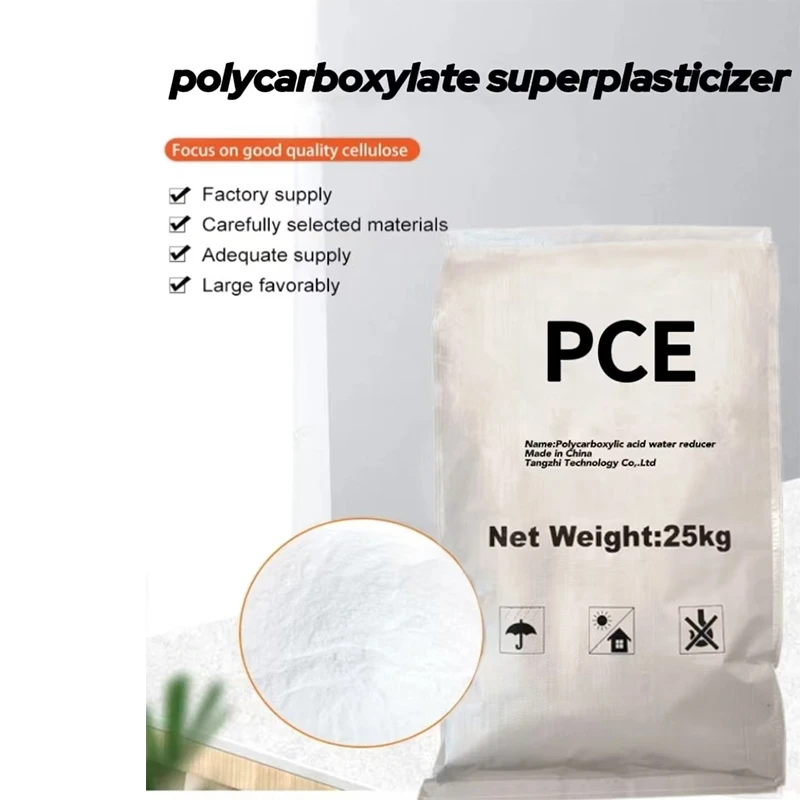
| Multi-Additive Compatibility | Ensures stable shelf-life and synergistic performance. | High purity standardization validated alongside PCE and RDP-VAE. | Seamless integration into complex, high-performance formulations. |
Strategic procurement is no longer just about driving down the per-kilogram cost of raw materials; it is about holistic formulation efficiency and minimizing costly on-site failures. By mastering the nuanced differences in HEC vs HPMC (Viscosity & Temperature Stability), manufacturers can confidently optimize dosage rates without ever sacrificing application quality. When your thickener behaves predictably under thermal stress, you drastically reduce rework, material waste, and customer complaints.
Leveraging our extensive daily capacity and the dedicated expertise of our Foreign Trade division—which actively partners with clients from Indonesia to Pakistan—we empower your business to achieve unmatched economies of scale. Investing in precisely engineered cellulose additives safeguards your end-product’s shelf life and significantly boosts overall profitability. The chart below illustrates the viscosity retention advantage of our tailored cellulose solutions compared to generic market alternatives when subjected to increasing temperatures.
Related products
Top Selling Products