Hebei Tangzhi Technology Co., Ltd.


Formulators in the construction, coatings, and food industries frequently face a critical crossroads when selecting rheology modifiers and thickeners. A core question inevitably arises: how are starch and cellulose different in their composition, and how does this chemical distinction dictate product performance? While both are naturally occurring complex carbohydrates composed entirely of D-glucose units, their molecular linkages drive entirely distinct physical behaviors. Starch features alpha-1,4 glycosidic linkages, creating a flexible, helical structure that is highly soluble and excellent for rapid thickening and slip resistance. Conversely, cellulose relies on rigid beta-1,4 linkages, forming straight chains that pack tightly together. This provides unmatched structural integrity, superior water retention, and high tensile strength.
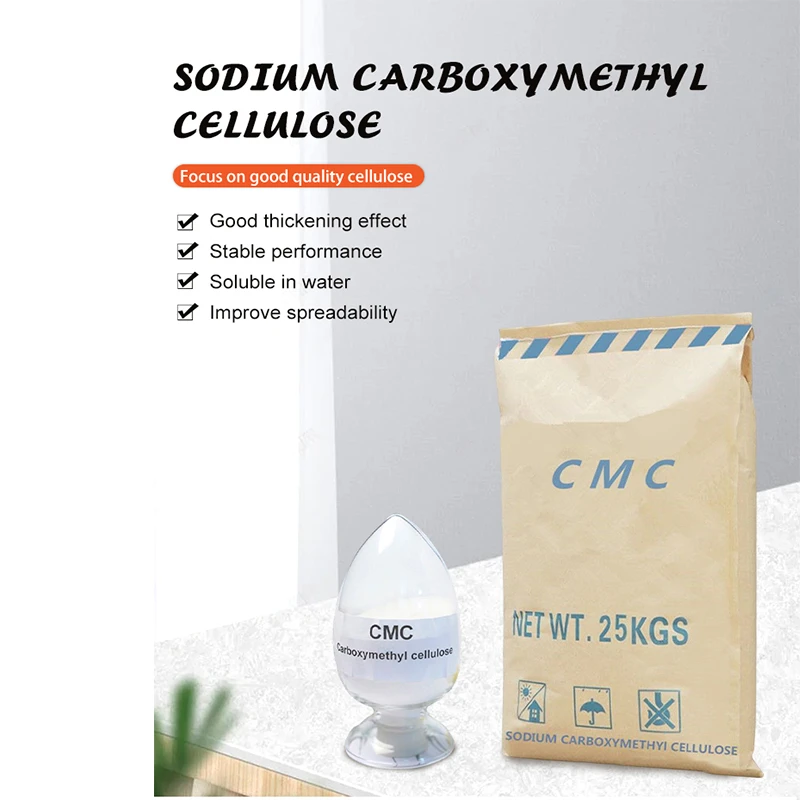
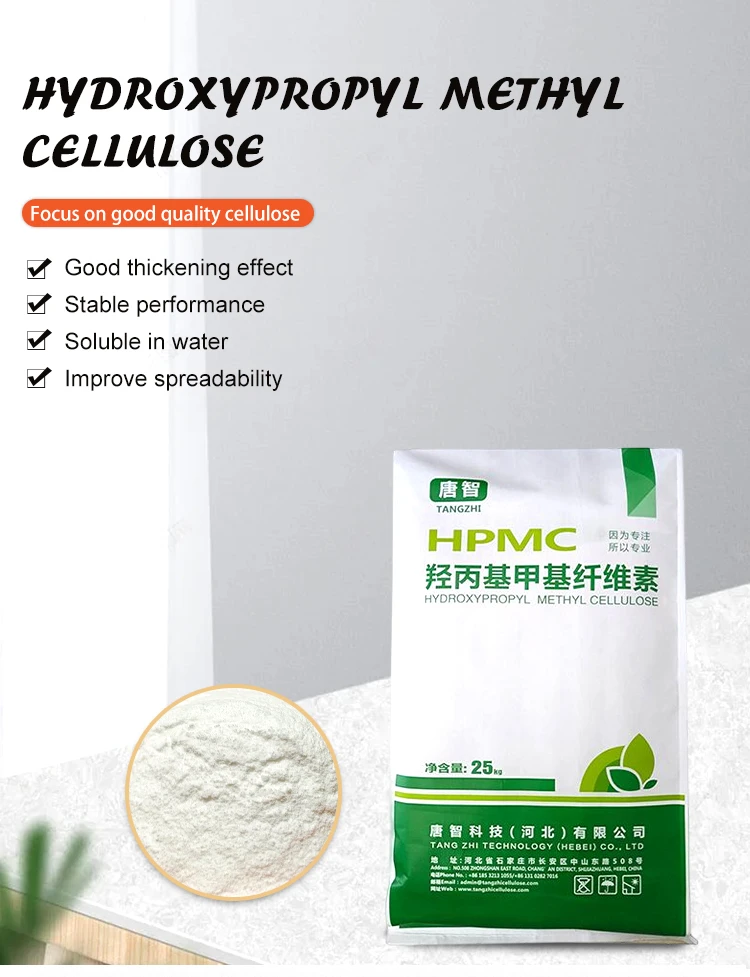
Grasping this molecular nuance is only the first step. Translating complex carbohydrate chemistry into stable, high-yield commercial formulations requires an experienced manufacturing partner. Established in 2010, Hebei Tangzhi Technology Co., Ltd. bridges this technical gap by providing tailor-made solutions for the modern industrial landscape. With over 12 years of deep industry expertise and a daily production capacity exceeding 110 tons, our facilities expertly synthesize both advanced cellulose ethers—such as HPMC, HEC, and CMC—and specialized starch derivatives like HPS. We empower global manufacturers to select the precise chemical backbone needed to overcome their specific application challenges.
The compositional divergence between these two polysaccharides fundamentally shifts how they are engineered for industrial use. Because cellulose forms highly organized crystalline structures, our specialized HPMC and MHEC product lines deliver exceptional anti-sagging properties, extended open times, and robust water retention essential for tile adhesives, wall putties, and mortar. Alternatively, the branched molecular architecture of starch allows our Hydroxypropyl Starch (HPS) products to act as exceptional synergists. When you understand the engineering behind how are starch and cellulose different in their composition, it becomes clear why pairing our HPS with our cellulose ethers yields peak workability and application smoothness.
| Performance Metric | Industry Significance | Our Engineering Standard | Advantage |
|---|---|---|---|
| Polymer Linkage Mechanics (Alpha vs. Beta) | Determines solubility rates and structural strength of the dry mix. | Rigorous Quality System Management Certificate governing the synthesis of both HPS and HPMC/HEC polymers. | Tailor-made solutions matching exact application needs, preventing phase separation. |
| Volume Consistency & Capacity | Ensures uniform viscosity and rheology across massive product batches. | Advanced multi-factory infrastructure with a guaranteed daily production capacity of over 110 tons. | Zero supply chain disruption and reliable bulk quality for large-scale construction projects. |
| Synergistic Rheological Modification | Crucial for balancing mortar workability with tile adhesive bonding strength. | Custom-formulated blends leveraging the unique properties of CMC, RDP-VAE, and PVA alongside primary thickeners. | Enhanced formulation stability, smoother application, and prolonged end-product lifespan. |
Strategic procurement and long-term financial gains rely heavily on technical clarity. By fully leveraging the science regarding how are starch and cellulose different in their composition, manufacturers can masterfully optimize their additive ratios. Utilizing our high-grade cellulose ethers for critical water retention, while strategically balancing them with our cost-effective starch ethers for enhanced slip resistance, ensures that raw material costs are minimized without sacrificing premium quality. This value engineering approach directly elevates your bottom line, reducing waste and improving the efficiency of every batch.
Operating out of our central headquarters in Shijiazhuang, China, and exporting high-performance additives to over 30 countries globally, our market authority is built on continuous innovation and development. Our dynamic global footprint—highlighted by our dedicated Ministry of Foreign Trade and our active participation in premier international exhibitions across Pakistan and Indonesia—guarantees that our partners receive world-class insights alongside premium products. Below is a visual representation of how selecting the right molecular additive impacts overall formulation efficiency and profitability.
Related products
Top Selling Products