Hebei Tangzhi Technology Co., Ltd.


For chemical formulators and production managers, choosing the exact right cellulose ether can be the difference between a flawless end-product and a costly batch failure. The debate between using HPMC vs HEC (Hydroxyethyl Cellulose) is a daily challenge across the construction, coatings, and personal care industries. You need precise water retention, optimal rheology, and undeniable stability, but balancing these requirements without inflating your raw material costs is complex.
Understanding that no two formulations are identical, Hebei Tangzhi Technology Co., Ltd. bridges this gap through rigorous innovation. Rather than forcing a one-size-fits-all additive, we analyze your specific operational challenges to recommend the optimal polymer.
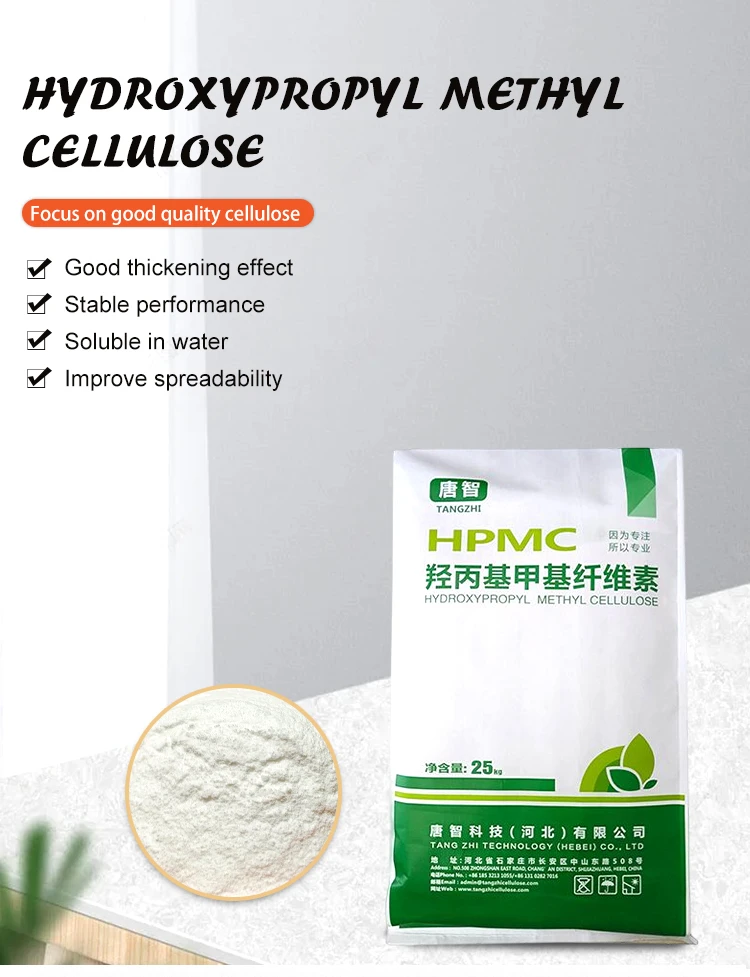
Backed by over 12 years of specialized industry experience and a robust daily production capacity exceeding 110 tons, our Quality System Certified facilities produce both variants to exacting specifications. Whether your priority is the superior anti-sagging properties of Hydroxypropyl Methylcellulose for tile adhesives, or the unmatched bio-stability of Hydroxyethyl Cellulose for premium water-based paints, our tailor-made solutions ensure your product performs flawlessly in over 30 international markets.
Making an informed decision requires looking beyond basic product datasheets and examining how these cellulose ethers interact at a molecular level within your specific matrix. The technical comparison of HPMC vs HEC (Hydroxyethyl Cellulose) comes down to structural substitutions that dictate thickening efficiency, enzyme resistance, and surface tension.
To demystify these interactions, we have benchmarked our premium cellulose ethers against critical industry requirements. Below is the performance standard matrix guaranteed by our continuous innovation protocols:
| Performance Metric | Industry Significance | Our Engineering Standard | Formulation Advantage |
|---|---|---|---|
| Water Retention | Prevents premature drying and cracking in cementitious materials. | Optimized HPMC grades engineered for high water-binding capacity. | Maximizes open time and workability in dry-mix mortars and putty. |
| Enzyme Resistance | Prevents viscosity loss and spoilage in stored liquid products. | High-purity HEC manufactured for superior bio-stability. | Extends shelf-life for water-based coatings, cosmetics, and liquid detergents. |
| Rheology & Anti-Sagging | Ensures even application and prevents dripping on vertical surfaces. | Tailor-made structural modification for both HPMC and HEC. | Delivers precision pseudoplasticity for smooth brushing or troweling. |
| Salt Tolerance | Maintains formulation stability in environments with high electrolyte concentrations. | Advanced HEC formulation with exceptional non-ionic compatibility. | Prevents phase separation in complex chemical environments. |
Strategic formulation is fundamentally an economic driver. Misaligning your cellulose ether choice not only compromises product integrity but also leads to increased dosage requirements, extended processing times, and potential product recalls. By accurately leveraging the specific strengths of HPMC vs HEC (Hydroxyethyl Cellulose), manufacturers can significantly reduce their total cost of ownership.
Partnering with a globally integrated supplier transforms raw material procurement into a distinct competitive advantage. With an active Ministry of Foreign Trade and a proven footprint spanning across Indonesia, Pakistan, and 30+ other nations, we guarantee supply chain resilience. This ensures that whether you are scaling up production for a high-demand construction season or innovating a new cosmetic line, your production remains uninterrupted and financially optimized.
Related products
Top Selling Products