Hebei Tangzhi Technology Co., Ltd.


Product developers and chemical formulators often face frustrating hurdles when trying to achieve the perfect consistency, water retention, and adhesion in their mixtures. At the root of solving these challenges is a fundamental understanding of your raw materials. A question that frequently arises during the R&D phase is: Is Cellulose a Monomer or Polymer? The answer is critical. Cellulose is a complex, long-chain natural polymer made up of repeating glucose monomer units. When you understand this polymeric structure, you can unlock the true potential of your formulations.
However, knowing the chemistry isn't enough; you need a stable, high-quality supply of cellulose derivatives that leverage this exact polymeric strength. That is where Hebei Tangzhi Technology Co., Ltd. steps in to bridge the gap between chemical theory and industrial application. Founded in 2010, we transform naturally occurring cellulose polymers into highly advanced, tailor-made additives like HPMC, MHEC, HEC, and CMC. Backed by over 12 years of deep industry experience, a rigorous Quality System Management Certificate, and a massive daily production capacity exceeding 110 tons, we eliminate the guesswork from your supply chain. Whether you are formulating tile adhesives or cosmetics, our precision-engineered polymers provide the reliable, problem-solving foundation your products require.
From a technical standpoint, defining the structural integrity of your additives dictates end-product performance. Because cellulose is a robust polymer, etherifying it requires exact thermodynamic control and purification. By answering the question—Is Cellulose a Monomer or Polymer?—we educate our clients on why molecular weight, degree of substitution, and polymer chain length matter. Our manufacturing facilities are engineered specifically to process these high-molecular-weight polymers without degrading their foundational structure, ensuring maximum efficacy in construction mortars, coatings, and specialized applications.
Below is an overview of how our deep understanding of polymer science translates into tangible, strict engineering standards that benchmark us against the rest of the industry.
| Performance Metric | Industry Significance | Our Engineering Standard | Advantage |
|---|---|---|---|
| Polymer Chain Integrity (Viscosity) | Determines water retention and slip resistance in construction mixtures. | Advanced Quality System Management protocols for precise etherification. | Superior workability and open time for tile adhesives and wall putty. |
| Daily Output Consistency | Guarantees uninterrupted supply chains for global scale manufacturing. | Over 110 tons daily production capacity across modern factory floors. | Rapid fulfillment and scalable solutions for enterprise-level buyers. |
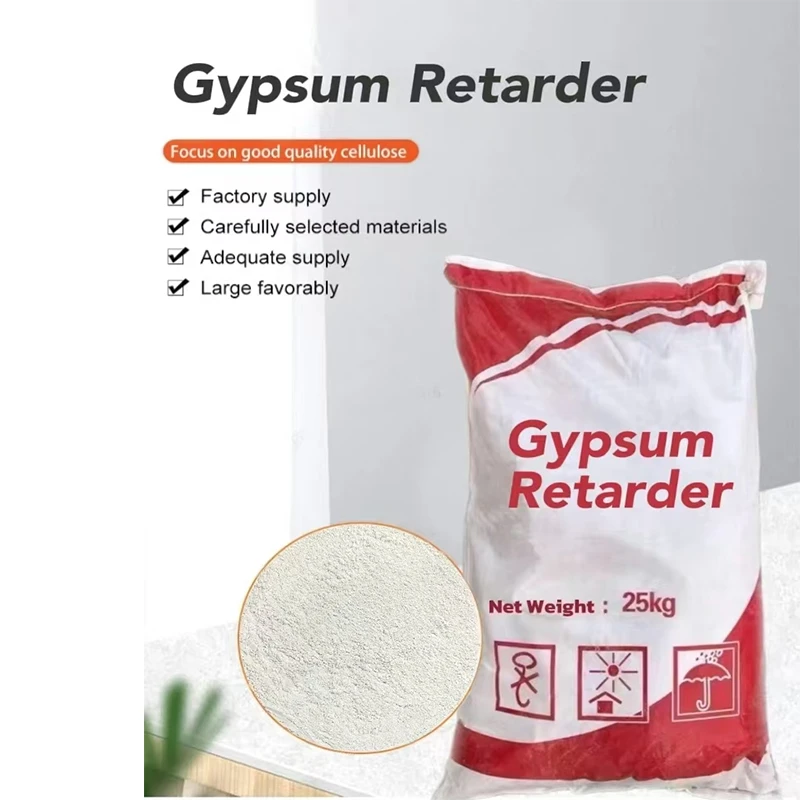
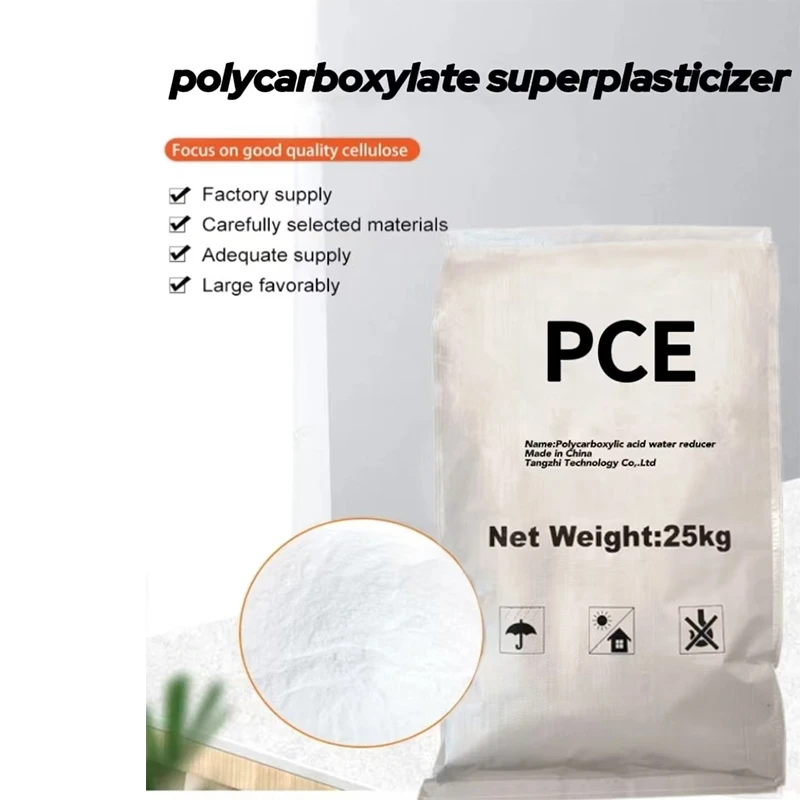
| Application Versatility | Allows formulation across diverse sectors like food, cosmetics, and construction. | Tailor-made R&D producing specialized grades (HPMC, RDP-VAE, PCE, Gypsum Retarder). | Customized product matching that outperforms generic off-the-shelf additives. |
| Global Compliance & Export | Ensures materials meet international regulatory and quality frameworks. | Dedicated Ministry of Foreign Trade (est. 2022); Exporting to 30+ countries. | Seamless international integration, backed by global exhibition authority. |
Strategic purchasing is no longer just about finding the lowest cost per kilogram; it is about long-term value engineering. When visionary leaders evaluate raw materials, they ask: Is Cellulose a Monomer or Polymer? because they know that high-quality polymeric additives drastically reduce the required dosage while improving overall yield. Partnering with a proven innovator like Hebei Tangzhi Technology Co., Ltd. directly translates market authority into quantifiable financial gain.
By leveraging our continuous innovation—demonstrated by our expansion into 30+ countries and active presence in global markets like Pakistan and Indonesia—you safeguard your formulations against market volatility. Our tailored solutions mean you use less material to achieve superior strength and retention, minimizing waste and maximizing your return on investment (ROI). Below is a projection demonstrating the compounding value of integrating our optimized polymer solutions over standard market alternatives.
Related products
Top Selling Products