Comprehensive Guide to Cellulose Acetate Propionate Properties and Applications
Cellulose Acetate Propionate: A Comprehensive Guide
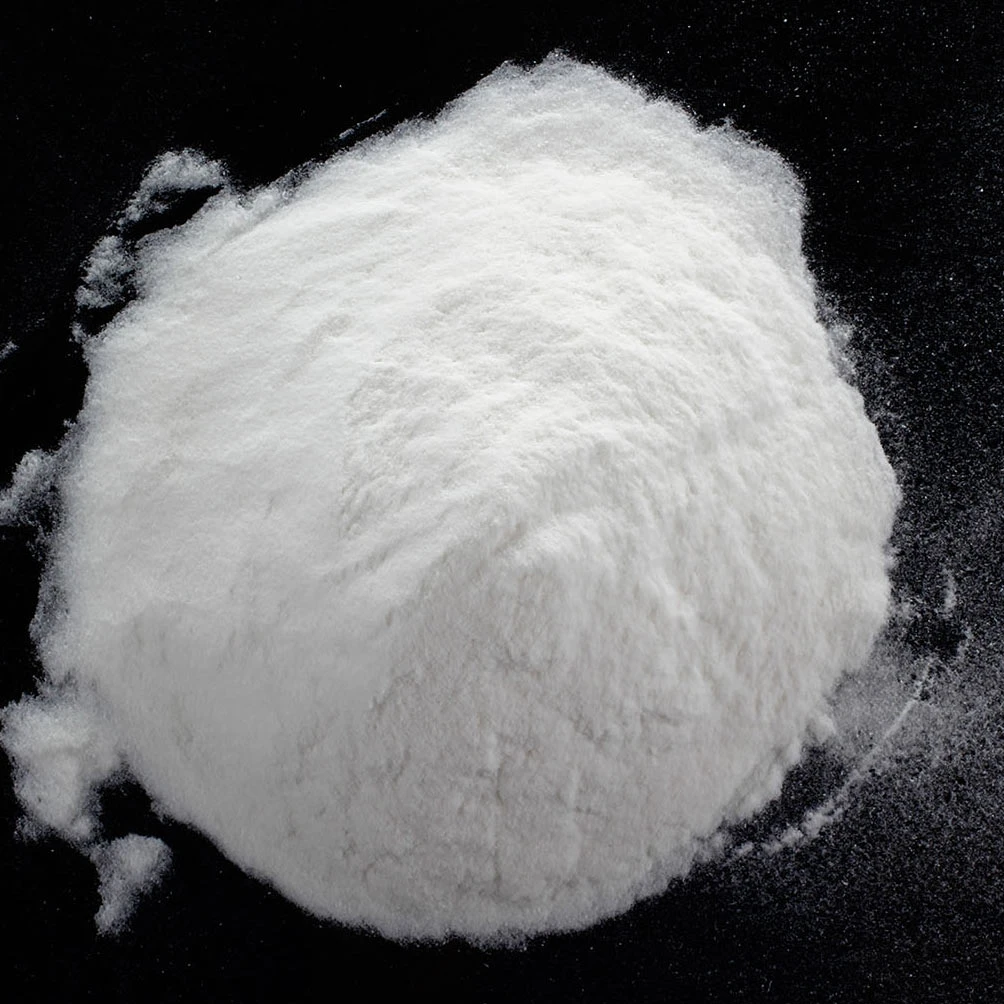
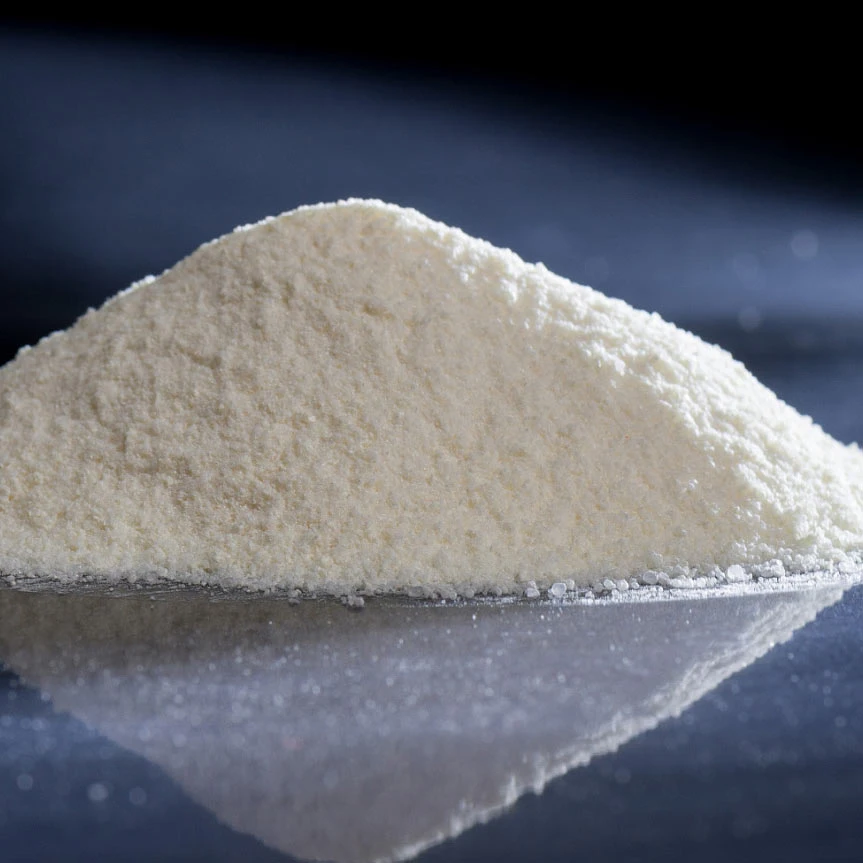
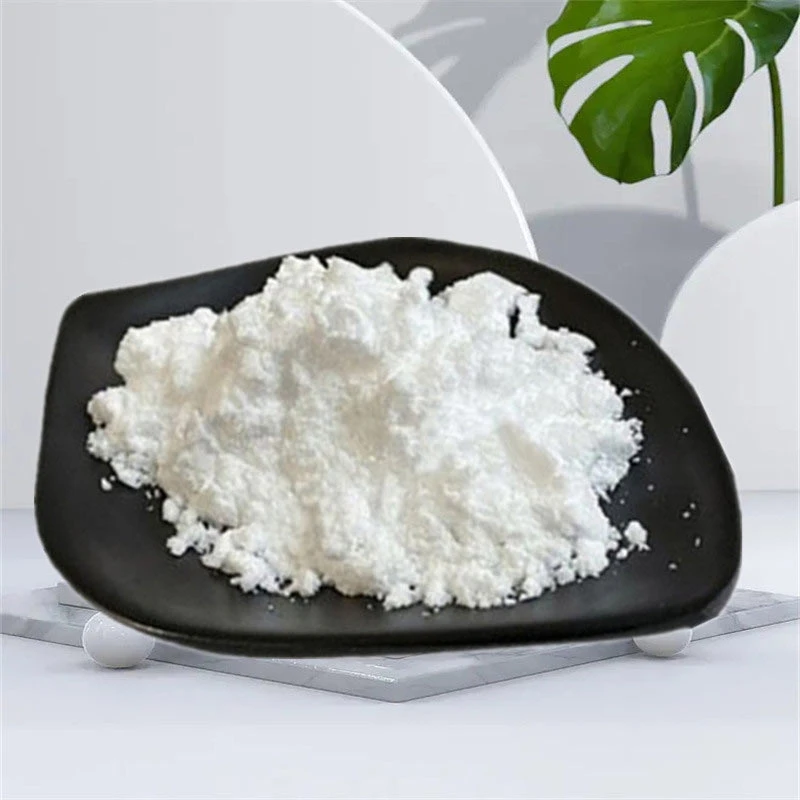
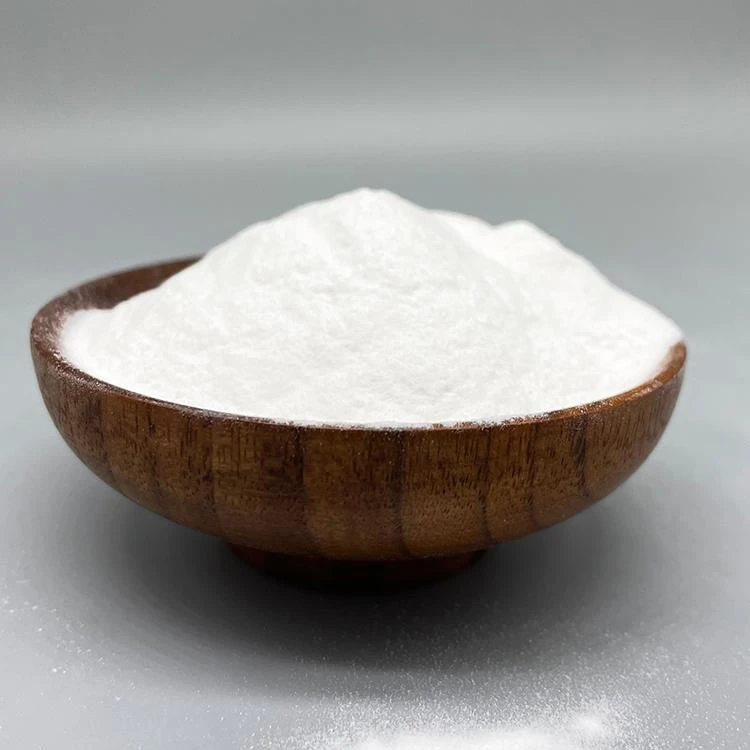
Cellulose Acetate Propionate (CAP) is a thermoplastic polymer prized for its exceptional clarity, durability, and versatility. It's a modified cellulose ester, offering a unique balance of properties that make it ideal for a wide range of applications, from eyewear frames and medical devices to coatings and packaging. At HPMC Powder, we specialize in high-quality CAP resins tailored to meet diverse industrial needs. Understanding the characteristics and applications of CAP is crucial for manufacturers seeking a premium material solution.
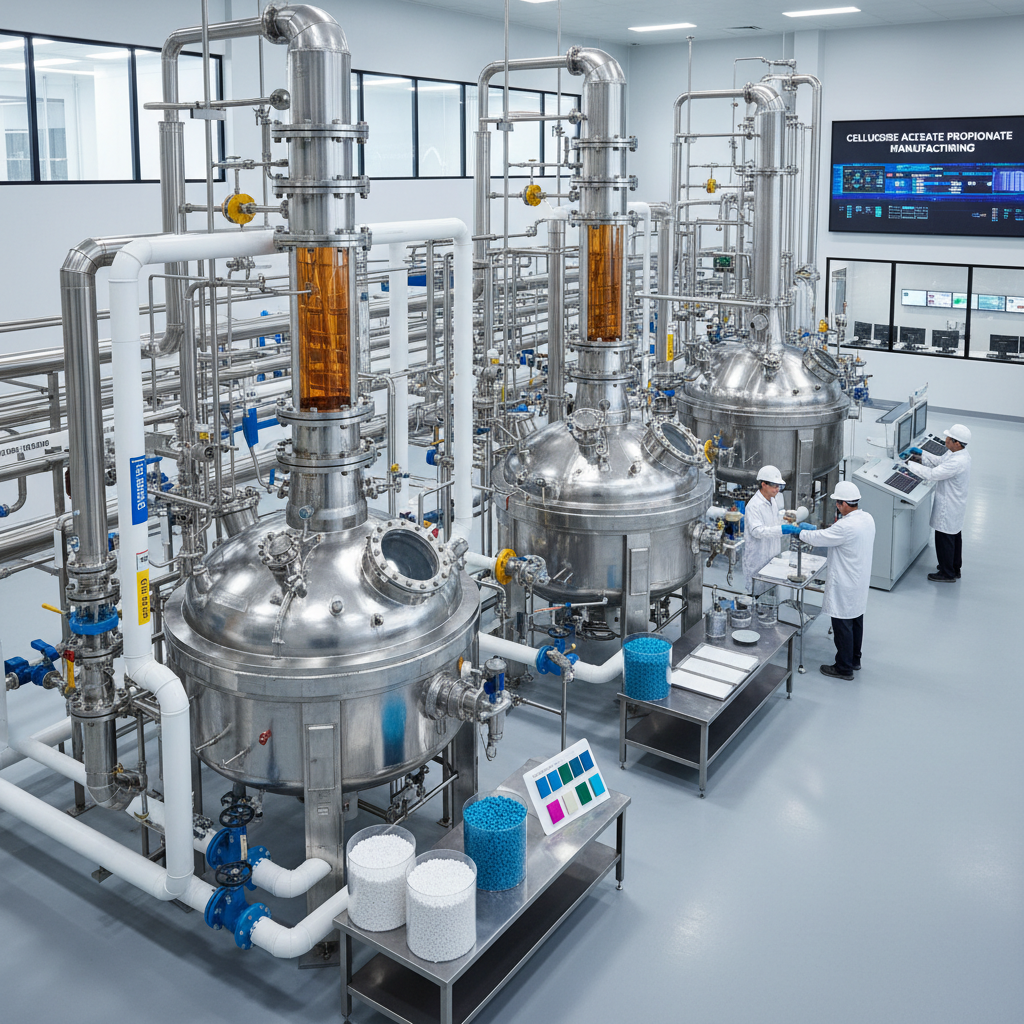
What is Cellulose Acetate Propionate?
CAP is created through the esterification of cellulose with acetic and propionic acids. This process yields a polymer with improved properties compared to traditional cellulose acetate. Notably, CAP offers higher heat resistance, greater dimensional stability, and enhanced impact strength. Its inherent transparency allows for the creation of visually appealing products, while its excellent processing characteristics facilitate efficient manufacturing. The proportion of acetic and propionic acid influences the final properties, allowing for customization to specific requirements. This makes CAP from HPMC Powder a versatile choice for various industries.
Key Highlights: CAP provides higher heat resistance, dimensional stability and impact strength compared to other cellulose esters. It is also highly transparent, making it suitable for optical applications.
Key Properties of Cellulose Acetate Propionate
Understanding the core properties of CAP is vital for selecting the right material for a given application. CAP stands out due to its excellent clarity, maintaining high light transmission. It boasts good chemical resistance, effectively resisting degradation from many common solvents and chemicals. Crucially, CAP exhibits a higher glass transition temperature (Tg) than cellulose acetate, providing enhanced heat resistance. Finally, it’s relatively easy to process using standard thermoplastic processing techniques like injection molding and extrusion. These properties combine to make HPMC Powder’s cellulose acetate propionate ideal for demanding applications.
Key Property Benefits:
• Exceptional Clarity: Allows for the production of transparent products.
• Chemical Resistance: Ensures durability in challenging environments.
• High Heat Resistance: Maintains structural integrity at elevated temperatures.
• Easy Processing: Facilitates efficient manufacturing processes.
Cellulose Acetate Propionate Applications
The unique properties of CAP make it a valuable material in numerous industries. In the eyewear sector, it's widely used for crafting high-quality frames due to its clarity, durability, and ability to be molded into intricate designs. Medical device manufacturers leverage CAP's biocompatibility and sterilizability for applications like inhalers and dialysis membranes. Additionally, CAP finds use in coatings, providing a protective and aesthetically pleasing finish to various surfaces. It is also implemented in specialty packaging due to its barrier properties and clarity. HPMC Powder caters to these diverse needs with tailored CAP solutions.
Cellulose Acetate Propionate vs. Cellulose Acetate: A Comparison
While both CAP and cellulose acetate are cellulose esters, key differences define their applications. CAP boasts a higher Tg, providing superior heat resistance. It also exhibits greater dimensional stability, meaning it maintains its shape better under varying temperatures and humidity. Furthermore, CAP generally demonstrates improved impact strength. Cellulose acetate, on the other hand, is often more cost-effective. Selecting between the two depends heavily on the specific performance requirements of the application. HPMC Powder offers both materials, allowing customers to choose the best fit for their needs.
Product Specifications and Grades of CAP
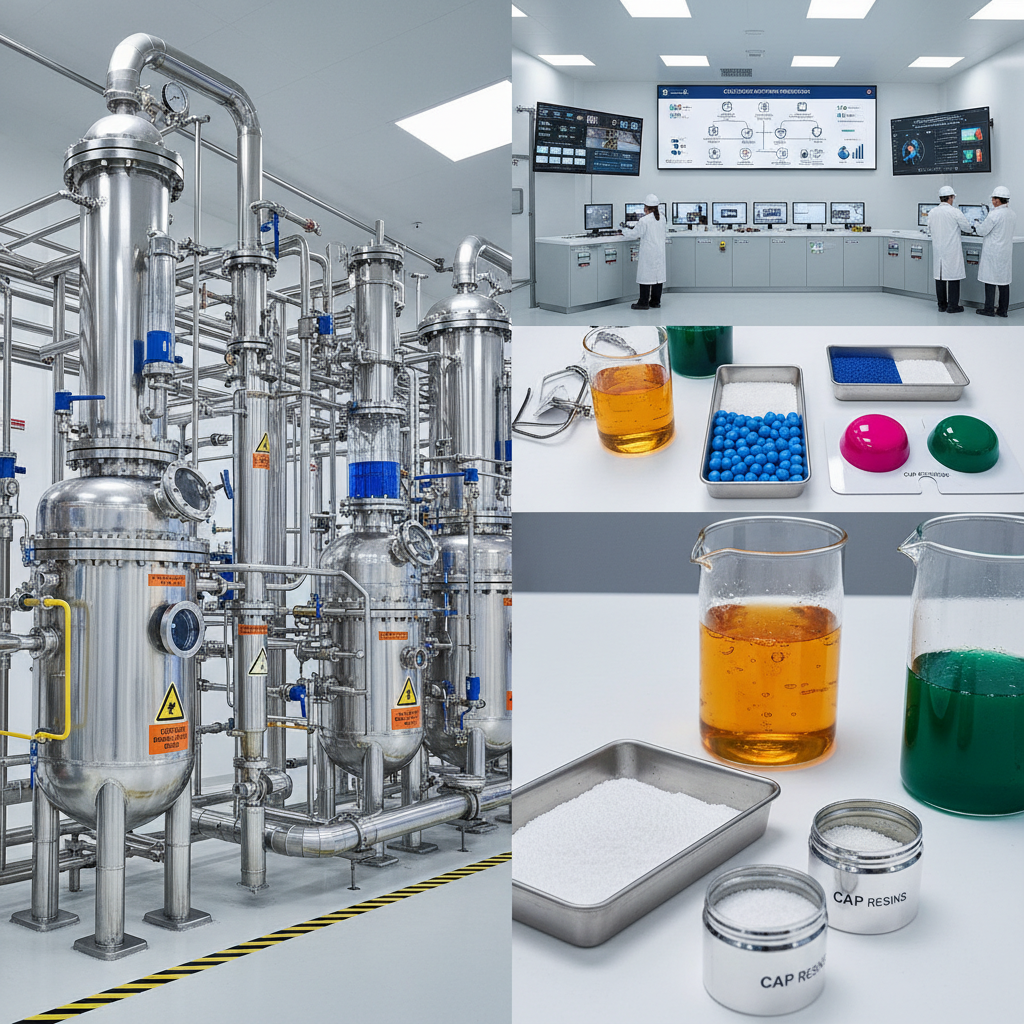
At HPMC Powder, we offer a range of CAP grades to meet specific customer requirements. These grades vary in molecular weight, viscosity, and acid content. Below is a representative specification table. Custom formulations are also available upon request. We cater to different processing needs with optimized particle sizes and flow characteristics. We provide detailed technical data sheets for each grade, ensuring transparency and informed decision-making.
Conclusion: Choosing the Right CAP for Your Application
Cellulose Acetate Propionate is a versatile polymer offering a unique combination of properties suitable for a diverse range of applications. At HPMC Powder, we are committed to providing high-quality CAP resins tailored to meet your specific needs. By understanding the characteristics and benefits of CAP, you can make an informed decision and unlock its potential for your next project. Contact us today to discuss your requirements and explore our extensive product portfolio.
Frequently Asked Questions (FAQs)
What are the primary benefits of using CAP over other plastics?
CAP offers a unique combination of properties that sets it apart from many other plastics. Its high clarity is a significant advantage for optical applications. Compared to materials like polycarbonate, CAP provides better chemical resistance to certain solvents. Its higher glass transition temperature ensures greater heat resistance than traditional cellulose acetate. Furthermore, CAP is often preferred for applications requiring biocompatibility, making it ideal for medical devices. While some plastics might be more cost-effective, CAP’s superior performance characteristics justify its use in demanding applications where reliability and quality are paramount.
How is Cellulose Acetate Propionate processed?
CAP can be processed using standard thermoplastic processing techniques, including injection molding, extrusion, and thermoforming. It exhibits good flow characteristics, making it relatively easy to mold into complex shapes. Drying is crucial prior to processing to minimize moisture content and ensure optimal results. Processing temperatures typically range from 180°C to 220°C, depending on the specific grade and application. Precise temperature control is essential to avoid degradation and maintain the material’s properties. HPMC Powder provides detailed processing guidelines for each of our CAP grades.
Is CAP biodegradable?
While CAP is derived from a renewable resource – cellulose – it is not considered fully biodegradable in typical composting environments. Its rate of degradation is significantly slower compared to materials like PLA. However, CAP is more readily broken down than many other conventional plastics. Factors like temperature, humidity, and microbial activity influence its degradation rate. Ongoing research focuses on enhancing the biodegradability of cellulose esters, but currently, proper disposal methods are essential to minimize environmental impact.
What industries commonly utilize Cellulose Acetate Propionate?
CAP finds widespread applications across various industries. The eyewear industry relies heavily on CAP for crafting durable and aesthetically pleasing frames. Medical device manufacturers utilize its biocompatibility in inhalers, dialysis membranes, and other medical components. The coatings industry uses CAP for protective and decorative finishes. Specialty packaging benefits from its barrier properties and clarity. Additionally, CAP is employed in the production of films, sheets, and molded parts for diverse applications requiring high performance and aesthetic appeal.
-
Industrial Guide to Cellosize Hydroxyethyl Cellulose ApplicationsNewsApr.16,2026
-
Industrial Applications and Benefits of nanofibrillar celluloseNewsApr.09,2026
-
Comprehensive Guide to Hydroxypropyl Methylcellulose and Its Diverse ApplicationsNewsApr.07,2026
-
Exploring Cellulose Based Packaging A Sustainable Choice for BusinessesNewsApr.04,2026
-
Comprehensive Guide to MHEC Chemical Properties and Industrial ApplicationsNewsMar.31,2026
-
Exploring Cellulose Packaging for Food A Sustainable and Renewable SolutionNewsMar.28,2026