Comprehensive Guide to Ethyl Hydroxyethyl Cellulose Properties and Applications
Understanding Ethyl Hydroxyethyl Cellulose: A Comprehensive Guide
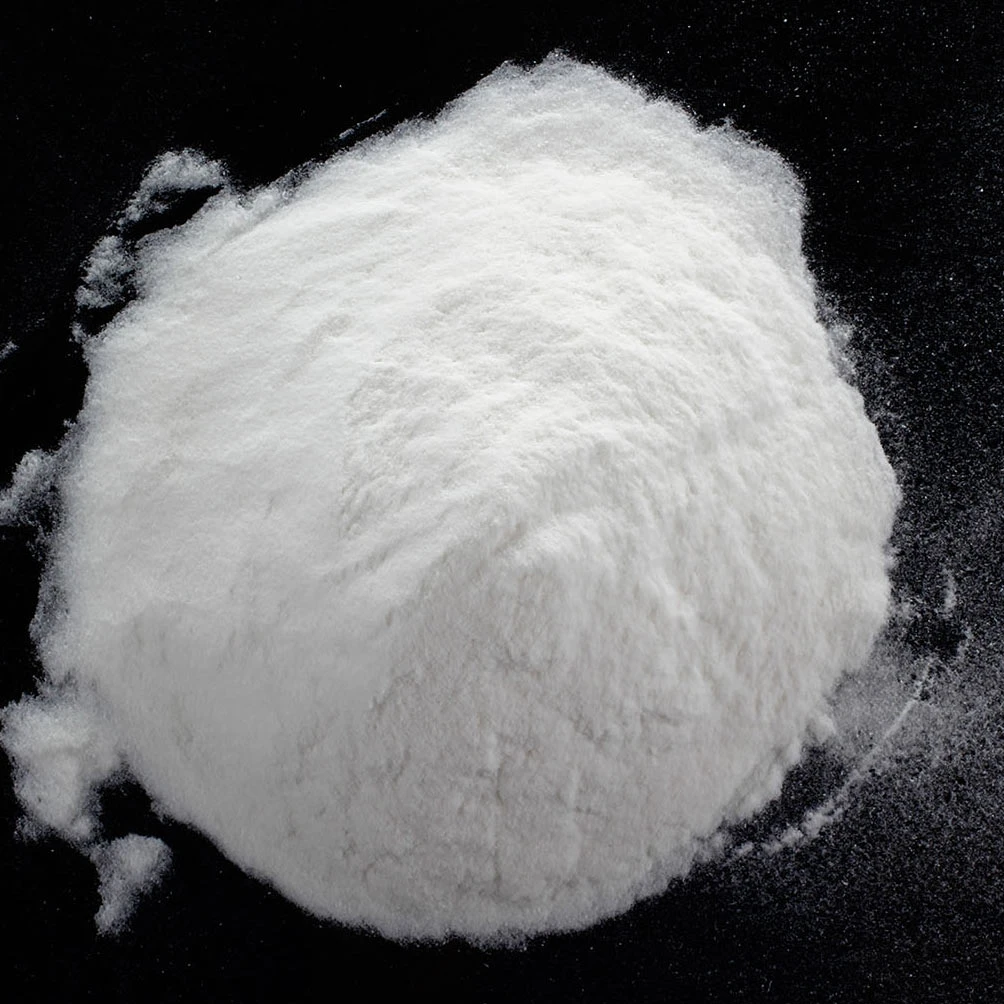
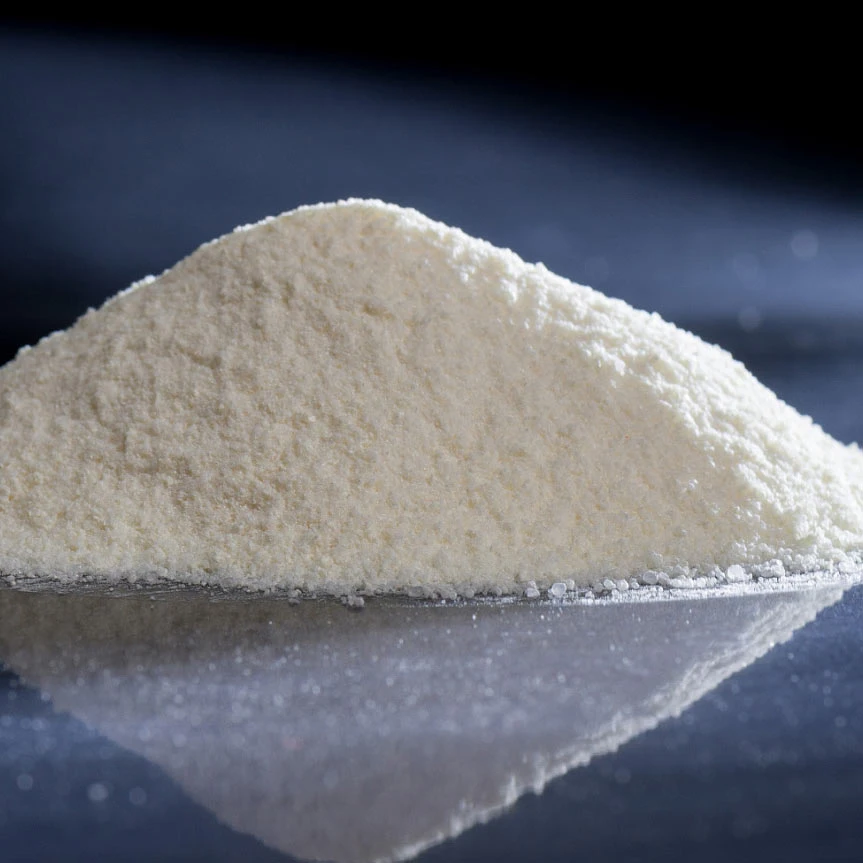
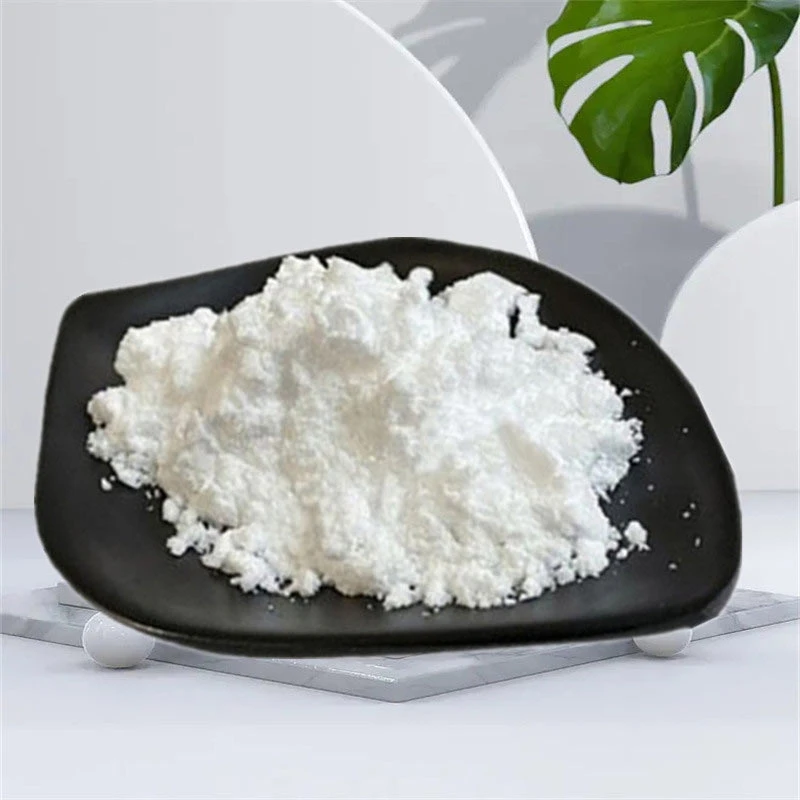
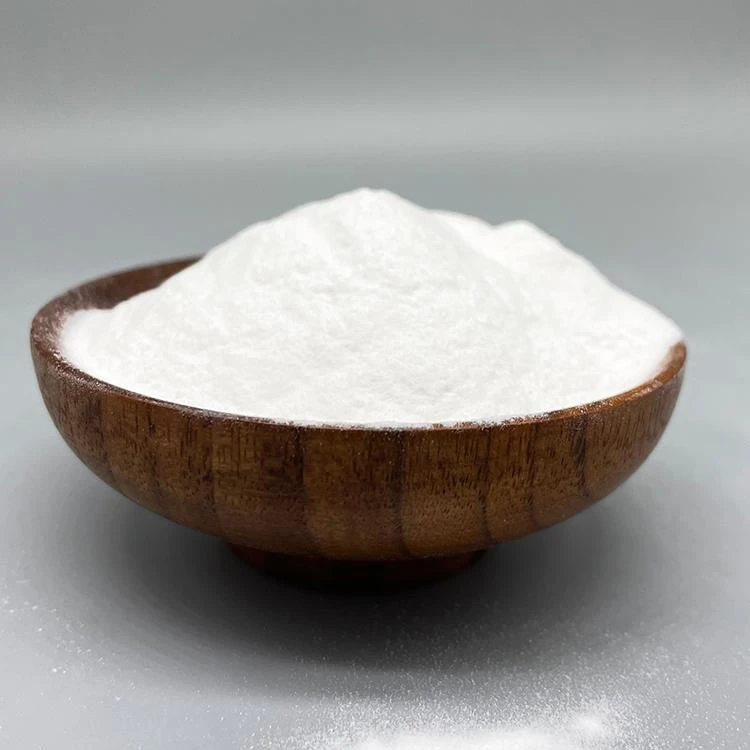
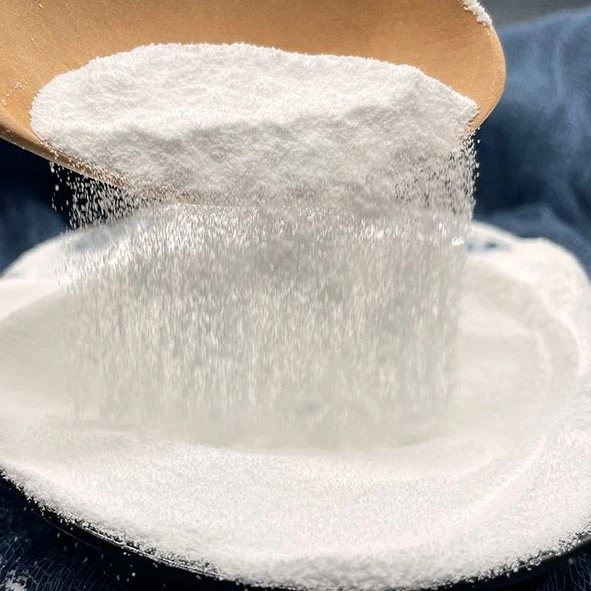
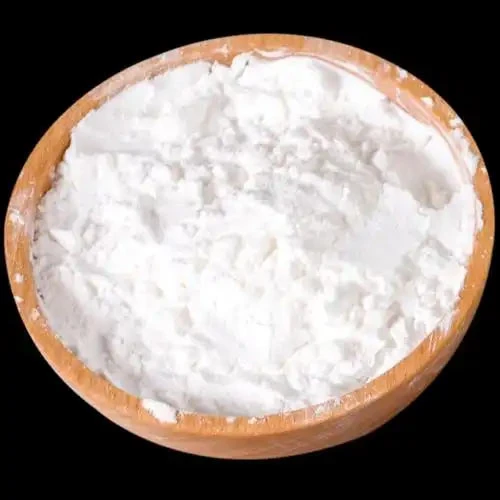
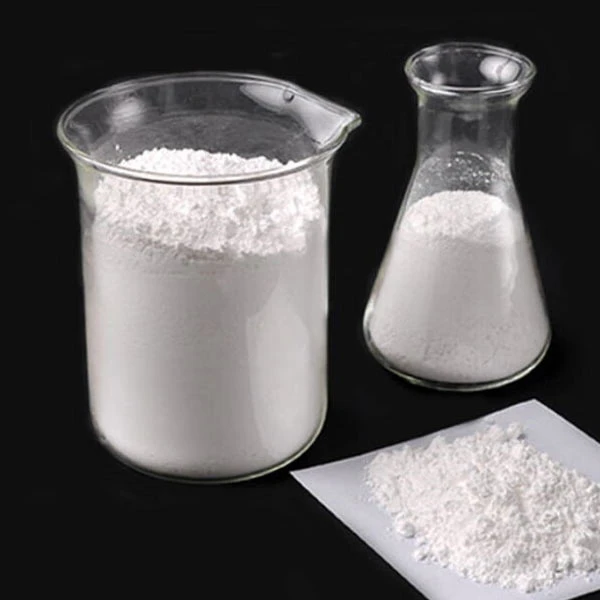
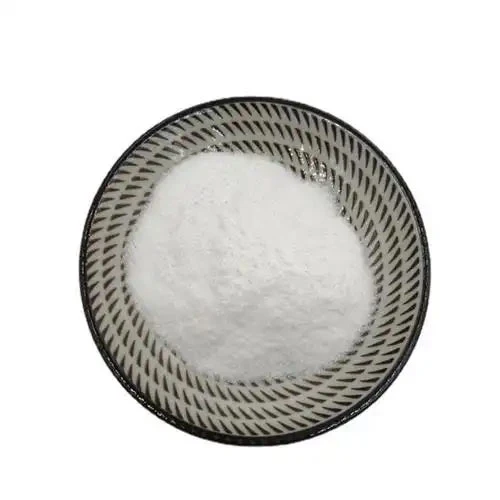
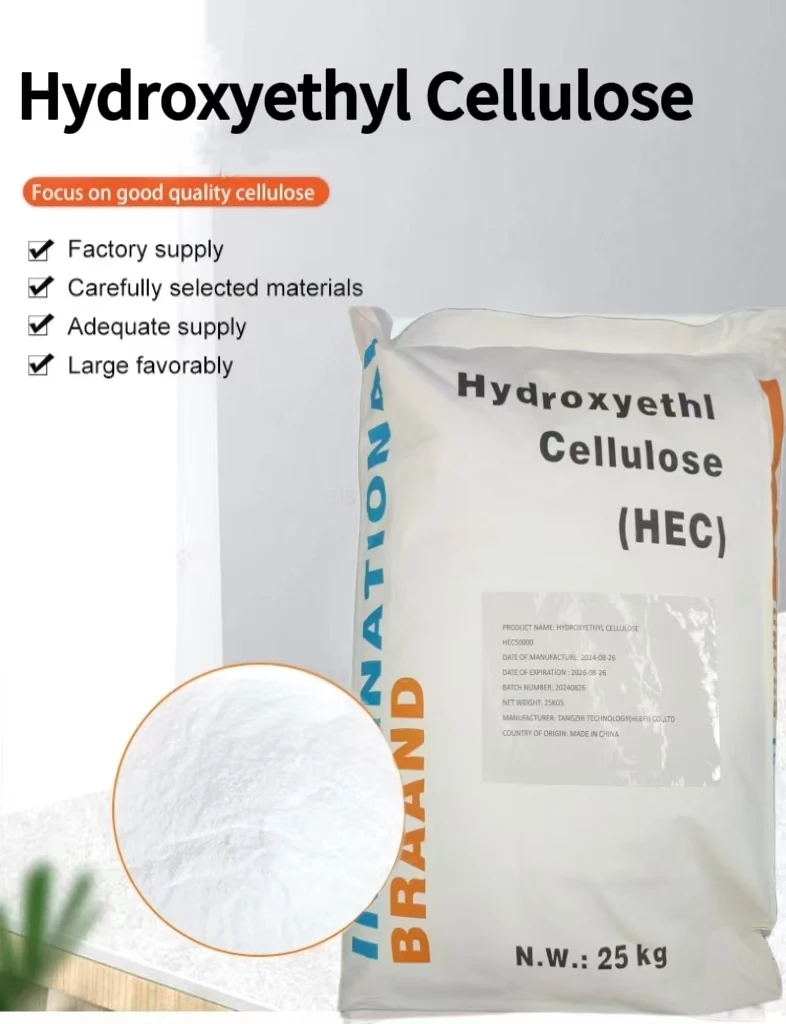
Ethyl hydroxyethyl cellulose (EHEC) is a versatile, water-soluble polymer with a wide range of applications across numerous industries. Known for its thickening, binding, film-forming, and protective colloid properties, EHEC is a crucial ingredient in products ranging from construction materials to pharmaceuticals. This article provides an in-depth look at EHEC, its properties, applications, and sourcing options. For high-quality EHEC powder, visit our website. We'll explore the benefits of using EHEC and why it's a preferred choice for many manufacturers.

Key Properties of Ethyl Hydroxyethyl Cellulose
EHEC is a non-ionic cellulose ether derived from cellulose. Its key properties include excellent water solubility, a wide viscosity range, good thermal stability, and compatibility with various polymers and resins. The degree of substitution (DS) controls its properties; a higher DS results in increased water solubility and reduced gel strength. EHEC forms clear, viscous solutions even at low concentrations, making it ideal for applications requiring precise rheology control. The chemical structure of EHEC contributes to its film-forming ability and adhesion properties, enhancing its usefulness in coatings and adhesives. Discover the full range of EHEC products available on our website.
Key Highlights: Excellent water solubility, wide viscosity range, good thermal stability, and compatibility with various polymers and resins.
Applications of Ethyl Hydroxyethyl Cellulose Across Industries
The versatility of EHEC leads to its widespread use in numerous sectors. In the construction industry, it serves as a thickener and water retention agent in cement-based materials, improving workability and preventing cracking. In paints and coatings, it controls viscosity, prevents pigment settling, and enhances film formation. Pharmaceutical applications include use as a binder, disintegrant, and film coating agent for tablets. Furthermore, EHEC finds utility in personal care products, adhesives, ceramics, and oil drilling fluids. We provide tailored EHEC solutions for diverse applications.
Key Application Areas:
• Construction: Cement-based materials, tile adhesives
• Paints & Coatings: Viscosity control, pigment suspension
• Pharmaceuticals: Tablet binders, film coatings
• Personal Care: Shampoos, lotions, creams
Ethyl Hydroxyethyl Cellulose Grades and Specifications
EHEC is available in various grades, categorized by viscosity and particle size. Viscosity is typically measured using a Brookfield viscometer and expressed in centipoise (cP). Particle size influences dissolution rate and clarity. Different grades cater to specific application requirements. For example, low-viscosity grades are suitable for sprayable coatings, while high-viscosity grades are preferred for thickeners and binders. We offer a comprehensive range of EHEC grades to meet your precise needs. View our product specifications online.
EHEC vs. Other Cellulose Ethers: A Comparison
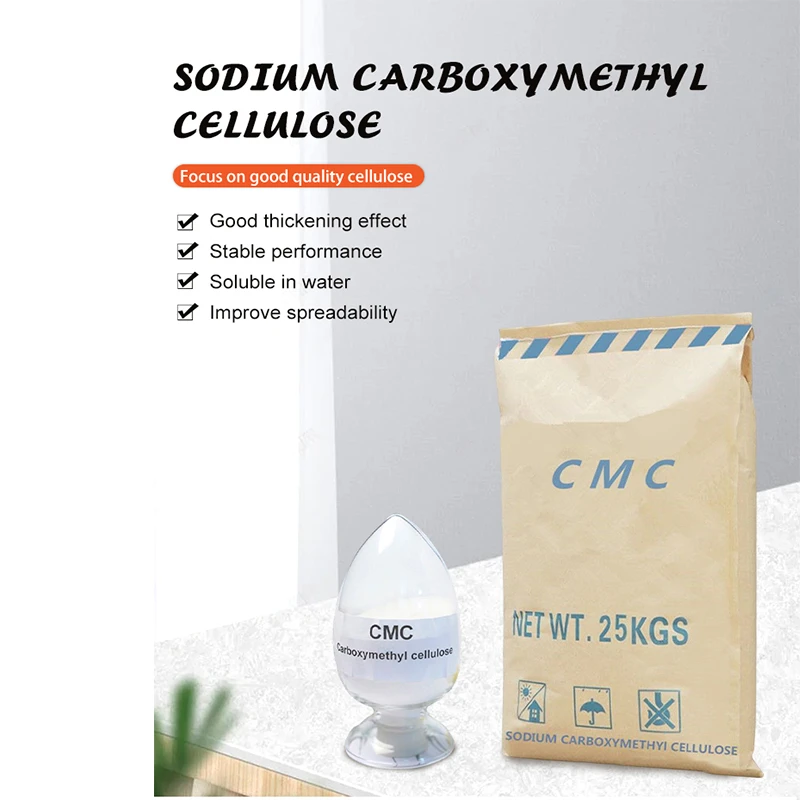
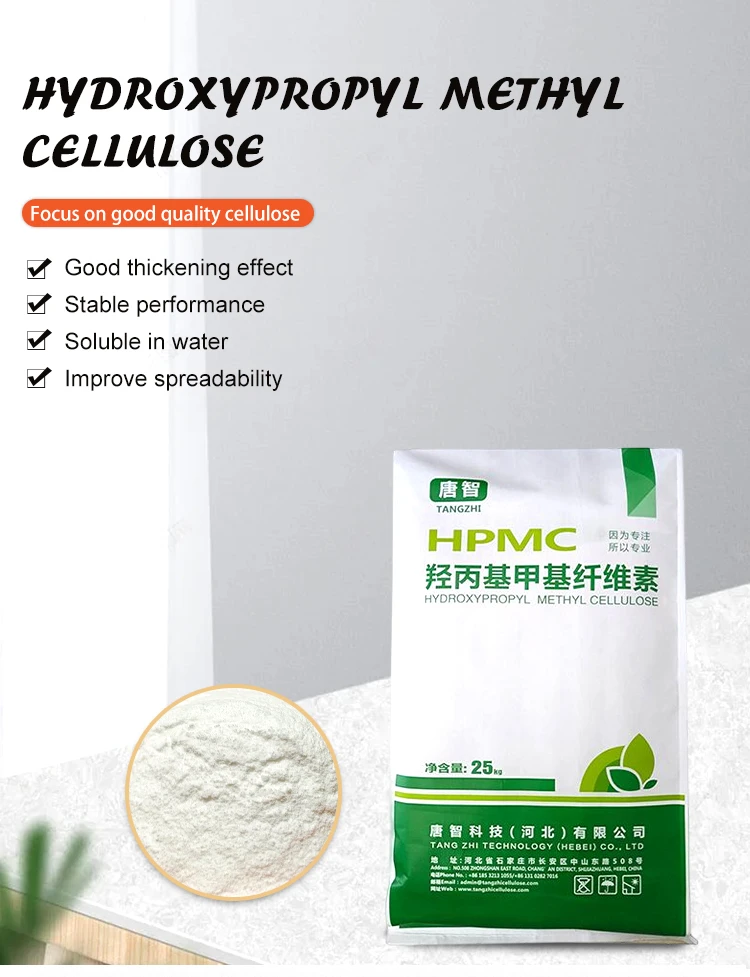
While other cellulose ethers like Hydroxypropyl Methylcellulose (HPMC) and Carboxymethyl Cellulose (CMC) share similar applications, EHEC offers distinct advantages. EHEC provides superior water retention and thickening efficiency compared to CMC, particularly in cement-based systems. Compared to HPMC, EHEC exhibits better compatibility with certain resins and polymers and delivers improved film-forming characteristics. The choice of cellulose ether depends on specific formulation requirements and performance objectives. Learn more about our cellulose ether products.

Sourcing High-Quality Ethyl Hydroxyethyl Cellulose
When sourcing EHEC, quality and consistency are paramount. Partnering with a reputable supplier ensures you receive a product that meets your specifications and performs reliably. We at HPMC Powder specialize in the production and supply of high-quality EHEC, adhering to stringent quality control standards throughout the manufacturing process. We offer competitive pricing, reliable supply, and expert technical support.
Conclusion: Choosing the Right EHEC Partner
Selecting the right EHEC grade and supplier is crucial for achieving optimal performance in your applications. HPMC Powder provides high-quality EHEC products coupled with expert technical support to help you succeed. Contact us today to discuss your specific requirements.
Frequently Asked Questions (FAQs)
What is the shelf life of Ethyl Hydroxyethyl Cellulose?
When stored properly in a cool, dry place, away from direct sunlight and moisture, EHEC generally has a shelf life of at least 2-3 years. However, it's always best to check the product's Certificate of Analysis (COA) for the specific batch's expiration date. While the material doesn’t necessarily degrade rapidly after this date, its performance characteristics may begin to diminish over time. Ensure the packaging remains sealed when not in use to prevent moisture absorption.
What safety precautions should be taken when handling EHEC?
EHEC is generally considered non-toxic, but like with any fine powder, it's advisable to avoid inhalation of dust. Wear a dust mask when handling large quantities or during processes that generate dust. Eye protection is also recommended. Avoid contact with skin and eyes. In case of contact, rinse thoroughly with water. Refer to the Safety Data Sheet (SDS) for detailed safety information and handling guidelines, which is available on our website.
How do I determine the right viscosity grade of EHEC for my application?
Determining the appropriate viscosity grade depends on the desired properties of your final product. Higher viscosity grades provide greater thickening and water retention, suitable for applications like cement-based materials and adhesives. Lower viscosity grades are ideal for coatings and applications requiring easy flow and leveling. We recommend starting with a small-scale trial using different viscosity grades to evaluate performance and optimize your formulation. Our technical team can provide guidance based on your specific needs.
Is EHEC biodegradable?
While cellulose itself is a natural and biodegradable material, the degree of substitution with ethyl and hydroxyethyl groups in EHEC reduces its biodegradability compared to unmodified cellulose. However, EHEC is still more readily biodegradable than many synthetic polymers. The rate of biodegradation depends on environmental factors like temperature, humidity, and microbial activity. Ongoing research focuses on developing more readily biodegradable cellulose ethers.
-
Industrial Guide to Cellosize Hydroxyethyl Cellulose ApplicationsNewsApr.16,2026
-
Industrial Applications and Benefits of nanofibrillar celluloseNewsApr.09,2026
-
Comprehensive Guide to Hydroxypropyl Methylcellulose and Its Diverse ApplicationsNewsApr.07,2026
-
Exploring Cellulose Based Packaging A Sustainable Choice for BusinessesNewsApr.04,2026
-
Comprehensive Guide to MHEC Chemical Properties and Industrial ApplicationsNewsMar.31,2026
-
Exploring Cellulose Packaging for Food A Sustainable and Renewable SolutionNewsMar.28,2026