Comprehensive Guide to Hec Hydroxyethyl Cellulose Properties and Applications
Hec Hydroxyethyl Cellulose: A Comprehensive Guide
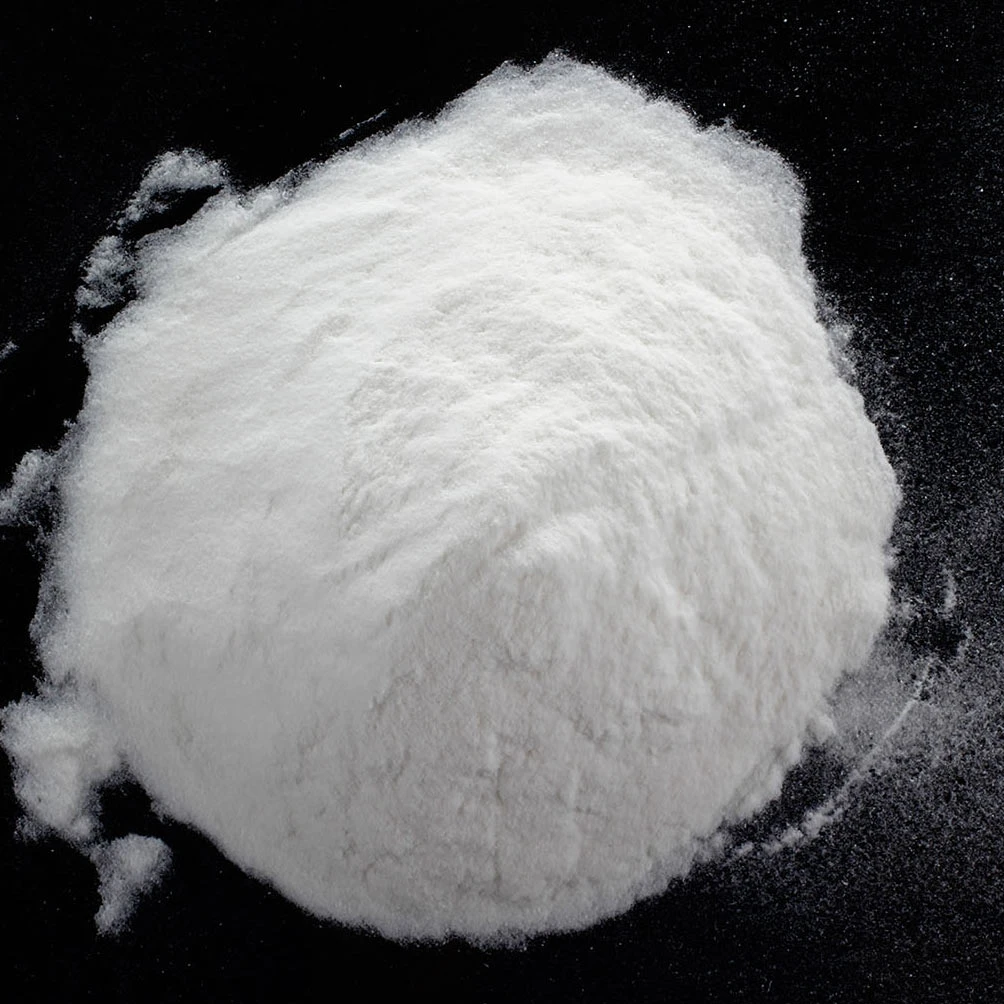
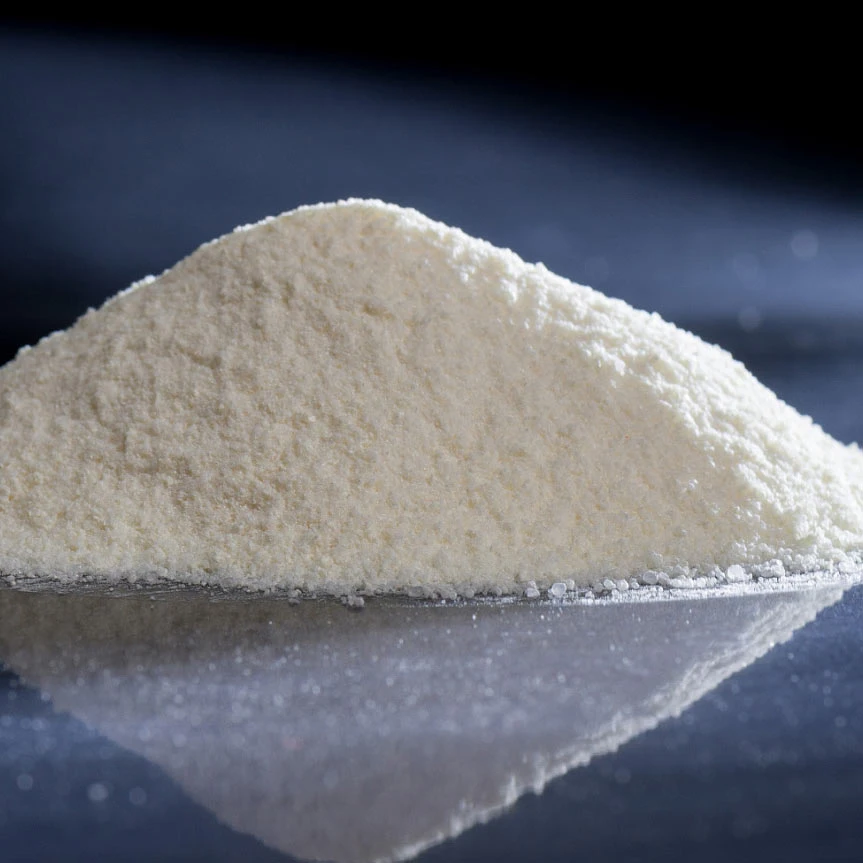
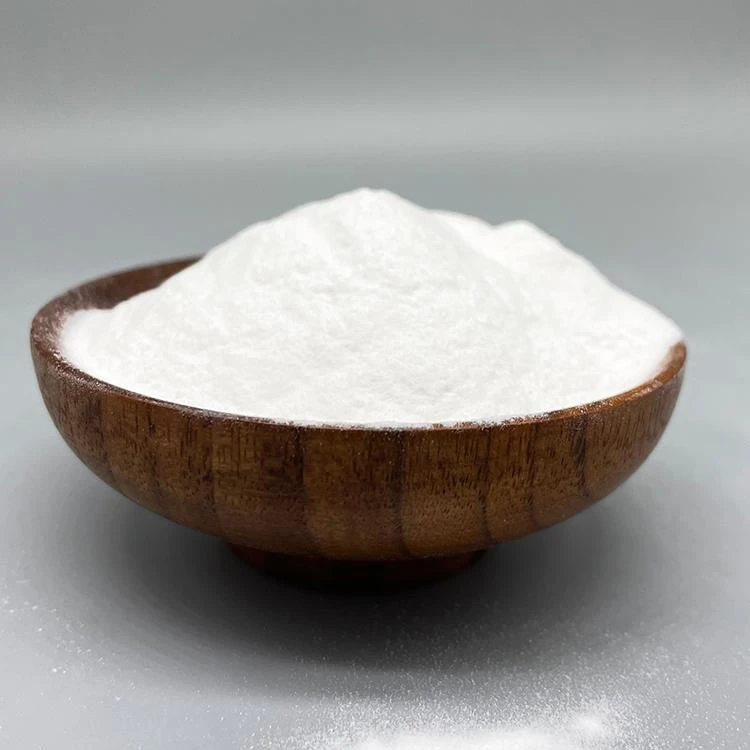
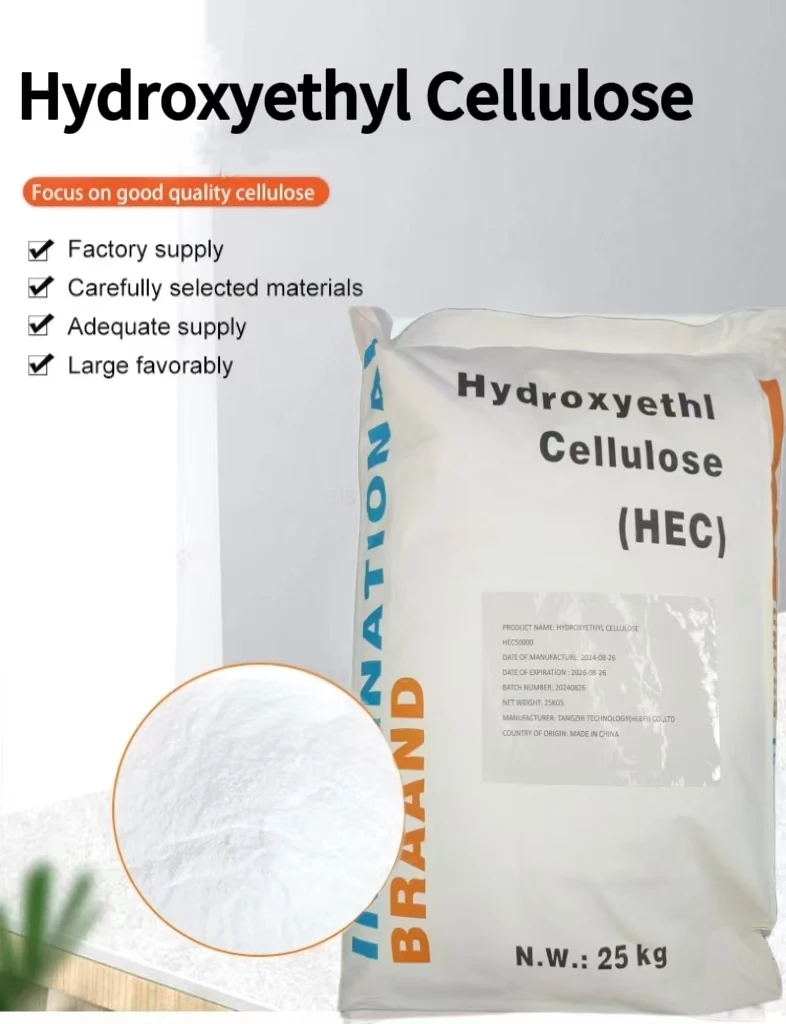
Hydroxyethyl Cellulose (HEC) is a versatile, water-soluble polymer widely used across diverse industries for its thickening, binding, film-forming, and suspension properties. This article provides an in-depth exploration of HEC hydroxyethyl cellulose, covering its properties, applications, benefits, and factors to consider when selecting the right grade. Understanding HEC's capabilities is essential for optimizing formulations in various sectors. We’ll delve into why it’s a preferred choice for professionals globally.
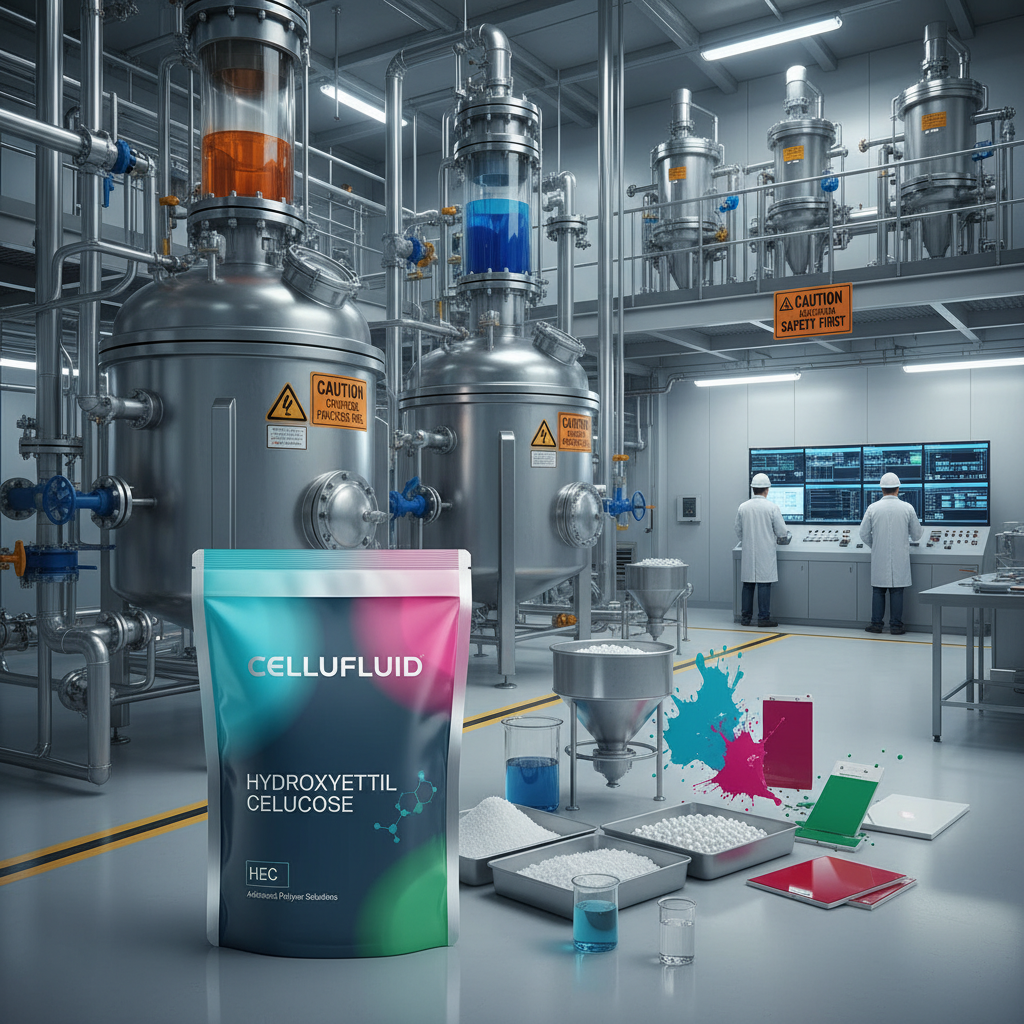
Understanding the Properties of HEC
Hydroxyethyl Cellulose is derived from cellulose, a naturally occurring polymer found in plant cell walls. The modification with ethylene oxide introduces hydroxyl groups, enhancing water solubility. Key properties include pseudoplasticity (shear-thinning behavior), excellent water retention, compatibility with many other polymers and resins, and resistance to microbial attack. The viscosity of HEC solutions is affected by concentration, temperature, and the presence of salts. Choosing the right viscosity grade is crucial for achieving the desired performance in a specific application. Hec hydroxyethyl cellulose offers a remarkable blend of functionality and versatility.
Key Highlights: Excellent water retention, compatibility with other polymers, resistance to microbial attack, and pseudoplasticity.
Applications of HEC Across Industries
HEC finds extensive use in numerous sectors. In the construction industry, it's a vital component of cement-based materials, improving workability, water retention, and adhesion. In paints and coatings, it acts as a thickener, stabilizer, and leveling agent. The cosmetic industry utilizes HEC for its thickening and emulsifying properties in shampoos, lotions, and creams. Pharmaceutical formulations benefit from HEC's binding and film-forming capabilities in tablets and coatings. Oil drilling operations rely on HEC to control viscosity in drilling fluids. The versatility of Hec hydroxyethyl cellulose makes it an indispensable ingredient in many formulations.
Industry Applications:
• Construction: Cement-based materials
• Paints & Coatings: Thickener, stabilizer
• Cosmetics: Shampoos, lotions, creams
• Pharmaceuticals: Tablets, coatings
HEC Hydroxyethyl Cellulose: Grades and Viscosity Comparison
HEC is available in a variety of viscosity grades, typically measured in centipoise (cP). The selection of the appropriate viscosity depends on the specific application requirements. Lower viscosity grades are suitable for applications requiring easy flow, while higher viscosity grades provide greater thickening and suspension properties. Factors like concentration, temperature, and the presence of salts also influence the final viscosity. Understanding these nuances is key to optimal performance.
Benefits of Using HEC in Formulations
Incorporating HEC into formulations offers a multitude of advantages. Its excellent water retention capabilities prevent premature drying and cracking, enhancing the performance and longevity of products. Its thickening properties allow for efficient use of resources and improved product consistency. HEC’s film-forming ability contributes to the durability and protective properties of coatings. Furthermore, its compatibility with a wide range of other ingredients simplifies formulation development. Hec hydroxyethyl cellulose is a cost-effective solution that delivers significant performance improvements.

Factors to Consider When Selecting HEC
Several factors should be considered when selecting the appropriate HEC grade for your application. Viscosity, as discussed earlier, is a primary consideration. The molecular weight of the HEC also impacts its performance characteristics. The degree of substitution (DS) affects its water solubility and compatibility with other ingredients. The purity and particle size distribution of the HEC can influence its dispersibility and final product properties. Finally, consider the regulatory requirements and certifications needed for your specific industry and application. Hec hydroxyethyl cellulose selection is a critical step in achieving optimal formulation performance.
Conclusion: Maximizing Performance with HEC
Hydroxyethyl Cellulose is a remarkable polymer that offers exceptional versatility and performance benefits across a broad spectrum of industries. By understanding its properties, applications, and key selection criteria, you can leverage its capabilities to optimize your formulations and achieve superior results. Hec hydroxyethyl cellulose is a smart investment for any formulation seeking enhanced functionality and reliability.
Frequently Asked Questions (FAQs)
What is the shelf life of HEC?
HEC generally has a long shelf life if stored properly. It should be kept in a cool, dry place, protected from direct sunlight and moisture. Under optimal conditions, HEC can remain stable for several years. However, it's always recommended to check the manufacturer's certificate of analysis (COA) for specific storage recommendations and expiration dates. Proper storage is crucial to maintain its performance characteristics and prevent degradation.
How does temperature affect HEC viscosity?
HEC viscosity typically decreases with increasing temperature. This is because the polymer chains become more mobile at higher temperatures, reducing the entanglement that contributes to viscosity. Formulators must account for this temperature dependence when designing their products, especially those that will be exposed to varying temperatures during processing or use. Conducting viscosity measurements at the intended application temperature is recommended.
Is HEC biodegradable?
HEC is considered partially biodegradable. While the cellulose backbone is naturally biodegradable, the degree of ethoxylation (the addition of ethylene oxide) can affect its biodegradability. Lower-substituted HEC grades tend to be more readily biodegradable than higher-substituted grades. The rate of biodegradation also depends on environmental factors such as temperature, moisture, and the presence of microorganisms.
Can HEC be used in food applications?
Certain grades of HEC are approved for use in food applications, but only those that meet specific purity and regulatory requirements. The Food and Drug Administration (FDA) and other regulatory bodies have established guidelines for the use of HEC as a food additive. It's essential to ensure that the HEC used in food products is specifically labeled as food-grade and complies with all applicable regulations. Visit hpmcpowder.com for more information.
-
Industrial Guide to Cellosize Hydroxyethyl Cellulose ApplicationsNewsApr.16,2026
-
Industrial Applications and Benefits of nanofibrillar celluloseNewsApr.09,2026
-
Comprehensive Guide to Hydroxypropyl Methylcellulose and Its Diverse ApplicationsNewsApr.07,2026
-
Exploring Cellulose Based Packaging A Sustainable Choice for BusinessesNewsApr.04,2026
-
Comprehensive Guide to MHEC Chemical Properties and Industrial ApplicationsNewsMar.31,2026
-
Exploring Cellulose Packaging for Food A Sustainable and Renewable SolutionNewsMar.28,2026