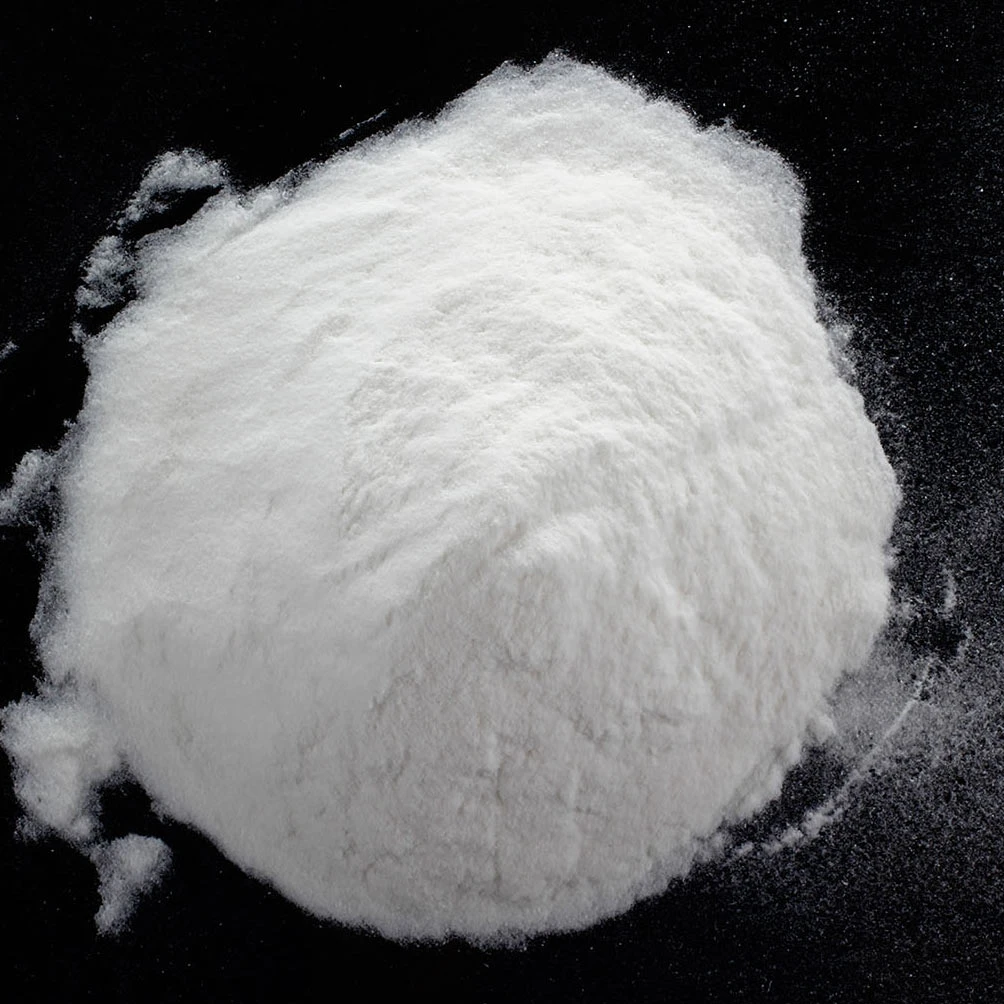
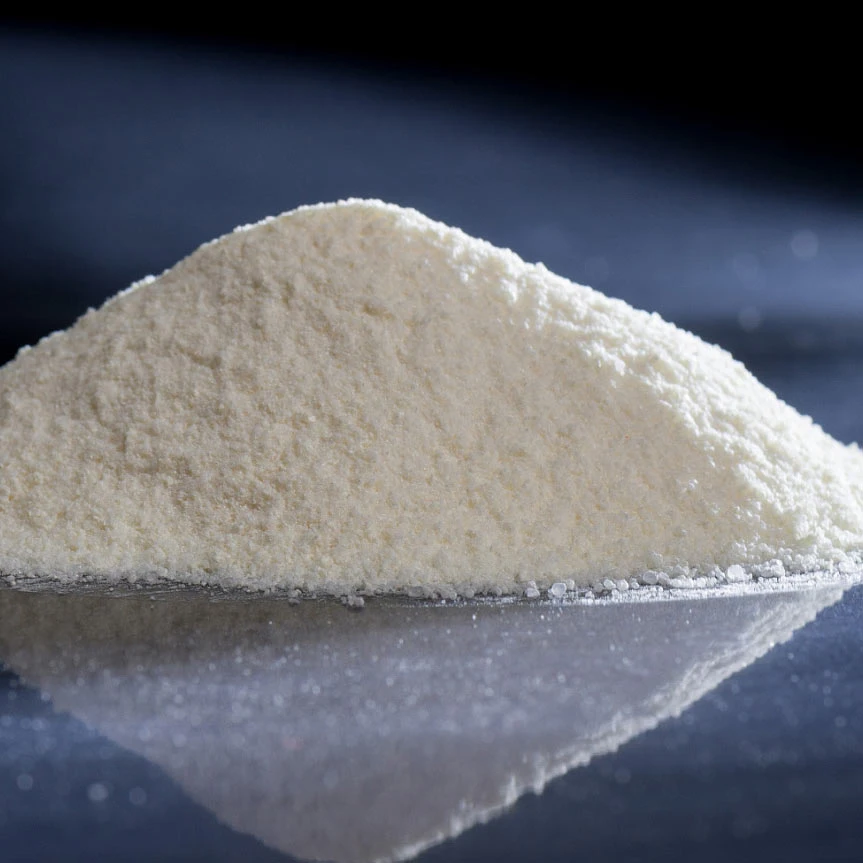
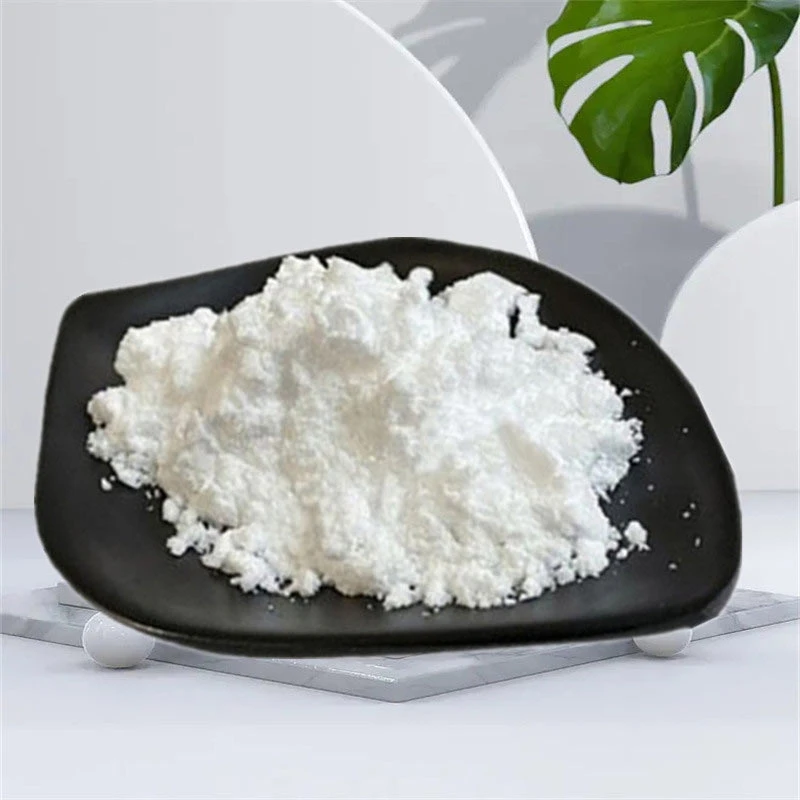
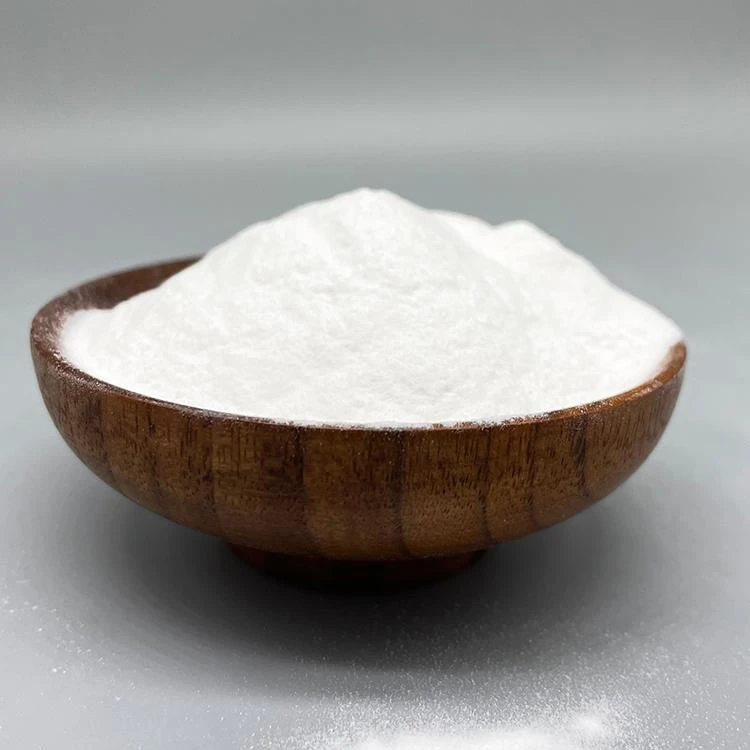
Comprehensive Guide to Hydroxymethyl Propyl Cellulose Properties and Applications
Hydroxymethyl Propyl Cellulose: A Comprehensive Guide
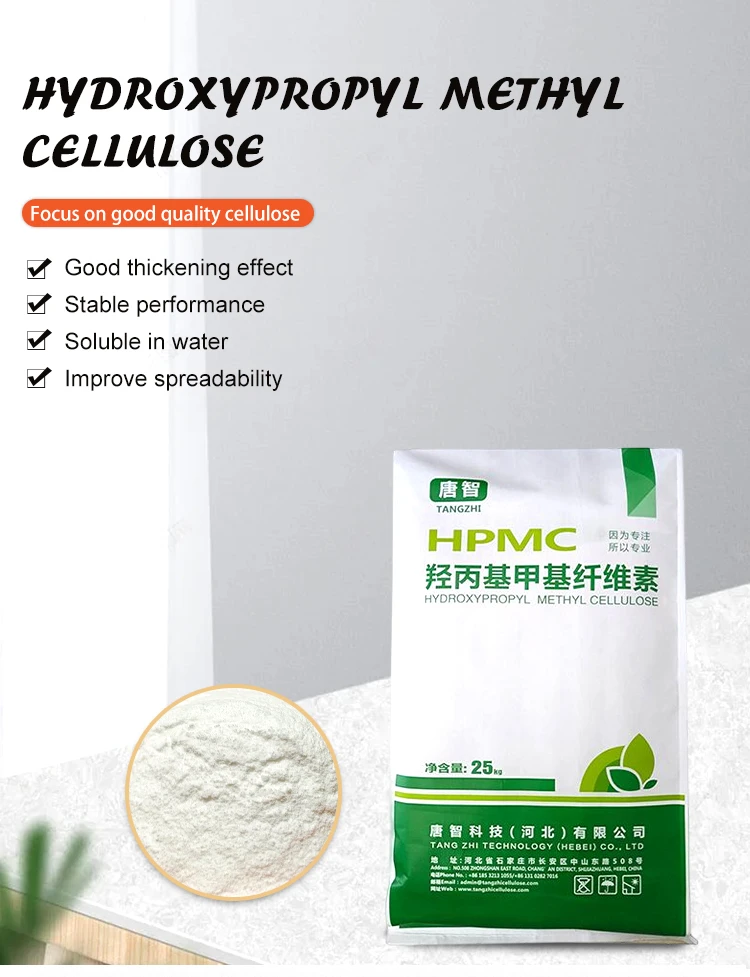
Hydroxymethyl propyl cellulose (HPMC) is a versatile cellulose ether widely used across diverse industries, including construction, pharmaceuticals, food, and cosmetics. Renowned for its thickening, binding, film-forming, and water-retention properties, HPMC plays a critical role in enhancing product performance and stability. This article provides an in-depth exploration of HPMC, covering its properties, applications, grades, and sourcing. Understanding the nuances of HPMC powder is essential for optimizing its utilization in your specific application.
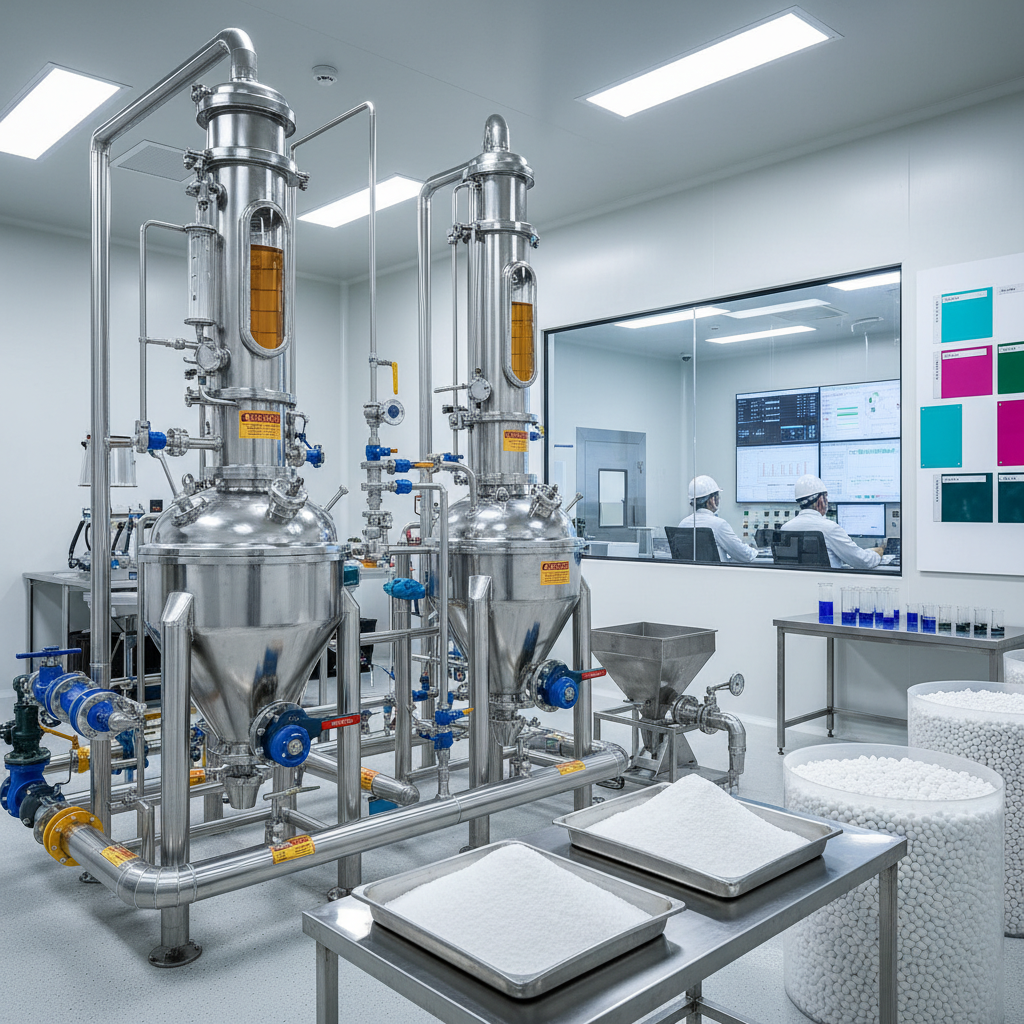
Understanding the Key Properties of Hydroxymethyl Propyl Cellulose
HPMC's exceptional properties stem from its unique chemical structure, a modified cellulose polymer. Its ability to dissolve in both cold and hot water, forming clear, viscous solutions, is central to its wide range of applications. Furthermore, HPMC exhibits excellent thermal gelation properties—meaning the solution becomes more viscous as heated and returns to a liquid state upon cooling—making it ideal for applications like ceramic tile adhesives. Crucially, it’s biocompatible and non-toxic, making it suitable for use in food and pharmaceutical products. It is valued for its surface activity, providing good wetting and dispersing properties.
Key Highlights: HPMC’s versatility arises from its combination of thickening, binding, film-forming, and water-retention characteristics. Its biocompatibility and solubility add to its broad applicability.
Hydroxymethyl Propyl Cellulose Grades and Their Applications
HPMC is available in various grades, categorized by viscosity, substitution degree (DS), and particle size. Viscosity, measured in millipascal-seconds (mPa·s), dictates the thickening power of the HPMC. Higher viscosity grades are used in applications requiring greater thickening, like tile adhesives, while lower viscosity grades are suitable for coatings and pharmaceutical formulations. The degree of substitution affects solubility and gelation temperature. Particle size influences dissolution rate; finer particles dissolve more readily, critical in applications demanding rapid hydration. Selecting the right HPMC grade is paramount for achieving optimal performance.
Key Grade Characteristics:
• Viscosity: Controls thickening power.
• Substitution Degree: Affects solubility and gelation temperature.
• Particle Size: Influences dissolution rate.
Applications Across Industries: A Detailed Look
The diverse properties of HPMC enable its use in a wide array of industries. In the construction sector, it serves as a key ingredient in cement-based products like tile adhesives, renders, and self-leveling compounds, improving workability, adhesion, and water retention. In the pharmaceutical industry, it’s a vital excipient in tablet coatings, controlled-release formulations, and ophthalmic solutions. The food industry utilizes HPMC as a thickener, stabilizer, and emulsifier in products such as sauces, dressings, and baked goods. Cosmetic applications include thickening creams and lotions and stabilizing emulsions. It’s also frequently used in ceramic extrusion and 3D printing as a binder and rheology modifier.
Factors Influencing HPMC Performance: A Comparative Analysis
Several factors can influence HPMC’s performance, including pH, temperature, and the presence of other additives. High pH can lead to degradation, reducing its thickening power. Temperature affects solubility and viscosity; increasing temperature generally lowers viscosity. The interaction with other polymers or salts can also impact its performance. Optimizing these parameters is crucial for achieving consistent results. Careful consideration of these factors, along with choosing the right grade, is essential for maximizing HPMC’s effectiveness. The quality of the raw material significantly impacts its overall performance.
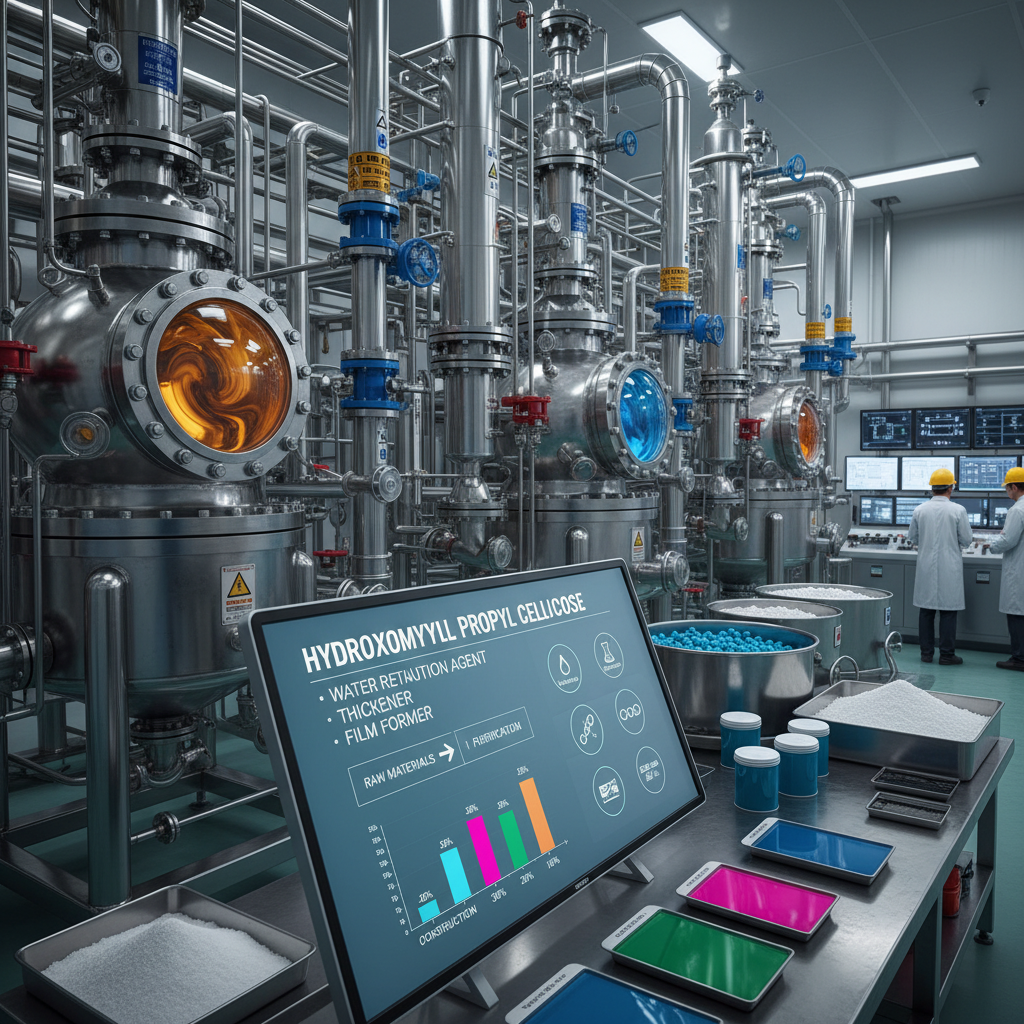
Sourcing High-Quality Hydroxymethyl Propyl Cellulose
When sourcing HPMC, it’s crucial to partner with a reputable supplier committed to quality and consistency. HPMC Powder offers a wide range of HPMC grades, manufactured under stringent quality control standards. Factors to consider include purity, viscosity range, particle size distribution, and compliance with relevant industry regulations. Obtaining a certificate of analysis (COA) for each batch is essential to verify the product's specifications. Reliable suppliers also provide technical support and guidance to help you select the optimal grade for your application.
Conclusion: Harnessing the Power of HPMC
Hydroxymethyl propyl cellulose is an indispensable ingredient across numerous industries, prized for its diverse functionalities and reliable performance. By understanding its properties, grades, and influencing factors, you can optimize its utilization and achieve superior product quality. Partnering with a trusted supplier like HPMC Powder ensures access to high-quality materials and expert support.
Frequently Asked Questions (FAQs)
What is the shelf life of HPMC powder?
When stored properly in a cool, dry place, away from direct sunlight and moisture, HPMC powder generally has a shelf life of at least two years. However, it's always recommended to check the manufacturer's specifications on the product packaging. Proper storage is crucial; exposure to humidity can cause clumping and reduce its effectiveness. Regularly inspect the powder for any signs of degradation, such as discoloration or odor, before use.
How does HPMC affect the water retention of cement-based materials?
HPMC significantly enhances water retention in cement-based materials by forming a film around cement particles and reducing the rate of water evaporation. This is critical for achieving proper hydration and development of strength. Improved water retention also contributes to better workability and adhesion. The level of HPMC added will impact the extent of water retention, with higher concentrations generally leading to greater effectiveness.
Is HPMC safe for use in food products?
Yes, HPMC is generally recognized as safe (GRAS) by regulatory bodies like the FDA for use in a wide range of food applications. It is non-toxic and does not contribute significant calories to food products. However, it’s essential to use a food-grade HPMC that meets the required purity standards. The allowable levels of use are also regulated and vary depending on the specific food application.
What is the best way to dissolve HPMC powder?
To dissolve HPMC powder effectively, slowly add the powder to vigorously stirred cold water. Avoid adding the powder directly to hot water, as this can cause clumping. Allow the mixture to hydrate for about 20-30 minutes, continuing to stir until a clear, homogeneous solution is formed. Using a high-shear mixer can help accelerate the dissolution process, especially for higher viscosity grades.
-
Industrial Guide to Cellosize Hydroxyethyl Cellulose ApplicationsNewsApr.16,2026
-
Industrial Applications and Benefits of nanofibrillar celluloseNewsApr.09,2026
-
Comprehensive Guide to Hydroxypropyl Methylcellulose and Its Diverse ApplicationsNewsApr.07,2026
-
Exploring Cellulose Based Packaging A Sustainable Choice for BusinessesNewsApr.04,2026
-
Comprehensive Guide to MHEC Chemical Properties and Industrial ApplicationsNewsMar.31,2026
-
Exploring Cellulose Packaging for Food A Sustainable and Renewable SolutionNewsMar.28,2026