Cellulose fiber, a remarkably versatile material, is gaining prominence across numerous industries globally. Derived from plant cell walls, it represents a sustainable and cost-effective alternative to traditional materials like plastics and synthetic fibers. Its abundance, renewability, and biodegradability make it a key component in addressing environmental concerns and promoting circular economy principles. Understanding the properties and applications of cellulose fiber is becoming increasingly critical for businesses and policymakers alike, as we strive for more sustainable practices.
The global demand for sustainable materials is rapidly increasing, driven by heightened environmental awareness and stricter regulations. This surge in demand positions cellulose fiber as a crucial element in various sectors, from textiles and packaging to construction and pharmaceuticals. The inherent properties of cellulose fiber, such as its high strength-to-weight ratio and excellent absorbency, offer compelling advantages over many conventional alternatives. This demand is further fueled by its potential to contribute to carbon sequestration, making it an important tool in combating climate change.
Ultimately, widespread adoption of cellulose fiber isn’t just about substituting materials; it’s about fundamentally rethinking our approach to manufacturing and consumption. It’s a pathway toward a more resilient, eco-friendly, and economically viable future. This material has the potential to revolutionize industries and contribute significantly to a more sustainable world, emphasizing the importance of continued research and investment.
The Global Relevance of Cellulose Fiber
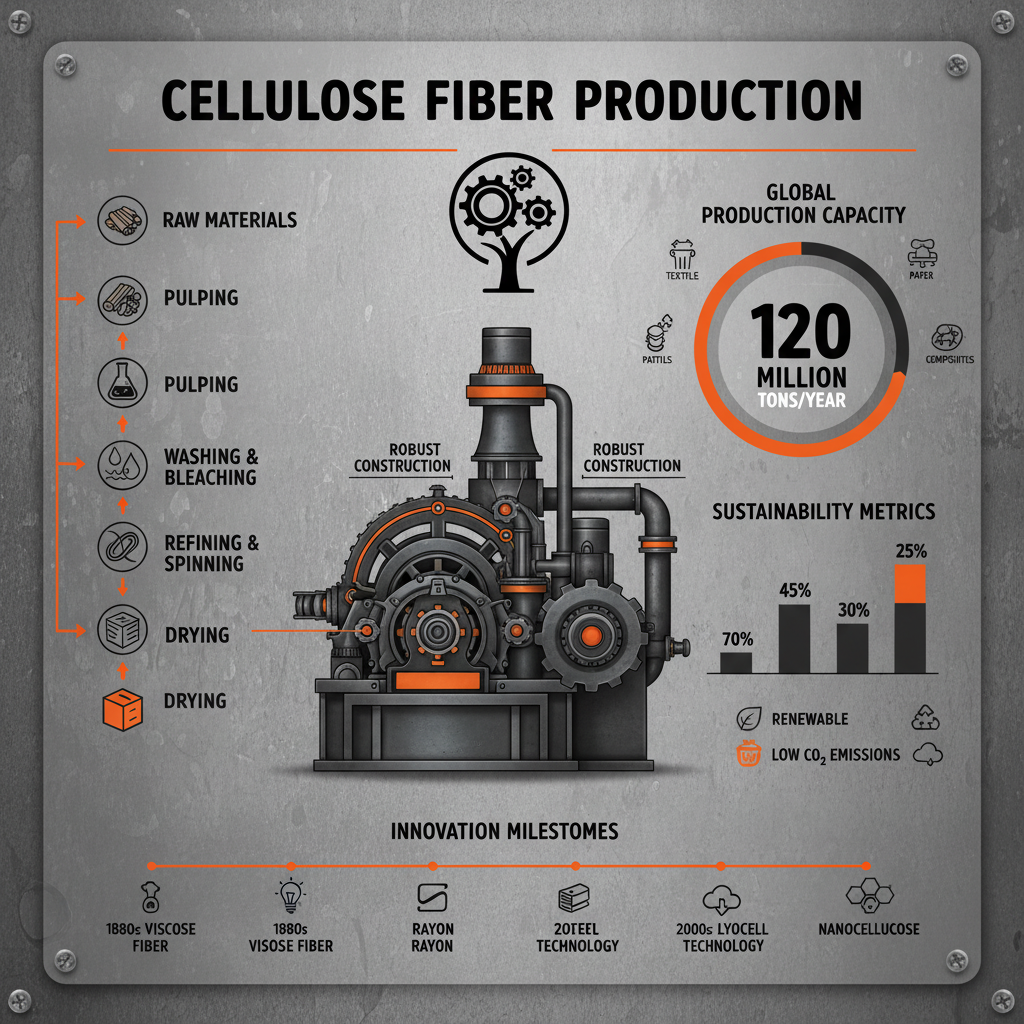
The global production of cellulose fiber is substantial, with an estimated annual output exceeding 60 million tons, predominantly sourced from wood pulp, cotton linters, and other plant-based materials (FAO, 2022). This material is not confined to developed nations; its production and application are increasingly prevalent in emerging economies, particularly in Asia and South America. The United Nations Sustainable Development Goals (SDGs), particularly those related to responsible consumption and production (SDG 12) and climate action (SDG 13), heavily emphasize the need for sustainable materials like cellulose fiber.
A significant challenge facing the world today is the escalating plastic pollution crisis. According to the World Bank, globally, approximately 3.5 million tons of plastic waste are generated daily, a large percentage of which ends up in landfills and oceans. Cellulose fiber offers a viable bio-based alternative to many plastic applications, presenting a solution to reduce reliance on fossil fuels and mitigate environmental damage. Furthermore, its biodegradability addresses the persistent issue of plastic accumulation in ecosystems.
Defining Cellulose Fiber
Cellulose fiber is a natural polymer composed of long chains of glucose molecules, forming the structural component of plant cell walls. Essentially, it’s what gives plants their rigidity and strength. While technically a carbohydrate, cellulose doesn’t behave like the sugars we consume; it’s indigestible for humans and exists as a fibrous material. It’s the most abundant organic polymer on Earth, representing a renewable resource readily available worldwide.
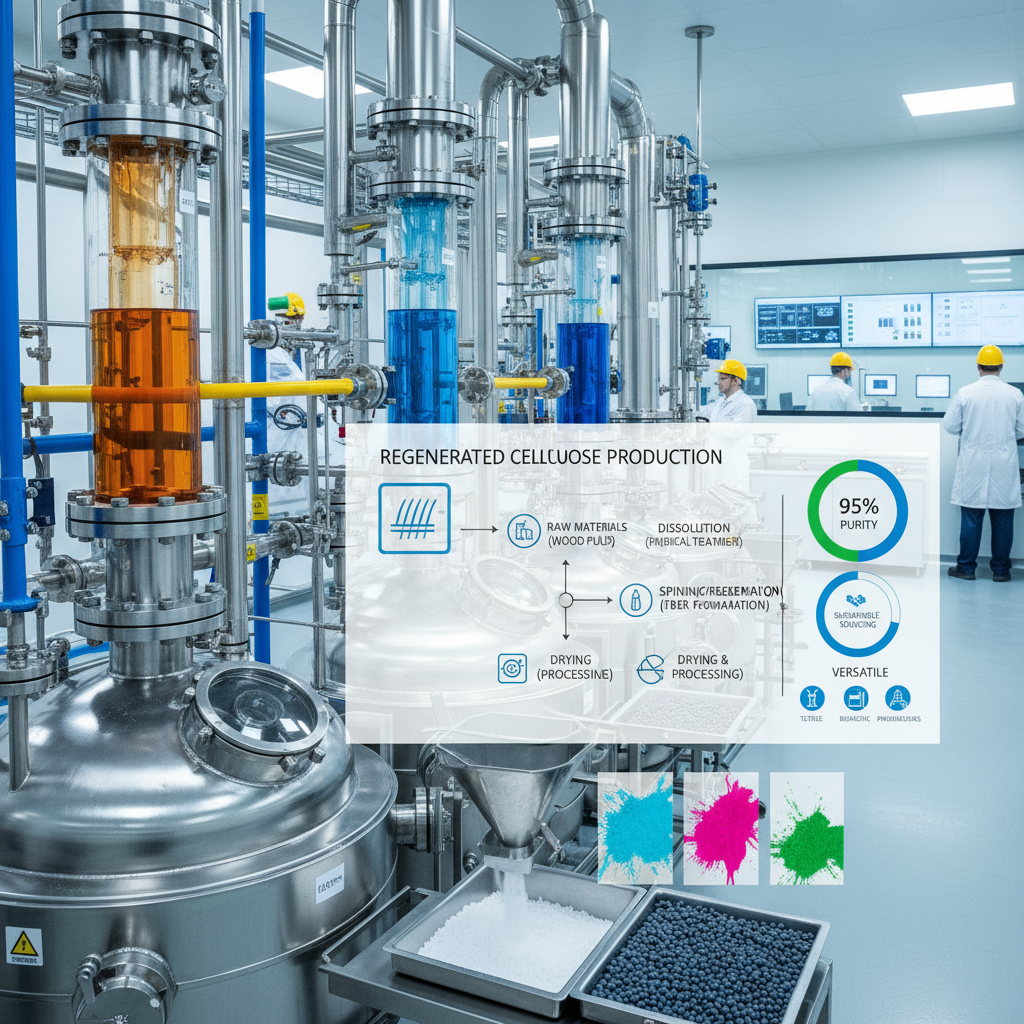
In modern industry, cellulose fiber isn’t used in its raw form as often as in modified forms. These modifications – such as creating rayon, lyocell, or cellulose nanocrystals – enhance specific properties, making the fiber suitable for diverse applications. These modified cellulose materials bridge the gap between natural resource and advanced manufacturing, addressing a spectrum of industrial needs.
The relevance to humanitarian needs stems from its accessibility and cost-effectiveness. In regions with limited access to advanced materials, cellulose fiber can be utilized for basic applications like water filtration, wound dressings, and construction materials, providing essential resources to vulnerable communities. The fiber’s inherent biocompatibility also makes it ideal for medical applications where material purity is paramount.
Key Properties of Cellulose Fiber
One of the defining characteristics of cellulose fiber is its high tensile strength. This means it can withstand significant pulling force without breaking, making it ideal for applications requiring durability and structural integrity, such as textiles, ropes, and reinforced composites. Its strength is comparable to some types of steel on a weight-for-weight basis.
Absorbency is another key property. Cellulose fiber can absorb a substantial amount of water – several times its own weight – without becoming saturated. This makes it invaluable in applications like absorbent materials, hygiene products (diapers, sanitary napkins), and as a component in wound dressings. The absorbency is related to the hydroxyl groups present in its molecular structure.
Biodegradability is perhaps its most significant advantage from an environmental perspective. Unlike synthetic fibers and plastics, cellulose fiber naturally decomposes in the environment, reducing landfill waste and minimizing long-term pollution. The rate of degradation depends on environmental conditions but is generally much faster than synthetic alternatives.
Diverse Applications of Cellulose Fiber
The versatility of cellulose fiber allows for its implementation in a remarkably broad range of applications. Within the textile industry, it’s used to create rayon, lyocell, and other semi-synthetic fabrics prized for their softness, drape, and breathability. In packaging, it’s increasingly employed to produce biodegradable films and molded pulp packaging, replacing traditional plastic containers.
The construction sector is exploring its use in composite materials for building panels, insulation, and even concrete reinforcement, reducing the carbon footprint of construction projects. In the pharmaceutical industry, cellulose derivatives are used as excipients in tablets, capsules, and other drug delivery systems due to their biocompatibility and non-toxicity. Furthermore, the development of cellulose nanocrystals opens opportunities for high-performance composites and advanced materials.
Cellulose Fiber Applications & Market Share
Advantages and Long-Term Value
The most significant advantage of cellulose fiber is its cost-effectiveness. Sourcing from renewable plant materials makes it a comparatively inexpensive raw material, particularly when compared to petroleum-based alternatives. This cost advantage extends through the manufacturing process, contributing to lower overall production costs. Furthermore, the wide availability of raw materials ensures a stable supply chain.
From a sustainability perspective, cellulose fiber excels. Its biodegradability drastically reduces environmental impact, contributing to a circular economy. The fiber’s production often requires less energy and water than the production of synthetic materials, further lowering its environmental footprint. This aligns with growing consumer demand for eco-friendly products and responsible business practices.
Future Trends and Innovations
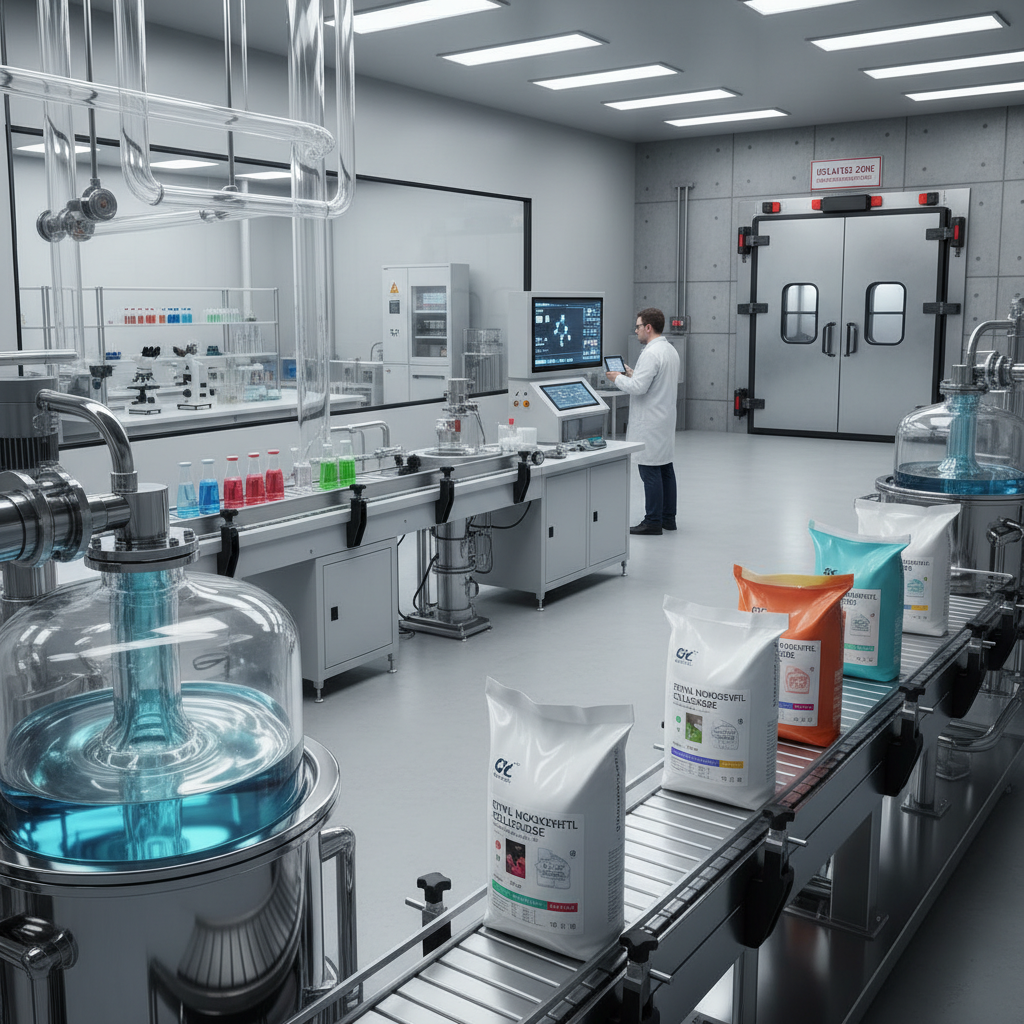
Ongoing research focuses on enhancing the properties of cellulose fiber through nanotechnology. Cellulose nanocrystals (CNCs) and cellulose nanofibrils (CNFs), derived from cellulose, exhibit exceptional strength, stiffness, and barrier properties, opening possibilities for high-performance materials in diverse applications. These nanoscale materials are being explored for use in lightweight composites, flexible electronics, and biomedical devices.
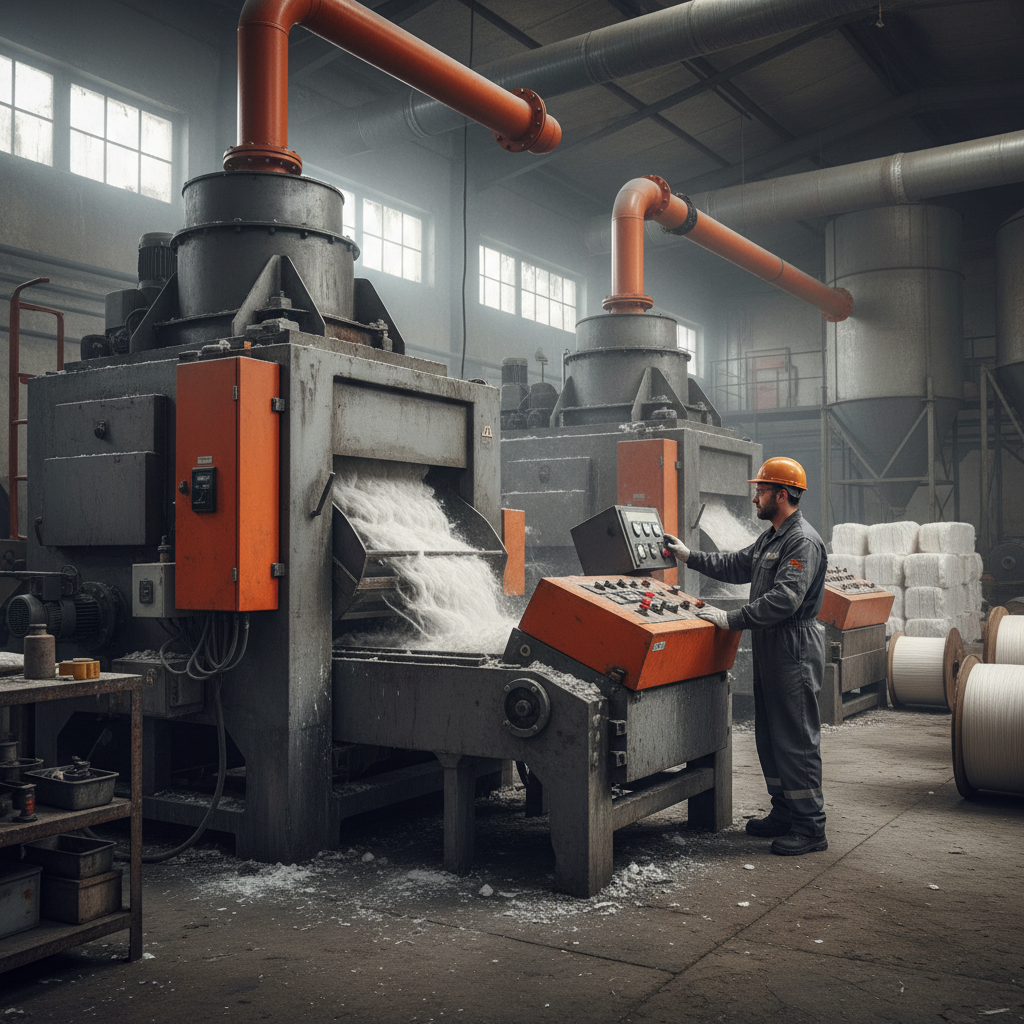
The integration of digital technologies and automation is optimizing cellulose fiber production processes, leading to increased efficiency and reduced waste. Advancements in biotechnology are also enabling the development of genetically modified plants with optimized cellulose content and properties, further enhancing the material's versatility. Additionally, growing policy initiatives promoting sustainable materials are expected to drive increased adoption of cellulose fiber across various industries.
Challenges and Solutions
One key challenge is the moisture sensitivity of cellulose fiber. It tends to absorb water, which can affect its structural integrity and dimensional stability. Solutions include chemical modification (e.g., acetylation, esterification) to reduce water absorption and the development of composite materials with hydrophobic polymers. Another challenge is ensuring a consistent and reliable supply of high-quality raw materials.
Scalability of certain advanced cellulose fiber production methods, like CNC and CNF extraction, remains a hurdle. Developing more efficient and cost-effective extraction processes is crucial for widespread adoption. Investment in research and development, coupled with collaborative efforts between academia and industry, is essential to overcome these challenges. Furthermore, implementing robust certification schemes can ensure the sustainability and traceability of cellulose fiber supply chains.
Addressing these challenges will unlock the full potential of cellulose fiber, paving the way for its broader application in a more sustainable future. Proactive investment in innovative solutions is critical for maximizing the benefits of this versatile material.
Summary of Challenges and Potential Solutions for Cellulose Fiber Implementation
| Challenge |
Impact Level (1-10) |
Potential Solution |
Implementation Cost (1-10) |
| Moisture Sensitivity |
8 |
Chemical Modification, Polymer Composites |
6 |
| Supply Chain Consistency |
7 |
Sustainable Sourcing, Certification Schemes |
5 |
| Scalability of Nanocrystal Production |
9 |
Process Optimization, Innovative Extraction Methods |
7 |
| Cost Competitiveness with Synthetics |
6 |
Economies of Scale, Government Incentives |
4 |
| Limited Public Awareness |
5 |
Education & Marketing Campaigns |
3 |
| Standardization of Quality Control |
7 |
Industry-Wide Standards, Independent Testing |
5 |
FAQS
Cellulose fiber offers substantial environmental advantages over plastics. Being derived from renewable plant sources, it reduces our reliance on fossil fuels. Crucially, cellulose fiber is biodegradable, meaning it breaks down naturally, minimizing landfill waste and ocean pollution. Its production generally requires less energy and water than plastic manufacturing, resulting in a smaller carbon footprint and contributing to a circular economy.
While cellulose fiber is a versatile alternative, it’s not a direct substitute for plastic in all applications. Certain high-performance applications demanding exceptional strength or chemical resistance may still require specialized plastics. However, ongoing research and development are expanding the range of applications where cellulose fiber can effectively replace plastic, particularly in packaging, textiles, and molded products. Modifications to the fiber can also enhance its properties.
The lifespan of cellulose fiber products varies depending on the application and environmental conditions. In textiles, cellulose fiber fabrics can last for several years with proper care. For packaging, products are often designed for single-use, leveraging the fiber's biodegradability. Cellulose-based composites in construction can have a lifespan comparable to traditional materials, depending on the specific formulation and environmental exposure.
Currently, the cost of cellulose fiber can sometimes be higher than some commodity plastics, depending on the processing and specific application. However, as production scales up and technology improves, the cost is becoming increasingly competitive. Furthermore, factoring in the environmental costs of plastic (waste management, pollution) often makes cellulose fiber a more economically viable option in the long run, especially considering increasing regulations and consumer preferences.
Cellulose nanocrystals (CNCs) are extremely small, crystalline structures extracted from cellulose fibers. These nanocrystals exhibit exceptional strength, stiffness, and barrier properties. When incorporated into composites, CNCs significantly enhance the material's mechanical strength, reducing weight and improving performance. They also offer unique properties such as UV blocking and improved transparency, broadening the application range of cellulose-based materials.
There are numerous suppliers of cellulose fiber globally. It’s important to choose a supplier with a proven track record of quality and sustainability. Consider factors like the source of the cellulose, the manufacturing process, and any certifications (e.g., FSC for sustainable forestry). HPMC Powder specializes in cellulose derivatives and can provide high-quality materials for various applications. Thorough due diligence is crucial to ensure a reliable and responsible supply chain.
Conclusion
In conclusion, cellulose fiber stands as a remarkably versatile and sustainable material with the potential to revolutionize numerous industries. Its abundance, renewability, biodegradability, and inherent strength make it a compelling alternative to traditional materials like plastics and synthetic fibers. From textiles and packaging to construction and pharmaceuticals, the applications are vast and continuously expanding, driven by ongoing innovation and research.
The future of materials science undoubtedly involves a greater reliance on bio-based resources like cellulose fiber. Continued investment in research and development, coupled with supportive policies and consumer awareness, will be critical for accelerating its adoption and maximizing its positive impact on the environment and society. To learn more about cellulose fiber and its applications, visit our website: www.hpmcpowder.com