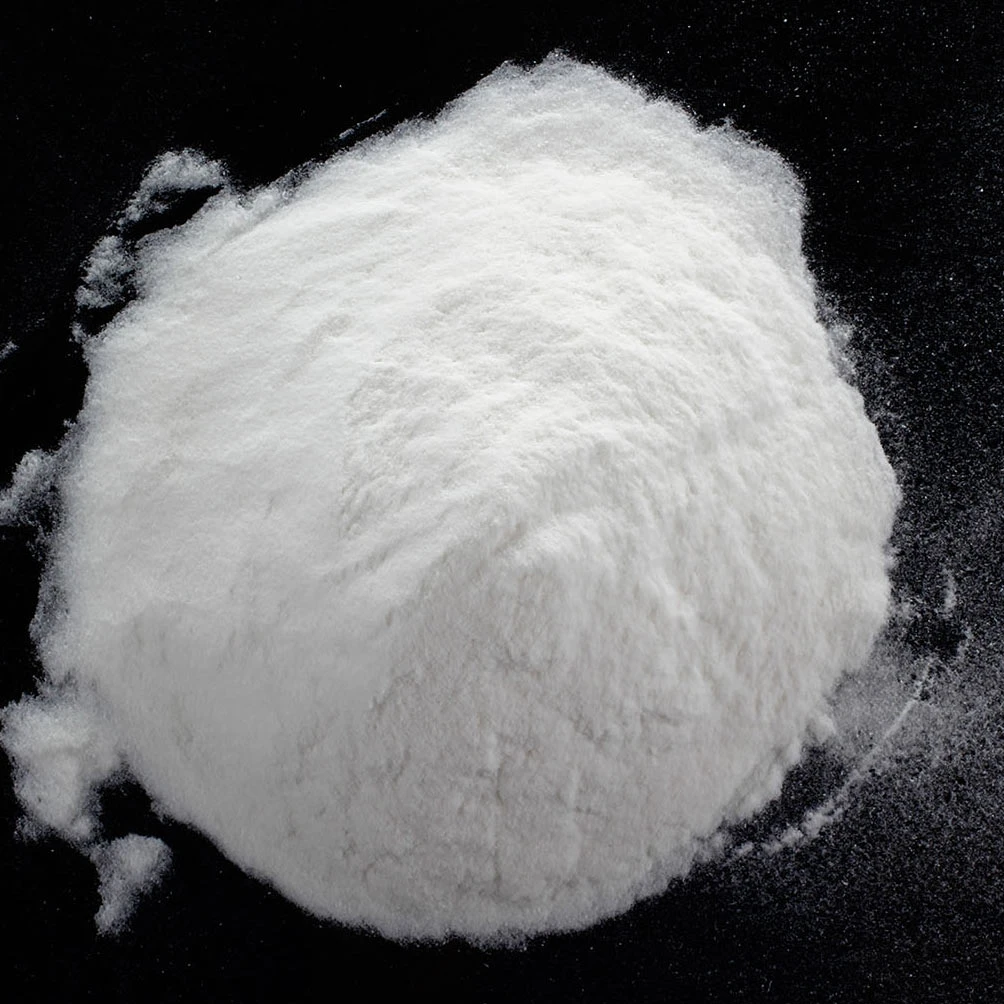
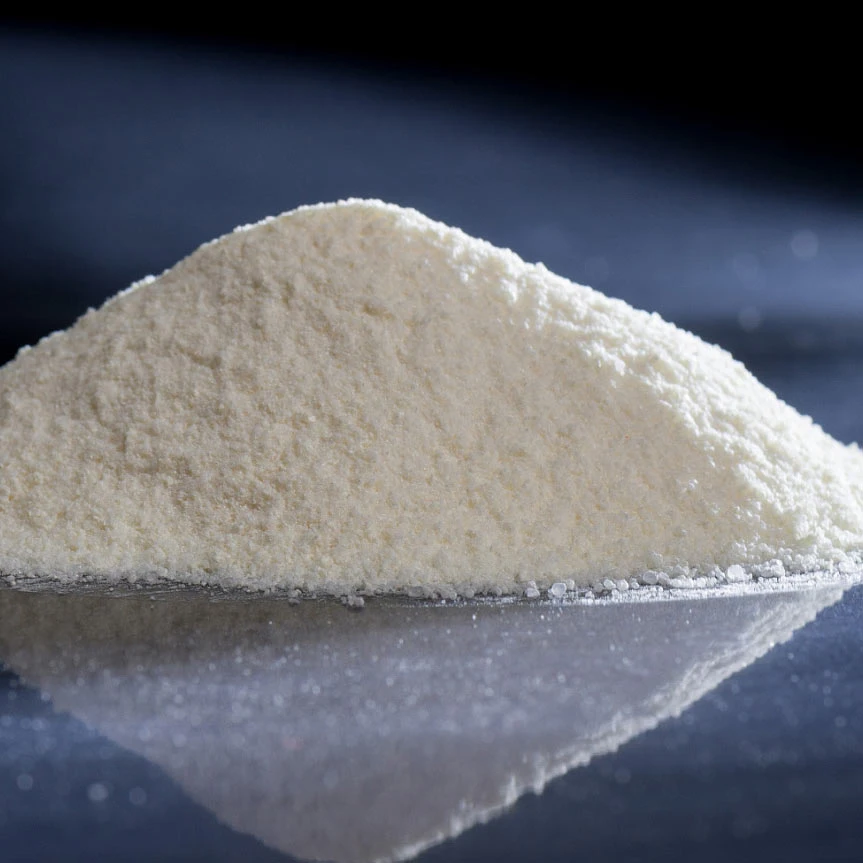
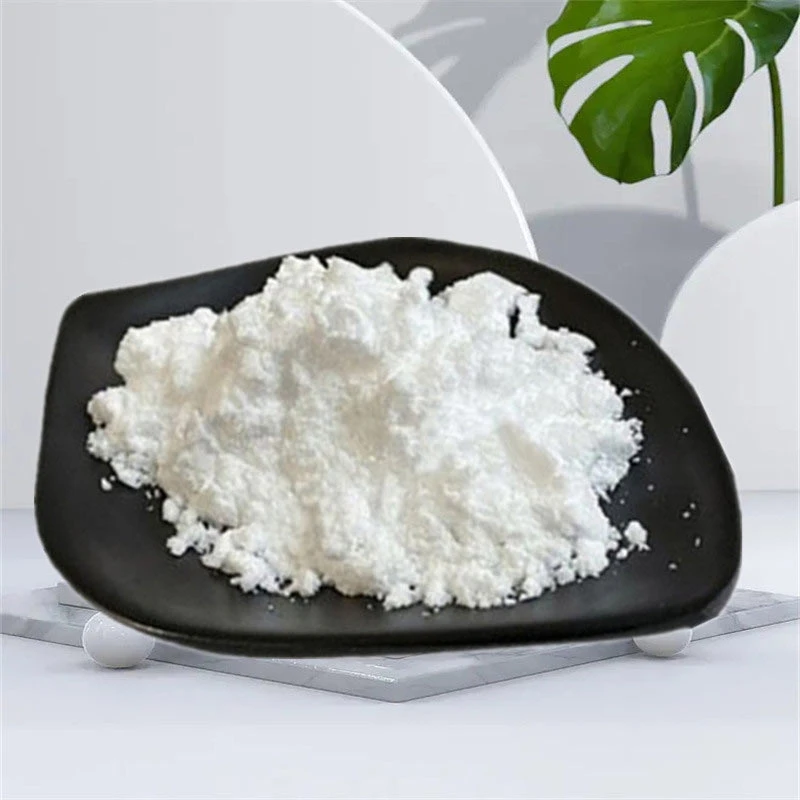
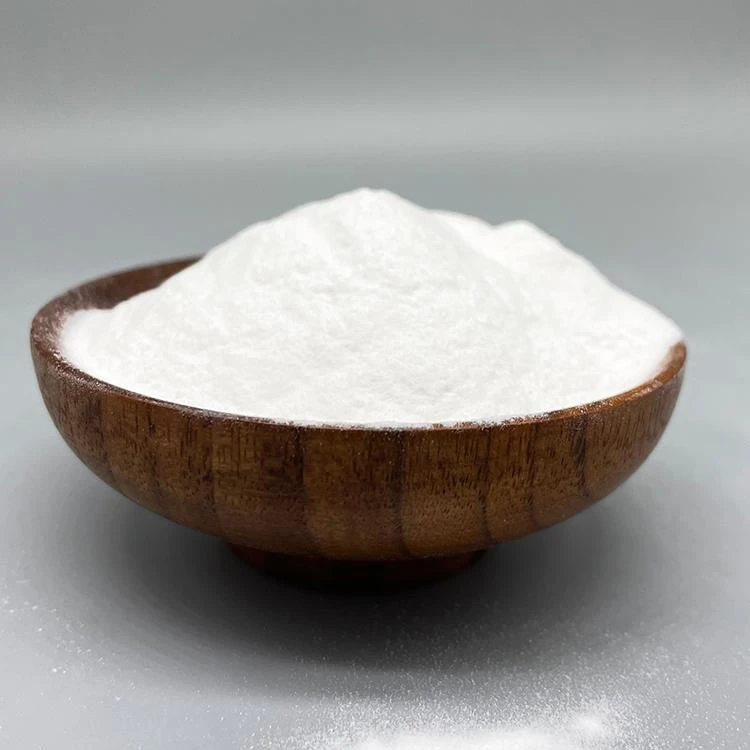
Comprehensive Guide to 2Hydroxyethyl Cellulose Properties and Industrial Applications
Understanding 2-Hydroxyethyl Cellulose: Properties, Applications, and Sourcing
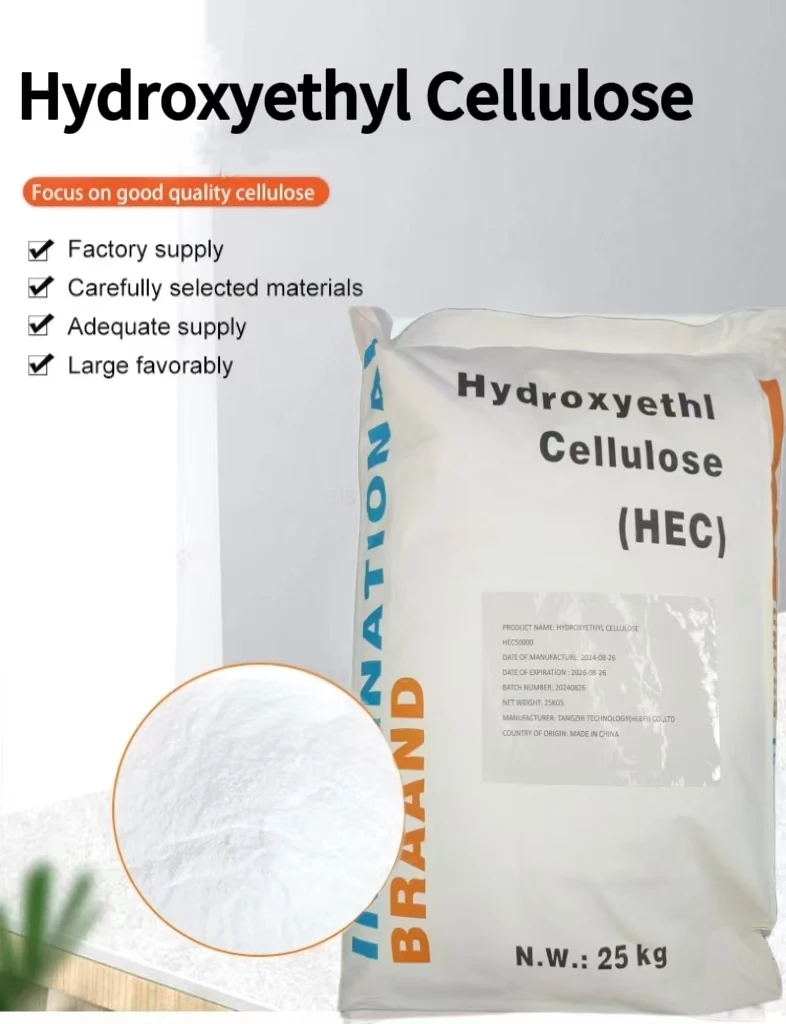
2-Hydroxyethyl cellulose (HEC) is a versatile water-soluble polymer derived from cellulose. Its unique properties make it a crucial ingredient in numerous industries, from construction and pharmaceuticals to personal care and oil drilling. This article provides a comprehensive overview of HEC, including its characteristics, diverse applications, and considerations when sourcing high-quality HEC. Understanding the intricacies of this polymer is essential for professionals seeking optimal performance and reliability in their products.

What is 2-Hydroxyethyl Cellulose?
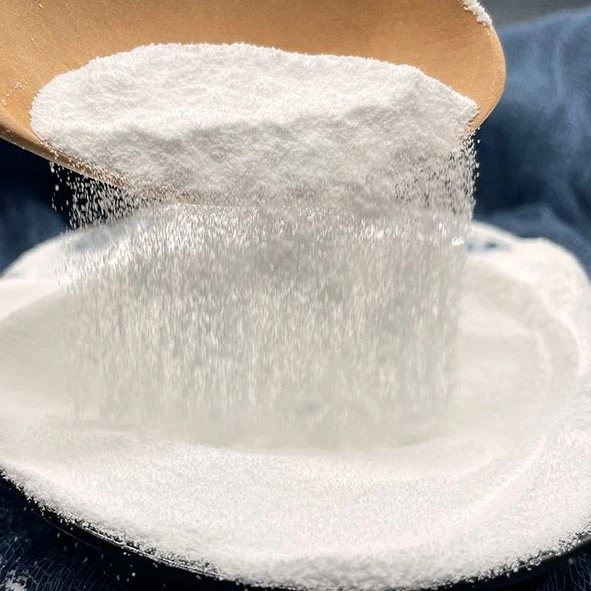
Essentially, 2-Hydroxyethyl Cellulose (HEC) is a modified cellulose that has been treated with ethylene oxide. This process introduces hydroxyethyl groups onto the cellulose backbone, dramatically enhancing its water solubility and giving it a range of desirable properties. Unlike standard cellulose, HEC readily dissolves in cold water, forming clear, viscous solutions. This makes it ideal for applications where a thickening, binding, or stabilizing agent is required. The degree of substitution (DS) – the average number of hydroxyethyl groups per glucose unit – significantly influences the polymer’s properties. Higher DS values typically result in greater water solubility and lower gel strength.
Key Highlights: HEC readily dissolves in cold water, forming clear, viscous solutions. The degree of substitution (DS) influences the polymer’s properties.
Key Properties of 2-Hydroxyethyl Cellulose
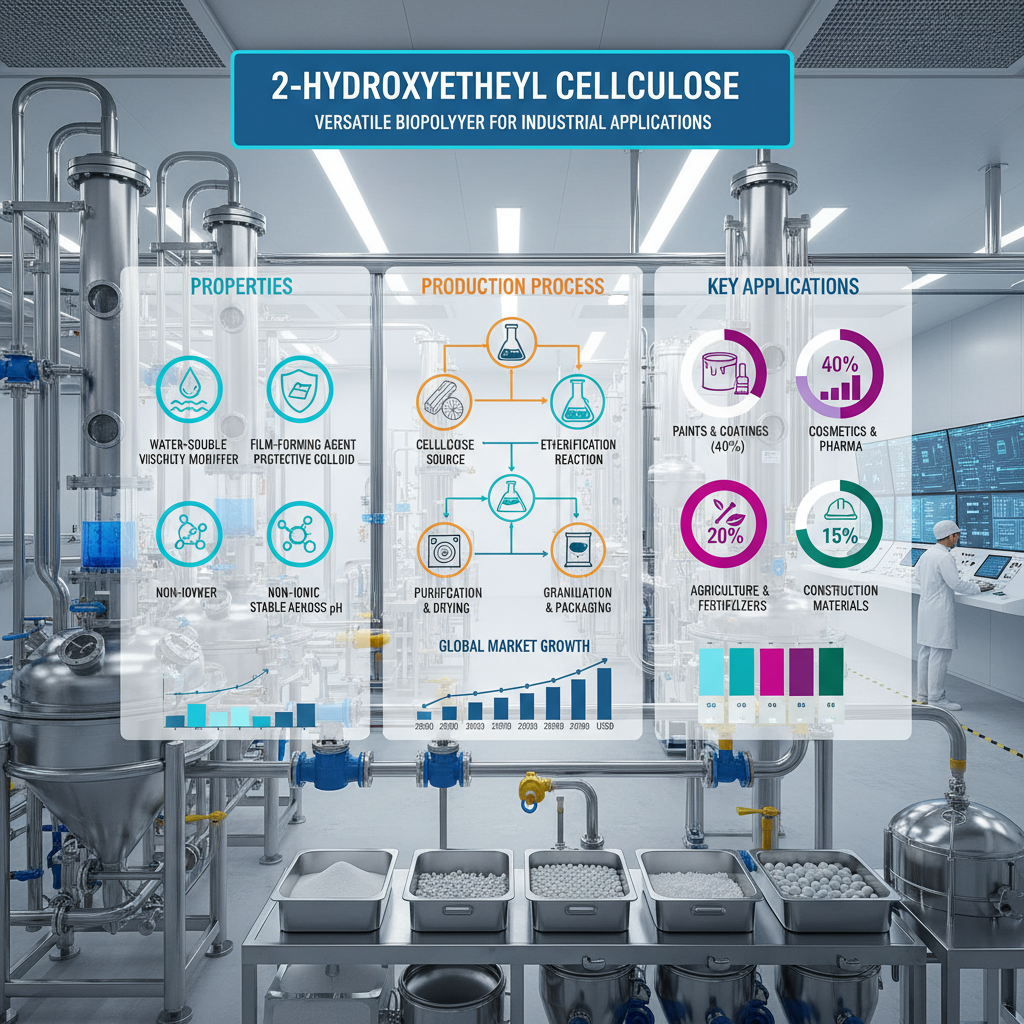
HEC boasts a remarkable combination of properties that contribute to its wide-ranging applications. These include excellent thickening efficiency, meaning a small amount can significantly increase viscosity. It exhibits pseudoplasticity, or shear-thinning behavior, which means its viscosity decreases under shear stress, making it easy to apply and spread. Furthermore, HEC demonstrates good film-forming ability, excellent water retention, and is relatively stable across a wide pH range. Its non-ionic nature makes it compatible with a wide range of other additives and ingredients. These characteristics make HEC a preferred choice over other cellulose derivatives in numerous formulations.
Key Properties:
• Excellent thickening efficiency
• Pseudoplasticity (shear-thinning behavior)
• Good film-forming ability
• Excellent water retention
Applications Across Diverse Industries
The versatility of HEC translates into a broad spectrum of applications. In the construction industry, it's a crucial component of cement-based materials, improving workability, water retention, and adhesion. Within the pharmaceutical sector, HEC serves as a binder, disintegrant, and controlled-release agent in tablets and capsules. In personal care products like shampoos, lotions, and creams, it acts as a thickener, stabilizer, and film former. The oil drilling industry relies on HEC to enhance the viscosity of drilling fluids, preventing fluid loss and improving wellbore stability. Other applications include paints, coatings, adhesives, and even food products.
2-Hydroxyethyl Cellulose Grades and Specifications
HEC is available in a variety of grades, each tailored to specific applications. These grades differ in viscosity, degree of substitution (DS), and particle size. Viscosity is typically measured using a Brookfield viscometer, with values ranging from a few hundred to several thousand centipoise (cP). DS values generally range from 1.0 to 4.0. Lower DS grades exhibit better compatibility with electrolytes, while higher DS grades offer increased water solubility. Here’s a representative table outlining common HEC specifications:
Sourcing High-Quality 2-Hydroxyethyl Cellulose
When sourcing HEC, it’s vital to partner with a reputable supplier like HPMC Powder. Factors to consider include the supplier’s quality control processes, certifications (e.g., ISO 9001), and ability to provide consistent product specifications. Ensure the HEC meets the required purity standards for your intended application. Checking for certifications like Kosher or Halal may also be important depending on your market. A reliable supplier will provide technical support and documentation to ensure successful integration of HEC into your formulations.
Conclusion: Optimizing Performance with 2-Hydroxyethyl Cellulose
2-Hydroxyethyl cellulose is a remarkably versatile polymer offering a unique combination of properties beneficial across numerous industries. By understanding its characteristics, applications, and key sourcing considerations, professionals can leverage its capabilities to enhance product performance and achieve optimal results. Partnering with a trusted supplier like HPMC Powder ensures access to high-quality HEC and expert support.
Frequently Asked Questions (FAQs)
What is the difference between HEC and other cellulose ethers like CMC?
Hydroxyethyl cellulose (HEC) and carboxymethyl cellulose (CMC) are both cellulose derivatives, but they differ in their modifying groups and resulting properties. HEC is modified with hydroxyethyl groups, providing excellent water solubility, thickening efficiency, and pseudoplasticity. CMC, modified with carboxymethyl groups, is also water-soluble but typically exhibits lower thickening efficiency and can be sensitive to electrolytes. HEC generally offers better clarity and film-forming properties than CMC, making it preferred for applications like personal care and oil drilling. The choice between the two depends on the specific requirements of the formulation.
How does temperature affect the viscosity of HEC solutions?
Generally, the viscosity of HEC solutions decreases with increasing temperature. However, the extent of this decrease depends on the grade of HEC and its concentration. Lower viscosity grades are less sensitive to temperature changes than higher viscosity grades. The effect is reversible; as the temperature decreases, the viscosity will typically return to its original level. This temperature sensitivity should be considered when formulating products that will be exposed to varying temperatures.
Is HEC biodegradable?
While cellulose itself is biodegradable, the biodegradability of HEC is complex and depends on several factors, including the degree of substitution (DS) and the environmental conditions. Lower DS grades of HEC tend to be more readily biodegradable than higher DS grades. However, even lower DS grades may not degrade rapidly in all environments. Under specific composting conditions, biodegradation can occur, but it’s not as straightforward as with unmodified cellulose.
What safety precautions should be taken when handling HEC powder?
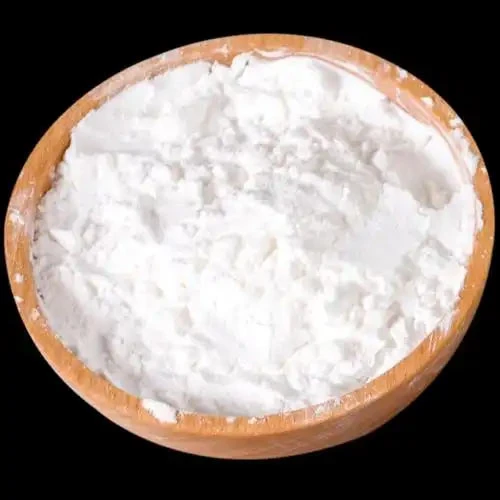
HEC powder is generally considered safe, but it can cause irritation to the eyes, skin, and respiratory tract. It's recommended to wear appropriate personal protective equipment (PPE), such as safety glasses, gloves, and a dust mask, when handling the powder. Avoid creating dust and ensure adequate ventilation. In case of contact with eyes or skin, flush thoroughly with water. Refer to the Safety Data Sheet (SDS) for detailed safety information.
-
Industrial Guide to Cellosize Hydroxyethyl Cellulose ApplicationsNewsApr.16,2026
-
Industrial Applications and Benefits of nanofibrillar celluloseNewsApr.09,2026
-
Comprehensive Guide to Hydroxypropyl Methylcellulose and Its Diverse ApplicationsNewsApr.07,2026
-
Exploring Cellulose Based Packaging A Sustainable Choice for BusinessesNewsApr.04,2026
-
Comprehensive Guide to MHEC Chemical Properties and Industrial ApplicationsNewsMar.31,2026
-
Exploring Cellulose Packaging for Food A Sustainable and Renewable SolutionNewsMar.28,2026