Comprehensive Guide to Carboxymethyl Cellulose Sodium Applications and Industrial Uses
Carboxymethyl Cellulose Sodium: A Comprehensive Guide
Carboxymethyl cellulose sodium (CMC), a versatile cellulose derivative, plays a crucial role in numerous industries ranging from food and pharmaceuticals to oil drilling and detergents. Its unique properties as a thickening agent, stabilizer, and binder make it an invaluable component in a wide array of applications. Understanding the characteristics, grades, and applications of CMC is essential for optimizing product formulation and performance. This article provides an in-depth exploration of CMC, covering its key features, industrial applications, and considerations for selection and usage.

What is Carboxymethyl Cellulose Sodium?
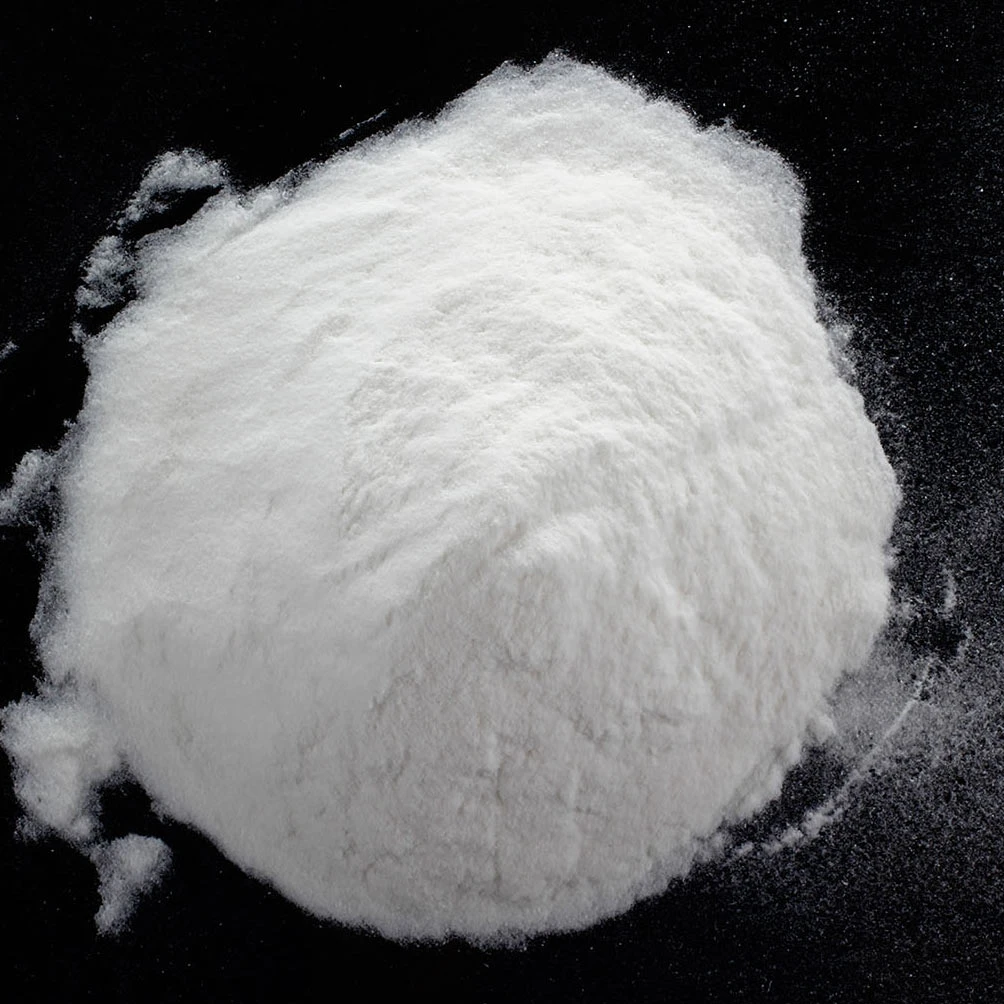
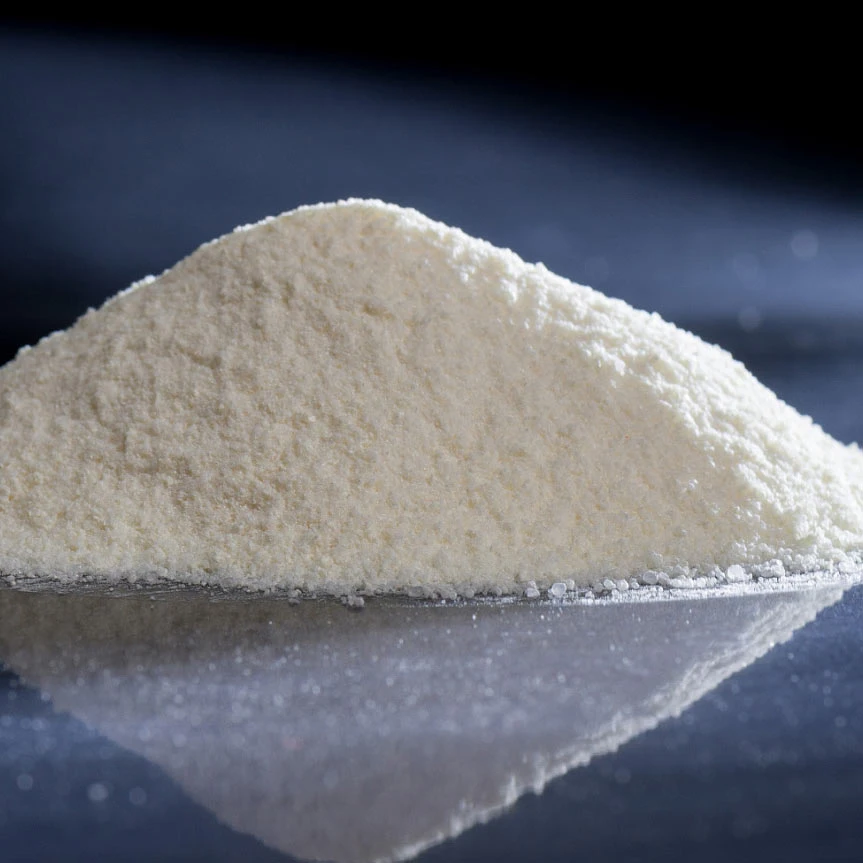
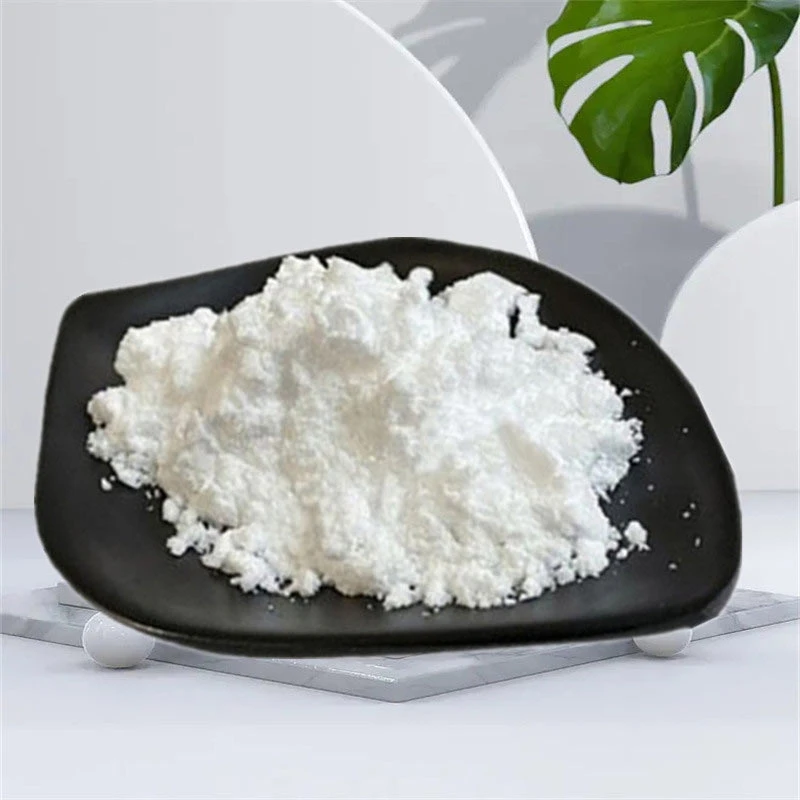
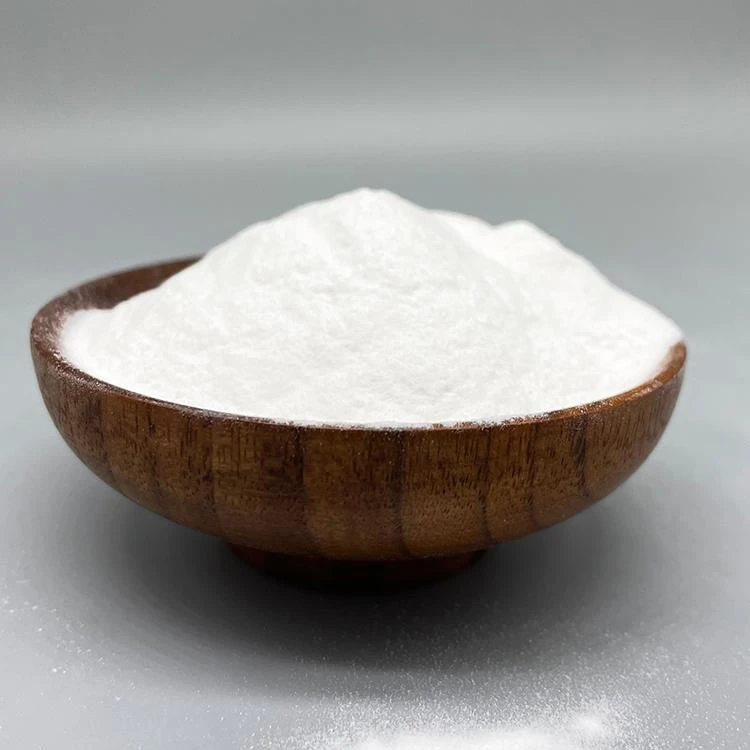
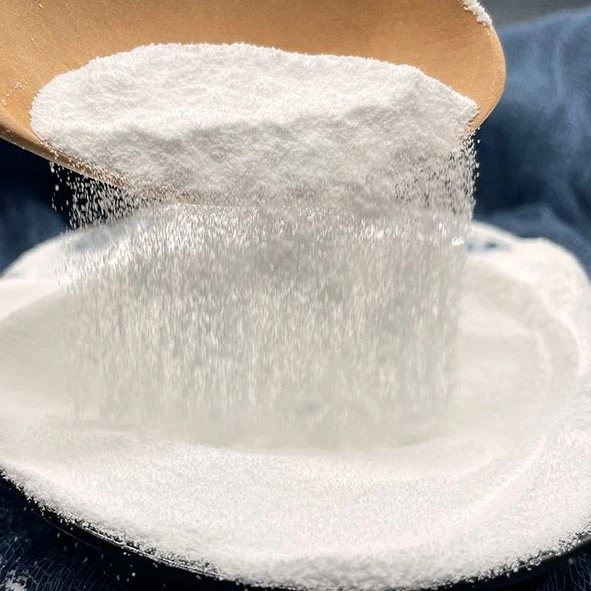
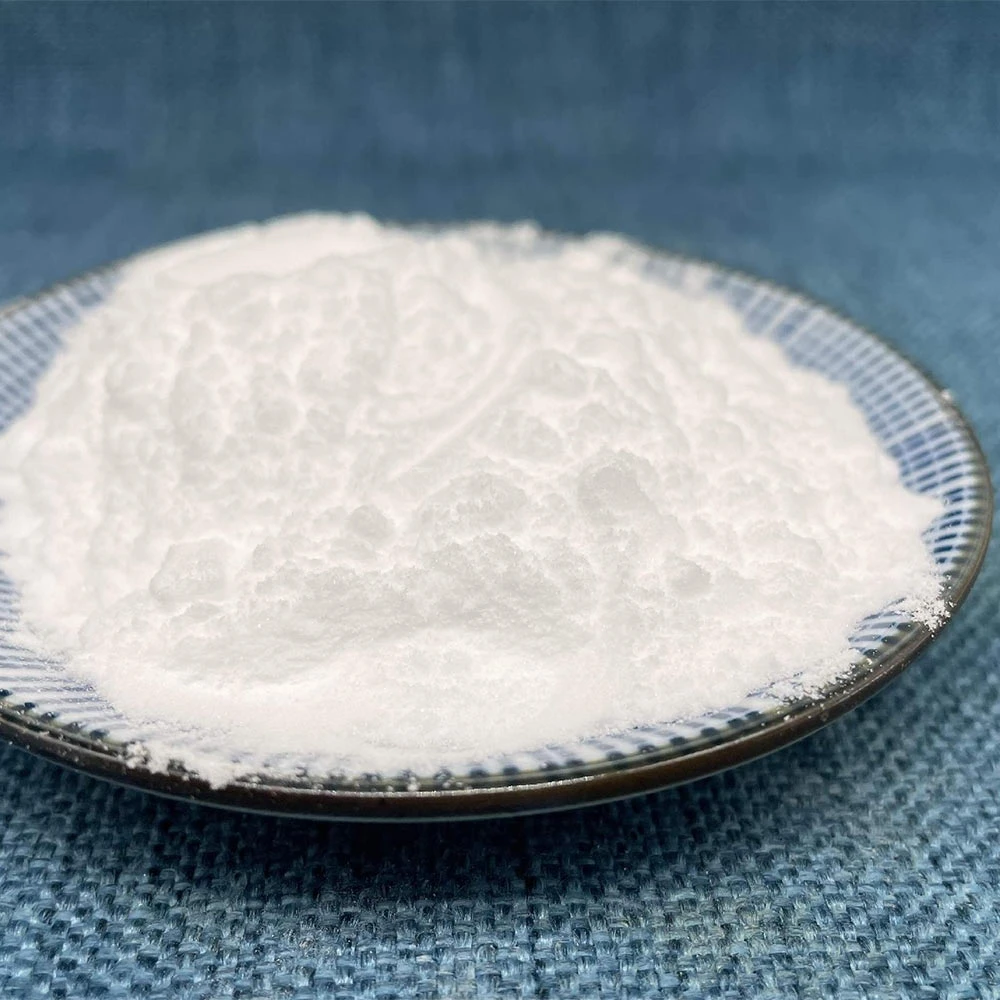
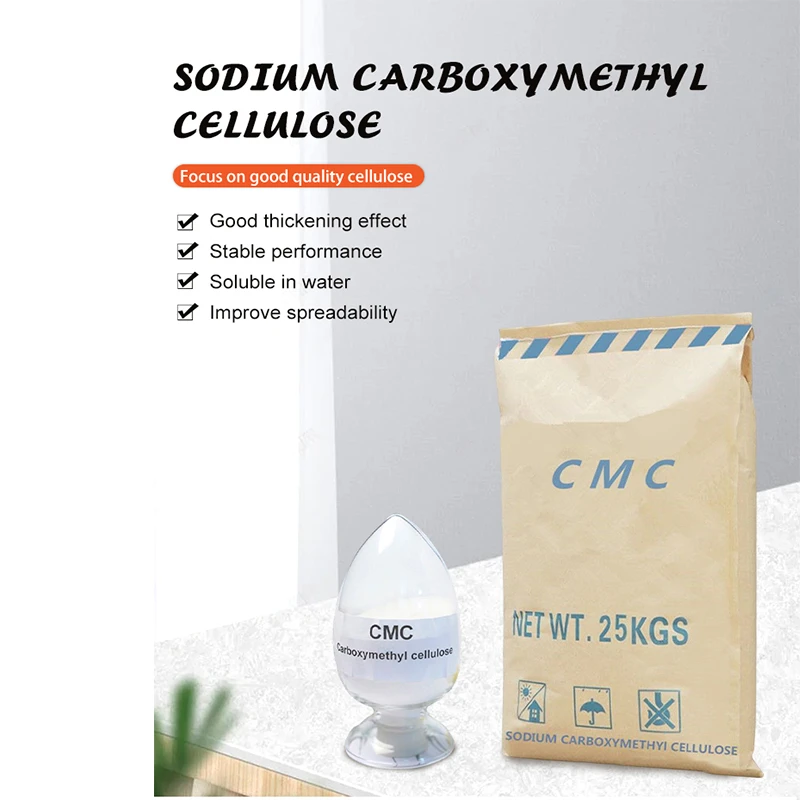
Carboxymethyl cellulose sodium is an anionic polysaccharide derived from cellulose. It's created by chemically modifying cellulose through the addition of carboxymethyl groups. This process introduces negatively charged functional groups, making CMC water-soluble and giving it its characteristic thickening and stabilizing properties. The degree of substitution (DS) – the average number of carboxymethyl groups per cellulose unit – influences its solubility and viscosity. CMC is available in various grades and viscosities, allowing for customization to specific application requirements. It’s a white to pale yellow, odorless, and tasteless powder, making it suitable for use in food and pharmaceutical applications.
Key Highlights: CMC is a water-soluble cellulose derivative used as a thickening agent, stabilizer, binder, and suspending agent in diverse industries.
Applications of Carboxymethyl Cellulose Sodium
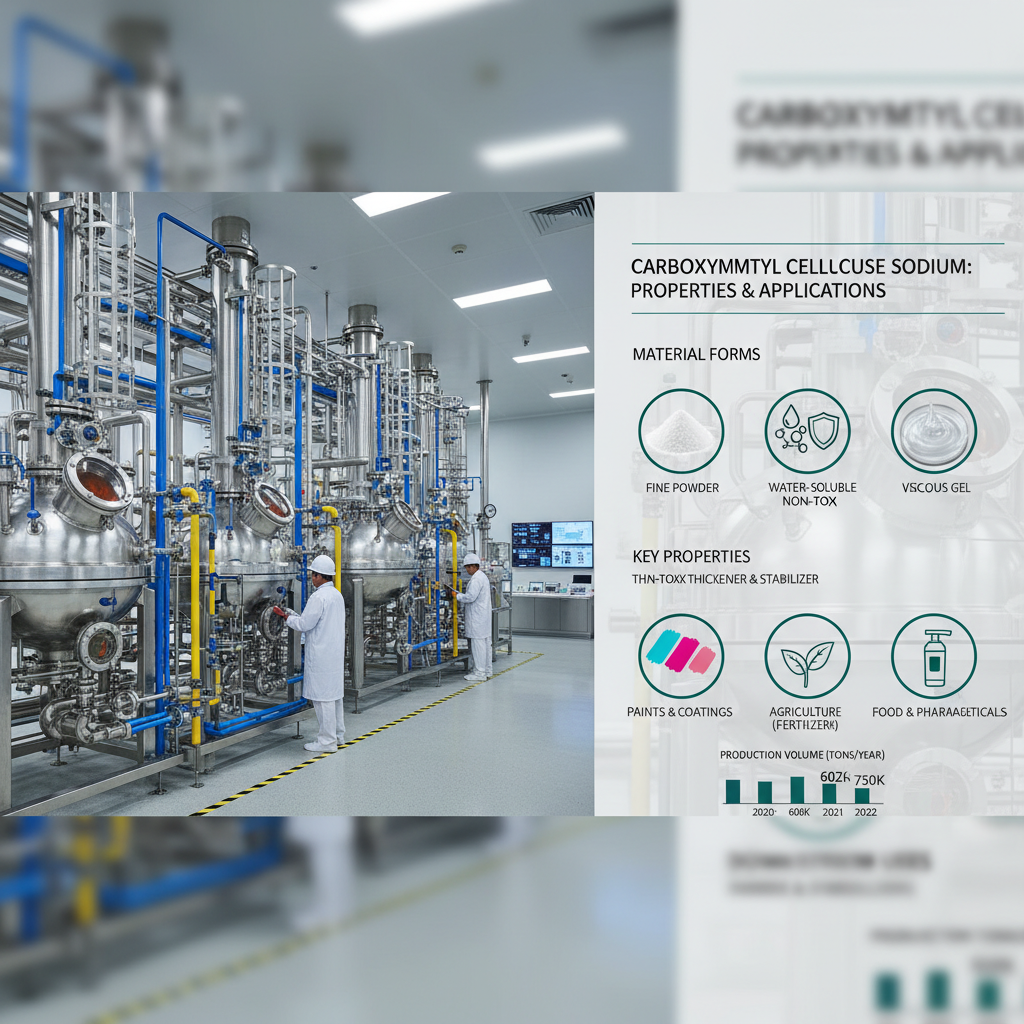
The versatility of CMC stems from its unique physicochemical properties. In the food industry, it’s used as a thickener in sauces, ice cream, and baked goods. Pharmaceuticals utilize it as a binder in tablets, a viscosity enhancer in suspensions, and a stabilizer in emulsions. In the oil drilling industry, CMC acts as a fluid loss control agent and a viscosifier in drilling muds. Detergent formulations benefit from CMC's ability to prevent soil redeposition. Furthermore, it’s found in textiles, paper, and adhesives, demonstrating its broad applicability.
Application Areas:
• Food Industry: Thickener, stabilizer, texture modifier
• Pharmaceuticals: Binder, disintegrant, viscosity enhancer
• Oil Drilling: Fluid loss control, viscosifier
• Detergents: Anti-redeposition agent
Carboxymethyl Cellulose Sodium Grades and Viscosity
CMC is available in numerous grades, categorized primarily by viscosity. Viscosity, measured in centipoise (cP), determines the thickening power of CMC. Low-viscosity grades are suitable for applications requiring minimal thickening, such as coatings, while high-viscosity grades are preferred for applications like drilling muds and certain food products. The degree of substitution (DS) also plays a role – higher DS generally leads to better solubility in cold water. Selecting the appropriate grade of CMC sodium depends on the specific requirements of the application.
Factors Influencing CMC Performance
Several factors influence the performance of CMC in a given application. pH, temperature, and the presence of salts can all affect its viscosity and stability. Generally, CMC is more stable at slightly alkaline pH levels. Temperature can impact viscosity – higher temperatures usually lead to reduced viscosity. Salts can interact with CMC, either increasing or decreasing viscosity depending on the type and concentration of the salt. Understanding these interactions is crucial for optimizing formulations and ensuring consistent performance.
Quality Control and Regulatory Considerations
Ensuring the quality of CMC is paramount, particularly for food and pharmaceutical applications. Key quality control parameters include viscosity, degree of substitution, moisture content, and heavy metal content. Reputable suppliers will provide Certificates of Analysis (COA) detailing these specifications. Regulatory compliance is also essential. CMC used in food applications must meet the requirements of relevant food safety authorities, such as the FDA in the United States and EFSA in Europe. Selecting a trusted supplier with robust quality control measures is vital for ensuring product safety and efficacy.
Conclusion: The Indispensable Role of CMC
Carboxymethyl cellulose sodium remains a cornerstone ingredient across diverse industries due to its unique functionality and versatility. From enhancing food texture to improving oil drilling efficiency, CMC’s impact is significant. By understanding its properties, grades, and application considerations, businesses can optimize product formulations and achieve desired performance outcomes. HPMC Powder offers a reliable source of high-quality CMC to meet the evolving needs of your industry.
Frequently Asked Questions (FAQs)
What is the shelf life of carboxymethyl cellulose sodium?
When stored properly in a cool, dry place, away from direct sunlight and moisture, carboxymethyl cellulose sodium typically has a shelf life of at least two years. However, it's always best to check the manufacturer's Certificate of Analysis (COA) for specific storage recommendations and expiry dates. Proper storage is crucial to maintain its viscosity and functionality. Over time, exposure to humidity can cause clumping and reduce its effectiveness.
Is CMC a vegan ingredient?
Yes, carboxymethyl cellulose sodium is generally considered a vegan ingredient. It is derived from cellulose, which is obtained from plant sources like wood pulp and cotton linters. The manufacturing process does not involve any animal-derived products. However, it's always recommended to verify with the supplier to ensure that their specific CMC product is processed and handled in a manner that aligns with vegan standards.
How do I dissolve CMC in water?
CMC dissolves best in cold or warm water with continuous stirring. Adding CMC slowly to the water while vigorously stirring prevents clumping. A vortex is helpful. Avoid adding CMC directly to hot water, as this can cause it to clump and become difficult to dissolve. For certain grades, pre-mixing with a small amount of glycerol or sorbitol can aid in dispersion. Allow sufficient time for complete hydration to achieve optimal viscosity.
Are there any safety concerns associated with CMC?
Carboxymethyl cellulose sodium is generally recognized as safe (GRAS) by regulatory authorities like the FDA. It is non-toxic and does not pose significant health risks when used in accordance with recommended guidelines. Some individuals may experience mild digestive discomfort if consumed in large quantities. However, adverse reactions are rare. It's crucial to use CMC that meets food-grade or pharmaceutical-grade specifications to ensure purity and safety.
-
Industrial Guide to Cellosize Hydroxyethyl Cellulose ApplicationsNewsApr.16,2026
-
Industrial Applications and Benefits of nanofibrillar celluloseNewsApr.09,2026
-
Comprehensive Guide to Hydroxypropyl Methylcellulose and Its Diverse ApplicationsNewsApr.07,2026
-
Exploring Cellulose Based Packaging A Sustainable Choice for BusinessesNewsApr.04,2026
-
Comprehensive Guide to MHEC Chemical Properties and Industrial ApplicationsNewsMar.31,2026
-
Exploring Cellulose Packaging for Food A Sustainable and Renewable SolutionNewsMar.28,2026