Exploring Nanofibrillated Cellulose Applications and Benefits for Sustainable Materials
Nanofibrillated Cellulose: A Deep Dive into Applications and Benefits
Nanofibrillated cellulose (NFC) is a remarkable biomaterial derived from cellulose, the main structural component of plant cell walls. Its unique properties – high strength, biodegradability, and renewability – are driving its adoption across numerous industries. From enhancing material performance to creating sustainable packaging, HPMC Powder alongside NFC, are revolutionizing material science. This article will explore the production, properties, diverse applications, and future potential of nanofibrillated cellulose.
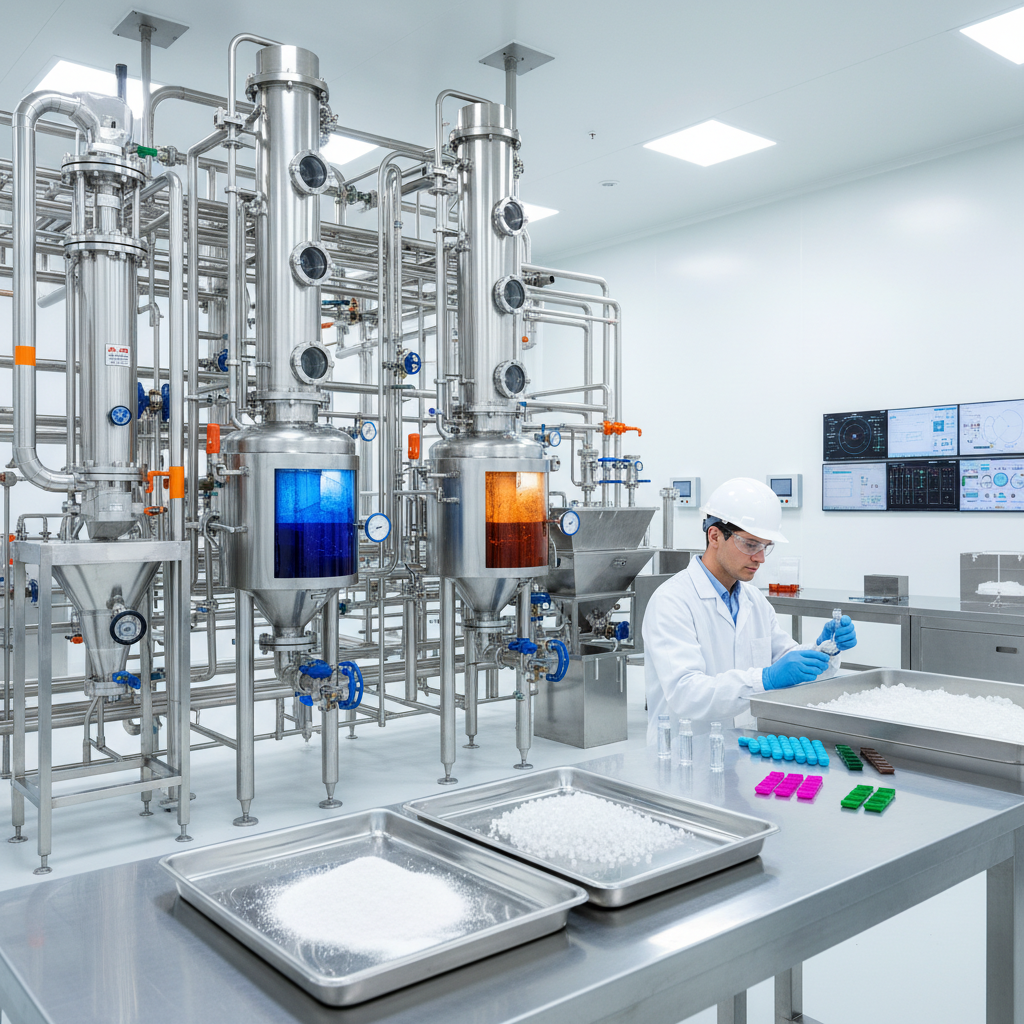
What is Nanofibrillated Cellulose and How is it Made?
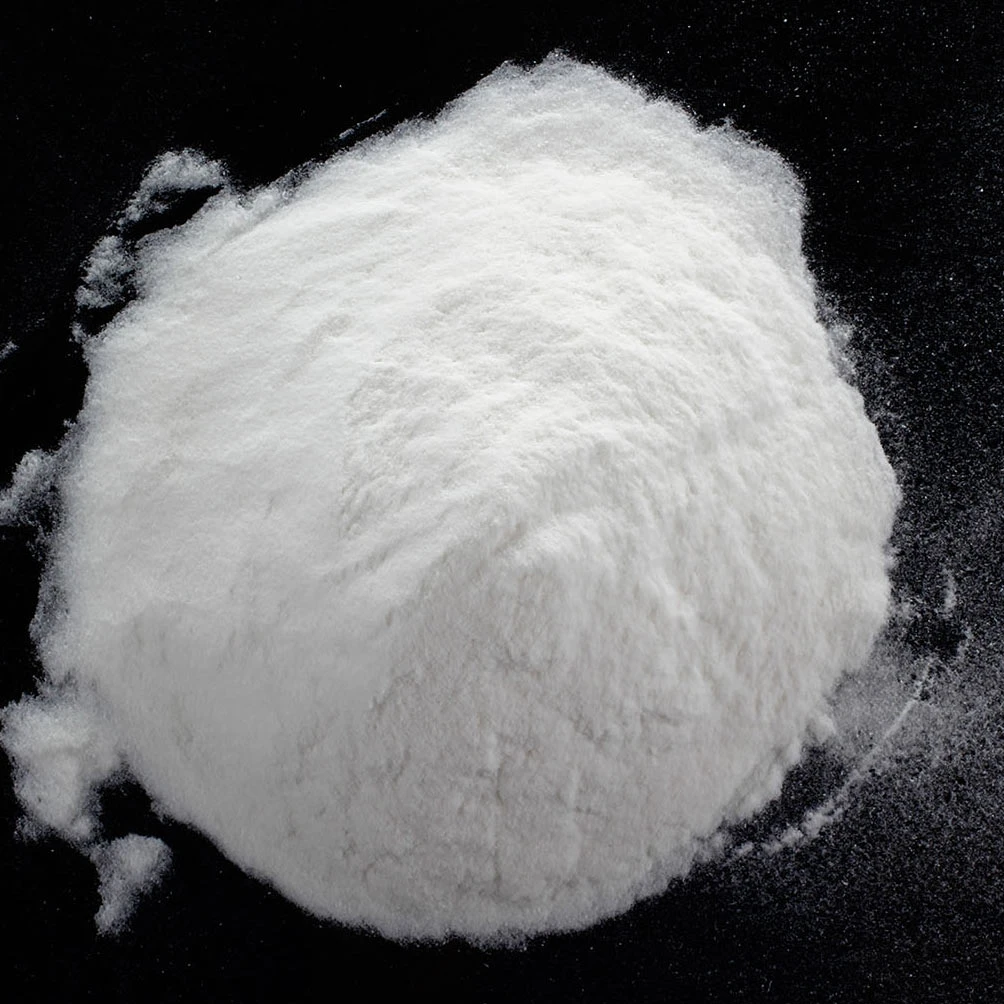
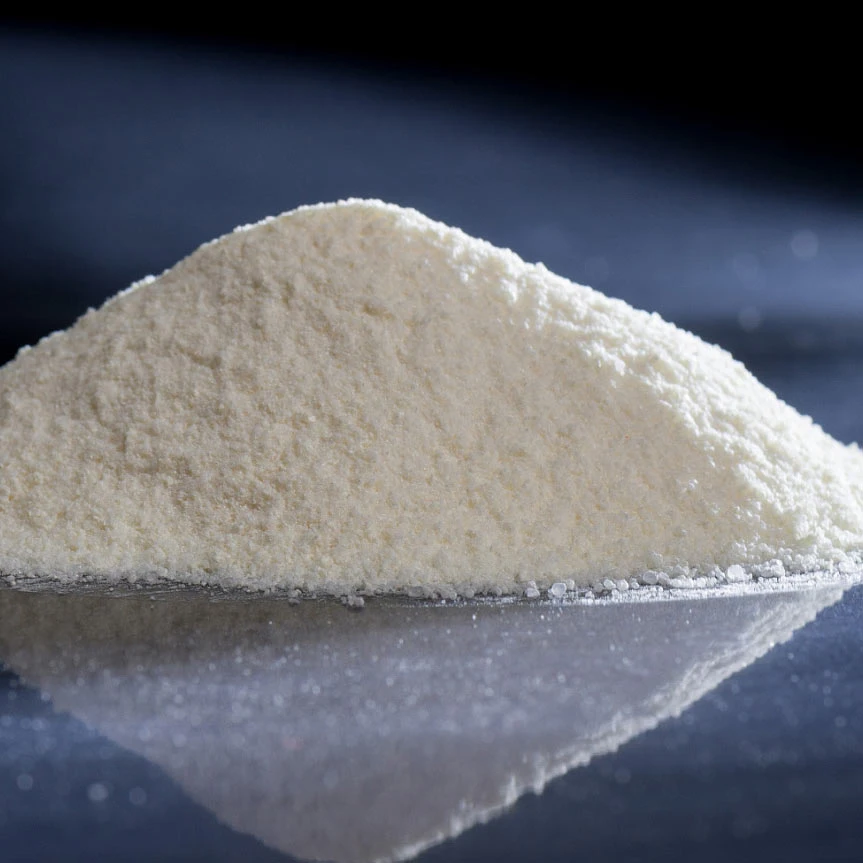
Nanofibrillated cellulose consists of cellulose nanofibrils extracted from cellulose-rich sources like wood pulp, agricultural residues, and bacterial cellulose. The production process typically involves mechanical disintegration, often employing high-pressure homogenization, microfluidization, or cryo-grinding. These methods break down the cellulose structure into individual nanofibrils, typically ranging from 2 to 20 nanometers in diameter and several micrometers in length. The resulting material exhibits a high surface area and excellent mechanical properties.
Key Highlights: NFC production prioritizes sustainable sourcing and energy-efficient methods for a minimal environmental footprint. Its unique structure results in remarkable strength and versatility.
Key Properties of Nanofibrillated Cellulose
NFC possesses a unique combination of properties that make it highly desirable across diverse applications. These include: high mechanical strength (comparable to steel on a weight-for-weight basis), high surface area, excellent barrier properties, biodegradability, renewability, and the ability to form transparent and flexible films. Its inherent biocompatibility also makes it attractive for biomedical applications. HPMC Powder's compatibility with NFC further expands the range of achievable material properties.
NFC Property Benefits:
• High Strength: Enhanced material durability.
• Biodegradability: Environmentally friendly alternative to synthetic materials.
• Renewability: Sourced from sustainable biomass.
• Barrier Properties: Improved packaging and coating functionality.
Nanofibrillated Cellulose Applications Across Industries
The versatility of NFC is reflected in its wide range of applications. In the packaging industry, NFC is used to create sustainable and biodegradable films and coatings. In composites, it acts as a reinforcing agent, enhancing strength and reducing weight. Healthcare benefits from its biocompatibility in wound dressings, drug delivery systems, and tissue engineering scaffolds. Cosmetics incorporate NFC as a thickening agent and stabilizer. Furthermore, it's finding use in filtration membranes, electronics, and construction materials.
Future Trends and Innovations in Nanofibrillated Cellulose
Research and development continue to expand the possibilities of NFC. Current trends include exploring new sources of cellulose, optimizing production processes for cost reduction, and tailoring NFC properties for specific applications through chemical modifications. Combining NFC with other biomaterials, like HPMC, is also gaining traction, leading to synergistic effects and novel material functionalities. The growing demand for sustainable materials will undoubtedly fuel further innovation in the field of nanofibrillated cellulose.
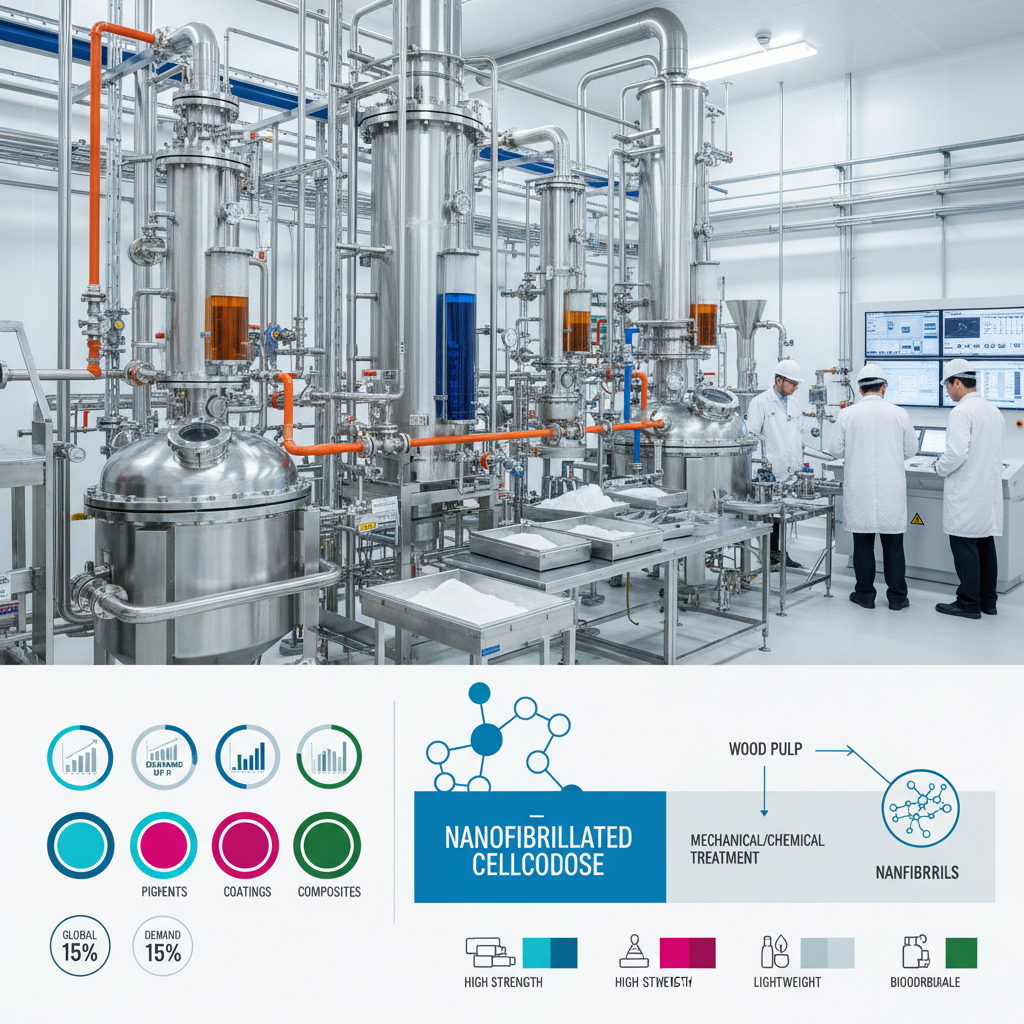
Product Specifications of Our NFC
At HPMC Powder, we offer high-quality nanofibrillated cellulose tailored to meet a variety of industrial needs. Below is a detailed look at our NFC specifications:
Conclusion: Embracing the Potential of Nanofibrillated Cellulose
Nanofibrillated cellulose is poised to become a cornerstone material in a more sustainable future. Its remarkable properties, combined with its renewability and biodegradability, make it an ideal substitute for traditional materials in countless applications. HPMC Powder is committed to providing high-quality NFC to empower innovation across industries.
Frequently Asked Questions (FAQs)
What are the main benefits of using NFC over traditional fillers?
Nanofibrillated cellulose offers several advantages over conventional fillers. Its high aspect ratio (length to diameter) contributes to superior reinforcing capabilities even at low concentrations. Unlike many traditional fillers, NFC is biodegradable and derived from renewable sources, making it a more sustainable option. Furthermore, NFC's high surface area enhances interactions with the surrounding matrix, leading to improved mechanical properties and barrier performance.
Is NFC suitable for food packaging applications?
Yes, NFC is gaining popularity in food packaging due to its biodegradability, high barrier properties against gases, and non-toxicity. It can be used to create coatings or films that extend the shelf life of food products and reduce reliance on petroleum-based plastics. However, it’s crucial to ensure that the NFC used meets food-grade standards and complies with relevant regulations.
How does NFC contribute to sustainability?
NFC promotes sustainability through several pathways. It's derived from renewable resources, reducing dependence on fossil fuels. Its biodegradability minimizes plastic waste accumulation in landfills. Its lightweight nature can lower transportation costs and associated carbon emissions. The use of NFC encourages a circular economy, supporting environmentally responsible material management.
What is the typical cost of nanofibrillated cellulose?
The cost of NFC can vary depending on factors such as purity, production scale, and source material. Generally, it is more expensive than conventional cellulose pulp, but prices are decreasing as production technology improves and demand increases. Contact HPMC Powder for a detailed quote tailored to your specific needs.
-
Industrial Guide to Cellosize Hydroxyethyl Cellulose ApplicationsNewsApr.16,2026
-
Industrial Applications and Benefits of nanofibrillar celluloseNewsApr.09,2026
-
Comprehensive Guide to Hydroxypropyl Methylcellulose and Its Diverse ApplicationsNewsApr.07,2026
-
Exploring Cellulose Based Packaging A Sustainable Choice for BusinessesNewsApr.04,2026
-
Comprehensive Guide to MHEC Chemical Properties and Industrial ApplicationsNewsMar.31,2026
-
Exploring Cellulose Packaging for Food A Sustainable and Renewable SolutionNewsMar.28,2026