Comprehensive Guide to Cellulose Sanding Sealer for Superior Wood Finishing
Understanding Cellulose Sanding Sealer: A Comprehensive Guide
Cellulose sanding sealer is a crucial component in achieving a high-quality wood finish. This versatile product, offered by leading manufacturers like HPMC Powder, is designed to fill wood pores, raise the grain, and provide a smooth surface for subsequent coats of finish. In this article, we'll explore the benefits, applications, and key considerations when using cellulose sanding sealer for your woodworking projects. Properly applying sanding sealer is a vital step in ensuring a beautiful and durable finish, maximizing the aesthetic appeal and longevity of your wooden creations.
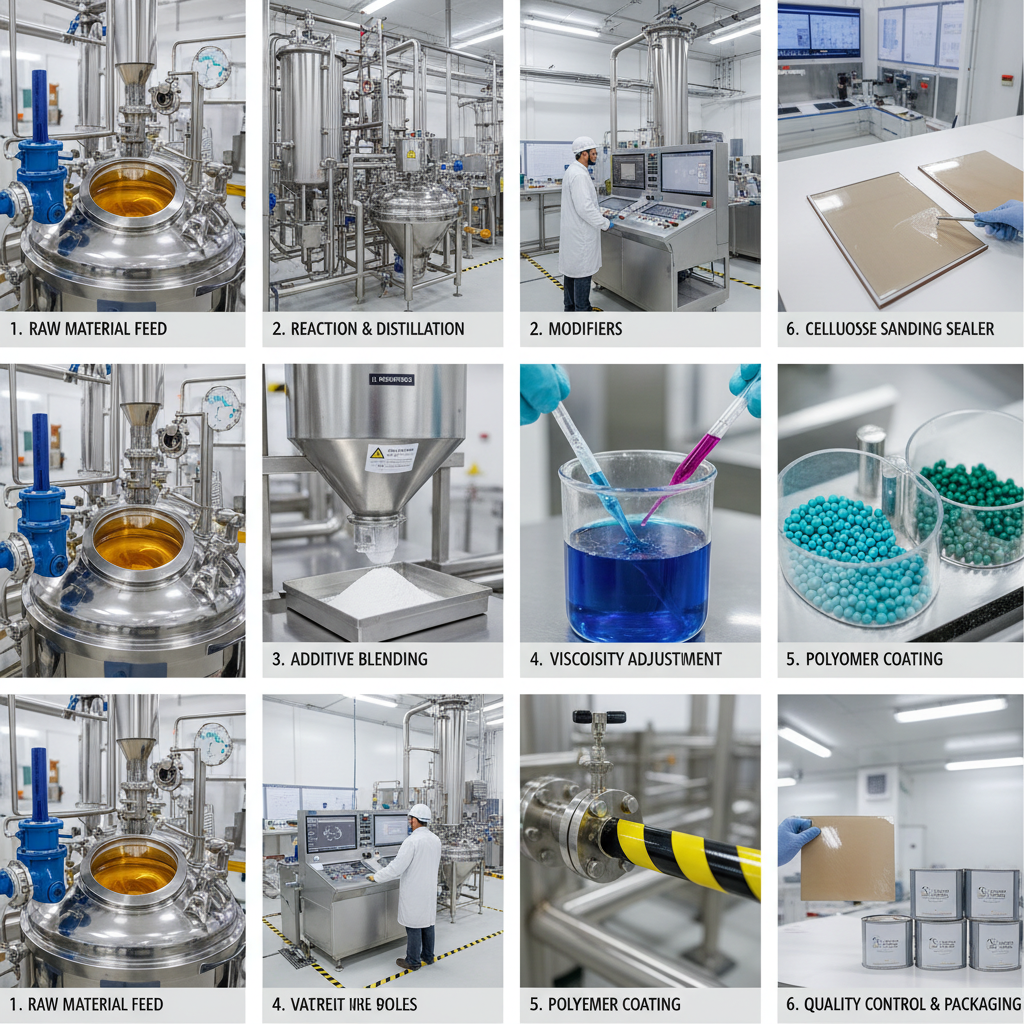
What is Cellulose Sanding Sealer?
Cellulose sanding sealer is a fast-drying liquid composed primarily of cellulose derivatives, resins, solvents, and sometimes, waxes. Its primary function is to prepare wood surfaces for finishing by sealing the pores and creating a uniform base. This process minimizes the amount of stain or topcoat absorbed into the wood, resulting in a more even and consistent color. It also raises the wood grain, allowing for easier sanding and a smoother final surface. The sealer effectively bridges minor imperfections, ensuring a flawless finish. A quality cellulose sanding sealer from a trusted supplier is the foundation of a successful finishing project.
Key Highlights: Fast-drying, seals wood pores, raises the grain, provides a uniform base for finishing, minimizes stain absorption.
Applications of Cellulose Sanding Sealer
Cellulose sanding sealer is exceptionally versatile and is used in numerous woodworking applications. It’s commonly employed on furniture, cabinetry, doors, and other wood surfaces that require a high-quality finish. It’s particularly beneficial for open-grained woods like oak, ash, and mahogany, where it effectively fills the pores. It can also be used on softer woods like pine to improve their sandability and create a smoother surface. The sealer is an essential step before applying stains, varnishes, lacquers, and paints. Using a cellulose sanding sealer ensures consistent results and a professional-looking finish.
Application Areas:
• Furniture
• Cabinetry
• Doors & Windows
• Wood Paneling
Cellulose Sanding Sealer vs. Other Wood Sealers
While several wood sealers are available, cellulose sanding sealer offers unique advantages. Compared to shellac-based sealers, it generally dries faster and is more durable. Compared to oil-based sealers, it provides a harder surface that is easier to sand smooth. Water-based sealers, while environmentally friendly, may not provide the same level of pore filling and grain raising. The ideal choice depends on the project’s specific needs and the desired finish. However, for many applications, cellulose sanding sealer offers an excellent balance of performance and ease of use. Choosing a high-quality product from a reliable source, such as HPMC Powder, is crucial for optimal results.
Application Tips for Best Results
Proper application is key to maximizing the benefits of cellulose sanding sealer. Ensure the wood surface is clean, dry, and free of dust and debris. Apply the sealer in thin, even coats, using a brush, spray gun, or wiping cloth. Allow each coat to dry completely before sanding lightly with fine-grit sandpaper (220-320 grit). Multiple thin coats are preferable to one thick coat. Avoid applying the sealer in humid conditions, as this can affect the drying time and finish quality. Always follow the manufacturer's instructions for specific application guidelines. You can find detailed information and quality products at HPMC Powder's website.

Conclusion: Achieving a Superior Wood Finish
Cellulose sanding sealer is an indispensable tool for any woodworker seeking a professional-quality finish. Its ability to seal wood pores, raise the grain, and provide a smooth base makes it a crucial step in the finishing process. By choosing a high-quality product, like those offered by HPMC Powder, and following proper application techniques, you can achieve stunning and durable results.
Frequently Asked Questions (FAQs)
How many coats of cellulose sanding sealer should I apply?
Typically, 2-3 coats of cellulose sanding sealer are recommended. This provides adequate pore filling and grain raising. Apply each coat thinly and allow it to dry completely before sanding lightly. The number of coats may vary depending on the wood species and its porosity. Open-grained woods generally require more coats than closed-grained woods. For best results, follow the manufacturer's recommendations, available on websites like HPMC Powder.
What grit sandpaper should I use after applying sanding sealer?
After the sanding sealer has dried, use fine-grit sandpaper (220-320 grit) to lightly sand the surface. The goal is to remove any raised grain and create a smooth base for the finish. Avoid using coarse sandpaper, as this can damage the sealer and create scratches. Sand with the grain to achieve the best results. Always dust the surface thoroughly after sanding before applying the next coat or finish.
Can I apply stain over cellulose sanding sealer?
Yes, cellulose sanding sealer is specifically designed to be stained over. The sealer helps to control stain absorption, resulting in a more even and consistent color. However, it's important to test the stain on a scrap piece of wood first to ensure compatibility and achieve the desired shade. Always apply the stain evenly and wipe off any excess.
What safety precautions should I take when using cellulose sanding sealer?
Cellulose sanding sealer contains solvents that can be flammable and harmful if inhaled. Work in a well-ventilated area, wear a respirator or mask, and avoid open flames or sparks. Always read and follow the manufacturer's safety instructions on the product label. Dispose of used rags and materials properly to prevent fire hazards. For detailed safety information, consult the safety data sheet (SDS) available from suppliers like HPMC Powder.
-
Industrial Guide to Cellosize Hydroxyethyl Cellulose ApplicationsNewsApr.16,2026
-
Industrial Applications and Benefits of nanofibrillar celluloseNewsApr.09,2026
-
Comprehensive Guide to Hydroxypropyl Methylcellulose and Its Diverse ApplicationsNewsApr.07,2026
-
Exploring Cellulose Based Packaging A Sustainable Choice for BusinessesNewsApr.04,2026
-
Comprehensive Guide to MHEC Chemical Properties and Industrial ApplicationsNewsMar.31,2026
-
Exploring Cellulose Packaging for Food A Sustainable and Renewable SolutionNewsMar.28,2026