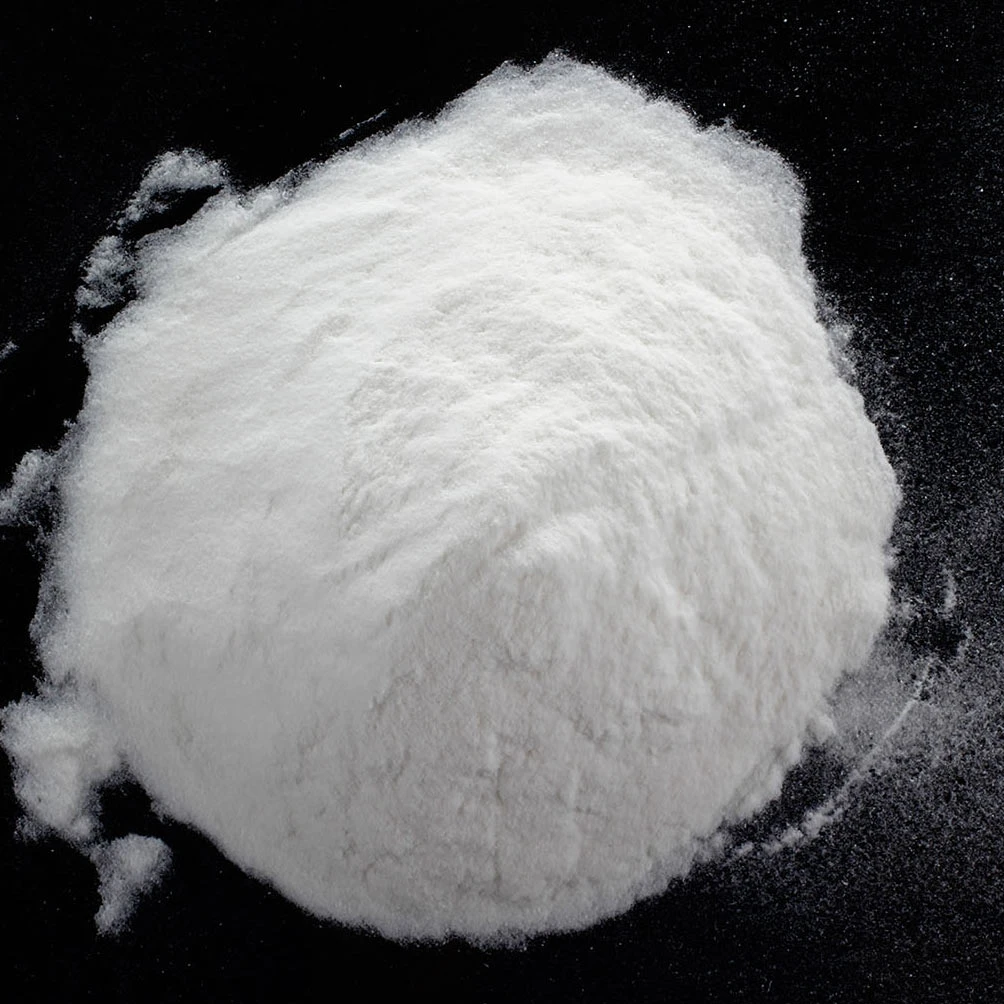
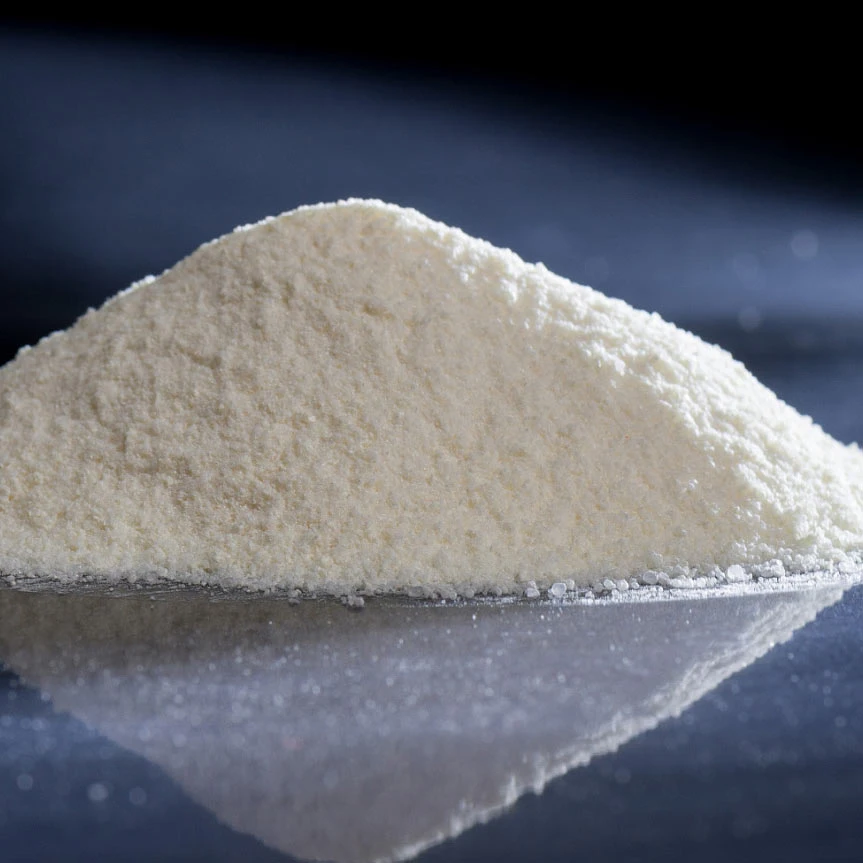
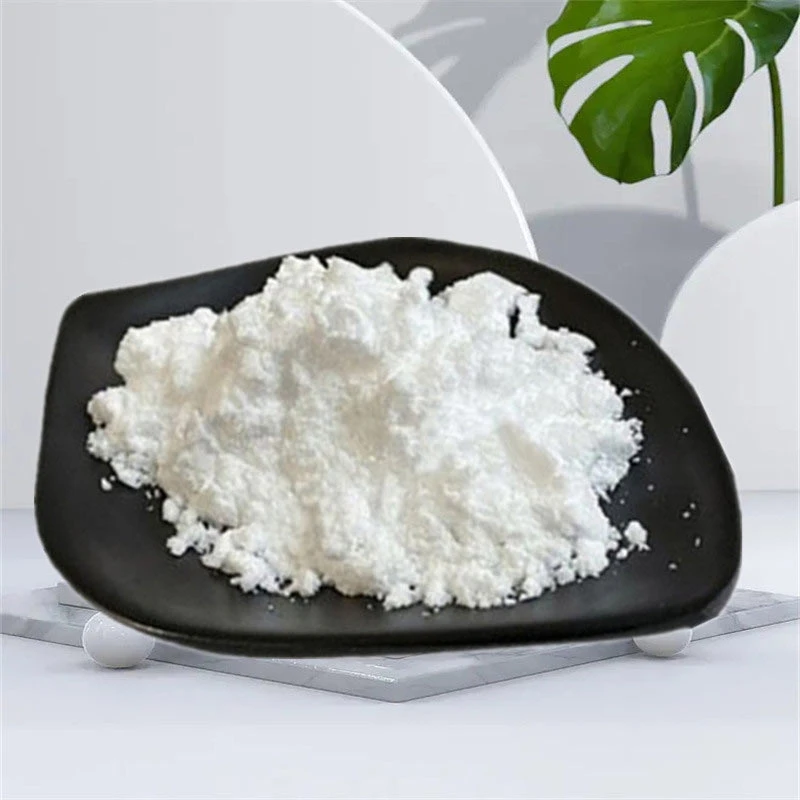
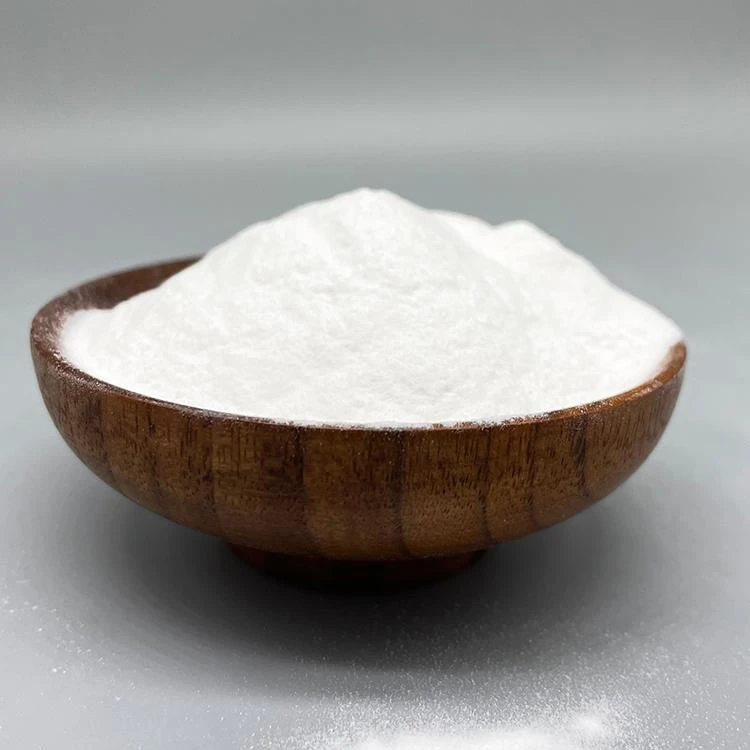
Exploring Microfibrillated Cellulose Applications and Revolutionary Benefits
Microfibrillated Cellulose: A Deep Dive into Applications and Benefits
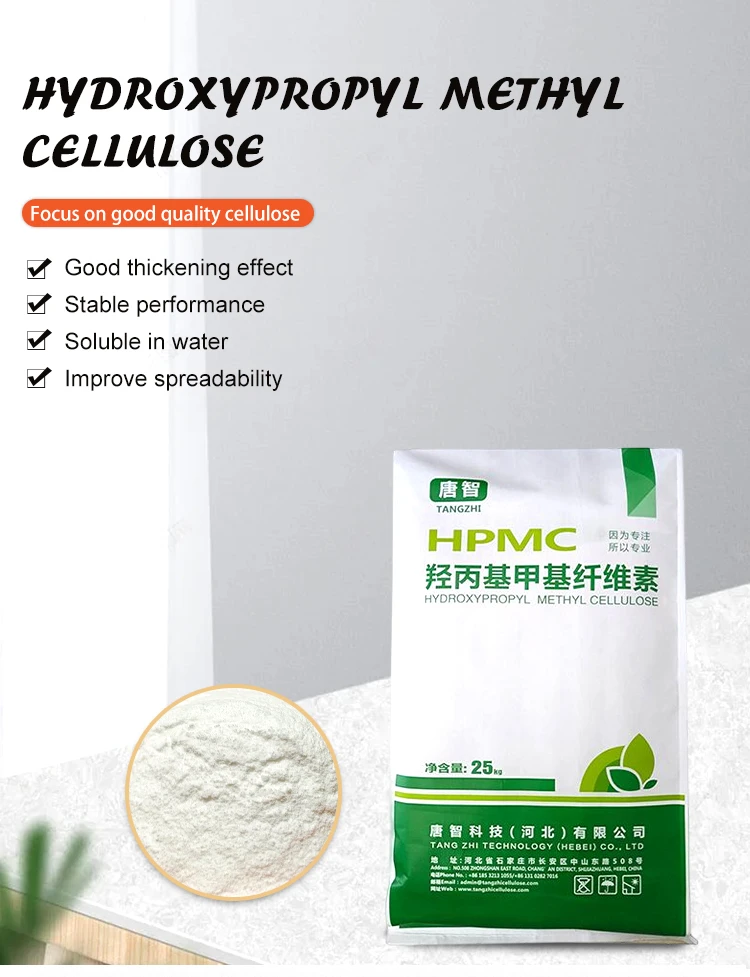
Microfibrillated cellulose (MFC) is a remarkable material gaining prominence across diverse industries. Derived from renewable sources like wood and plant fibers, MFC offers a unique combination of properties—high strength, biodegradability, and versatility. This article will explore the production, properties, applications, and advantages of MFC, focusing on its potential to revolutionize various sectors. Explore our range of cellulose products at HPMC Powder and discover innovative solutions for your needs.
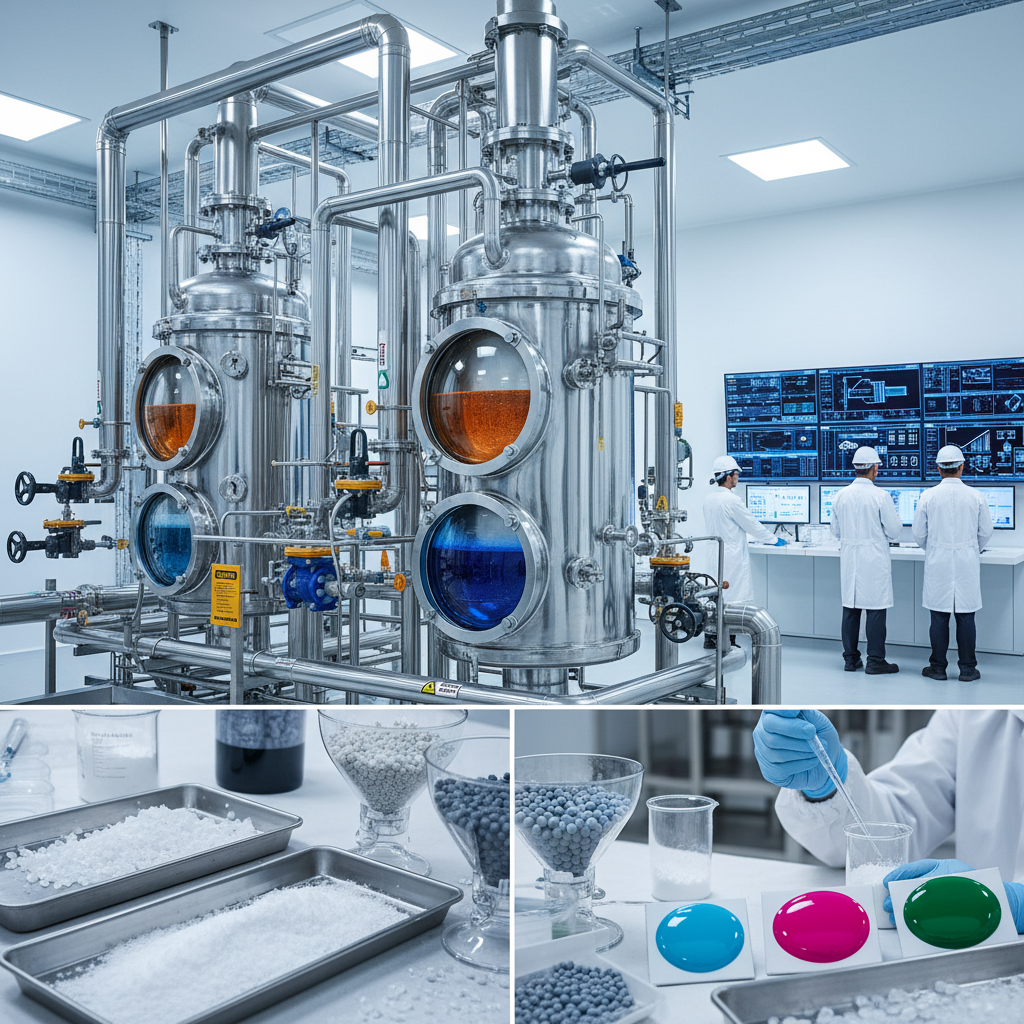
Understanding Microfibrillated Cellulose (MFC)
MFC is created by mechanically disrupting plant cell walls, separating the cellulose fibrils. This process results in a network of high aspect ratio nanofibrils. Key properties of MFC include its high surface area, water-holding capacity, and ability to form strong gels. These features make it an ideal ingredient in a wide array of applications. Its biocompatibility also makes it suitable for biomedical applications. The production process can be tailored to control the fibril dimensions and characteristics, enhancing its functionality.
Key Highlights: High surface area, water-holding capacity, and the ability to form strong gels, making it ideal for diverse applications.
Applications of Microfibrillated Cellulose
The versatile nature of MFC leads to its use in numerous industries. In the packaging sector, MFC can create strong, lightweight, and biodegradable films. In cosmetics, it functions as a rheology modifier and stabilizer. The construction industry utilizes MFC in cement and concrete to enhance strength and reduce cracking. Its biocompatibility makes it promising in drug delivery systems and wound healing applications. Further research continues to uncover even more innovative uses for this sustainable material. Learn more about our cellulose-based solutions by visiting HPMC Powder.
MFC Application Areas:
• Packaging
• Cosmetics
• Construction
• Biomedical applications
Comparing MFC to Other Cellulose Materials
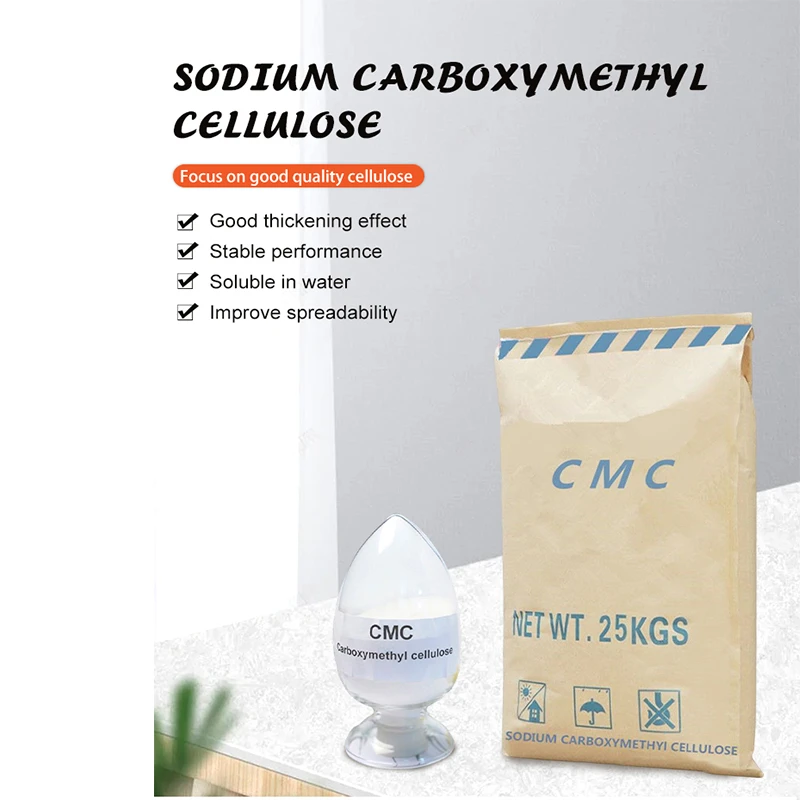
While various cellulose materials exist, MFC distinguishes itself through its unique properties. Compared to cellulose fibers, MFC boasts a significantly higher surface area, enhancing its reactivity and performance. Compared to carboxymethyl cellulose (CMC), MFC offers better mechanical strength and gel-forming capabilities. Its nanofibrillar structure gives it superior rheological control. These distinctions make MFC the preferred choice in applications requiring high performance and sustainability.
Benefits of Using Microfibrillated Cellulose
MFC offers substantial benefits, making it a compelling alternative to traditional materials. It is a renewable and sustainable resource, reducing reliance on fossil fuels. Its biodegradability minimizes environmental impact. It enhances product performance with its high strength and unique rheological properties. MFC contributes to lightweighting, reducing transportation costs and energy consumption. Moreover, it is biocompatible and non-toxic, making it suitable for sensitive applications. Find the perfect cellulose solution for your project with HPMC Powder.
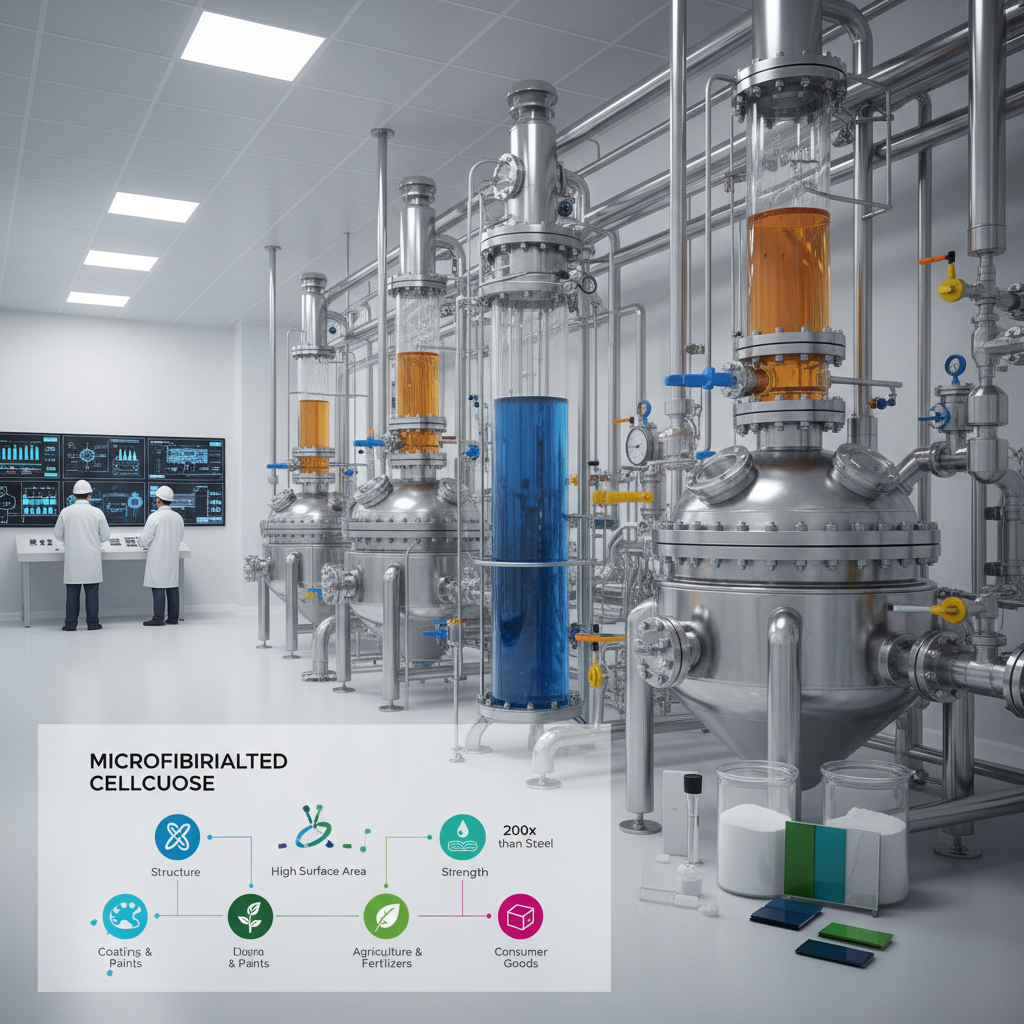
Product Specifications and Availability
We offer a range of MFC products tailored to diverse applications. Below is a table outlining key specifications. Contact us at HPMC Powder for custom formulations and bulk pricing.
Conclusion: Embracing Sustainable Innovation with MFC
Microfibrillated cellulose represents a significant advancement in materials science. Its unique properties, sustainable sourcing, and wide range of applications make it a valuable asset across industries. By incorporating MFC into your products, you're not only enhancing performance but also contributing to a more sustainable future. Explore our high-quality MFC products at HPMC Powder and unlock the potential of this remarkable material.
Frequently Asked Questions (FAQs)
What are the primary sources of microfibrillated cellulose?
MFC is typically derived from plant-based sources rich in cellulose. The most common sources include wood pulp from both hardwood and softwood trees, agricultural residues like wheat straw and corn stalks, and even bacterial cellulose produced through fermentation. The choice of source material impacts the final properties of the MFC, with wood pulp generally providing high strength and consistency. Sustainable sourcing is a key consideration when selecting MFC, and responsible forestry practices are crucial.
How is the cost of MFC compared to other materials?
The cost of MFC can vary depending on the source material, production process, and quantity purchased. Initially, MFC was relatively expensive, limiting its widespread adoption. However, with advancements in production technologies and increased demand, the cost has been decreasing. While it might still be more expensive than some traditional materials like cellulose fibers, the superior performance characteristics and sustainable benefits of MFC often justify the higher price point. Explore competitive pricing options at HPMC Powder.
What industries are currently using MFC, and what are their key applications?
MFC is gaining traction across a wide range of industries. The packaging industry uses it for creating biodegradable films and coatings. The cosmetics industry utilizes it as a thickening agent and stabilizer in creams and lotions. The construction industry employs it in cement mixtures to enhance strength and reduce cracking. In the biomedical field, MFC is being explored for drug delivery systems and wound healing applications. The food industry is also beginning to investigate its use as a food additive and stabilizer. The potential applications are continually expanding as research progresses.
-
Industrial Guide to Cellosize Hydroxyethyl Cellulose ApplicationsNewsApr.16,2026
-
Industrial Applications and Benefits of nanofibrillar celluloseNewsApr.09,2026
-
Comprehensive Guide to Hydroxypropyl Methylcellulose and Its Diverse ApplicationsNewsApr.07,2026
-
Exploring Cellulose Based Packaging A Sustainable Choice for BusinessesNewsApr.04,2026
-
Comprehensive Guide to MHEC Chemical Properties and Industrial ApplicationsNewsMar.31,2026
-
Exploring Cellulose Packaging for Food A Sustainable and Renewable SolutionNewsMar.28,2026