Comprehensive Guide to Hydroxypropyl Methylcellulose and Its Diverse Applications
Hydroxypropyl Methylcellulose (HPMC): A Comprehensive Guide
Hydroxypropyl methylcellulose (HPMC) is a versatile cellulose ether widely used across numerous industries, including pharmaceuticals, construction, food, and cosmetics. Its unique properties, such as thickening, binding, film-forming, and water retention, make it an invaluable ingredient in countless applications. This article will delve into the characteristics, grades, applications, and benefits of HPMC, providing a thorough understanding of this essential polymer. Understanding the nuances of HPMC allows for optimized product formulation and enhanced performance.
What is Hydroxypropyl Methylcellulose (HPMC)?
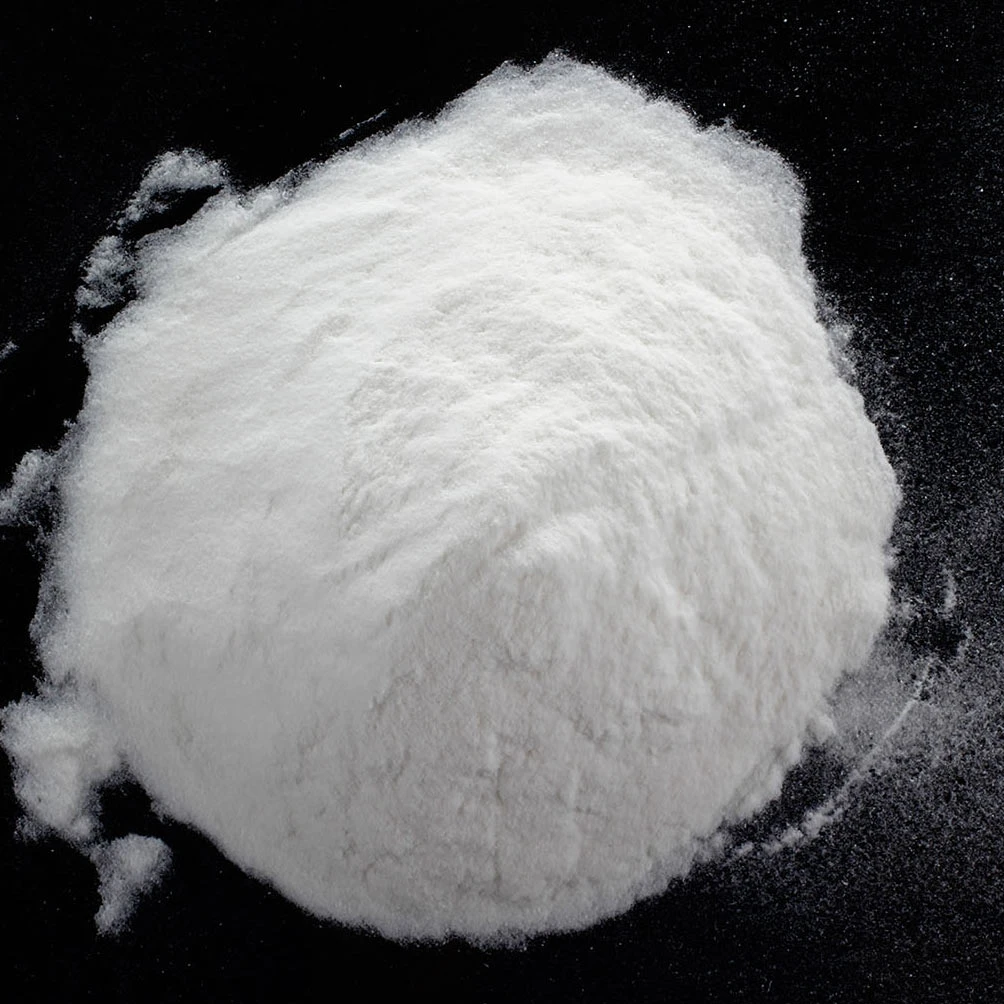
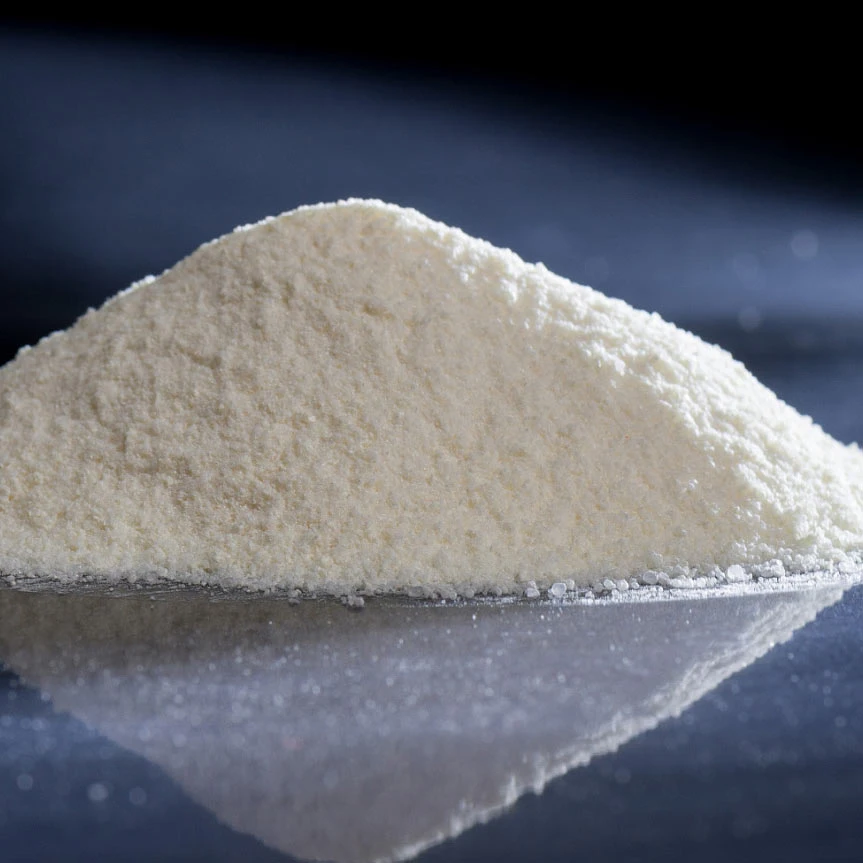
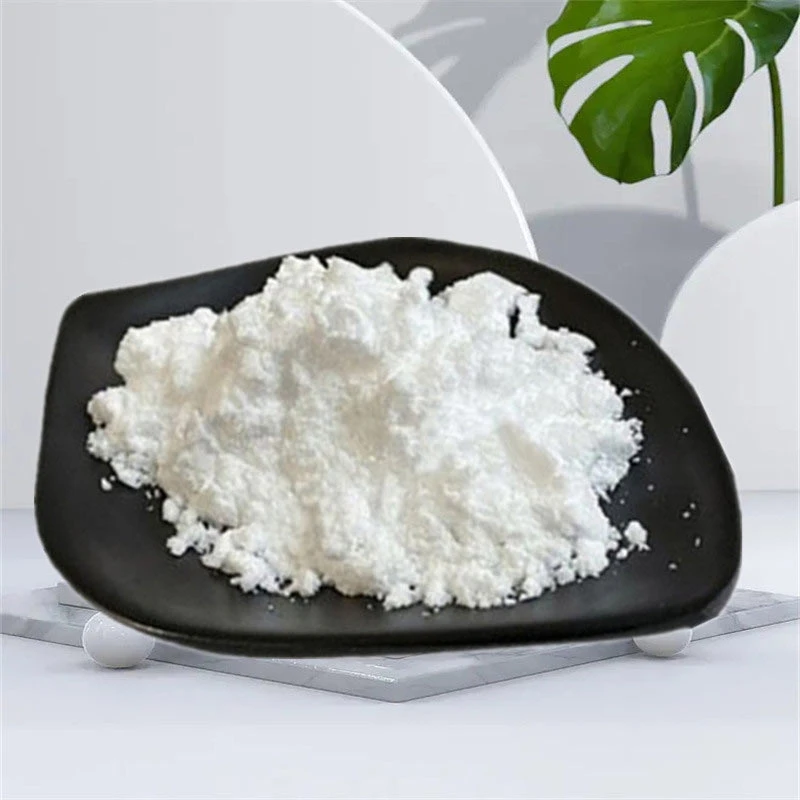
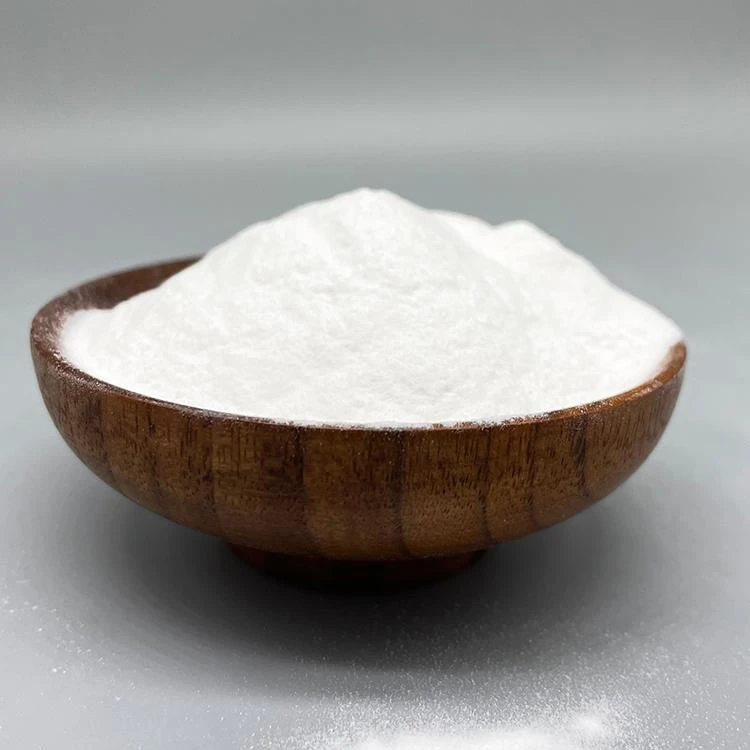
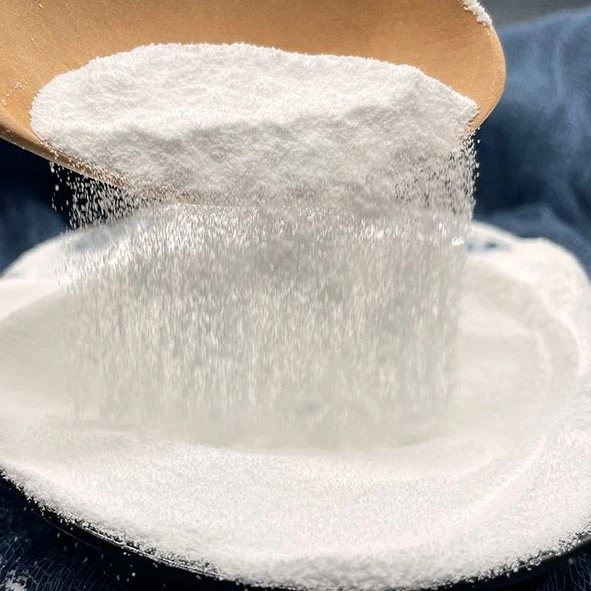
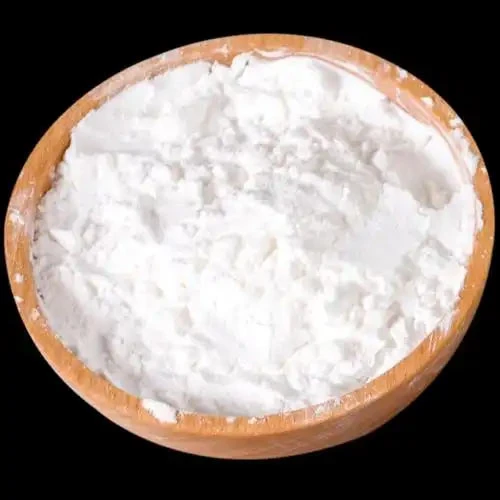
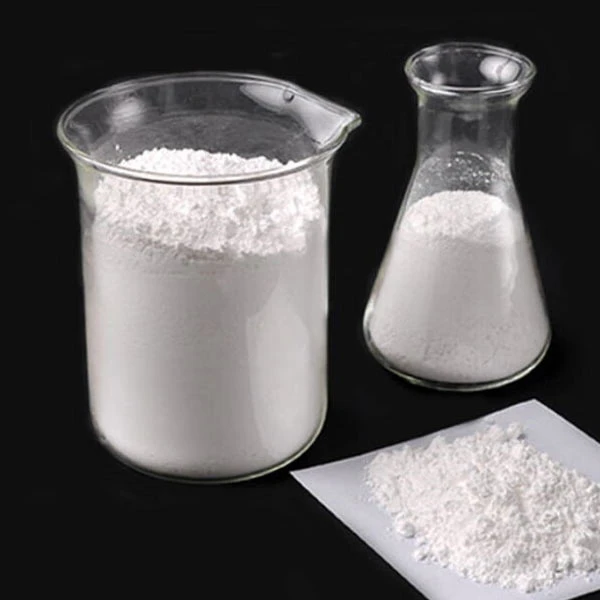
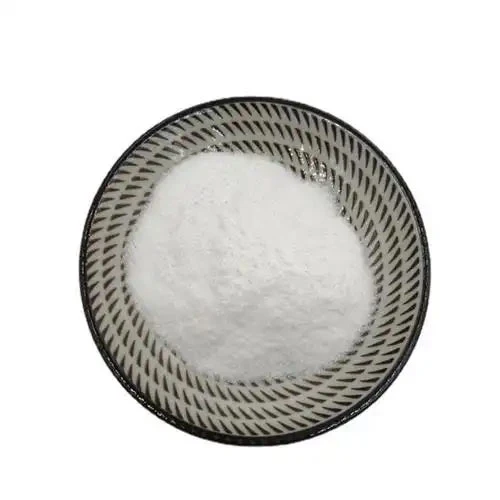
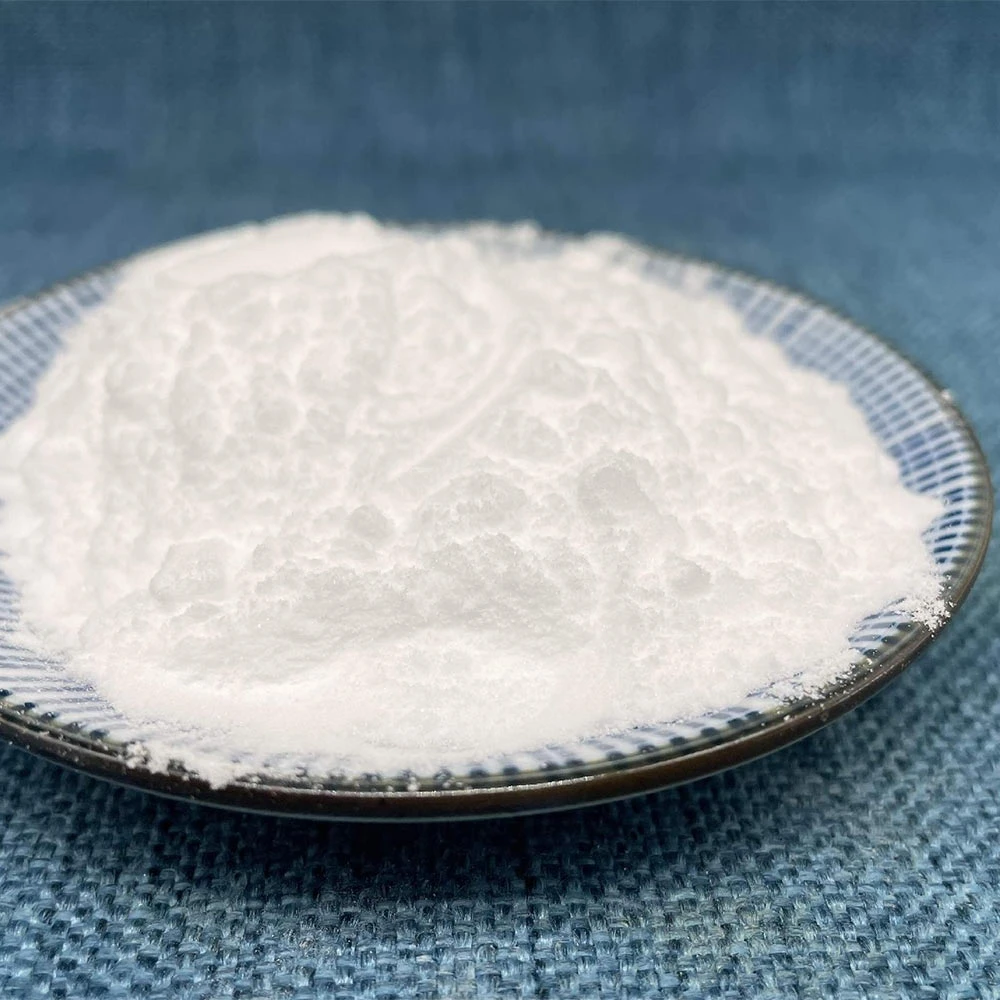
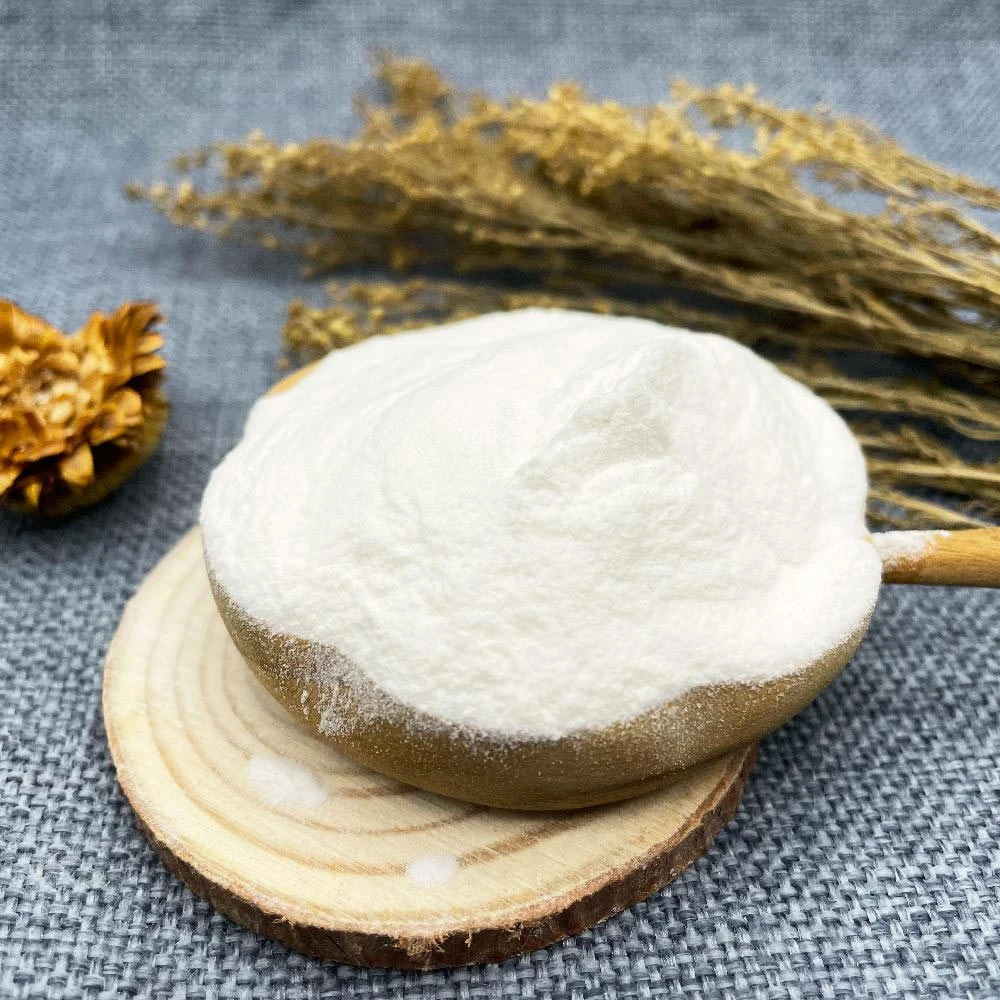
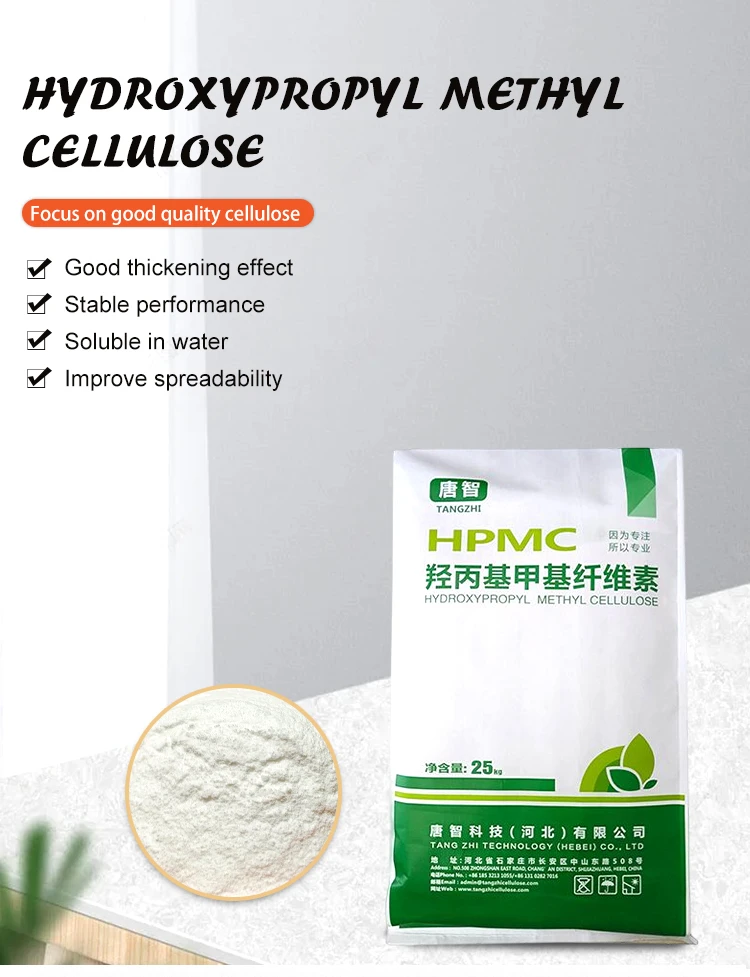
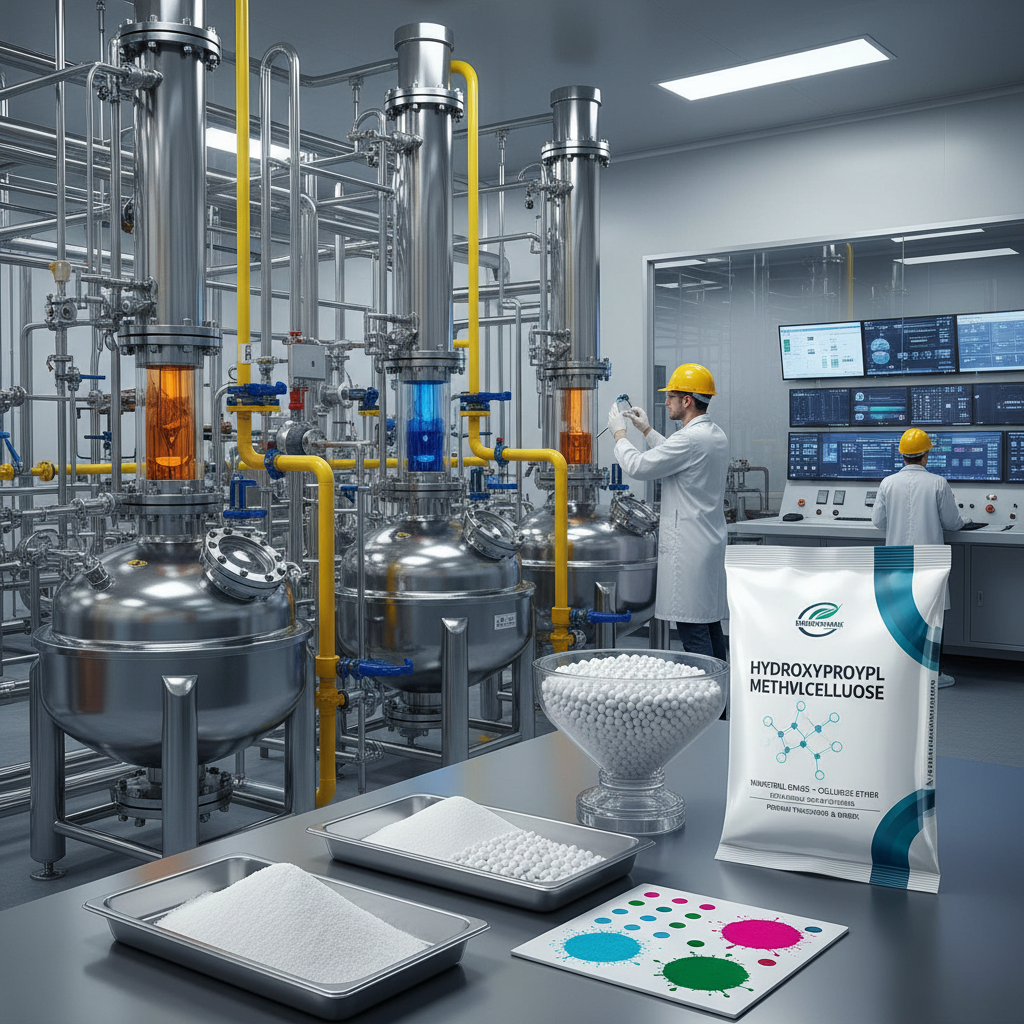
HPMC is a non-ionic cellulose ether produced by chemically modifying cellulose. This modification involves substituting some of the hydroxyl groups of cellulose with methoxy and hydroxypropyl groups. This process imparts unique properties to the cellulose, enhancing its solubility in water and creating a polymer with excellent film-forming and thickening capabilities. HPMC is generally a white to off-white powder and is odorless and tasteless. Its versatility stems from the varying degrees of substitution, allowing for tailored properties to suit specific application needs. HPMC Powder offers consistent quality and performance.
Key Highlights: HPMC is a non-ionic cellulose ether known for its thickening, binding, film-forming, and water retention properties. It's odorless, tasteless, and available in various grades to meet diverse application requirements.
Understanding HPMC Grades and Specifications
HPMC is available in a wide range of grades, categorized based on viscosity, degree of substitution, and particle size. Viscosity, measured in centipoise (cP), determines the thickening power of the HPMC. Higher viscosity grades are used for applications requiring greater thickening, while lower viscosity grades are used for applications needing easier flow. The degree of substitution influences solubility and gelation properties. Particle size affects dissolution rate and texture. Choosing the correct grade is crucial for achieving optimal results in your application.
Key Factors in HPMC Grade Selection:
• Viscosity: Impacts thickening power.
• Degree of Substitution: Influences solubility and gelation.
• Particle Size: Affects dissolution rate and texture.
HPMC Applications Across Diverse Industries
The applications of HPMC are remarkably diverse. In the pharmaceutical industry, it's used as a binder, film coating agent, and controlled-release matrix. In construction, it’s a key ingredient in tile adhesives, cement mortars, and gypsum plasters, improving workability, adhesion, and water retention. The food industry utilizes HPMC as a thickener, stabilizer, and emulsifier in sauces, desserts, and bakery products. Cosmetics benefit from its film-forming and thickening properties in creams, lotions, and shampoos. Our HPMC caters to these varied needs.
Benefits of Using HPMC in Formulations
Incorporating HPMC into formulations offers a multitude of benefits. It enhances product stability, improves texture and mouthfeel, provides excellent water retention, and contributes to controlled release properties. Its non-ionic nature ensures compatibility with a wide range of other ingredients. Furthermore, HPMC is biodegradable and considered safe for use in various applications. These advantages contribute to higher quality products with improved performance and consumer appeal.
HPMC Product Specifications & Quality Control
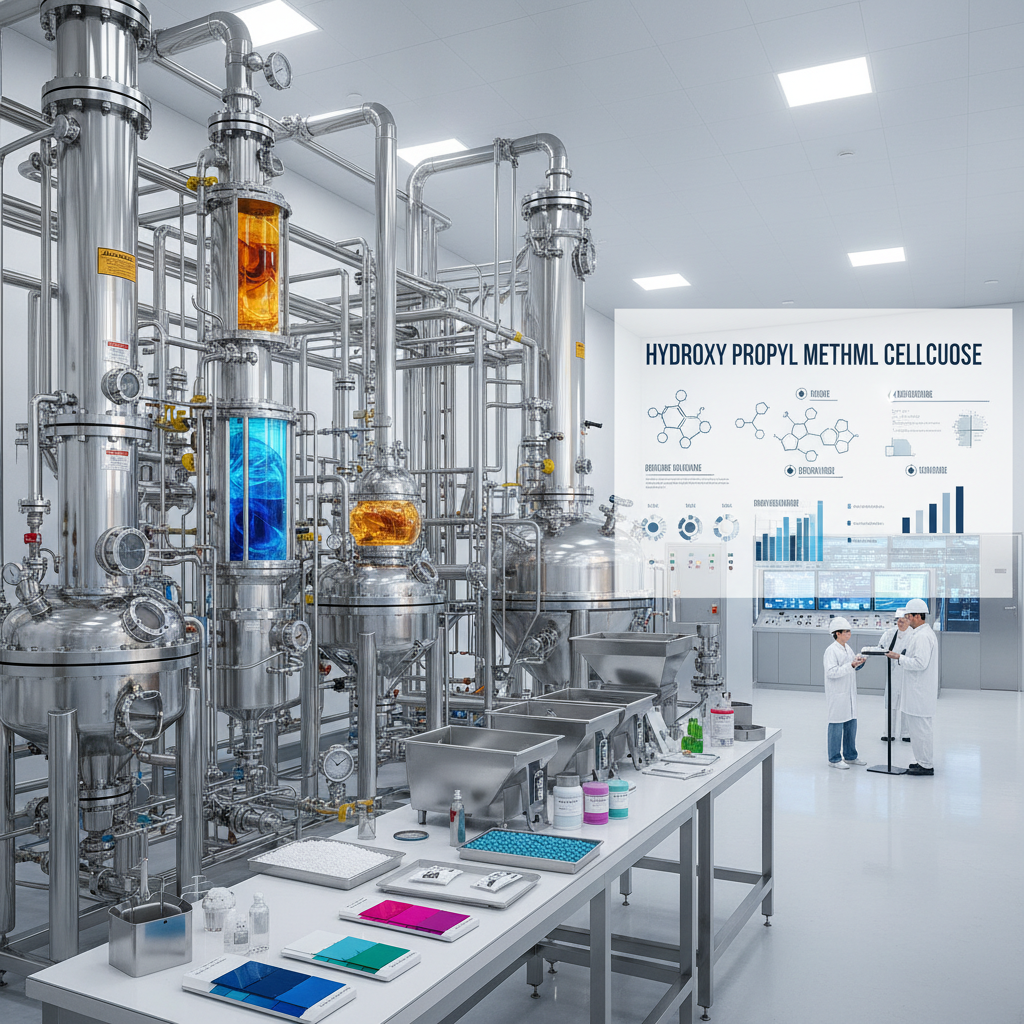
At HPMC Powder, we adhere to stringent quality control measures throughout the production process. Our HPMC products meet or exceed industry standards, ensuring consistent quality and performance. We provide detailed specifications for each grade, including viscosity, degree of substitution, moisture content, and particle size distribution. Our commitment to quality guarantees that our customers receive a reliable and high-performing product every time.
Conclusion: HPMC – A Versatile Polymer for Enhanced Formulations
Hydroxypropyl methylcellulose is a remarkably versatile polymer offering a wide range of benefits across diverse industries. Its ability to modify viscosity, provide excellent film-forming properties, and enhance product stability makes it an invaluable ingredient in countless applications. By understanding the various grades and specifications of HPMC, you can optimize your formulations and achieve superior product performance.
Frequently Asked Questions (FAQs)
What is the solubility of HPMC?
HPMC is soluble in both cold water and hot water, though solubility increases with temperature. It forms a clear, viscous solution. The degree of substitution influences solubility; higher hydroxypropyl content generally leads to better solubility in cold water. It is insoluble in most organic solvents. Proper mixing and gradual addition of HPMC to water are key to avoiding clumping and ensuring complete dissolution. Using warm water and continuous stirring will improve the process.
Is HPMC safe for use in food products?
Yes, HPMC is generally recognized as safe (GRAS) by regulatory bodies like the FDA for use in food products. It's widely used as a food additive due to its non-toxic nature and versatile functionality. It doesn't contribute significant calories and doesn't affect the taste of the food product. However, it is essential to use food-grade HPMC that meets the required purity standards.
How should HPMC be stored?
HPMC should be stored in a cool, dry, and well-ventilated area, away from direct sunlight, heat, and moisture. Exposure to these elements can cause degradation and affect its properties. It's recommended to keep HPMC in its original, tightly closed container. Proper storage ensures its stability and extends its shelf life. Avoid storing it near strong oxidizing agents.
-
Industrial Guide to Cellosize Hydroxyethyl Cellulose ApplicationsNewsApr.16,2026
-
Industrial Applications and Benefits of nanofibrillar celluloseNewsApr.09,2026
-
Comprehensive Guide to Hydroxypropyl Methylcellulose and Its Diverse ApplicationsNewsApr.07,2026
-
Exploring Cellulose Based Packaging A Sustainable Choice for BusinessesNewsApr.04,2026
-
Comprehensive Guide to MHEC Chemical Properties and Industrial ApplicationsNewsMar.31,2026
-
Exploring Cellulose Packaging for Food A Sustainable and Renewable SolutionNewsMar.28,2026