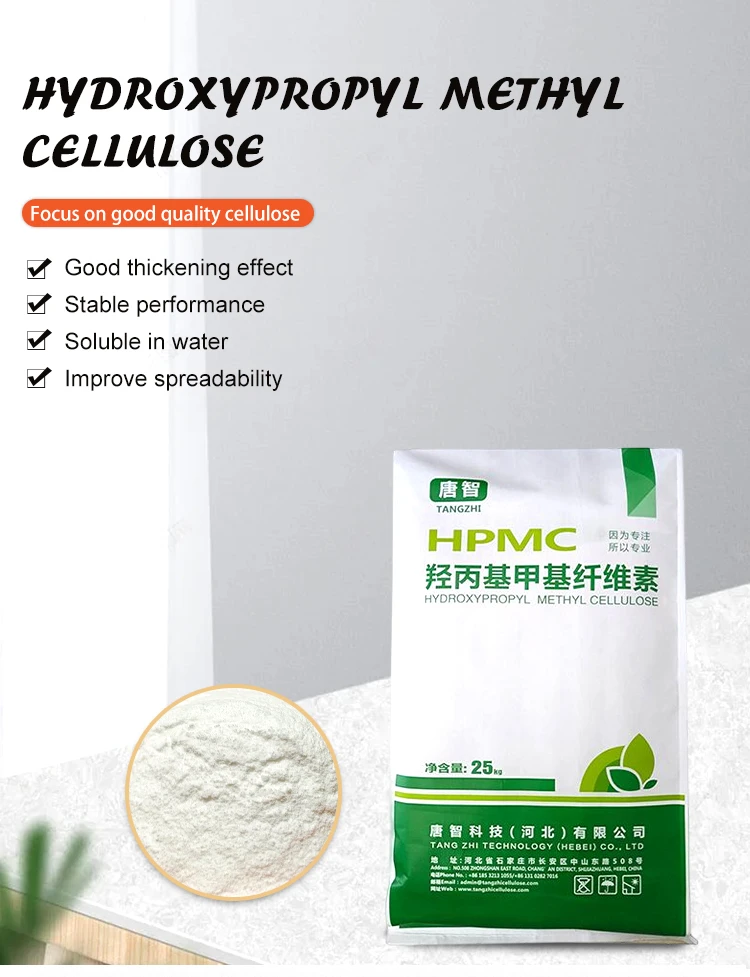
Exploring the Versatile Applications and Benefits of Powdered Cellulose
Understanding Powdered Cellulose: Applications and Benefits
Powdered cellulose, a versatile and widely utilized ingredient, plays a crucial role across numerous industries, from food and pharmaceuticals to construction and cosmetics. Derived from plant fibers, this natural polymer offers a range of functional properties, making it a sought-after component in many formulations. At HPMC Powder, we specialize in high-quality cellulose derivatives, providing tailored solutions to meet diverse client needs. This article explores the characteristics, applications, and advantages of powdered cellulose, providing a comprehensive overview for potential users and industry professionals.
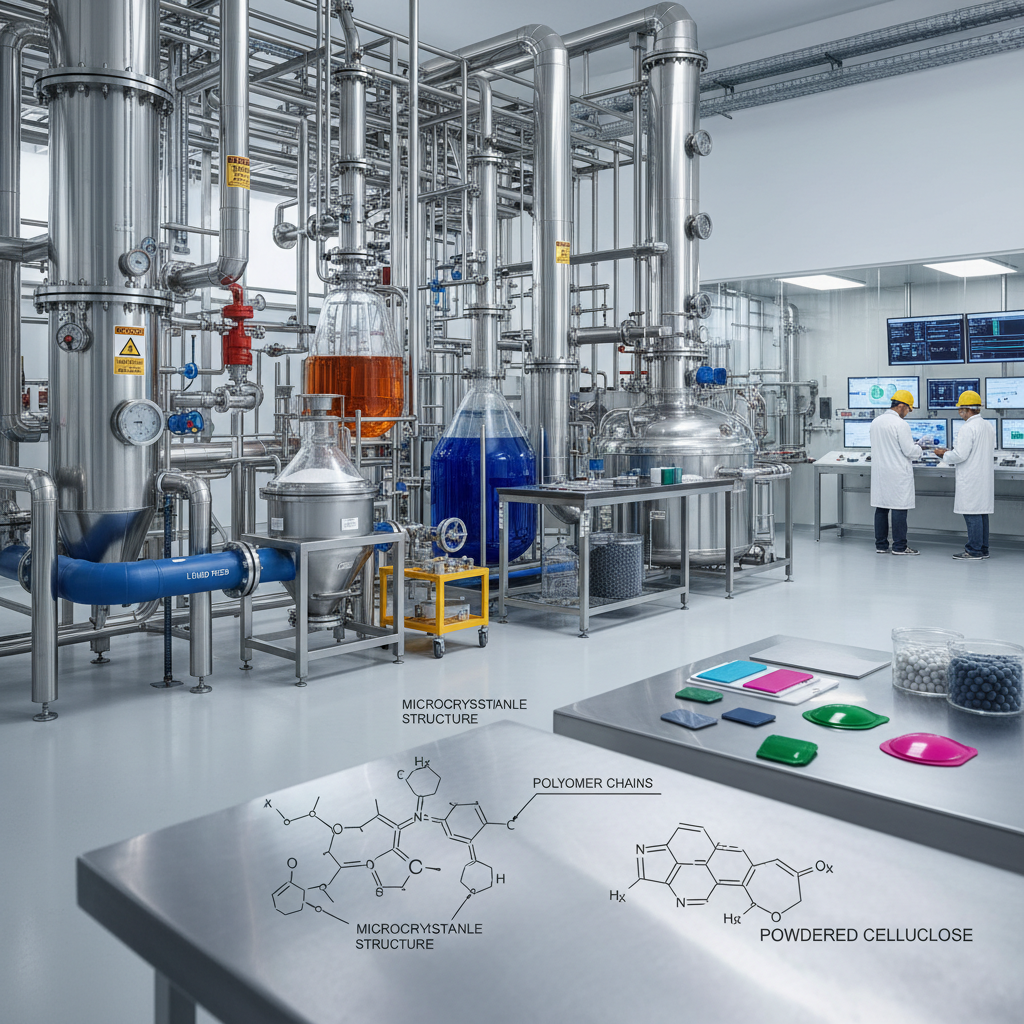
What is Powdered Cellulose?
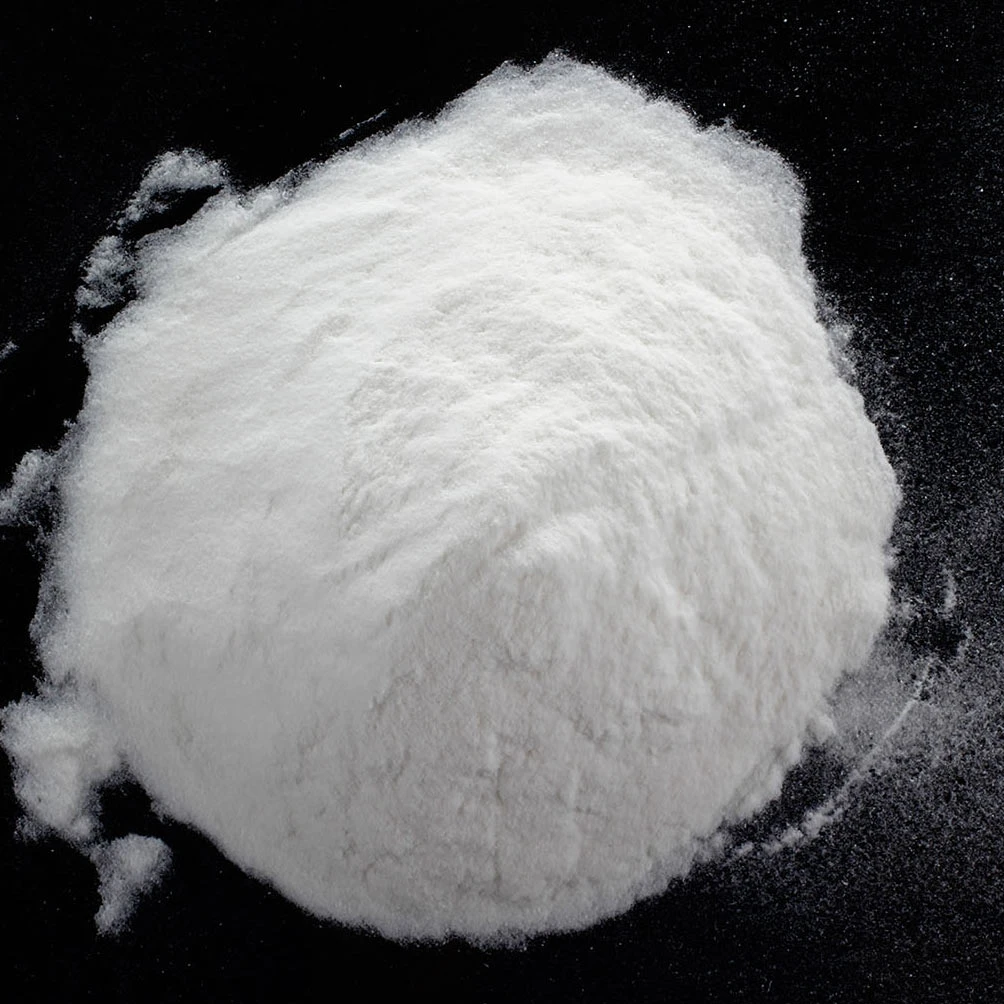
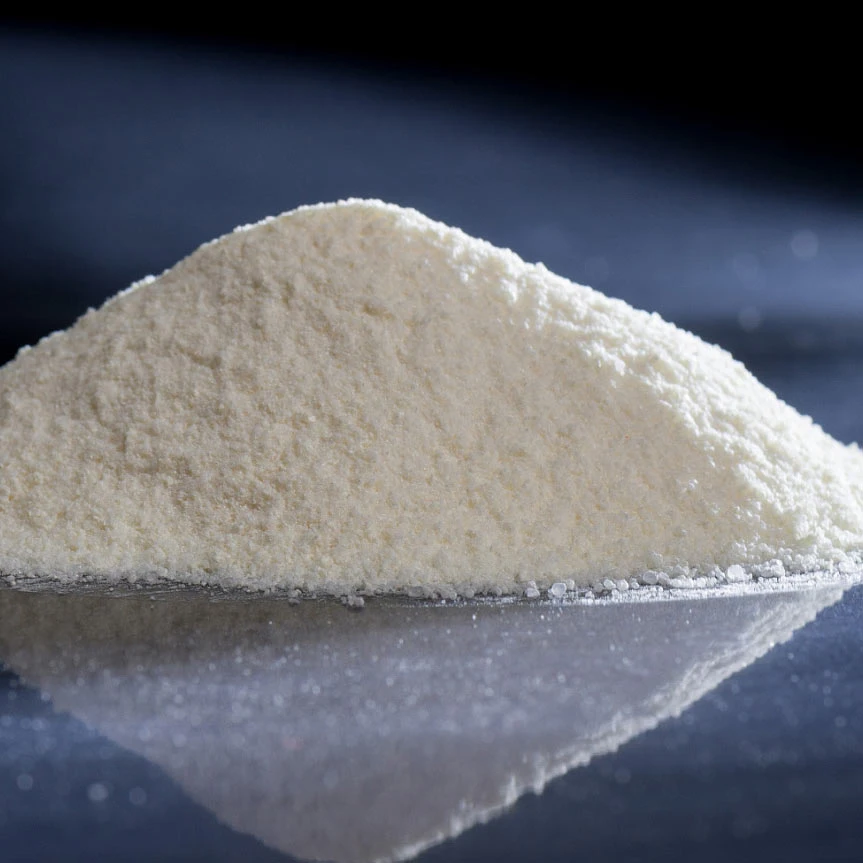
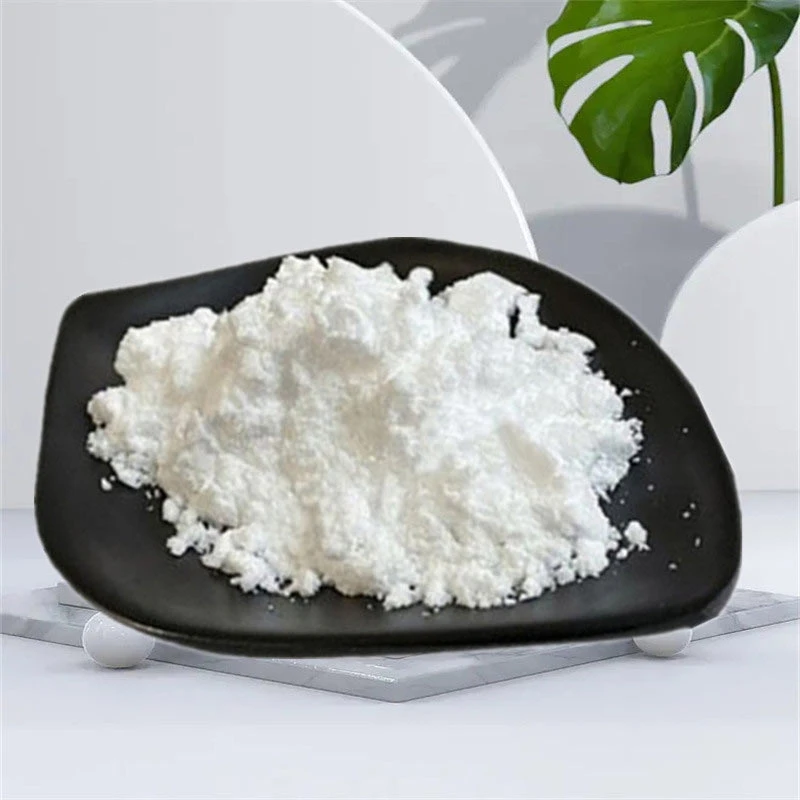
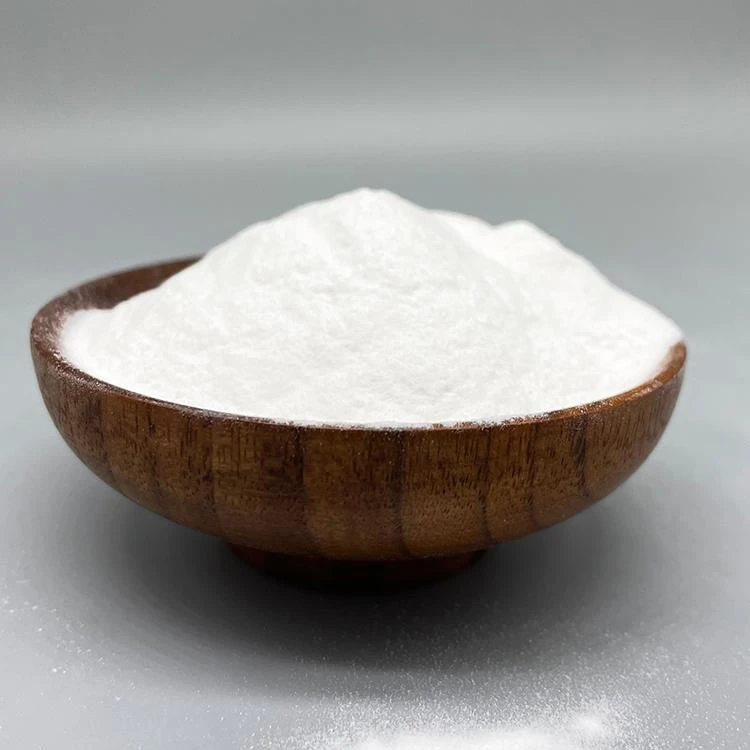
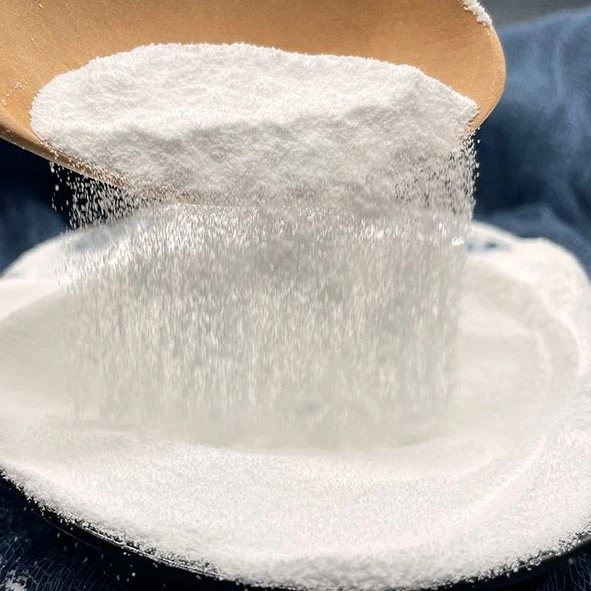
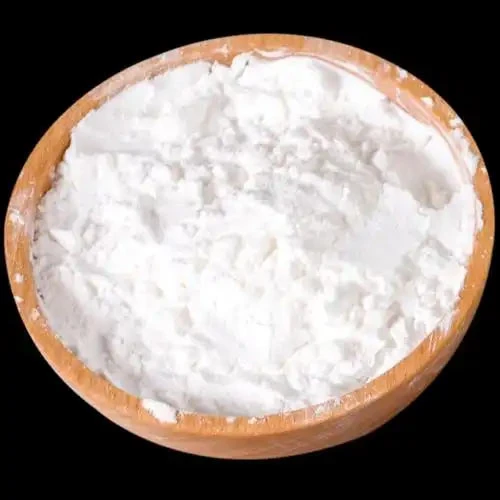
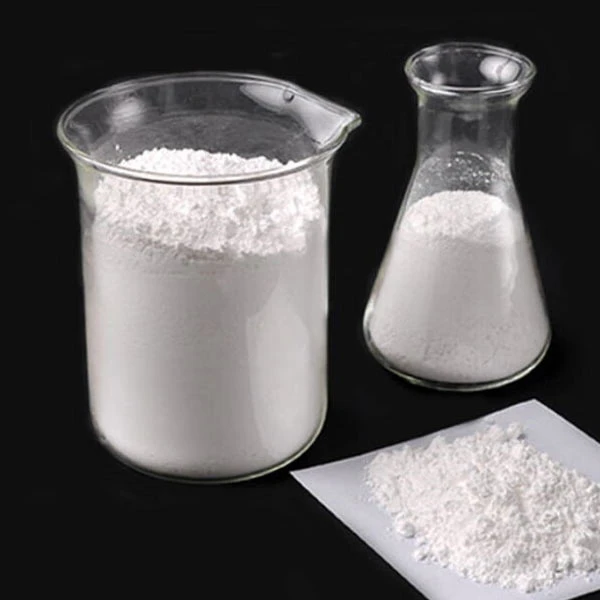
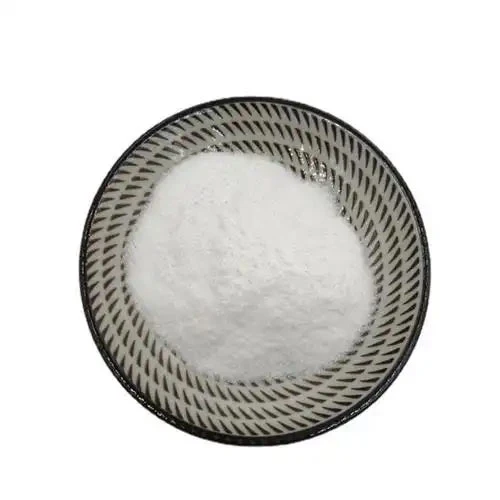
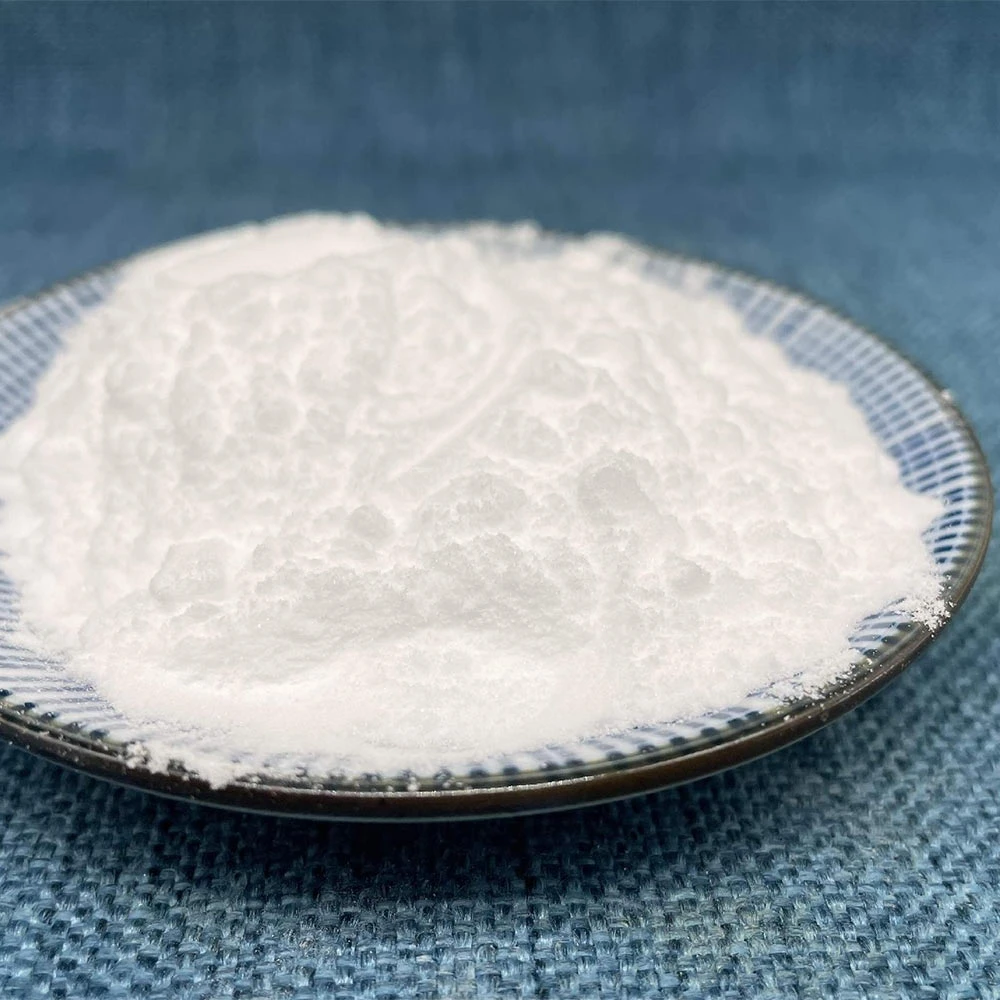
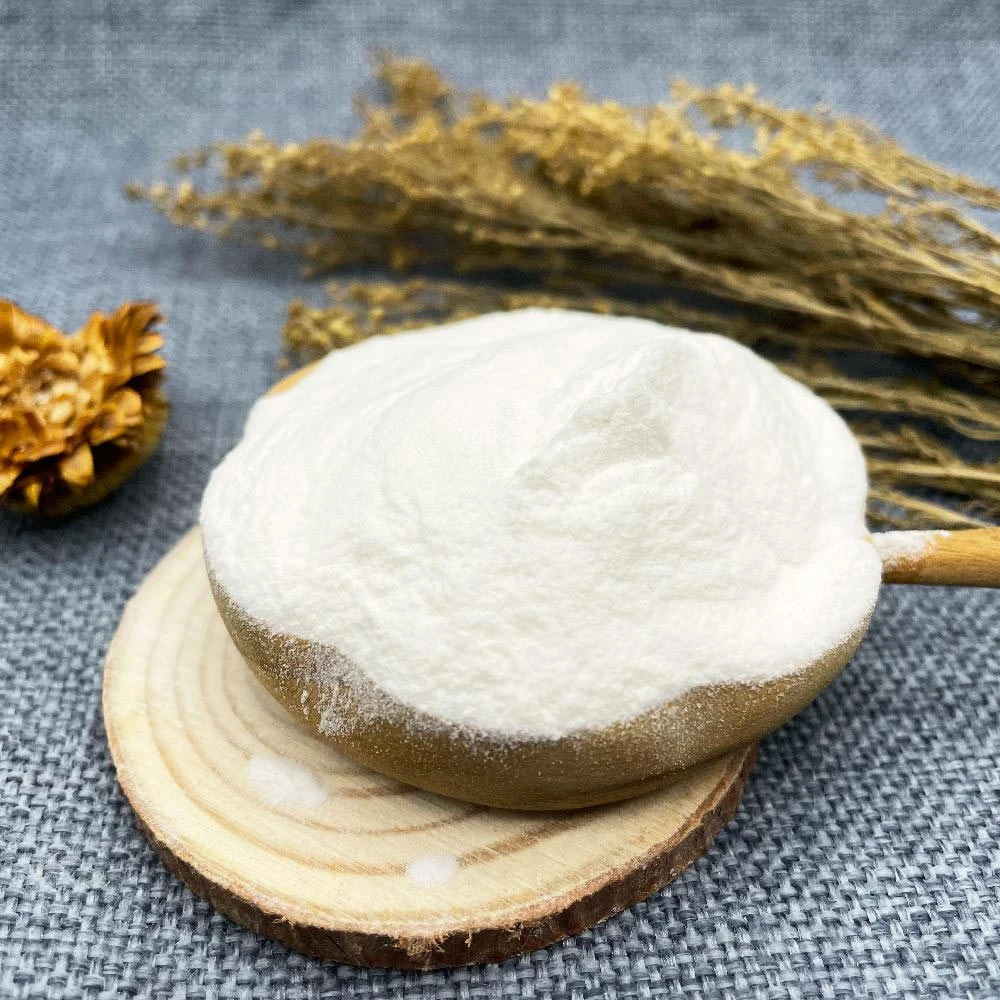
Powdered cellulose is a refined form of cellulose, the main structural component of plant cell walls. It is produced through various methods, including mechanical pulping and chemical treatments, to achieve a fine, free-flowing powder. This powder is primarily composed of glucose units linked together in a long chain. The key characteristics of powdered cellulose include its inertness, insolubility in water (unless chemically modified), and ability to provide texture and bulk. The particle size and density can be controlled during production to suit specific applications. HPMC Powder offers a range of powdered cellulose options with varying specifications.
Key Highlights: Powdered cellulose is derived from plant fibers, is largely inert, provides texture, and is available in various grades.
Applications of Powdered Cellulose Across Industries
The diverse properties of powdered cellulose lead to a vast array of applications. In the food industry, it’s used as an anti-caking agent, a fat replacer, and a texture enhancer in products like shredded cheese, baked goods, and sauces. Pharmaceuticals utilize it as a binder, disintegrant, and filler in tablets and capsules. Construction benefits from its inclusion in cement mixtures to improve workability and water retention. The cosmetic industry employs it for its thickening and stabilizing properties in creams, lotions, and makeup. Furthermore, it’s found in animal feed, paper production, and even in specialized applications like 3D printing.
Application Areas:
• Food Industry: Anti-caking, fat replacement, texture enhancement
• Pharmaceuticals: Binder, disintegrant, filler
• Construction: Workability and water retention in cement
• Cosmetics: Thickening and stabilization
Powdered Cellulose Grades and Specifications
Different applications require varying specifications of powdered cellulose. Factors like particle size, moisture content, bulk density, and purity influence its performance. HPMC Powder provides customized solutions, offering different grades of powdered cellulose tailored to your specific requirements. Below is a sample specification table for our standard product.
Benefits of Using Powdered Cellulose
Utilizing powdered cellulose in your formulations offers several advantages. It’s a cost-effective, renewable resource, contributing to sustainable practices. Its inertness ensures compatibility with a wide range of ingredients. It improves texture and consistency, enhances product stability, and can reduce overall production costs. Furthermore, it is generally recognized as safe (GRAS) by regulatory bodies, making it an attractive option for food and pharmaceutical applications. Choosing a reputable supplier like HPMC Powder guarantees quality and consistency.

Powdered Cellulose vs. Other Fillers
When considering fillers and texturizers, powdered cellulose often stands out compared to alternatives like starches or synthetic polymers. Starches can introduce unwanted flavors or affect viscosity significantly. Synthetic polymers may raise concerns regarding safety and environmental impact. Powdered cellulose offers a neutral taste, excellent stability, and a sustainable profile. While other fillers might be cheaper, powdered cellulose's functional benefits and safety make it a superior choice for many applications.
Conclusion: A Versatile and Sustainable Solution
Powdered cellulose is a remarkably versatile ingredient offering a wide range of benefits across diverse industries. Its sustainability, functionality, and safety profile make it an ideal choice for manufacturers seeking high-quality, cost-effective solutions. HPMC Powder is dedicated to providing premium powdered cellulose products tailored to your specific needs. Contact us today to learn more about how we can assist you.
Frequently Asked Questions (FAQs)
What is the shelf life of powdered cellulose?
When stored properly in a cool, dry place, powdered cellulose typically has a shelf life of 2-3 years. It’s crucial to keep the product sealed in its original packaging to prevent moisture absorption. While powdered cellulose is generally stable, prolonged exposure to humidity or extreme temperatures can affect its quality. Regularly inspect the product for any signs of clumping or discoloration, which may indicate degradation.
Is powdered cellulose gluten-free?
Yes, powdered cellulose is naturally gluten-free. It’s derived from plant fibers and does not contain any gluten proteins. However, it’s important to verify that the powdered cellulose you purchase has been processed in a facility that is free from gluten contamination, especially if you are manufacturing products for individuals with celiac disease or gluten sensitivities. HPMC Powder provides gluten-free certified powdered cellulose.
Can powdered cellulose be used as a vegan alternative?
Absolutely. As a plant-derived ingredient, powdered cellulose is a suitable vegan alternative to animal-based fillers or texturizers. It’s commonly used in vegan food products to improve texture, reduce fat content, and enhance overall quality. Its natural origin aligns with the principles of a vegan lifestyle, making it a popular choice for plant-based formulations.
What safety certifications does HPMC Powder have for its powdered cellulose?
HPMC Powder adheres to stringent quality control standards and holds relevant certifications including ISO 9001:2015 and relevant food grade certifications. We provide comprehensive documentation and certifications to ensure the safety and compliance of our powdered cellulose products, meeting the requirements of various industries and regulatory bodies.
-
Industrial Guide to Cellosize Hydroxyethyl Cellulose ApplicationsNewsApr.16,2026
-
Industrial Applications and Benefits of nanofibrillar celluloseNewsApr.09,2026
-
Comprehensive Guide to Hydroxypropyl Methylcellulose and Its Diverse ApplicationsNewsApr.07,2026
-
Exploring Cellulose Based Packaging A Sustainable Choice for BusinessesNewsApr.04,2026
-
Comprehensive Guide to MHEC Chemical Properties and Industrial ApplicationsNewsMar.31,2026
-
Exploring Cellulose Packaging for Food A Sustainable and Renewable SolutionNewsMar.28,2026