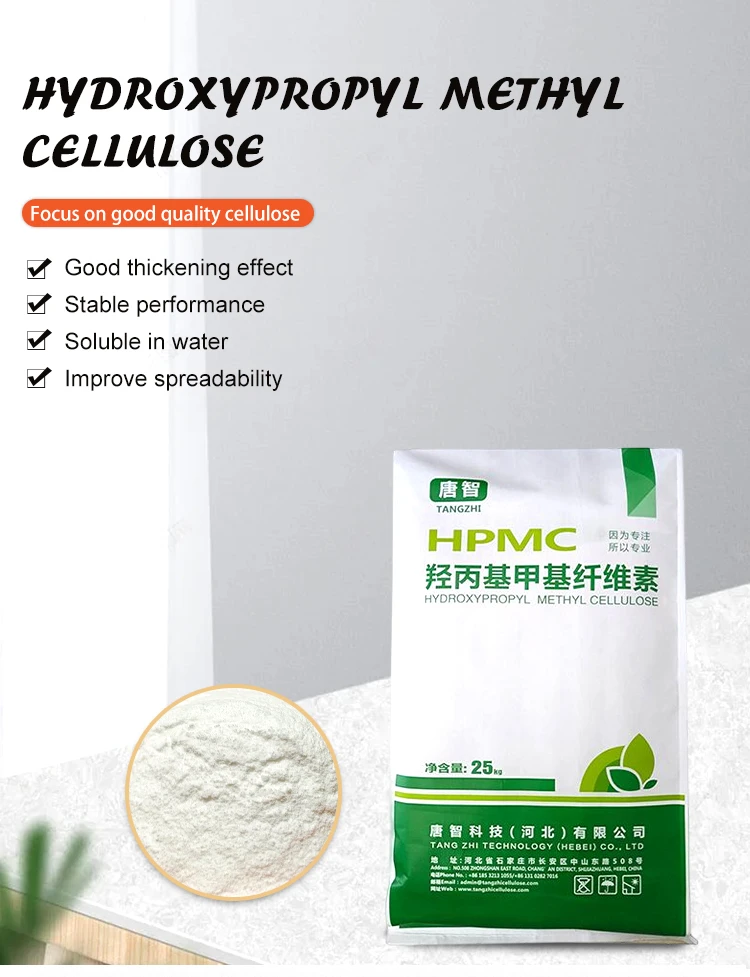
Comprehensive Guide to Polyanionic Cellulose Applications and Industrial Benefits
Polyanionic Cellulose: A Comprehensive Guide to Applications and Benefits
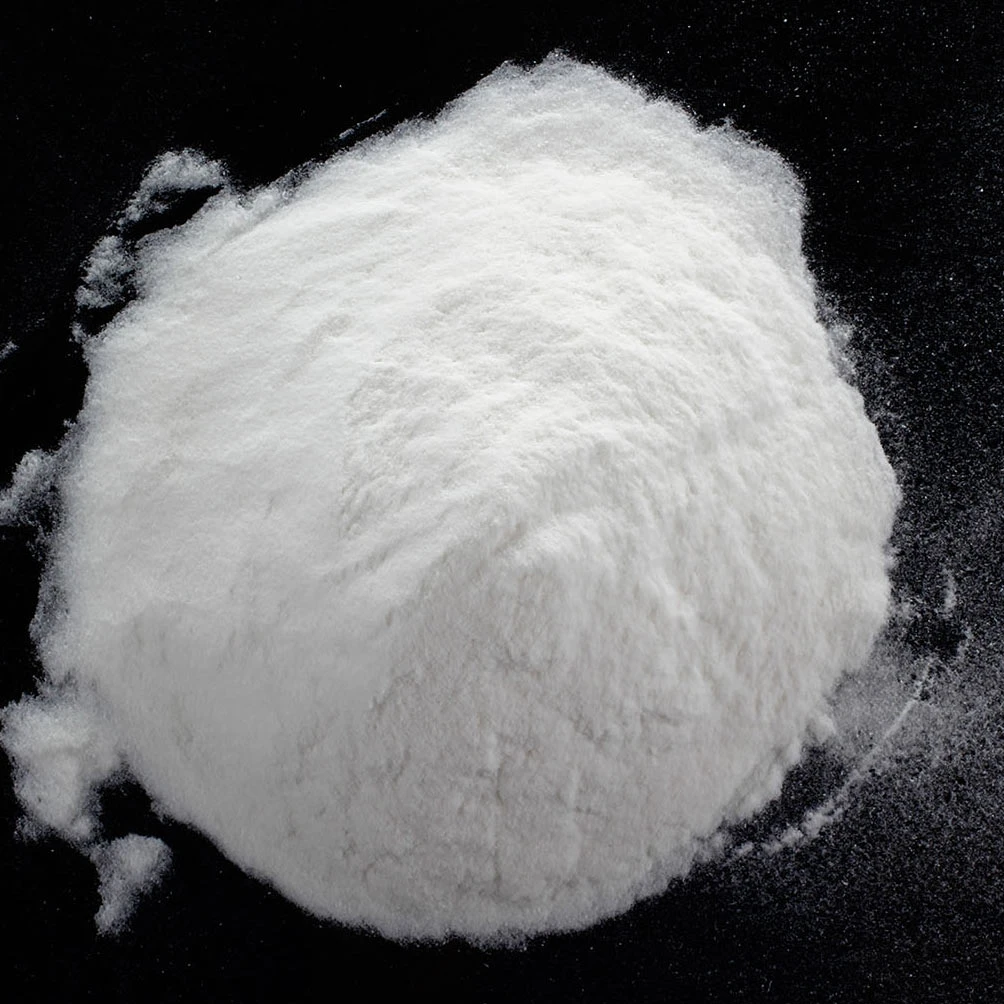
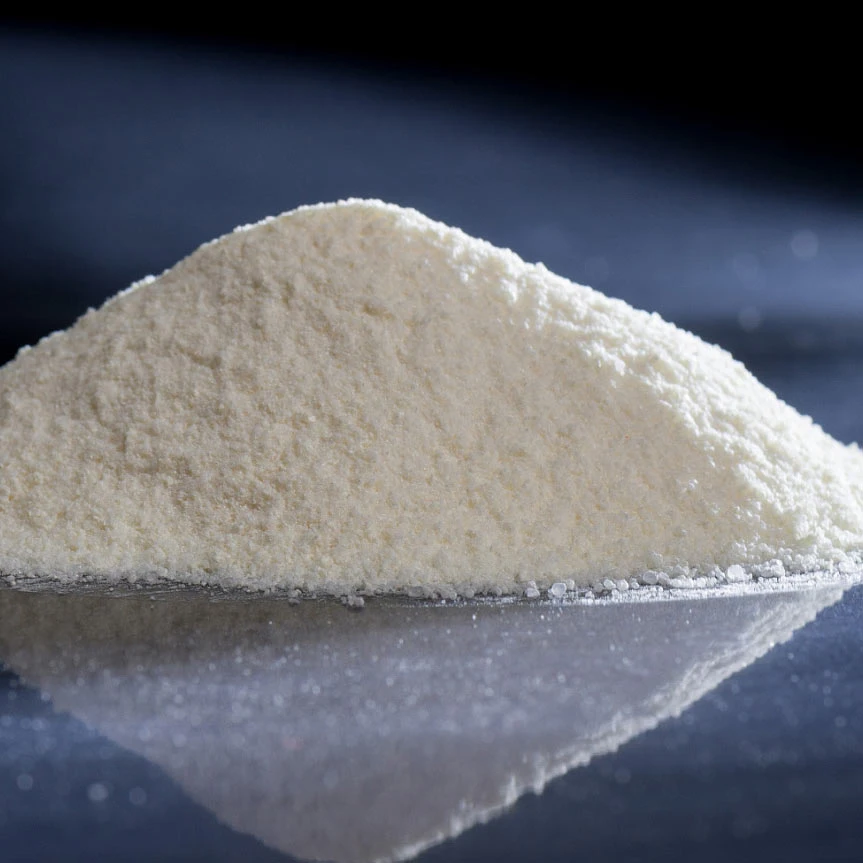
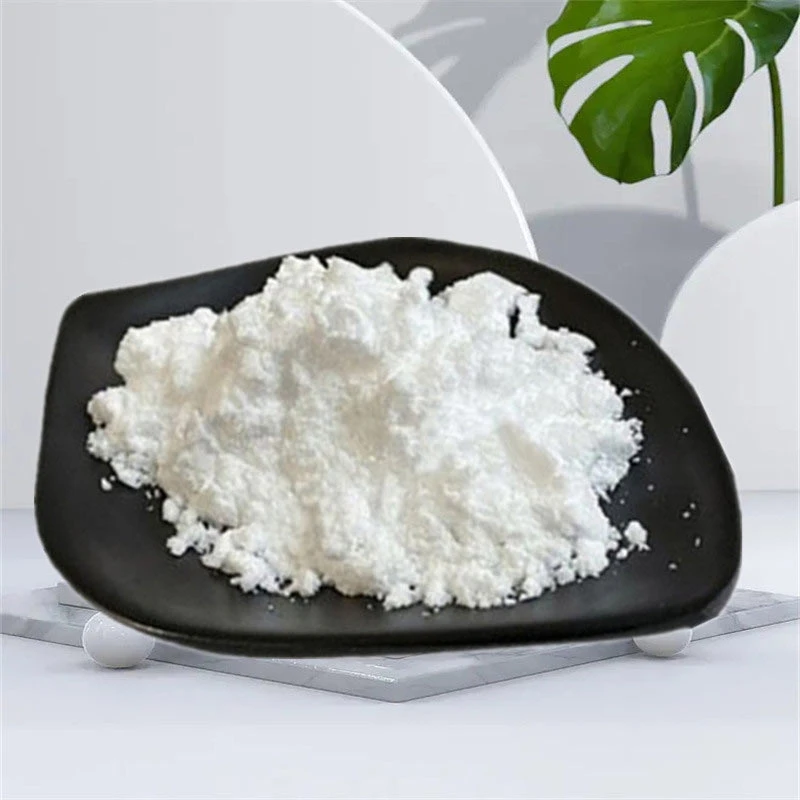
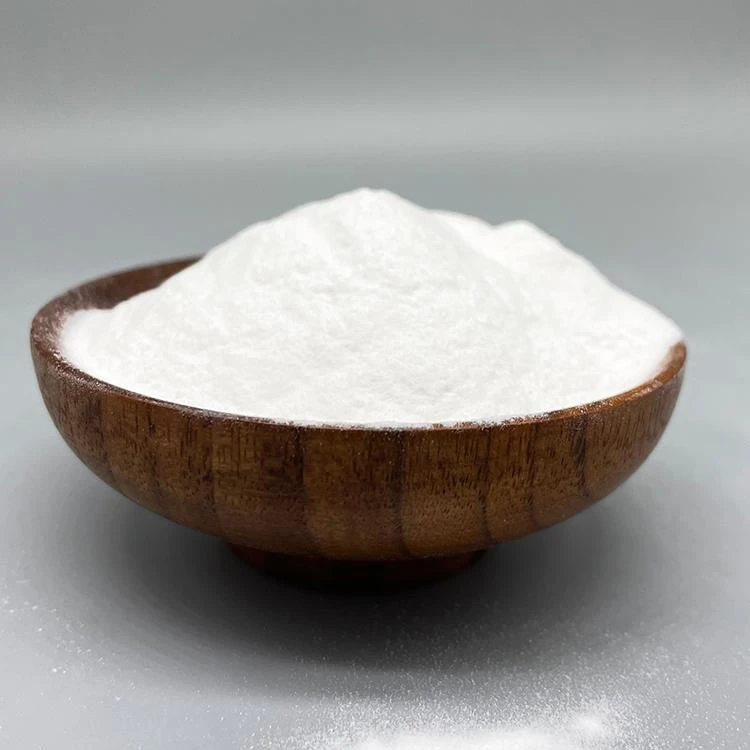
Polyanionic cellulose (PAC) is a versatile anionic water-soluble polymer derived from cellulose. Its unique properties make it invaluable across numerous industries, including oil drilling, textiles, paper making, and even food production. This article delves into the characteristics, applications, and benefits of polyanionic cellulose, providing a detailed overview for professionals and those seeking to understand this important material. Understanding PAC’s qualities is key to optimizing its use in a wide variety of processes.
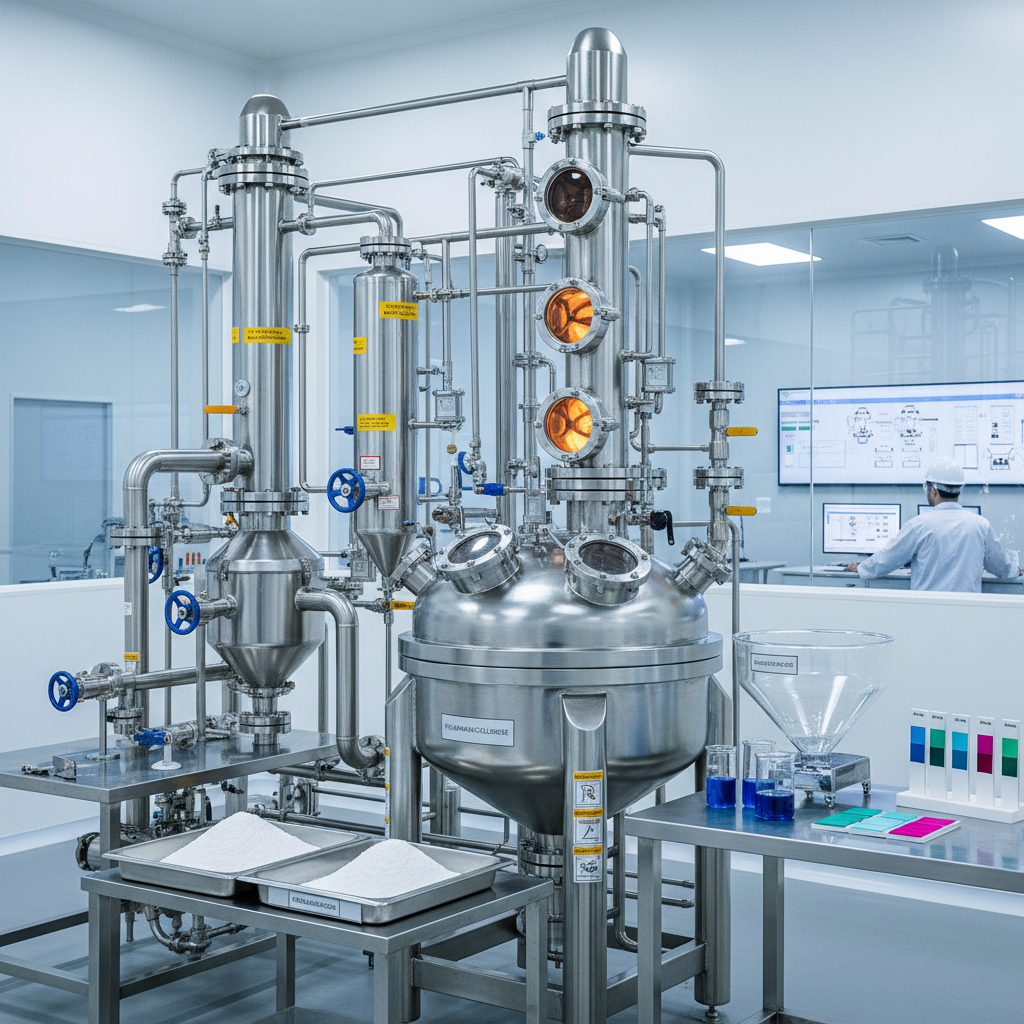
Understanding the Properties of Polyanionic Cellulose
PAC’s effectiveness stems from its distinct chemical and physical characteristics. It's highly soluble in both cold and hot water, forming viscous solutions even at low concentrations. The anionic nature of PAC allows it to interact effectively with positively charged particles, making it an excellent flocculant and suspending agent. Its molecular weight and degree of substitution (DS) are key parameters influencing its performance. Higher molecular weight generally leads to greater viscosity, while a higher DS enhances its anionic character and effectiveness in certain applications. These customizable characteristics enable its use in extremely varied applications. For specific needs, contacting a polyanionic cellulose supplier is recommended.
Key Highlights: Highly soluble in water, excellent flocculant and suspending agent, customizable molecular weight and degree of substitution.
Polyanionic Cellulose in Oil and Gas Drilling
One of the most significant applications of PAC is in the oil and gas industry, specifically in drilling fluids. It serves as a viscosity modifier, shale stabilizer, and fluid loss control agent. By increasing the viscosity of the drilling fluid, PAC helps suspend drill cuttings and transport them to the surface. Its shale stabilizing properties prevent the swelling and dispersion of shale formations, maintaining wellbore stability. The fluid loss control capabilities minimize the penetration of drilling fluid into the surrounding formations, reducing formation damage. The use of PAC in drilling fluids translates into more efficient and cost-effective drilling operations.
Benefits in Oil Drilling:
• Increases drilling fluid viscosity
• Stabilizes shale formations
• Controls fluid loss
• Enhances drilling efficiency
PAC Applications Across Diverse Industries
Beyond oil and gas, PAC finds widespread use in various other sectors. In the textile industry, it's used as a sizing agent to improve yarn strength and reduce breakage during weaving. In papermaking, it enhances paper strength, improves retention of fillers, and controls pitch deposition. The food industry utilizes PAC as a thickener, stabilizer, and emulsifier in products like ice cream and sauces. Furthermore, it's employed in water treatment as a flocculant to remove suspended solids and improve water clarity. Its biodegradability makes it an environmentally preferable alternative to some synthetic polymers.
Polyanionic Cellulose: Grades and Specifications
Different applications require PAC with varying specifications. Commonly, PAC is categorized by its molecular weight and degree of substitution. We, at HPMC Powder, offer a comprehensive range of PAC grades to meet diverse industrial needs. The following table outlines typical specifications:
Conclusion: The Versatility of Polyanionic Cellulose
Polyanionic cellulose stands out as a remarkably versatile polymer with applications spanning diverse industries. Its unique properties—water solubility, anionic nature, and customizable specifications—make it an indispensable ingredient in everything from oil drilling to food production. By choosing the right grade of polyanionic cellulose from a reliable supplier like HPMC Powder, businesses can optimize their processes, improve product quality, and contribute to more sustainable practices.
Frequently Asked Questions (FAQs)
What factors influence the viscosity of a PAC solution?
The viscosity of a PAC solution is influenced by several factors including the molecular weight of the PAC, its concentration in the solution, the temperature, and the presence of any salts or other additives. Higher molecular weight PAC generally results in higher viscosity. Increasing the concentration of PAC will also increase viscosity, up to a certain point. Temperature has an inverse relationship with viscosity; as temperature increases, viscosity decreases. Salts can either increase or decrease viscosity depending on their charge and concentration. Careful control of these parameters is essential to achieve the desired viscosity for a specific application.
Is Polyanionic Cellulose biodegradable?
Yes, Polyanionic Cellulose is considered biodegradable, making it an environmentally friendly alternative to some synthetic polymers. Being derived from cellulose, a natural polymer found in plant cell walls, PAC breaks down naturally over time under appropriate conditions. However, the rate of biodegradation can vary depending on factors such as temperature, moisture, and the presence of microorganisms. This biodegradability is a significant advantage in applications where environmental impact is a concern.
How should Polyanionic Cellulose be stored?
Polyanionic Cellulose should be stored in a cool, dry, and well-ventilated area, away from direct sunlight and extreme temperatures. Exposure to moisture can cause the PAC to clump or degrade. It is also important to keep it away from oxidizing agents and other incompatible materials. Properly sealed containers are recommended to prevent contamination and maintain product quality. Following these storage guidelines will ensure the PAC remains stable and effective for its intended use.
What is the degree of substitution (DS) and why is it important?
The degree of substitution (DS) refers to the average number of hydroxyl groups on the cellulose backbone that have been replaced by anionic functional groups. A higher DS indicates a greater concentration of anionic charges. This is crucial as it directly impacts the PAC’s effectiveness in applications relying on electrostatic interactions, like flocculation or shale stabilization. Higher DS PACs generally exhibit stronger anionic character and improved performance in these applications. The optimal DS will depend on the specific application requirements.
-
Industrial Guide to Cellosize Hydroxyethyl Cellulose ApplicationsNewsApr.16,2026
-
Industrial Applications and Benefits of nanofibrillar celluloseNewsApr.09,2026
-
Comprehensive Guide to Hydroxypropyl Methylcellulose and Its Diverse ApplicationsNewsApr.07,2026
-
Exploring Cellulose Based Packaging A Sustainable Choice for BusinessesNewsApr.04,2026
-
Comprehensive Guide to MHEC Chemical Properties and Industrial ApplicationsNewsMar.31,2026
-
Exploring Cellulose Packaging for Food A Sustainable and Renewable SolutionNewsMar.28,2026