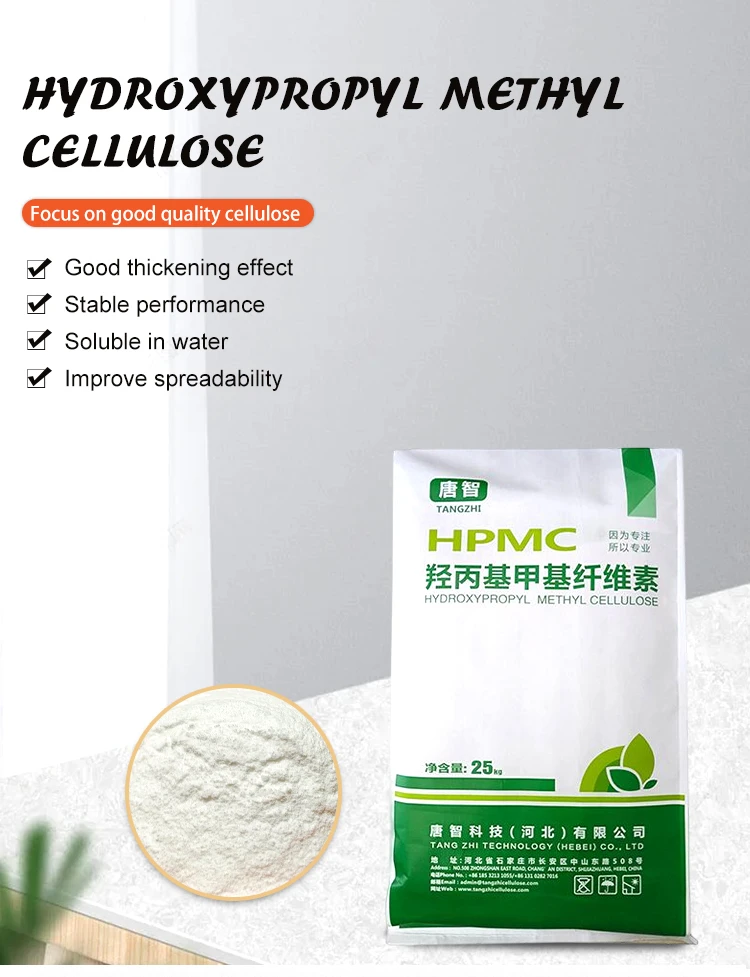
Exploring Ethyl Cellulose Properties Applications and Manufacturing Processes
Ethyl Cellulose: A Comprehensive Guide to Properties, Applications & More
Ethyl cellulose is a versatile polymer derived from cellulose, widely utilized across various industries for its unique properties. This article provides an in-depth exploration of ethyl cellulose, covering its production, key characteristics, diverse applications, and its significance in modern manufacturing. Understanding this remarkable material is crucial for professionals in pharmaceuticals, food, coatings, and beyond. For high-quality HPMC and ethyl cellulose powder, visit our website.
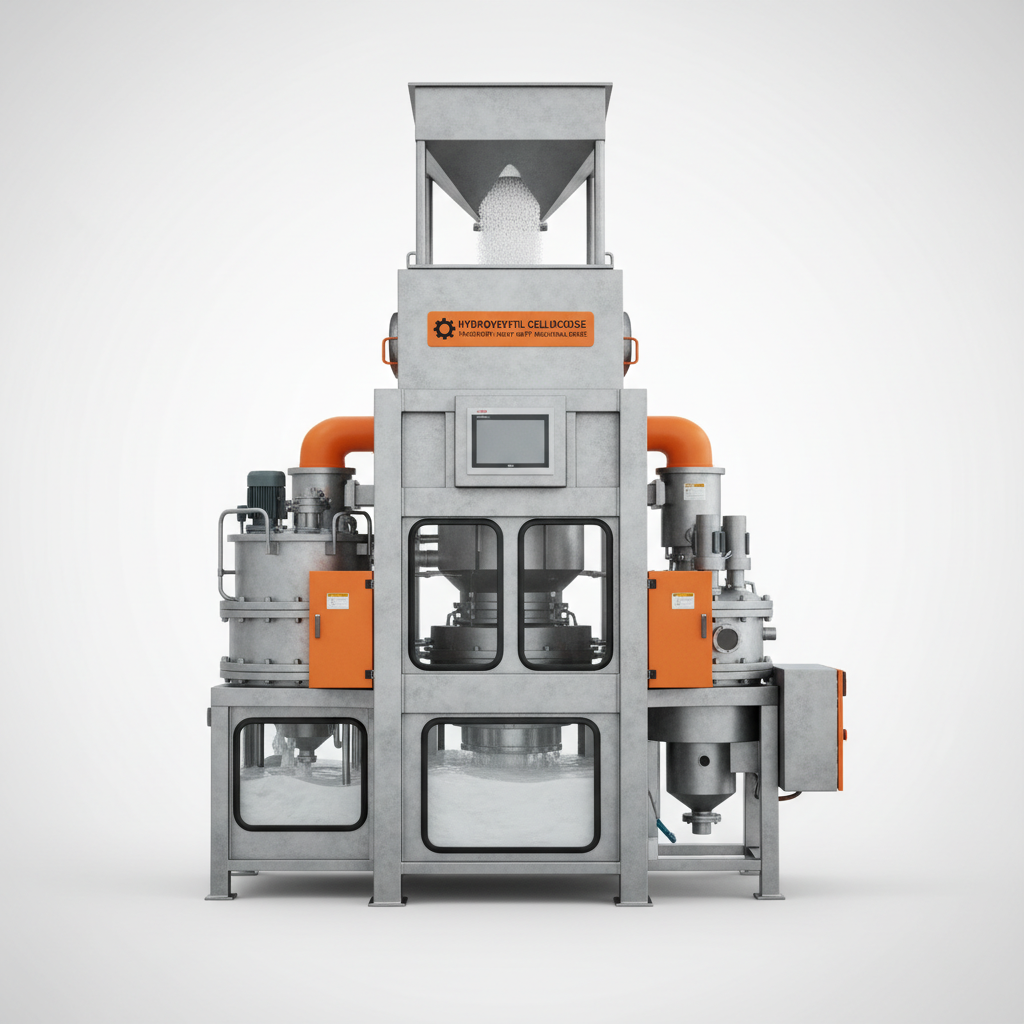
What is Ethyl Cellulose and How is it Produced?
Ethyl cellulose is created by reacting cellulose with ethylating agents, such as ethyl chloride or diethyl sulfate. This process replaces some of the hydroxyl groups (-OH) in cellulose with ethoxy groups (-OC2H5). The degree of ethoxylation determines the properties of the resulting ethyl cellulose, influencing its viscosity, solubility, and gel strength. The raw material, cellulose, is commonly sourced from wood pulp or cotton linters. This chemical modification imparts unique characteristics to cellulose, making it soluble in various organic solvents.
Key Highlights: Ethyl cellulose is a cellulose derivative with ethoxy groups, making it soluble in organic solvents. The degree of ethoxylation significantly influences its properties.
Key Properties of Ethyl Cellulose
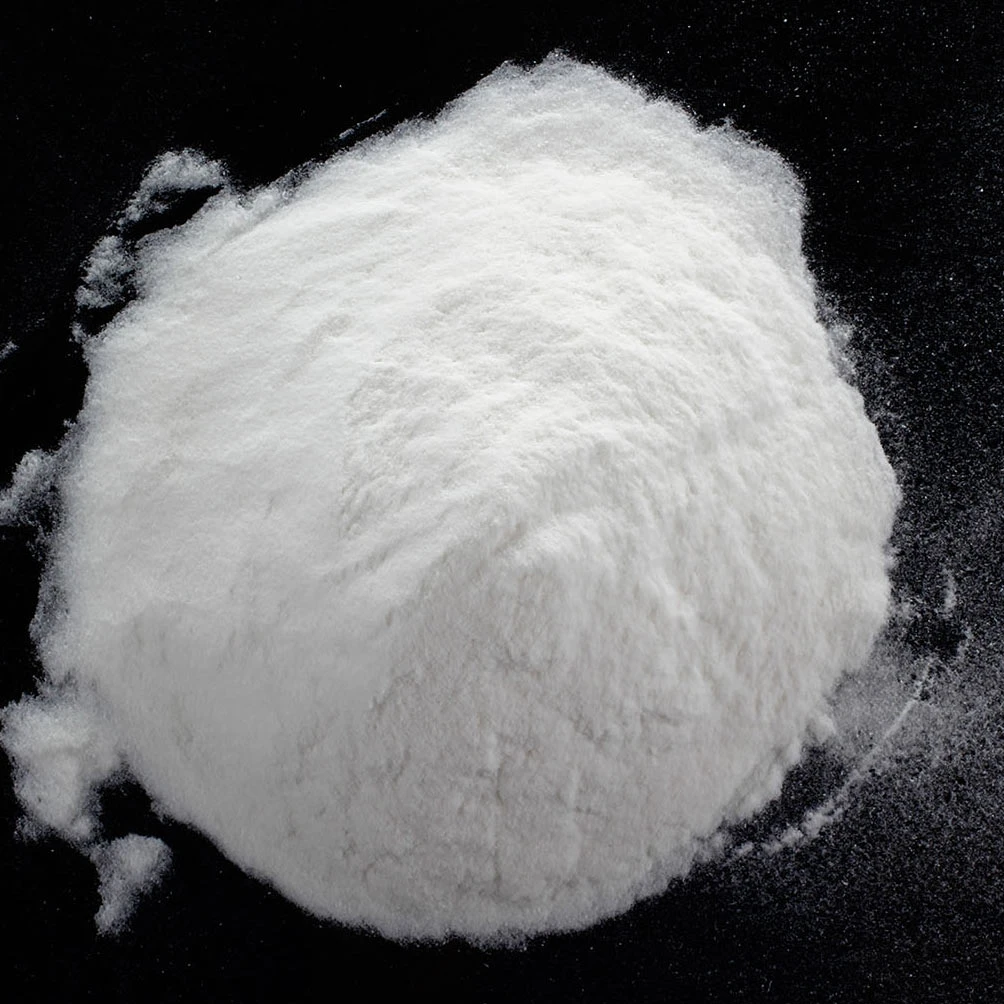
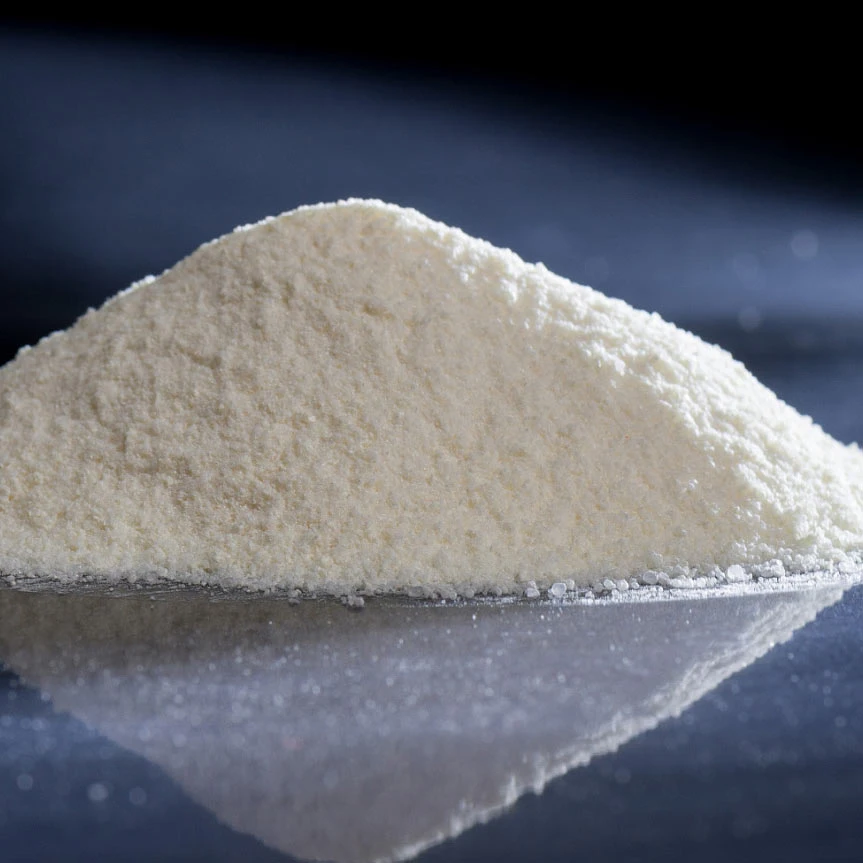
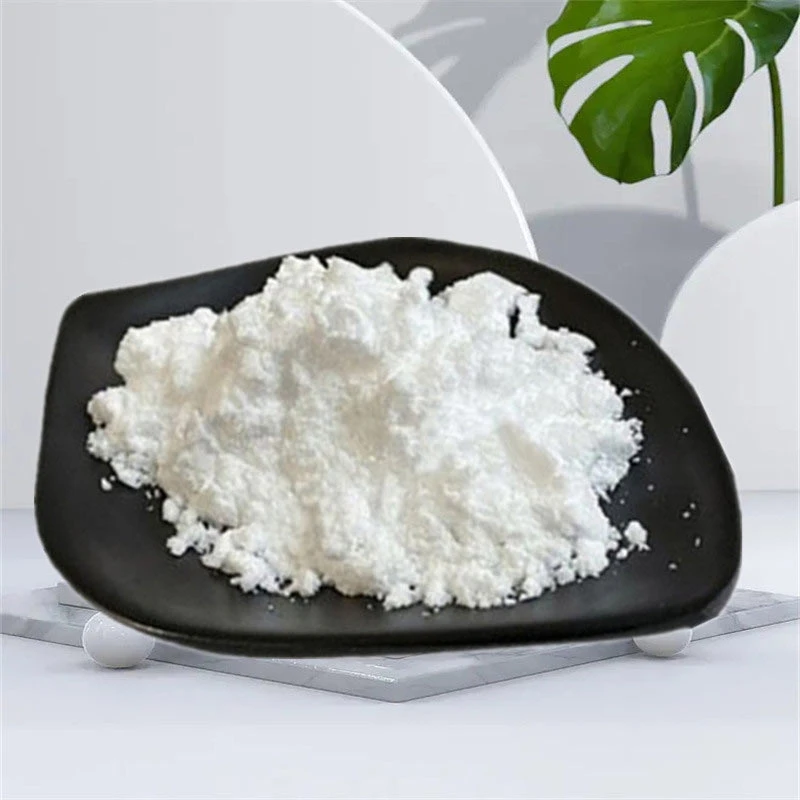
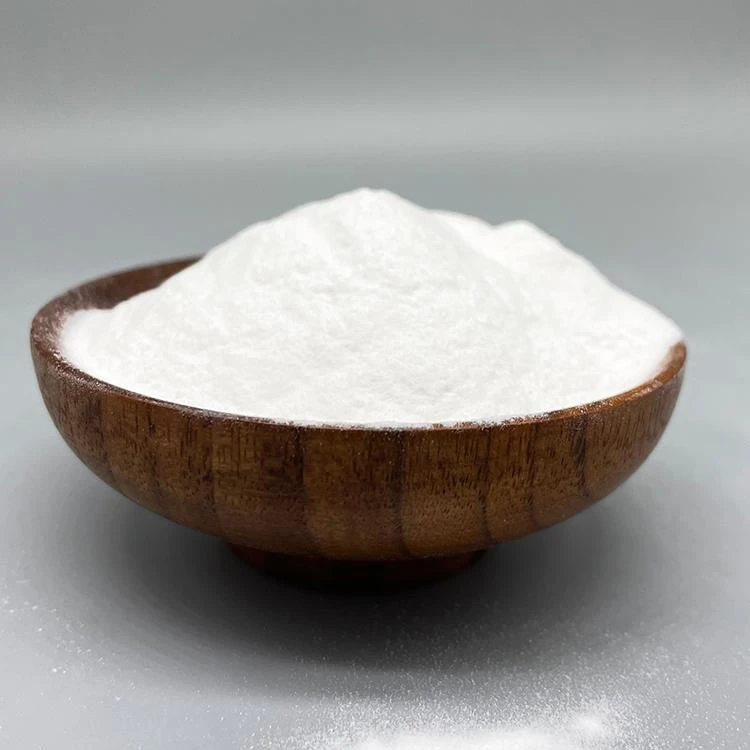
Ethyl cellulose boasts an impressive array of properties that contribute to its widespread use. It is odorless, tasteless, and non-toxic, making it suitable for pharmaceutical and food applications. It exhibits excellent film-forming capabilities, providing a protective barrier in coating applications. Furthermore, ethyl cellulose possesses good thermal stability and is compatible with a wide range of other polymers and additives. Its moisture content and viscosity can be tailored to meet specific application requirements. Its unique combination of properties allows for versatile formulation options.
Essential Characteristics:
• Odorless, tasteless, and non-toxic
• Excellent film-forming properties
• Good thermal stability
• Compatible with various polymers
Applications of Ethyl Cellulose Across Industries
The diverse properties of ethyl cellulose translate into a broad spectrum of applications. In the pharmaceutical industry, it's used as a binder, film former, and controlled-release agent for tablets and capsules. In the food industry, it functions as a thickener, stabilizer, and coating agent. The coatings industry leverages its film-forming properties for paints, varnishes, and protective coatings. Moreover, it finds use in inks, adhesives, and even as a component in certain cosmetic formulations. The ability to modify its properties makes it incredibly versatile.
Ethyl Cellulose Grades and Specifications
Ethyl cellulose is available in various grades, distinguished by their viscosity and ethoxyl content. Viscosity is typically measured using a Brookfield viscometer and is expressed in centipoise (cP). Ethoxyl content, ranging from 44% to 50%, influences solubility and other key characteristics. The selection of the appropriate grade depends on the specific application and desired performance. You can find detailed product specifications and technical data sheets on our website HPMC Powder.
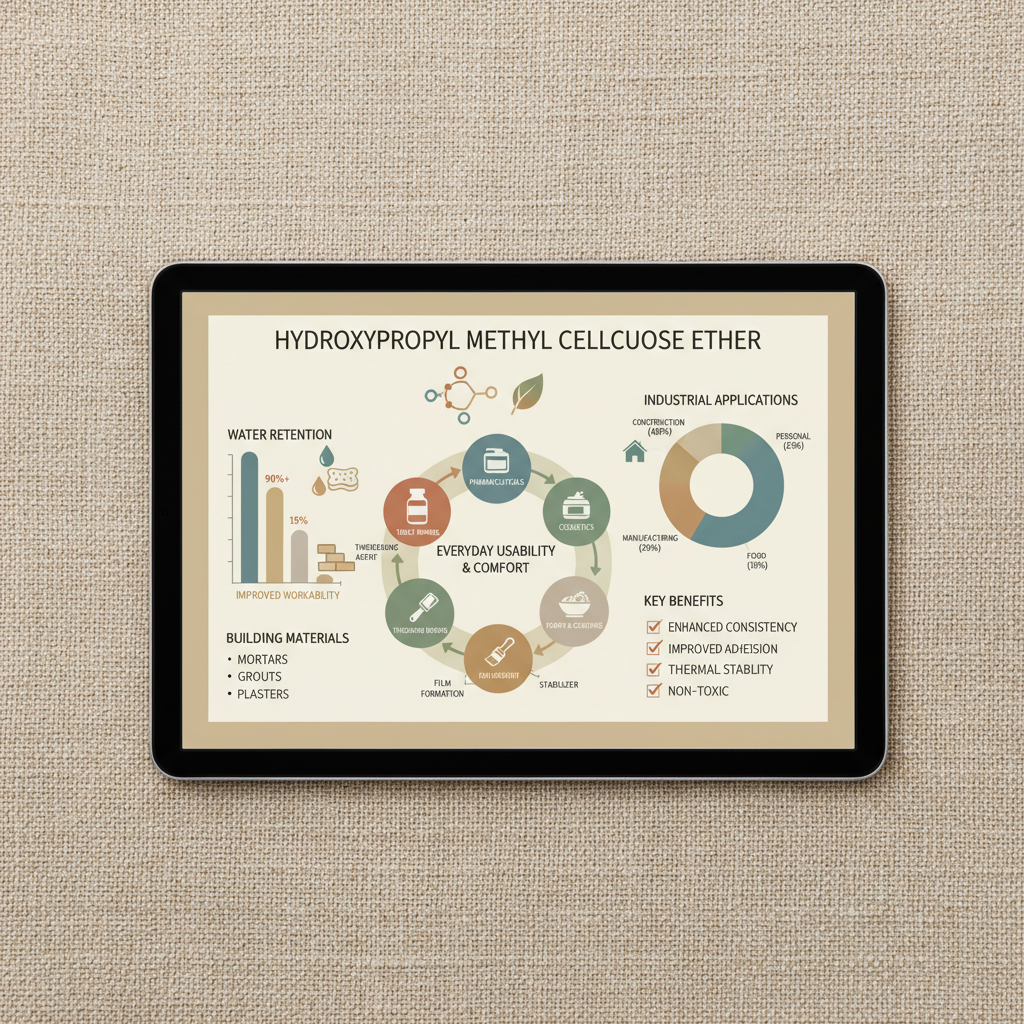
Comparison with Other Polymers
While several polymers offer similar functionalities, ethyl cellulose distinguishes itself through its unique properties. Compared to hydroxypropyl methylcellulose (HPMC), ethyl cellulose generally exhibits lower moisture sensitivity and higher hydrophobicity. Polyvinylpyrrolidone (PVP) provides good solubility in water, but lacks the organic solvent solubility of ethyl cellulose. Cellulose acetate offers good clarity but suffers from lower thermal stability. Choosing the appropriate polymer depends on the specific application requirements and desired performance characteristics.
Conclusion: The Versatility of Ethyl Cellulose
Ethyl cellulose remains a critical polymer across diverse industries due to its unique properties and versatility. From pharmaceuticals to coatings and beyond, its ability to modify and enhance product formulations makes it an invaluable ingredient. Explore our range of high-quality ethyl cellulose products at HPMC Powder and discover the solutions for your specific needs.
Frequently Asked Questions (FAQs)
What solvents is ethyl cellulose soluble in?
Ethyl cellulose is notably soluble in a wide range of organic solvents, including alcohols (ethanol, isopropanol), ketones (acetone), esters (ethyl acetate), and chlorinated hydrocarbons. Its solubility depends on the degree of ethoxylation, with higher ethoxyl content generally leading to increased solubility in polar solvents. It is not soluble in water or hydrocarbons like hexane.
How does ethyl cellulose affect tablet disintegration?
Ethyl cellulose can be used to control the disintegration rate of tablets. Higher concentrations of ethyl cellulose typically result in slower disintegration, as it forms a more robust and less permeable film coating. This is particularly useful for creating sustained-release or enteric-coated tablets, where delayed release is desired. By adjusting the concentration and grade of ethyl cellulose, formulators can tailor the disintegration profile to meet specific therapeutic needs.
Is ethyl cellulose biodegradable?
While ethyl cellulose is derived from a natural source (cellulose), its biodegradation rate is slow and depends on environmental conditions. The ethoxylation process reduces its susceptibility to microbial degradation compared to unmodified cellulose. In practical terms, it's considered relatively stable in the environment. Research is ongoing to enhance its biodegradability through modification and enzymatic treatments.