Find High Quality Microcrystalline Cellulose for Sale and Comprehensive Guide
Microcrystalline Cellulose for Sale: A Comprehensive Guide
Microcrystalline cellulose (MCC) is a versatile excipient widely used in the pharmaceutical, food, cosmetic, and industrial sectors. Its unique properties, including inertness, excellent compressibility, and binding capabilities, make it an ideal ingredient for a multitude of applications. If you're searching for microcrystalline cellulose for sale, understanding its grades, applications, and suppliers is crucial. This article provides an in-depth overview of MCC, focusing on its uses, specifications, and why HPMC Powder is a trusted source for high-quality MCC.
What is Microcrystalline Cellulose?
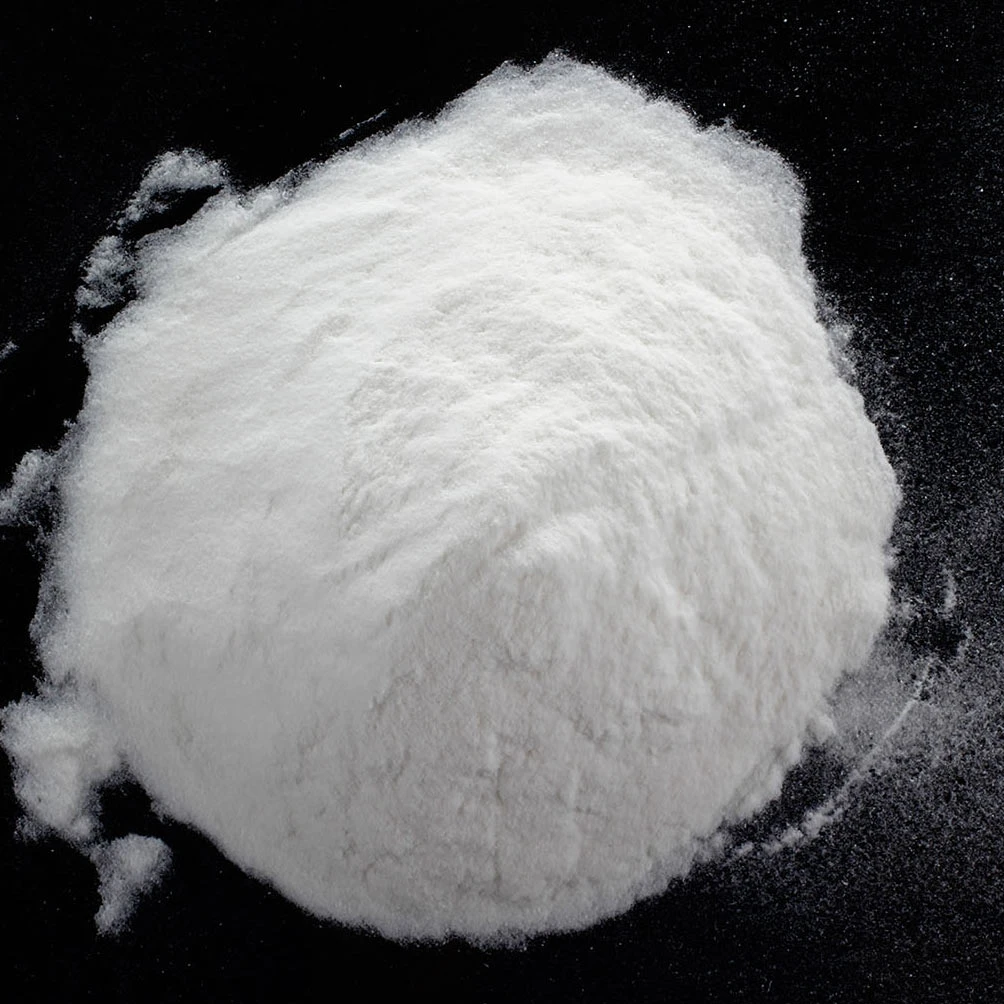
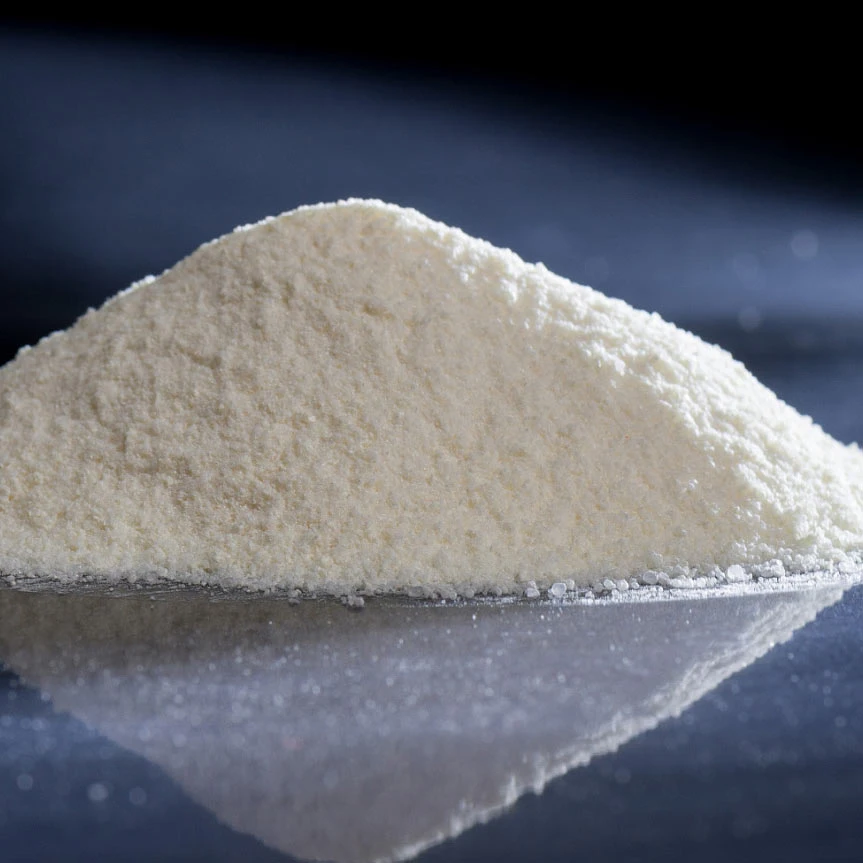
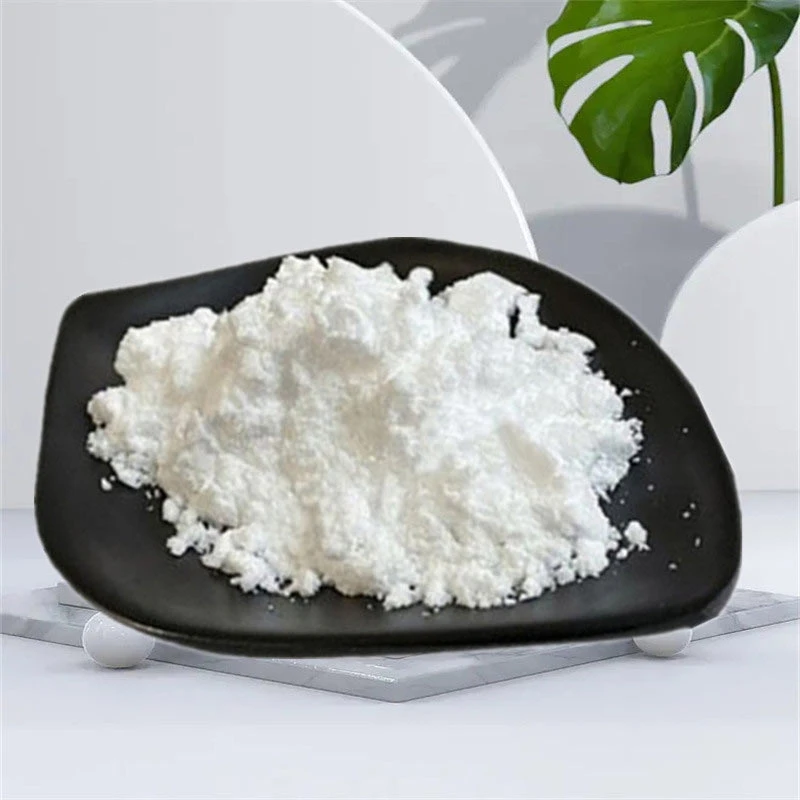
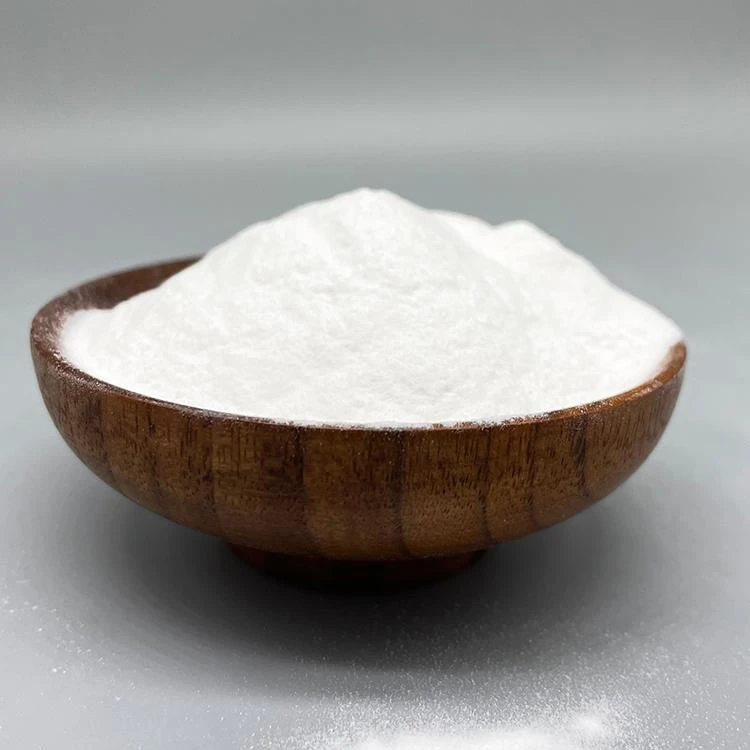
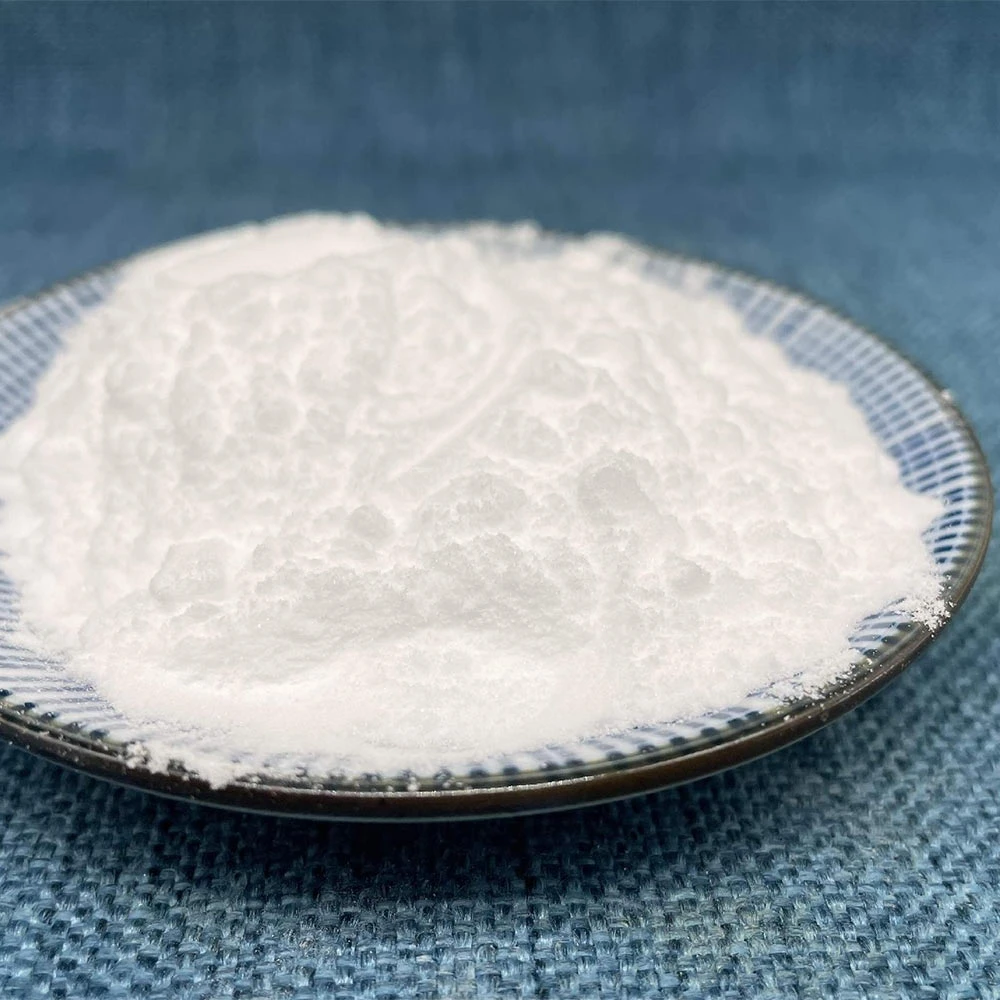
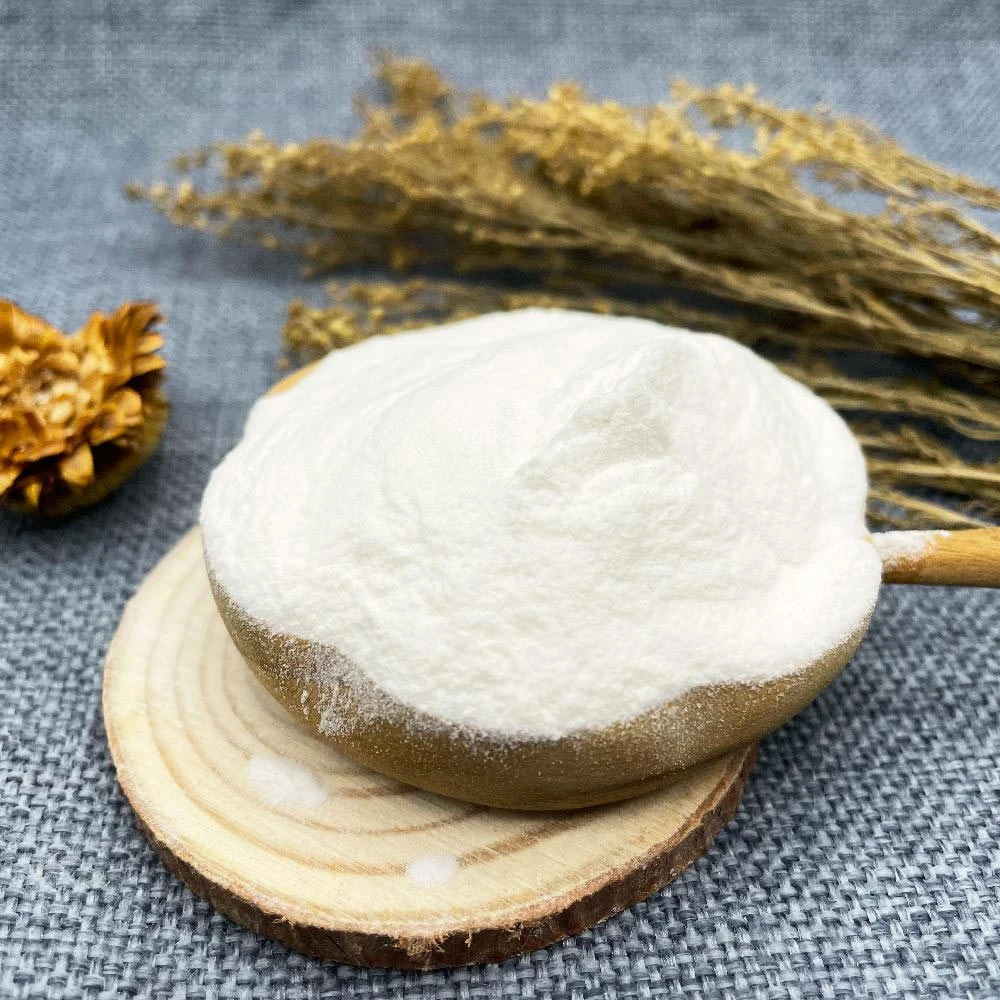
Microcrystalline cellulose is a purified, partially depolymerized cellulose derived from high-quality wood pulp. It is not simply powdered cellulose; the manufacturing process involves controlled hydrolysis and subsequent drying, resulting in a crystalline material with specific physical and chemical properties. These properties are what make it so valuable across a wide spectrum of industries. It's favored because it's non-toxic, odorless, and tasteless, making it suitable for internal consumption. Its ability to form stable dispersions also enhances its versatility. HPMC Powder provides various grades of MCC tailored to diverse application requirements.
Key Features: Non-toxic, odorless, tasteless, excellent compressibility, binding properties, and inertness.
Applications of Microcrystalline Cellulose
The applications of MCC are remarkably diverse. In the pharmaceutical industry, it's a crucial excipient in tablet manufacturing, acting as a binder, diluent, and disintegrant. In the food industry, it’s used as a stabilizer, thickener, and anti-caking agent in products like baked goods, sauces, and dairy alternatives. Cosmetic formulations utilize MCC for its texturizing and stabilizing properties. Even industrial applications benefit from its use in paints, coatings, and adhesives.
Key Application Areas:
• Pharmaceutical Tablets & Capsules
• Food Stabilization & Texture Enhancement
• Cosmetic Formulations (Creams, Lotions)
• Industrial Coatings & Adhesives
Choosing the Right Grade of Microcrystalline Cellulose for Sale
MCC isn’t a one-size-fits-all ingredient. Different grades exist, categorized by particle size, density, and moisture content. These variations impact its functionality in different applications. For example, larger particle sizes are often preferred for direct compression tablets, while smaller particle sizes are better suited for wet granulation. HPMC Powder offers a comprehensive selection of MCC grades to meet specific formulation needs.
Why Choose HPMC Powder for Your MCC Needs?
When sourcing microcrystalline cellulose for sale, quality and reliability are paramount. HPMC Powder is a leading supplier committed to providing high-purity MCC that meets stringent industry standards. We offer a wide range of grades, competitive pricing, and excellent customer service. Our rigorous quality control processes ensure consistent performance and traceability.
Quality Control and Regulatory Compliance
At HPMC Powder, quality isn’t just a buzzword; it’s embedded in our processes. Our MCC undergoes rigorous testing for parameters like moisture content, particle size distribution, and heavy metal content. We adhere to strict regulatory guidelines, including USP/NF and EP standards, ensuring our products meet the highest levels of purity and safety. Detailed Certificates of Analysis (COAs) are provided with each batch, offering complete transparency and traceability.
Conclusion: Partner with HPMC Powder for Reliable MCC Supply
For consistent quality, competitive pricing, and reliable supply of microcrystalline cellulose, HPMC Powder is your trusted partner. We are dedicated to meeting your specific formulation needs and ensuring your success. Contact us today to discuss your requirements and receive a quote.
Frequently Asked Questions (FAQs)
What is the typical shelf life of microcrystalline cellulose?
When stored correctly in a cool, dry place, away from direct sunlight and moisture, microcrystalline cellulose generally has a shelf life of 5 years or more. However, it's always best to check the Certificate of Analysis (COA) provided with each batch for the specific expiration date. Proper storage is crucial to maintain its functionality and prevent degradation. Moisture absorption can negatively impact its performance, so sealed containers are essential.
Can microcrystalline cellulose be used in vegan and vegetarian formulations?
Yes, microcrystalline cellulose is derived from plant sources (wood pulp) and is therefore suitable for both vegan and vegetarian formulations. It does not contain any animal-derived ingredients. However, it's always advisable to confirm the source and manufacturing process with your supplier to ensure compliance with specific dietary requirements. HPMC Powder can provide documentation confirming the plant-based origin of our MCC.
What is the recommended storage temperature for MCC?
The recommended storage temperature for microcrystalline cellulose is between 15°C and 25°C (59°F and 77°F). It's essential to store it in a dry environment with humidity levels below 60%. Avoid exposure to direct sunlight, heat sources, and strong odors. Maintaining these conditions will help preserve its quality and prevent caking or degradation.